
The Milwaukee 1660-6 mixing drill is built for heavy materials and continuous jobsite use, but how does it compare in torque, control, and comfort versus other professional mixers? This review examines real-world performance, practical strengths, and clear compromises to help you decide whether it fits your workflow and project demands.
Milwaukee 1660-6 Mixing Drill Review: Performance, Pros, and Cons
By: Review Streets Research Lab
Updated: April 2, 2026
Approx. 8–10 min read
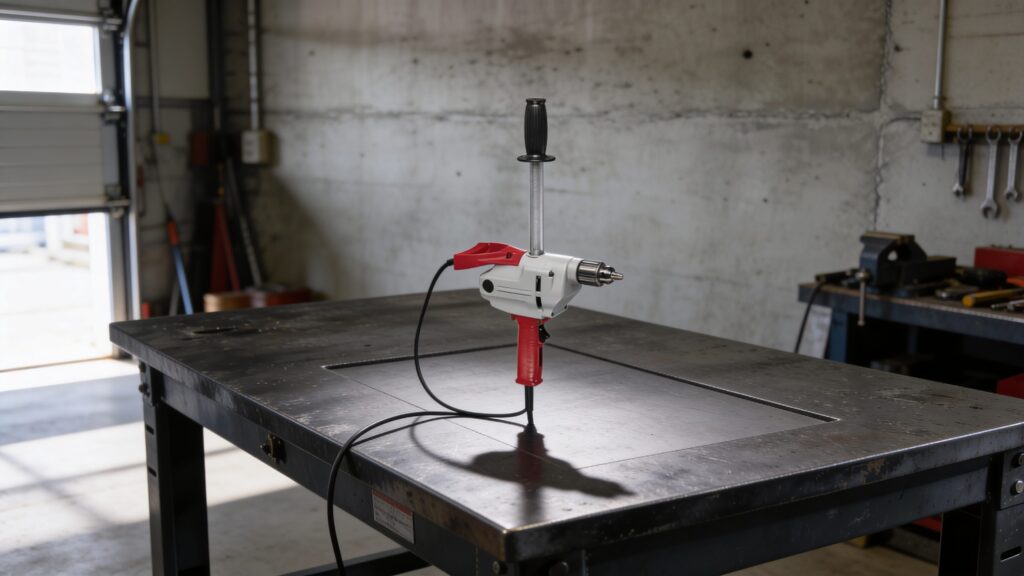
Quick Summary
The Milwaukee 1660-6 is a heavy-duty corded mixing drill built for thicker materials and longer sessions where consistent torque matters. In use, it feels stable under load with controlled starts that help reduce splatter and keep mixes predictable. The tradeoff is bulk—its size and weight can add fatigue when working overhead or in tight spaces.
8.7
Score
Best for: Daily jobsite mixing
Pros & Cons
Milwaukee 1660-6: what we liked (and what we didn’t)
A quick look at the biggest strengths and tradeoffs based on performance, handling, and everyday usability.
Pros
- Strong Mixing Torque: Keeps thicker mixes moving without bogging down, which helps maintain consistent texture.
- Controlled Starts: Smooth ramp-up makes it easier to avoid splatter and keep the paddle centered in the bucket.
- Jobsite Confidence: Built for repeated use and heavy materials, with a sturdy feel that holds up to routine mixing work.
- Steady Under Load: Maintains a predictable pace as resistance changes, so you can focus on the mix instead of fighting the tool.
- Practical Handling: Stable grip and balance work well for bucket-level mixing and longer sessions.
Cons
- Bulky Profile: The larger body can feel awkward in tight spaces or when maneuvering around walls and corners.
- Heavier Feel: Weight adds fatigue during extended mixes, especially if you’re working at chest height or above.
- Corded Constraints: Needing an outlet and managing a cord can slow setup and limit mobility across rooms.
- Narrow Use Case: Best suited to mixing tasks; it’s less versatile than a general-purpose drill for everyday jobs.
Specs
Milwaukee 1660-6 key specifications
These are the core specs and practical details most buyers compare across professional mixing drills.
| Spec | Milwaukee 1660-6 |
|---|---|
| Type | Corded mixing drill |
| Platform | Corded (120V) |
| Voltage | 120V AC |
| Speed | Single-speed with variable trigger control |
| Chuck | 3/8" keyed chuck |
| Torque | High-torque output (manufacturer-rated) |
| Length | Full-size mixing drill profile |
| Weight | Approx. 10 lbs (tool only) |
| Clutch settings | No clutch (direct-drive mixing tool) |
| LED light | No |
| Included | Tool only |
| Best use | Mortar, drywall mud, thinset, and concrete mixing |
| Warranty | Milwaukee limited warranty (varies by region/product) |
Performance
How the Milwaukee 1660-6 performs
We evaluated mixing speed under load, startup control, handling, and day-to-day usability across common remodel and jobsite mixing tasks to understand how this mixing drill behaves in real-world conditions.
Drilling Speed
Mixes faster than most general-purpose drills, keeping a steady pace once the material starts moving.
Torque & Power
Strong under heavy mixes like thinset and mud, with fewer stalls and less need to “feather” to keep it turning.
Control & Handling
Good trigger control helps manage starts and transitions, though the full-size body can feel less nimble in tight areas.
Balance & Comfort
Stable for bucket-level mixing, but the weight becomes noticeable during longer batches or when working above waist height.
Noise & Vibration
Typical corded-tool noise with manageable vibration; comfort is best when letting the paddle do the work instead of forcing it.
Overall Performance
A strong, jobsite-ready mixer that prioritizes torque and consistency over compact handling and lighter weight.
Testing note: Performance observations are based on practical mixing tasks with common building materials, focusing on control, consistency, and handling during typical jobsite workflows.
Build Quality
Build quality & durability
The Milwaukee 1660-6 feels purpose-built for mixing on active jobsites. The housing is rigid, the grip stays secure with dusty or wet hands, and the overall stance feels stable when the paddle starts loading up with heavy material.
Key contact points—chuck, front housing, and controls—come across as solid with minimal flex. The chuck holds a mixing paddle securely, and the tool feels steady once it’s engaged, which helps keep the paddle centered and reduces the “wandering” you can get with lighter-duty drills.
In everyday handling, it inspires more “set it down and keep moving” confidence than tools that feel delicate. It doesn’t seem finicky about being transported, leaned against a wall, or used back-to-back for multiple batches, and it maintains a consistent feel as the motor warms up.
The durability-forward build comes with a portability tradeoff. It’s larger and heavier than compact options, so it’s less convenient for tight-space work or frequent repositioning—but the upside is a more planted, dependable feel for repeated mixing.
Setup & Maintenance
Setup, daily use, and upkeep
The Milwaukee 1660-6 is straightforward to set up—secure the paddle tightly in the chuck, start slow, and let the tool build momentum as the mix comes together. Most setup comes down to matching speed and technique to material thickness so you get smoother blends, less splatter, and more consistent results from batch to batch.
Best setup for common tasks
- Drywall Mud: Start at low speed to combine powder and water, then increase gradually for a lump-free mix.
- Thinset Or Mortar: Use steady mid-range speed and keep the paddle fully submerged to reduce air pockets.
- Concrete Patches: Begin slow to prevent splash, then maintain consistent pressure as resistance increases.
- Bucket Mixing: Hold the drill upright with the paddle centered to keep material from climbing the sides.
What to do for smoother starts
- Begin Slow: Ease into the trigger so dry material doesn’t spray before it hydrates.
- Submerge Paddle: Start with the paddle already in the mix to minimize splatter and wandering.
- Stabilize The Bucket: Brace the bucket with your foot or against a wall so the drill isn’t fighting movement.
Maintenance (simple but important)
- Clean After Use: Rinse the paddle immediately and wipe down the housing before material hardens.
- Chuck Care: Clear out dried residue so paddles seat fully and tighten evenly.
- Vent Cleaning: Brush off dust buildup to keep airflow open during longer mixing sessions.
- Cord Check: Inspect the power cord for nicks or kinks and coil loosely for storage.
Tip: For thicker mixes, use two hands, keep your stance stable, and let the drill build speed gradually. Controlled starts and steady pressure improve consistency, reduce arm fatigue, and help prevent sudden paddle grab as material thickens.
Real-World Use
Where the Milwaukee 1660-6 fits best
On paper, the Milwaukee 1660-6 is a dedicated mixing drill. In real projects, it proves most useful when consistent torque, controlled starts, and dependable handling matter more than compact size or portability.
Drywall, thinset, and mortar mixing
Well suited for routine mixing of drywall mud, thinset, and mortar. It keeps heavier materials moving with less hesitation, helping maintain smoother blends and reducing the stop-and-start adjustments common with standard drills.
Bathroom and tile projects
For tiling and patching work, the steady power delivery makes it easier to prep multiple batches back to back. Startup control helps limit splatter, which speeds cleanup and keeps work areas more manageable.
Renovation and jobsite prep
During remodels, it works well as a dedicated mixing station tool—reliable for repeated use and predictable under load, which helps maintain workflow when materials need to be ready on demand.
Where it’s less ideal
If you need a lightweight, all-purpose drill or frequently work in tight or overhead spaces, this isn’t the best fit. Its size and corded design prioritize mixing performance over maneuverability.
Value
Is the Milwaukee 1660-6 worth it?
The Milwaukee 1660-6 makes the most sense when mixing is a regular part of your workflow—tile jobs, drywall work, or renovation prep where consistency and durability matter. For occasional small batches, a standard drill with a paddle attachment can cost less and still get the job done.
Price-to-performance takeaway
What you’re paying for here is dependable torque under load, controlled starts, and a build that holds up to repeated mixing. The value shows up over time through smoother workflow and fewer tool-related interruptions, especially if this becomes your dedicated mixer rather than a multi-purpose drill.
Tip: If mixing is something you do often, a dedicated tool like this can be worth the investment. If it’s an occasional task, consider whether a lower-cost mixer or using an existing drill meets your needs before stepping up.
FAQ
Milwaukee 1660-6 FAQ
Quick answers to the most common questions about the Milwaukee 1660-6—use cases, compatibility, and what to expect in everyday mixing work.
Is the Milwaukee 1660-6 a dedicated mixing drill?
Yes. The 1660-6 is designed specifically for mixing materials like drywall mud, thinset, mortar, and concrete patches, prioritizing torque and controlled starts over compact size or drilling versatility.
Can I use standard mixing paddles with it?
Yes. It uses a keyed chuck that accepts most common mixing paddles, making it easy to swap between different paddle styles depending on the material you’re working with.
Is this drill cordless?
No. The 1660-6 is a corded mixing drill, which means consistent power without battery changes—but also less mobility compared to cordless options.
Who is this mixer best for?
It’s a good fit for remodelers, tile installers, and serious DIYers who regularly mix heavier materials and want steady performance batch after batch without pushing a standard drill to its limits.
Is it overkill for occasional mixing?
If you only mix small amounts a few times a year, a regular drill with a paddle may be enough. The 1660-6 makes more sense when mixing is a routine part of your projects.
What should I consider before buying?
Think about how often you mix, the thickness of materials you use, and whether having a dedicated mixer improves your workflow. Also factor in cord access on your typical jobsite or workspace.
What are the most common downsides?
The main tradeoffs are size, weight, and being tethered to an outlet. It’s less convenient in tight or overhead spaces and not as versatile as a general-purpose drill.
Alternatives
Best alternatives to the Milwaukee 1660-6
If the Milwaukee 1660-6 feels close but not quite right for your workflow—whether you want a lighter mixer, a lower-cost option, or a similar heavy-duty model—these alternatives represent meaningful tradeoffs worth considering.
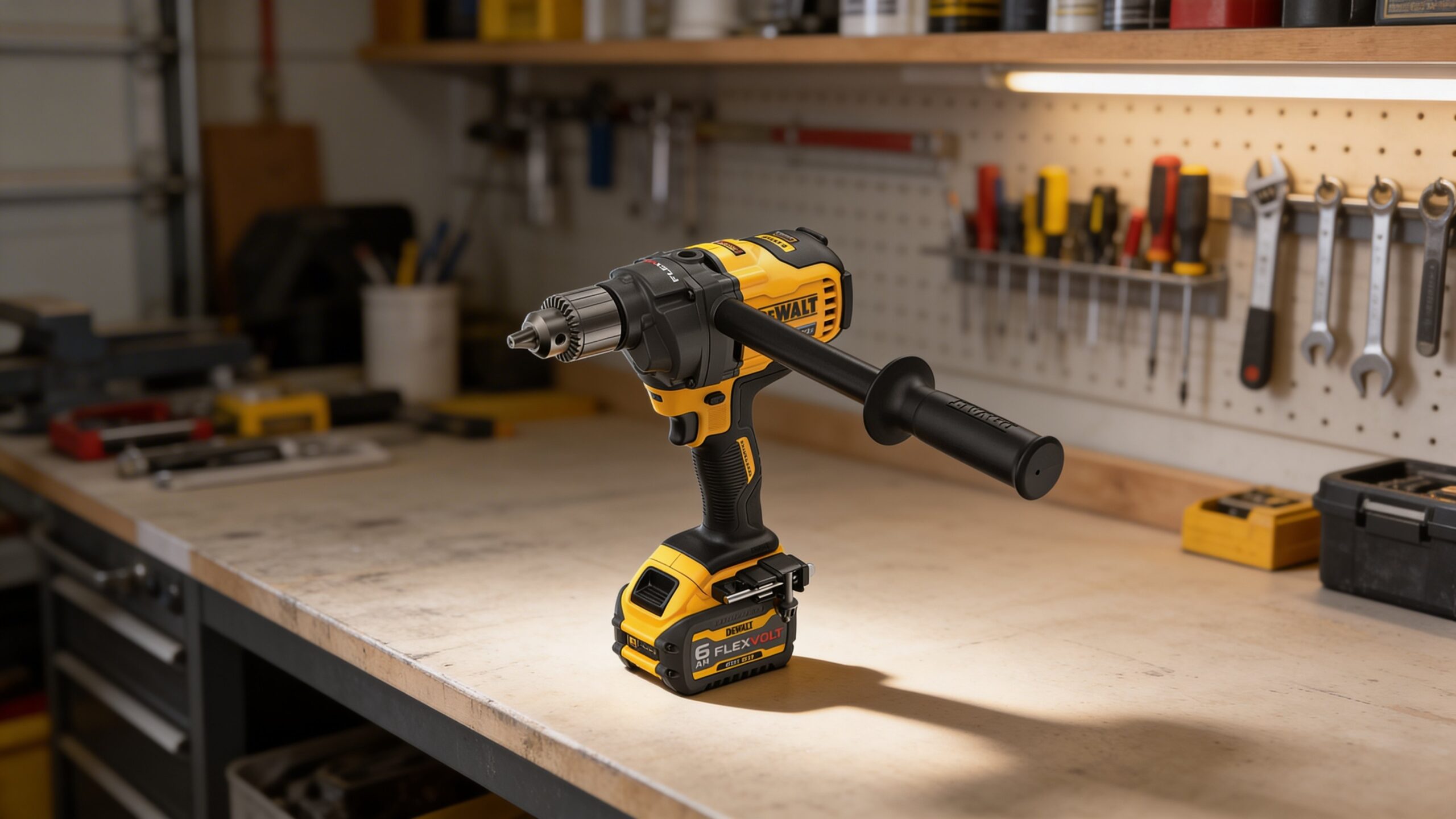
DeWalt DW130V Mixing Drill
Best Value
A practical alternative if you want solid mixing power at a typically lower entry cost. It’s a good fit for occasional to regular mixing where budget matters more than premium fit and finish.
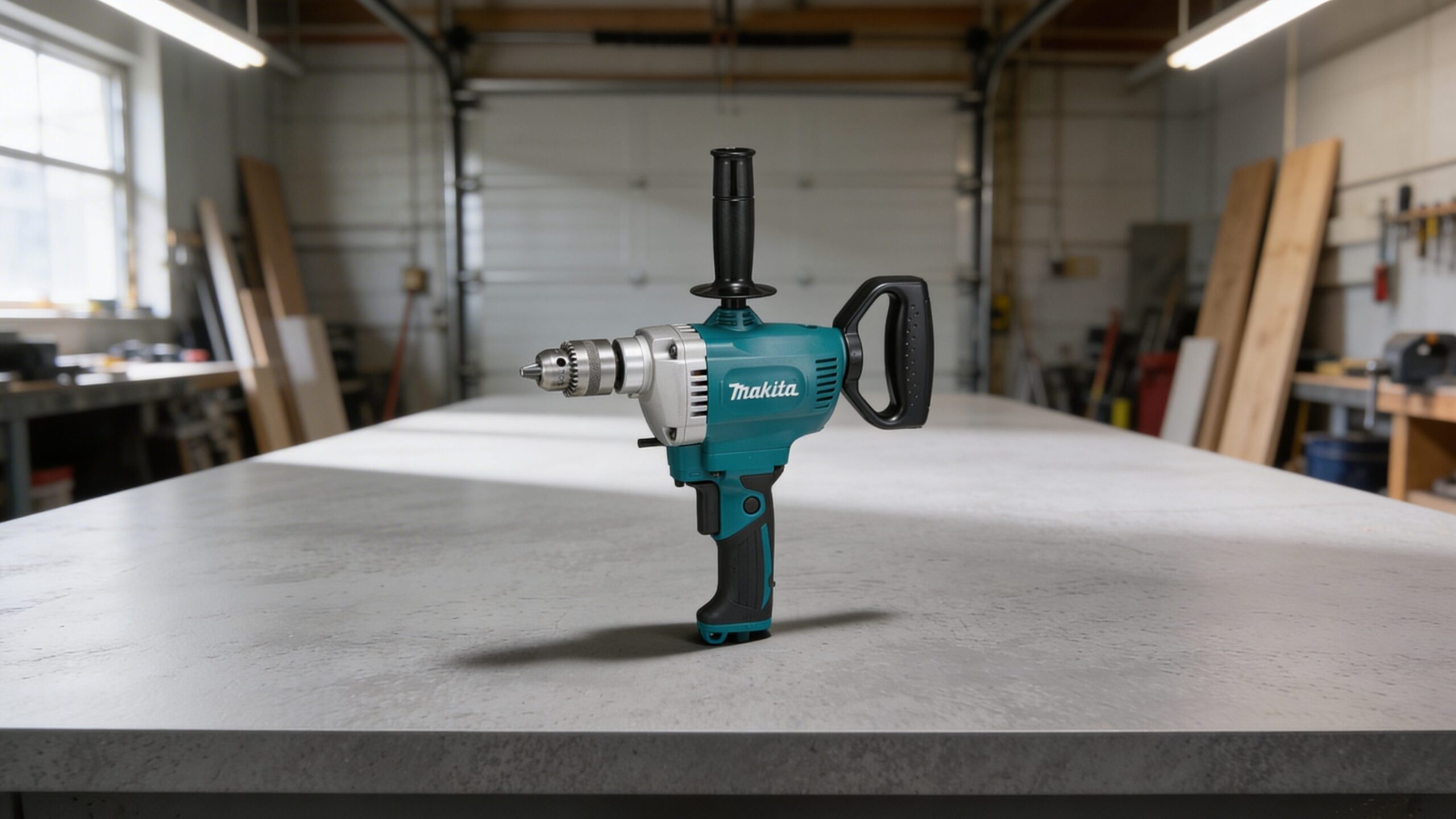
Makita DS4012 Mixing Drill
Smoother Feel
Known for refined trigger control and balanced handling, this option appeals to users who value smoother starts and lighter-feeling operation during smaller batches or longer mixing sessions.
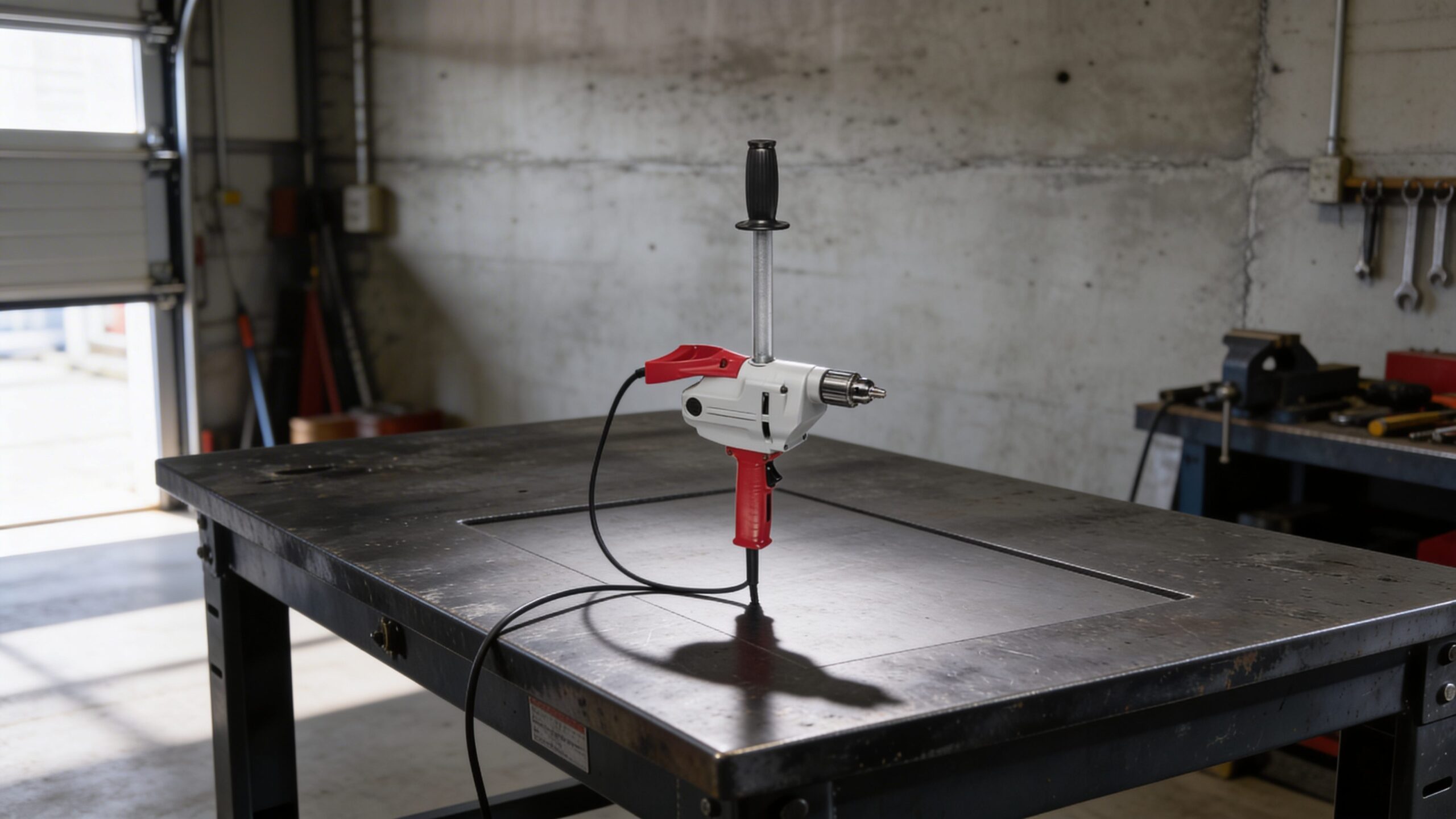
Milwaukee 1675-6 (Heavy-Duty Mixer)
More Power
A step up within Milwaukee’s corded mixing lineup, this model favors higher-output mixing for thicker materials, making sense if you routinely handle larger batches and want extra headroom.
Sources
Sources & reference notes
Specifications and product details referenced in this review were verified using publicly available manufacturer documentation and current product listings. Where configurations vary by seller or packaging, we note differences directly in the article.
- Milwaukee Tool — product documentation and published specifications for the Milwaukee 1660-6 Mixing Drill.
- Manufacturer guidance on common accessory compatibility (mixing paddles, chuck fitment) and intended use category.
- Retail product listings used to confirm current naming, SKU variations, and what’s included with tool-only or bundled offerings.
Where to Buy
Milwaukee 1660-6
Corded Mixing Drill
Typical price range: $179–$299
Pricing varies by retailer and what’s included (tool-only vs bundled accessories).
Check Current PriceReview Snapshot
Milwaukee 1660-6
8.7
High-torque mixing control
Best for regular jobsite mixing where steady torque matters, with the tradeoff of extra weight and a corded setup.
- Performance: Keeps thicker mixes moving with fewer stalls and more consistent blending
- Handling: Stable for bucket work, but bulkier and more tiring in tight or overhead positions
- Value: Worth it when mixing is frequent; occasional users may prefer a lower-cost or multi-use option
Top 10 List
See the best mixing drills right now
Want the full picture? Our Top 10 breaks down the best mixing drills by control, durability, and real-world mixing performance.
View the Top 10Compare Models
Compare this mixer head-to-head
See how the Milwaukee 1660-6 stacks up against other mixing drills across control, handling, and real-world mixing performance.
View ComparisonsAccessories You’ll Want
- Mixing paddle set (match paddle style to material—mud, thinset, mortar—to reduce lumps and improve consistency)
- Bucket or tub mixer (a stable mixing container helps keep batches consistent and reduces mess during starts)
- Spare keyed chuck key (keeps setup moving when the original key gets misplaced on a busy jobsite)
- Bucket stabilizer ring (helps prevent the bucket from walking, improving control and reducing fatigue)
- Extension cord rated for tools (maintains reliable power and reach without constantly relocating outlets)
Tip: Mixing results depend as much on the paddle and container as the drill—choose accessories that match your materials and replace worn paddles to keep control and consistency predictable over time.