This head-to-head comparison examines how the Milwaukee 2712-20 and DeWalt D25263K differ in power, handling, features, and jobsite practicality, helping clarify which model better fits specific drilling needs.

Reviews You Can Trust
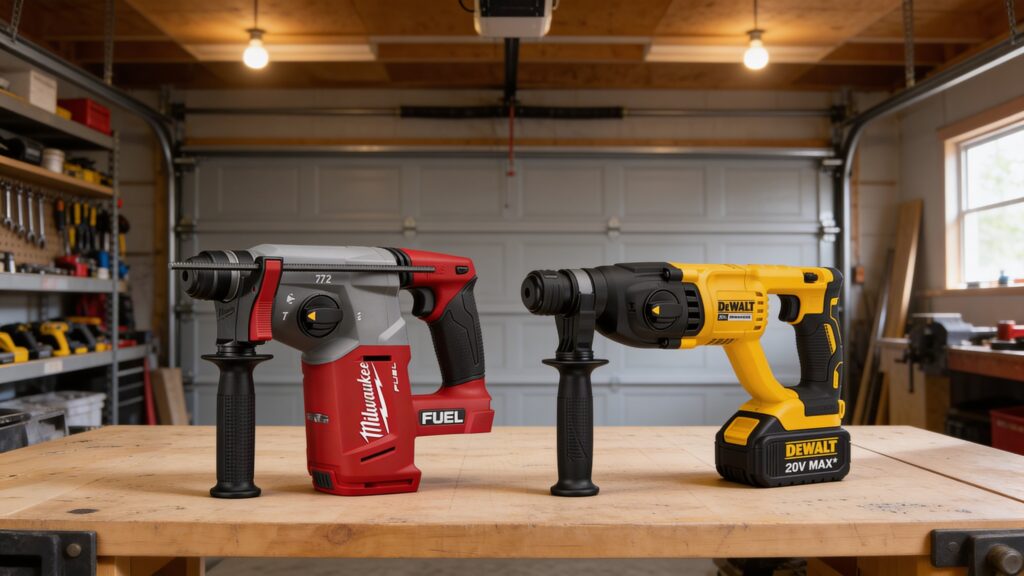
Head-to-head
Milwaukee 2712-20 vs DeWalt D25263K: Which Rotary Hammer Drills Is Better?
A clean A/B view of what matters in rotary hammer use: drilling confidence in concrete, handling in overhead or repetitive work, cordless freedom versus corded consistency, and which tool makes more sense for the way pros actually work.
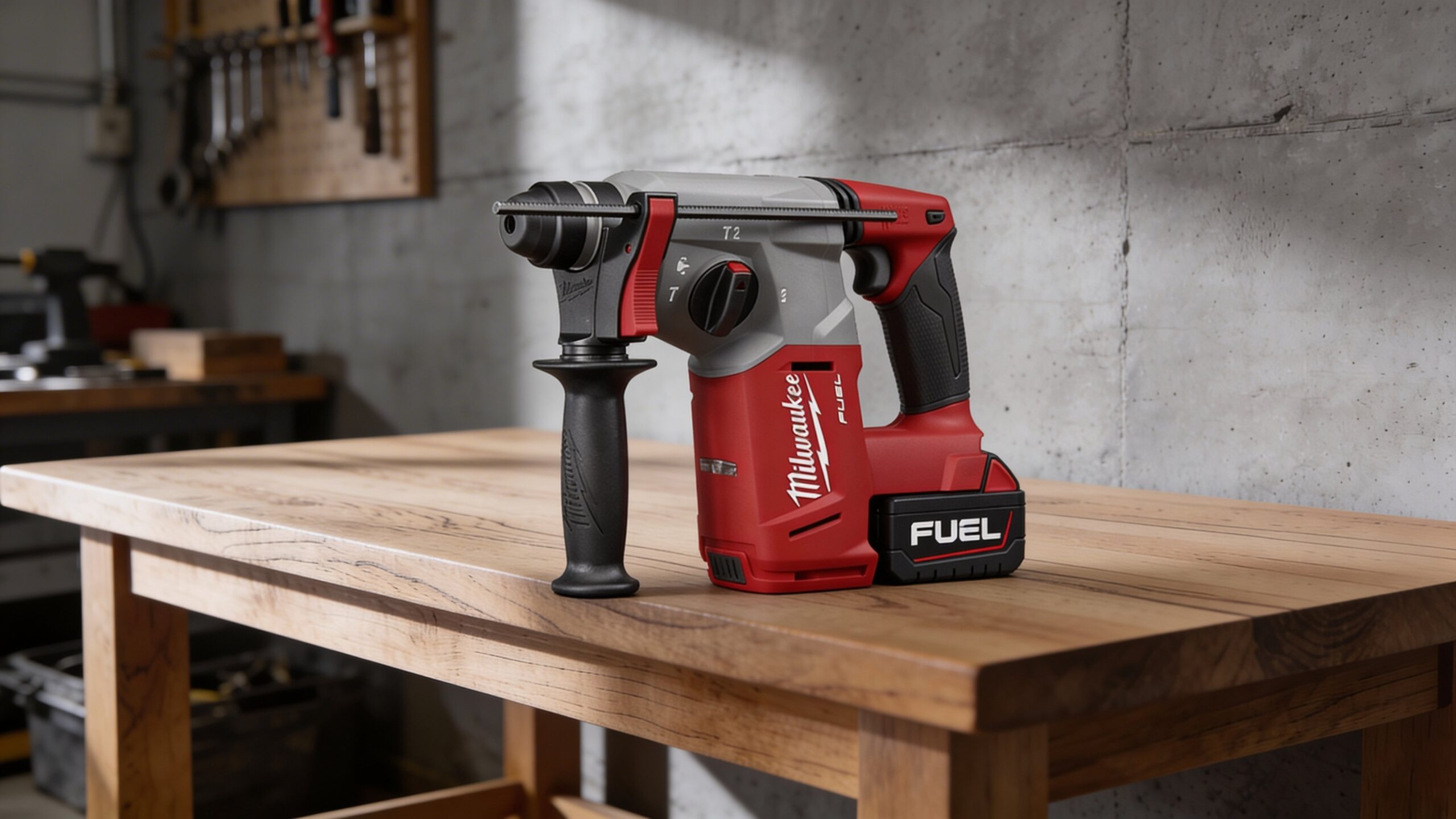
Milwaukee 2712-20
A cordless SDS-Plus rotary hammer built for mobile concrete work, punch-list drilling, and service jobs where freedom from a cord matters as much as solid everyday performance.
- More convenient for service calls, ladders, and quick concrete drilling where outlets are not ideal
- Fits well for crews already invested in Milwaukee’s broad M18 platform
- Strong choice when versatility and faster grab-and-go use matter more than corded simplicity
VS
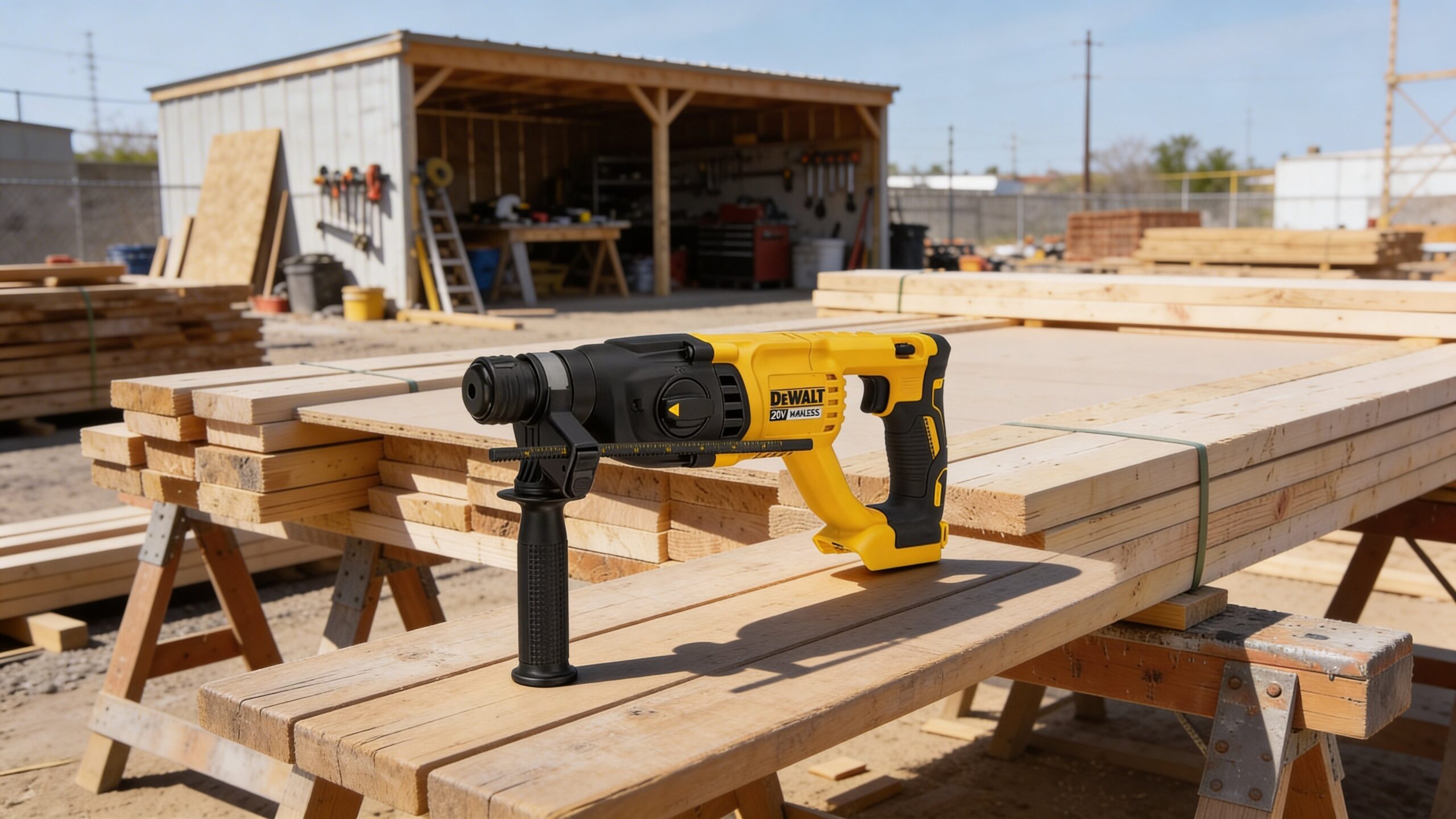
DeWalt D25263K
A corded SDS-Plus rotary hammer with a straightforward, jobsite-ready feel that suits steady drilling tasks, longer work sessions, and buyers who want dependable performance without battery planning.
- No battery management to think about when the work stays near reliable power
- Good fit for repetitive anchor holes and routine concrete tasks in shop or site settings
- Appealing for buyers who want proven corded value and less platform commitment
Power under load
Strong for cordless concrete drilling
Steady, cord-backed consistency
DeWalt D25263K
Control & clutch consistency
Very good
Very good
Tie
Ergonomics (feel + fatigue)
More flexible on ladders and mobile tasks
Balanced, but cord-managed
Milwaukee 2712-20
Value (typical kit pricing)
Higher buy-in once battery costs are counted
Usually simpler value as a corded kit
DeWalt D25263K
Battery ecosystem depth
Massive M18 lineup
No battery platform required
Milwaukee 2712-20
Real-world context
This comparison reflects a synthesis of professional reviews, manufacturer data, long-term user feedback, and use-case patterns to highlight how each rotary hammer typically fits real drilling work on jobsites.
Milwaukee 2712-20 — Why people choose it
- Cordless convenience makes it easier to move between punch-list work, service calls, and overhead drilling
- Strong match for users already building around Milwaukee’s M18 platform (especially multi-tool crews)
- Well suited to pros who value speed of setup and cleaner mobility more than corded simplicity
DeWalt D25263K — Why people choose it
- Consistent corded performance for routine anchor drilling and repeated concrete work
- Lower ownership complexity when you do not want to manage batteries or chargers
- Practical option for buyers who want dependable jobsite output with a straightforward setup
Verdict: Choose Milwaukee 2712-20 if your work benefits from cordless mobility, faster setup, and the long-term advantage of plugging into a deep M18 tool system. Choose DeWalt D25263K if you want a dependable corded rotary hammer for routine concrete drilling, steadier value, and a simpler ownership path when battery flexibility is not a priority.