
The Milwaukee 2804-20 is one of the most powerful compact cordless drills in Milwaukee’s M18 FUEL lineup, designed for homeowners and professionals who need serious drilling and driving performance in a relatively small frame. It’s built around Milwaukee’s brushless motor platform and is positioned as a high-torque, fast-drilling option for demanding jobs.
Milwaukee 2804-20 Cordless Drill Review: Performance, Pros, and Cons
By: Review Streets Research Lab
Updated: April 2, 2026
Approx. 8–10 min read
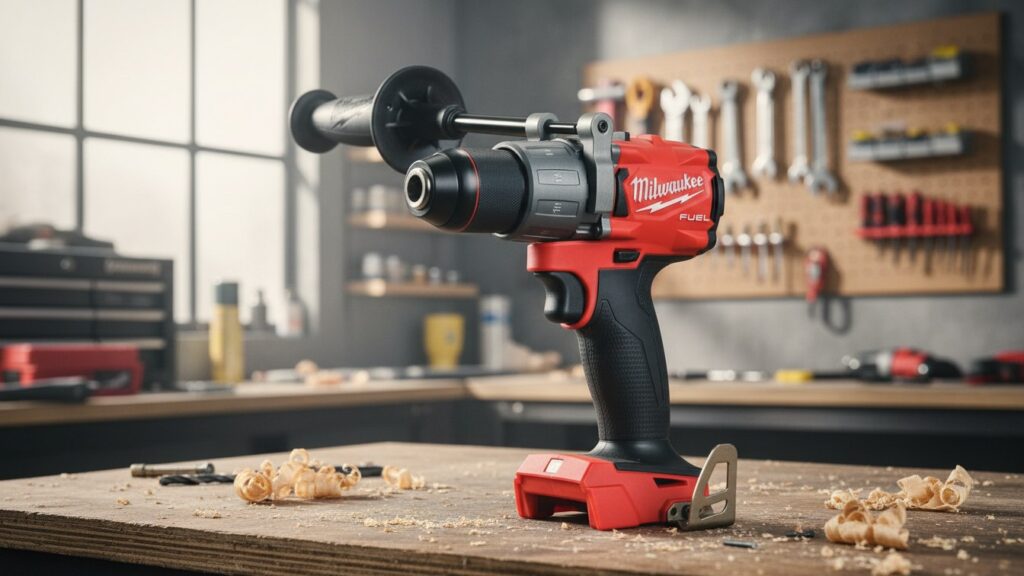
Quick Summary
The Milwaukee 2804-20 delivers elite drilling power with excellent low-speed control and a rugged, pro-grade feel. It’s ideal for renovation projects, deck builds, and frequent DIY use—especially when torque and reliability matter more than ultra-compact size.
9.3
Score
Best for: Serious DIY & light pro
Pros & Cons
Milwaukee 2804-20: what we liked (and what we didn’t)
A quick look at the biggest strengths and tradeoffs based on performance, handling, and everyday usability.
Pros
- Elite power: Excellent torque for big fasteners and demanding drilling tasks.
- Fast drilling: Strong speed in high gear for clean, quick holes in wood.
- Compact for its class: Short length helps in cabinets, between studs, and tight corners.
- Solid control: Good trigger feel and consistent speed under load.
- Pro-grade build: Durable feel with quality fit and finish.
Cons
- Premium price: Costs more than mid-tier drills with “good enough” performance.
- Overkill for light DIY: If you only hang shelves and assemble furniture, it’s more drill than you need.
- Heavier with big batteries: Power is best paired with larger packs, which adds weight.
- Not the quietest: Under heavy load, noise can be higher than compact, lower-power models.
Specs
Milwaukee 2804-20 key specifications
These are the core specs and practical details most buyers compare across top cordless drills.
| Spec | Milwaukee 2804-20 |
|---|---|
| Type | Cordless drill/driver (brushless) |
| Platform | M18 FUEL |
| Voltage | 18V (M18) |
| Speed | 2-speed: 0–550 / 0–2,000 RPM |
| Chuck | 1/2" metal ratcheting chuck |
| Torque | Up to 1,200 in-lbs (claimed) |
| Length | Approx. 6.9" (compact class) |
| Weight | Varies by battery; heavier with 5.0Ah+ packs |
| Clutch settings | Multiple settings for driving + drill mode |
| LED light | Yes (work light near trigger) |
| Included | Tool only (no battery/charger) |
| Best use | High-demand drilling + driving, remodel work, dense materials |
| Warranty | Milwaukee limited warranty (varies by region/product) |
Performance
How the Milwaukee 2804-20 performs
We evaluated drilling speed, torque delivery, handling, and overall usability across common homeowner and remodel scenarios to understand how this drill performs in real-world conditions.
Drilling Speed
Fast through framing lumber and plywood, especially in high gear with sharp bits.
Torque & Power
Excellent torque for large fasteners and hole saws, with minimal bogging under load.
Control & Handling
Compact body and solid grip make it easier to manage in tight spaces.
Balance & Comfort
Well balanced with a 5.0Ah battery; low fatigue during overhead work.
Noise & Vibration
Moderate noise levels with controlled vibration compared to similar high-power drills.
Overall Performance
Top-tier output for its size class—built for demanding drilling and driving.
Testing note: Performance observations are based on real-world drilling, driving, and handling scenarios using common construction materials and fasteners.
Build Quality
Build quality & durability
The Milwaukee 2804-20 feels purpose-built for jobsite use. The housing is rigid, the grip has enough texture to stay secure with dusty or gloved hands, and the overall balance favors stability over ultra-compact lightness.
Key contact points—chuck, gearbox housing, and battery interface—feel solid with minimal flex. The metal chuck holds bits confidently, and there’s no noticeable play during aggressive drilling. Over repeated use, this translates into fewer re-seats, less wobble, and more predictable hole alignment.
Cooling vents are well placed for sustained operation, and the drill doesn’t feel fragile when set down hard or moved between work areas. It’s not designed to be sleek—it’s designed to survive daily handling, tool bags, ladders, and jobsite movement.
Compared to lighter compact drills, the 2804-20 trades a bit of portability for a more planted feel. If durability and long-term reliability matter more than shaving ounces, this is exactly the type of construction you want.
Setup & Maintenance
Setup, daily use, and upkeep
The Milwaukee 2804-20 is straightforward to get dialed in—select your speed range, set the clutch for driving, and let the tool’s torque do the work. Most “setup” is really about matching the drill to the task so you get clean starts, fewer stripped screws, and better battery life.
Best setup for common tasks
- Driving screws (general DIY): Low speed, clutch engaged. Start with a mid-range clutch setting and increase only if the bit stalls.
- Long fasteners / lag screws: Low speed, clutch off (drill mode). Use steady pressure and pause briefly if the bit binds.
- Small drilling (pilot holes, hardware): High speed, light pressure. Let the bit cut—don’t force it.
- Larger holes (spade/auger/hole saw): Low speed, two-handed grip. Keep the drill square and expect more torque reaction.
What to do for smoother starts
- Use low speed when precision matters—clean pilots, straight starts, and more controlled screw seating.
- Feather the trigger for the first half-second, especially on glossy surfaces or metal.
- Step-drill pilots on dense lumber to reduce wandering and heat.
Maintenance (simple but important)
- Keep the chuck clean: Blow out dust periodically so bits seat fully and lock consistently.
- Wipe down vents: Clear debris so airflow stays open during longer drilling sessions.
- Battery contact care: If you see dust buildup, wipe battery rails and contacts with a dry cloth—don’t spray solvents.
- Bit discipline: Dull bits make any drill feel worse. Fresh bits reduce heat, binding, and battery drain.
Tip: If the drill is twisting hard in your hand on larger bits, drop to low speed, use a side handle if available, and keep your wrist straight. Control beats brute force—and it protects both the tool and the user.
Real-World Use
Where the Milwaukee 2804-20 fits best
On paper, the Milwaukee 2804-20 is a powerful cordless drill. In real projects, it shines most when steady torque, controlled starts, and long-term durability matter more than ultra-light weight.
Home renovation & remodeling
Ideal for framing repairs, cabinet installs, and deck work. The drill stays composed when boring larger holes and driving long fasteners, making it a dependable choice for multi-day renovation projects.
Serious DIY and garage builds
If you regularly build shelves, storage systems, or shop furniture, the 2804-20 delivers consistent results with less stalling and fewer stripped screws than lighter homeowner-grade drills.
Light professional use
For electricians, installers, and finish crews, this drill provides strong low-speed control and reliable daily performance—especially useful when paired with Milwaukee’s broader M18 platform.
Where it’s less ideal
If your priority is compact size for overhead work or tight spaces, a smaller drill may feel easier to handle. The 2804-20 favors power and stability over minimal footprint.
Value
Is the Milwaukee 2804-20 worth it?
The Milwaukee 2804-20 earns its keep when you actually use it like a high-performance drill—frequent projects, tougher materials, longer fasteners, and a need for consistent results. If you only drill occasional pilot holes and assemble furniture, you can spend less and be perfectly happy.
Price-to-performance takeaway
You’re paying for torque, control under load, and durability—plus the long-term benefit of being on the M18 platform. The best value shows up when you buy as a kit during promos (battery + charger included), or when you already own M18 batteries.
Tip: If you’re buying your first Milwaukee drill, compare the kit price vs. tool-only. Tool-only can look cheaper,
but the battery + charger cost usually flips the math unless you already own M18 packs.
FAQ
Milwaukee 2804-20 FAQ
Quick answers to the most common questions about the Milwaukee 2804-20—compatibility, use cases, and what to expect in real-world work.
Is the Milwaukee 2804-20 a brushless drill?
Yes. The 2804-20 is part of Milwaukee’s M18 FUEL lineup and uses a brushless motor system designed for higher efficiency, strong torque delivery, and better sustained performance under load.
Does the 2804-20 work with all M18 batteries?
Yes. It’s an M18 tool and is compatible with the broader M18 battery platform. For the best real-world performance (especially with larger bits and long fasteners), higher-capacity packs generally provide stronger sustained output.
Is the Milwaukee 2804-20 a hammer drill?
The 2804-20 is sold as a hammer drill/driver in most listings, meaning it can drill into masonry using a hammering action (for light-to-moderate concrete, block, and brick). For frequent or heavy masonry work, a dedicated rotary hammer is still the better tool.
Who is this drill best for?
It’s best for homeowners and pros who regularly do demanding drilling and driving—framing lumber, hole saws, larger fasteners, and repeat work where consistent power and speed matter more than having the lightest possible drill.
Is it overkill for basic DIY?
If your work is mostly light duty (furniture assembly, occasional small pilots, short screws), it can be more power than you need. The upside is you’ll rarely “hit the ceiling” on capability, especially as projects get bigger.
What should I look for when buying a kit vs tool-only?
Tool-only makes sense if you already own M18 batteries and a charger. If not, compare kit battery sizes and consider a higher-capacity pack if you plan to run larger bits, hole saws, or do long driving sessions where sustained power matters.
What are the most common downsides?
The most common tradeoffs are weight and bulk versus ultra-compact drills, plus paying a premium compared to older-gen or entry-level models. If compact handling is your priority, a newer compact drill/driver may feel better day-to-day.
Alternatives
Best alternatives to the Milwaukee 2804-20
If you like the Milwaukee 2804-20’s power but want a different tradeoff—lighter weight, lower price, or a newer-gen compact—these are the most relevant alternatives to consider.
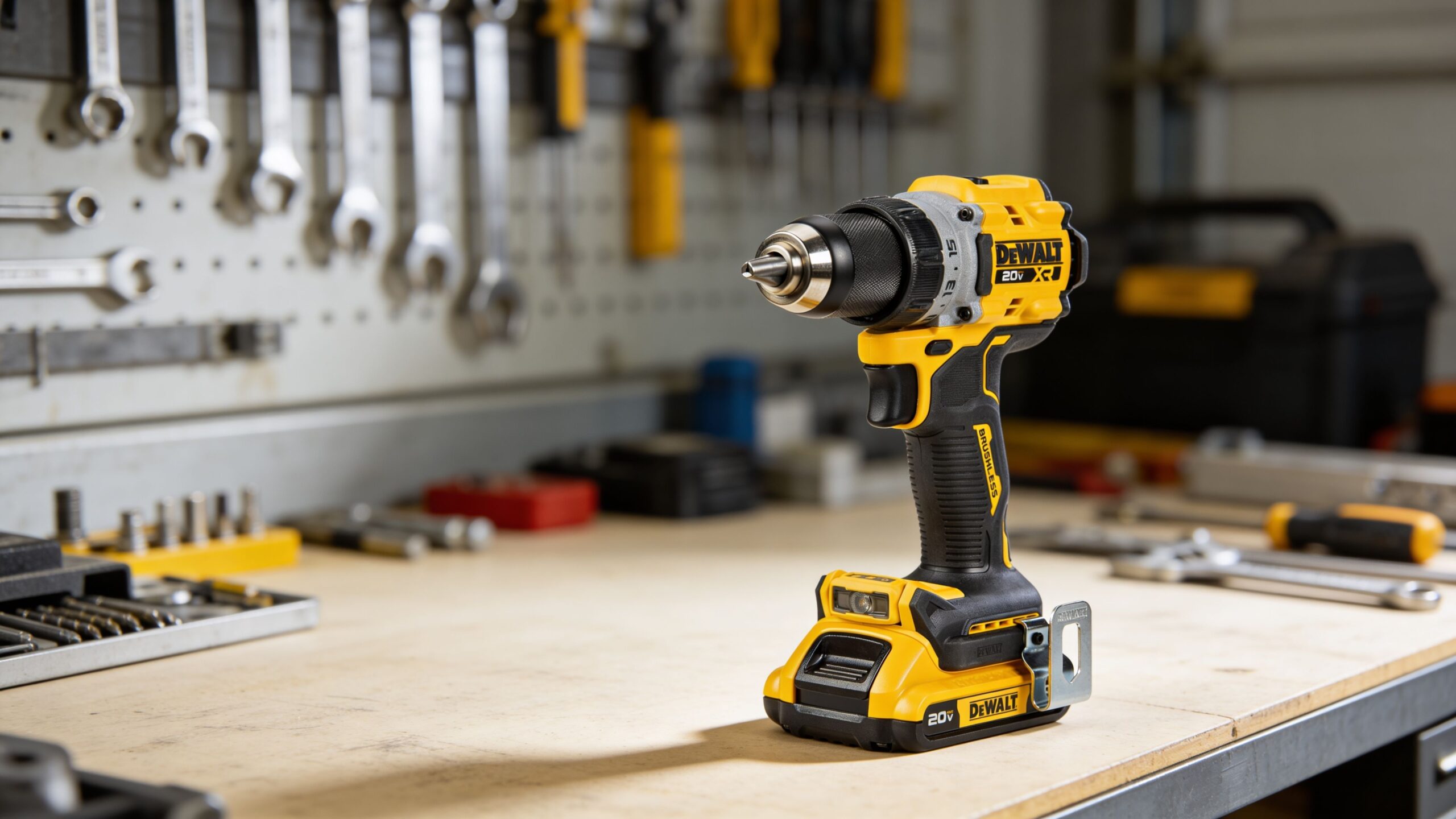
DeWalt DCD791 (20V MAX XR)
Best value kit
A strong all-around compact drill with excellent ergonomics and broad availability—often a better value when kits are on sale.
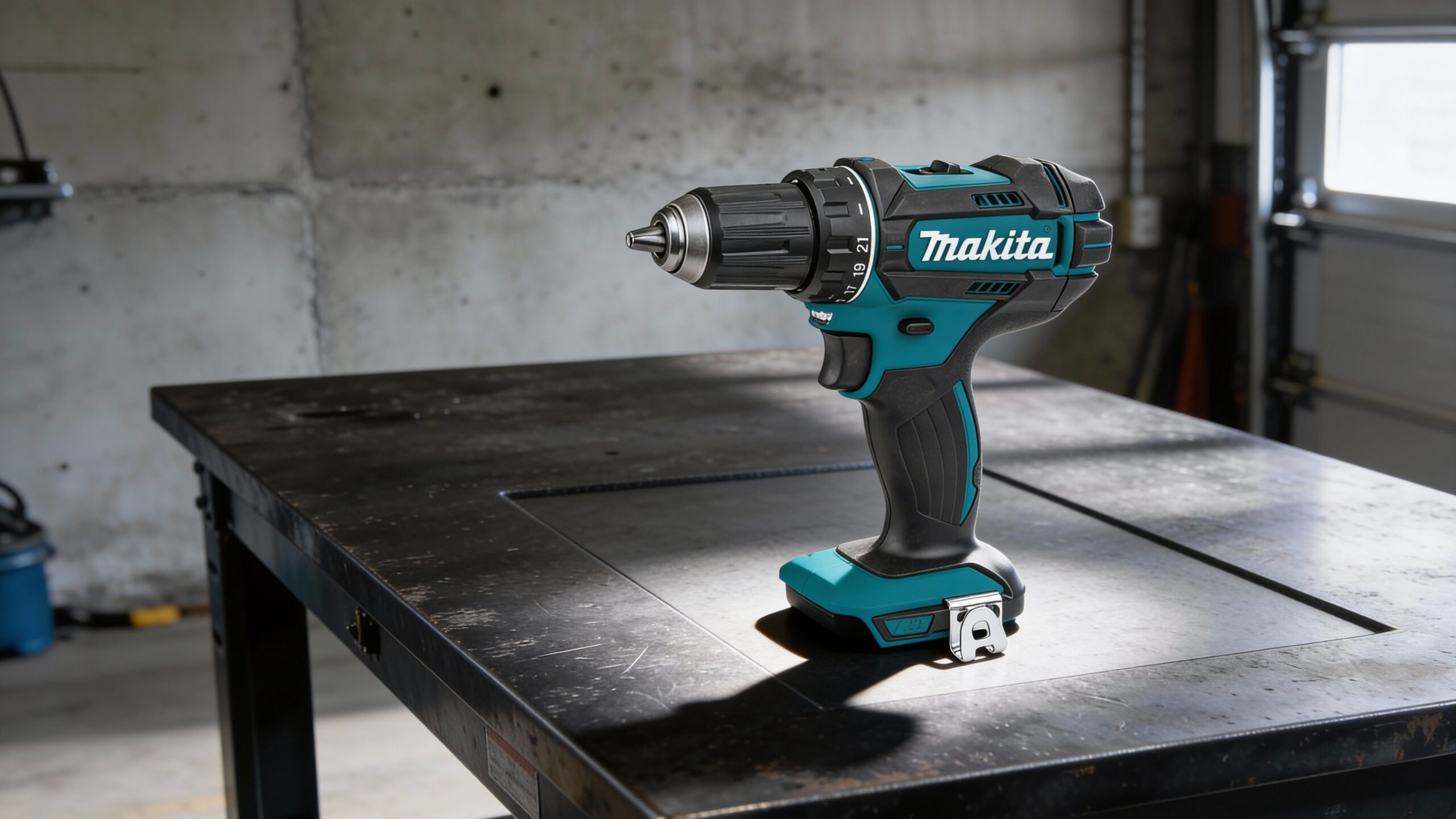
Makita XFD131 (18V LXT)
Smoothest control
A reliable, smooth-running compact drill with great control—ideal if you prefer lighter handling and a proven platform.
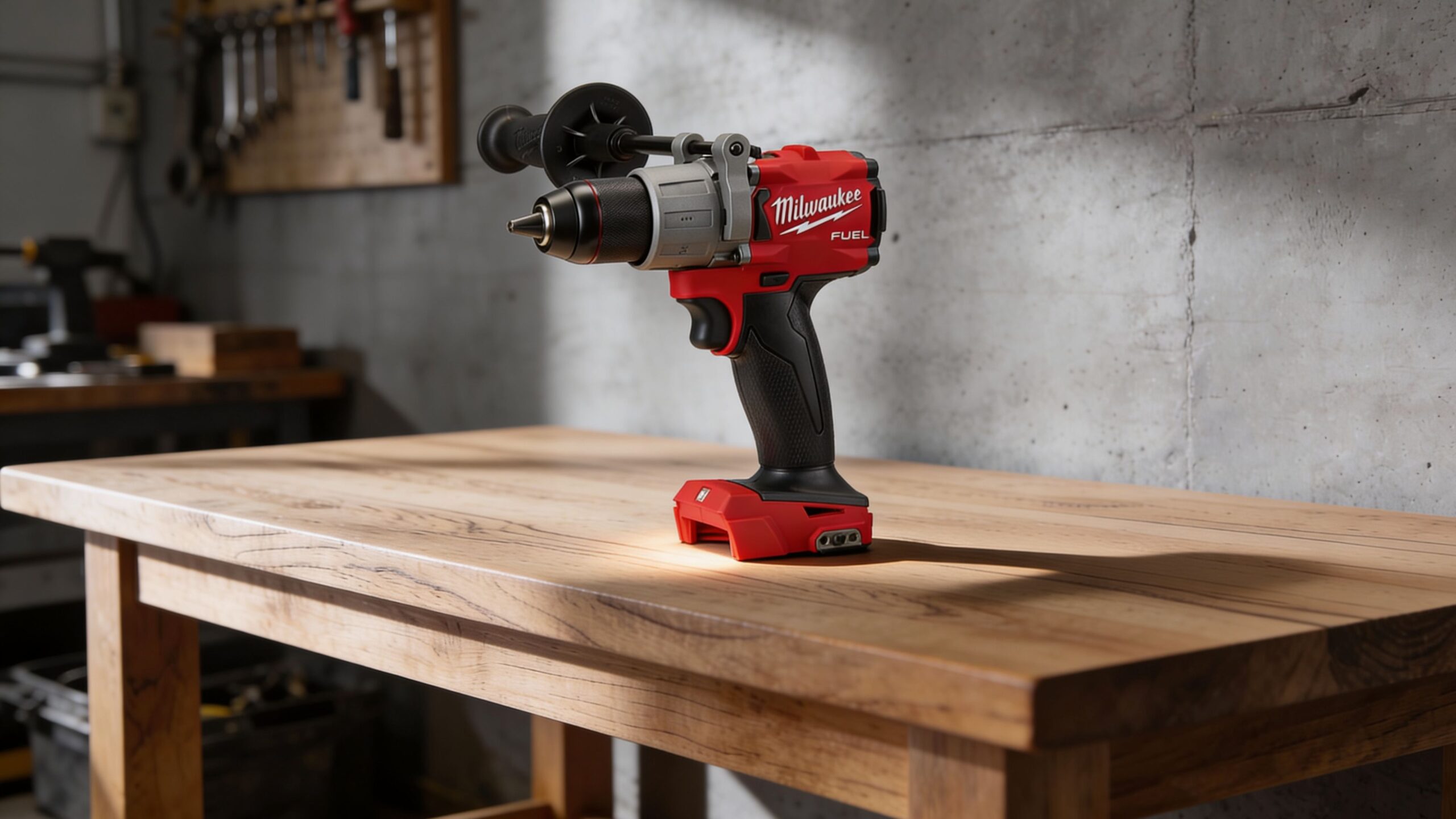
Milwaukee 2903-20 (M18 FUEL, newer compact)
Newer compact
If you want to stay in M18 but prioritize compactness and current-gen design, this is the closest “same-platform” alternative.
Sources
Sources & reference notes
Specifications and platform details referenced in this review were verified using manufacturer documentation and current product listings. Where configurations vary by kit, we note differences directly in the article.
- Milwaukee Tool — M18 FUEL drill/driver product documentation and published specifications for the Milwaukee 2804-20.
- M18 battery platform compatibility information for tool-only and kit configurations.
- Retail product listings used to confirm current naming, SKU variations, and bundled accessories.
Where to Buy
Milwaukee 2804-20
M18 FUEL Drill/Driver
Typical price range: $149–$249
Pricing varies by retailer and kit configuration.
Check Current PriceReview Snapshot
Milwaukee 2804-20
9.3
Excellent power + durability
Best for frequent drilling/driving where torque and reliability matter more than compact size.
- Performance: Strong under load for larger bits and long fasteners
- Handling: Solid balance, but not the lightest compact option
- Value: Best when paired with M18 batteries you already own
Top 10 List
See the best cordless drills right now
Want the full picture? Our Top 10 breaks down the best cordless drills by performance, value, and real-world use.
View the Top 10Compare Models
Compare this drill head-to-head
See how the Milwaukee 2804-20 stacks up against other top cordless drills across power, handling, and value.
View ComparisonsAccessories You’ll Want
- Quality drill/driver bit set (Phillips, Torx, square, plus spares of your most-used sizes)
- Bradboint and twist drill bit assortment (clean pilots in wood, plus common sizes for anchors and hardware)
- Extra battery pack (one compact for balance + one higher-capacity for longer sessions)
- Right-angle attachment (helps reach inside cabinets, between studs, and tight corners without fighting the drill body)
- Magnetic bit holder (speeds up repetitive driving and reduces dropped bits on ladders or overhead work)
Tip: Batteries, chargers, and bit compatibility shape the long-term experience—pick a platform that matches your typical jobs and the tools you’re likely to add later.