
The Milwaukee 2804-20 targets professionals who need compact power without sacrificing drilling or driving performance. In this review, we examine real-world jobsite results, key strengths, and practical drawbacks, comparing it against similar hammer drills to clarify where it excels, where it compromises, and who it ultimately makes sense for.
Milwaukee 2804-20 Hammer Drill Review: Performance, Pros, and Cons
By: Review Streets Research Lab
Updated: April 2, 2026
Approx. 8–10 min read
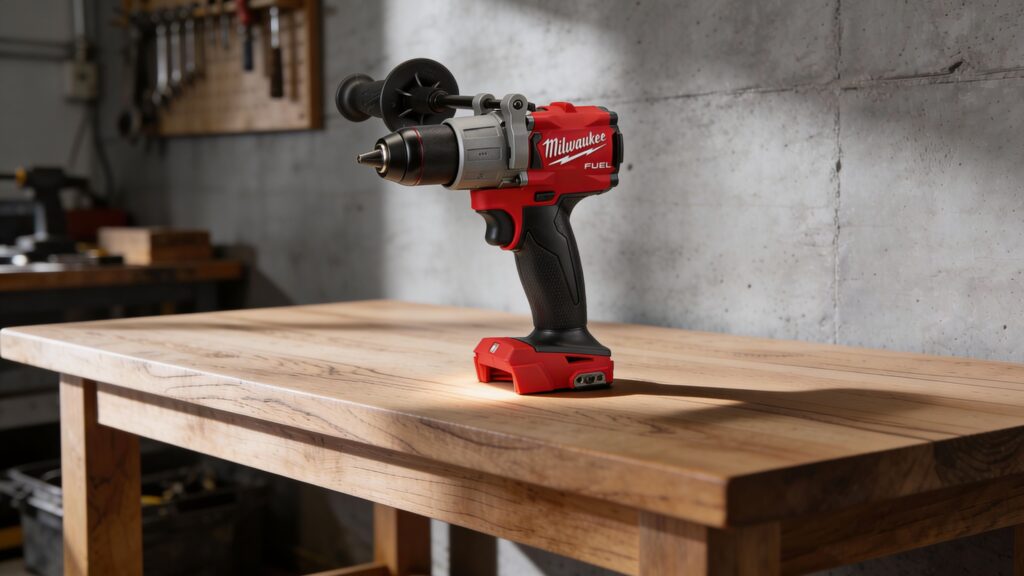
Quick Summary
The Milwaukee 2804-20 is a high-output hammer drill built for demanding drilling and driving where consistent results matter. It feels confident under load with steady control in slower work, making it a strong fit for remodeling, framing repairs, and frequent jobsite tasks. The main tradeoff is that it prioritizes power and durability over a lighter, more compact feel in tight spaces.
8.8
Score
Best for: Daily jobsite use
Pros & Cons
Milwaukee 2804-20: what we liked (and what we didn’t)
A quick look at the biggest strengths and tradeoffs based on performance, handling, and everyday usability.
Pros
- Strong Under Load: Stays composed in tougher drilling and driving so you spend less time backing off and resetting.
- Confident Hammering: Feels effective for occasional masonry work when you need a hammer drill rather than a basic driver.
- Good Control: Predictable trigger response helps with cleaner starts and fewer stripped screws in finish work.
- Jobsite Handling: Balanced enough for repetitive tasks, with a secure grip that supports longer sessions.
- Durability Feel: Gives a rugged, work-ready impression that inspires confidence for regular, demanding use.
Cons
- Price Pressure: You pay for the output and build, which can be hard to justify if you only drill occasionally.
- Bulky In Tight Spots: The tool’s class and capability can feel less convenient in cabinets, corners, and overhead work.
- Weight With Packs: Feels noticeably heavier with the batteries that best match its performance, which can add fatigue over time.
- More Vibration: Hammer mode can feel harsher in the hands, making comfort a factor during repeated masonry tasks.
Specs
Milwaukee 2804-20 key specifications
These are the core specs and practical details most buyers compare across top cordless hammer drills.
| Spec | Milwaukee 2804-20 |
|---|---|
| Type | Cordless hammer drill/driver (brushless) |
| Platform | M18 FUEL |
| Voltage | 18V (M18) |
| Speed | 2-speed: 0–550 / 0–2,000 RPM |
| Chuck | 1/2" metal ratcheting chuck |
| Torque | Up to 1,200 in-lbs (manufacturer-rated) |
| Length | Approx. 6.9" (compact for its power class) |
| Weight | Varies by battery; noticeably heavier with 5.0Ah+ packs |
| Clutch settings | Multiple drive settings plus drill and hammer modes |
| LED light | Yes (integrated work light near trigger) |
| Included | Tool only (battery and charger sold separately) |
| Best use | Heavy-duty drilling and driving, remodeling, light masonry tasks |
| Warranty | Milwaukee limited warranty (terms vary by region and product) |
Performance
How the Milwaukee 2804-20 performs
We evaluated drilling speed, power delivery, control, and comfort across typical remodeling and homeowner tasks—from repetitive pilot holes and driving structural screws to occasional hammer-drilling—so you can understand how it behaves in real working conditions.
Drilling Speed
Moves quickly through common lumber and sheet goods with clean starts, keeping a steady pace when you’re drilling hole after hole.
Torque & Power
Has the muscle for bigger fasteners and tougher boring, staying composed instead of stalling when the bit loads up.
Control & Handling
Trigger response feels predictable, making it easier to start accurately and keep screws from walking or overdriving during finish work.
Balance & Comfort
Comfort is solid for its capability, but it can feel front-heavy in tight or overhead work—especially with larger batteries.
Noise & Vibration
Noise and vibration are typical for a high-output hammer drill, with a noticeable uptick in hammer mode compared with lighter-duty models.
Overall Performance
A strong all-around performer that prioritizes power and jobsite consistency, with manageable tradeoffs in weight and refinement.
Testing note: Performance observations are based on practical drilling, driving, and handling use in common project materials, with attention to control, comfort, and consistency over repeated tasks.
Build Quality
Build quality & durability
The Milwaukee 2804-20 comes across as a work-focused tool with a rigid housing and a grip that stays secure with dusty or gloved hands. In use, it feels stable and confidence-inspiring, prioritizing a planted, controlled feel over ultra-light portability.
Key contact points—chuck, front housing, and battery interface—feel tight and well-fitted with minimal flex. The chuck holds bits securely without feeling finicky, and the controls have a deliberate, positive action that supports more consistent placement and fewer mid-task adjustments.
In everyday handling, it feels like the kind of drill you can set down, move around, and transport without needing to baby it. It manages heat in a typical work cadence without feeling overly sensitive, and the overall fit and finish suggests it’s built for repeated jobsite routines rather than occasional household use.
The tradeoff is that this rugged, high-output build can feel bulkier than compact drills during tight, overhead, or all-day carry work. If you value durability signals and long-term ownership confidence more than a lighter, slimmer footprint, the construction approach here makes sense.
Setup & Maintenance
Setup, daily use, and upkeep
The Milwaukee 2804-20 is straightforward to dial in—select the appropriate speed range, use the clutch for controlled driving, and switch to drill or hammer mode when the material demands it. Most setup comes down to matching power and control to the task so you get cleaner starts, fewer stalls, and more consistent results across a project.
Best setup for common tasks
- Driving Screws: Low speed with the clutch engaged. Begin at a moderate clutch setting and increase only if the fastener stops short.
- Long Fasteners: Low speed in drill mode. Apply steady pressure and back off briefly if the screw starts to bind.
- General Drilling: High speed with light, even pressure. Let the bit do the cutting to keep holes clean and centered.
- Masonry Holes: Hammer mode at a controlled pace. Keep the drill square and clear dust by pulling the bit out every few seconds.
What to do for smoother starts
- Start In Low: Use the lower speed range for precise starts on hardware, metal, or slick surfaces.
- Feather The Trigger: Ease into rotation during the first second to prevent bit walk and early stripping.
- Mark Your Point: Use a punch, nail set, or small pilot hole to give the bit a seat before accelerating.
Maintenance (simple but important)
- Chuck Cleanliness: Brush or blow out debris so bits seat fully and clamp securely.
- Vent Care: Keep airflow openings clear to avoid heat buildup during longer drilling sessions.
- Battery Contact Check: Wipe rails and contacts with a dry cloth if dust accumulates; avoid oils or sprays.
- Use Sharp Bits: Replace or sharpen when cutting slows—dull bits increase heat, binding, and battery drain.
Tip: For larger bits or tougher materials, use two hands, brace your stance, and work at a controlled speed. This improves accuracy, reduces wrist strain, and helps prevent sudden bind-ups that can throw off your hole start.
Real-World Use
Where the Milwaukee 2804-20 fits best
On paper, the Milwaukee 2804-20 is a high-output hammer drill. In everyday projects, it stands out most when consistent power, steady control, and durability matter more than keeping things ultra-light or compact.
Home renovation & remodeling
Well suited for framing repairs, mounting cabinets, and deck construction. It handles larger holes and longer fasteners with confidence, helping keep workflow moving during multi-step renovation jobs.
Serious DIY and garage builds
For projects like shelving, workbenches, and storage systems, the drill delivers predictable starts and strong driving feel, reducing stalls and rework compared with lighter-duty household models.
Light professional use
A practical option for installers and remodel crews who need dependable daily performance, especially when switching between drilling, driving, and occasional masonry tasks within the M18 ecosystem.
Where it’s less ideal
If most of your work happens overhead or in tight cabinets and corners, a smaller, lighter drill may feel easier to manage. The 2804-20 leans toward power and stability rather than a minimal footprint.
Value
Is the Milwaukee 2804-20 worth it?
The Milwaukee 2804-20 makes the most sense for users who regularly tackle demanding projects—dense materials, long fasteners, and repeat drilling where consistency matters. For lighter, occasional tasks, less powerful drills can cover the basics at a lower upfront cost.
Price-to-performance takeaway
What you’re really paying for is dependable power, controlled operation, and a rugged build that holds up over time, along with access to the broader M18 ecosystem. Value improves if you already own compatible batteries or find it bundled in a kit, while casual users may not fully benefit from its higher performance ceiling.
Tip: If this is your first M18 tool, compare kit and tool-only options carefully—kits often cost more upfront but save money once you factor in batteries and a charger. If you already own M18 packs, tool-only is usually the smarter buy.
FAQ
Milwaukee 2804-20 FAQ
Quick answers to the most common questions about the Milwaukee 2804-20—compatibility, everyday use, and what to expect on real projects.
Is the Milwaukee 2804-20 a brushless drill?
Yes. The 2804-20 is part of Milwaukee’s M18 FUEL lineup and uses a brushless motor system designed for efficient power delivery and better sustained performance during demanding tasks.
Does the 2804-20 work with all M18 batteries?
Yes. It’s compatible with Milwaukee’s full M18 battery platform. Higher-capacity packs typically provide better runtime and steadier output when driving long fasteners or drilling larger holes.
Is the Milwaukee 2804-20 a hammer drill?
Yes. It’s a hammer drill/driver, meaning it can handle light-to-moderate masonry in brick, block, and concrete. For frequent or heavy concrete work, a rotary hammer is still the better choice.
Who is this drill best for?
It’s well suited for remodel projects, serious DIY builds, and light professional work where reliable power and control matter more than having the smallest or lightest drill.
Is it overkill for basic DIY?
For simple tasks like furniture assembly or occasional small holes, it may be more capability than you need. The benefit is having plenty of headroom as projects become more demanding.
What should I look for when buying a kit vs tool-only?
Tool-only makes sense if you already own M18 batteries and a charger. If not, kits can offer better overall value—especially when paired with higher-capacity batteries for tougher jobs.
What are the most common downsides?
The main tradeoffs are added weight and bulk compared with compact drills, along with a higher price than entry-level models. If tight-space work is your priority, a smaller drill may feel easier day to day.
Alternatives
Best alternatives to the Milwaukee 2804-20
If the Milwaukee 2804-20 feels close but not perfect, these options cover the most common tradeoffs—better value, lighter handling, or staying within the M18 ecosystem with a newer compact design.
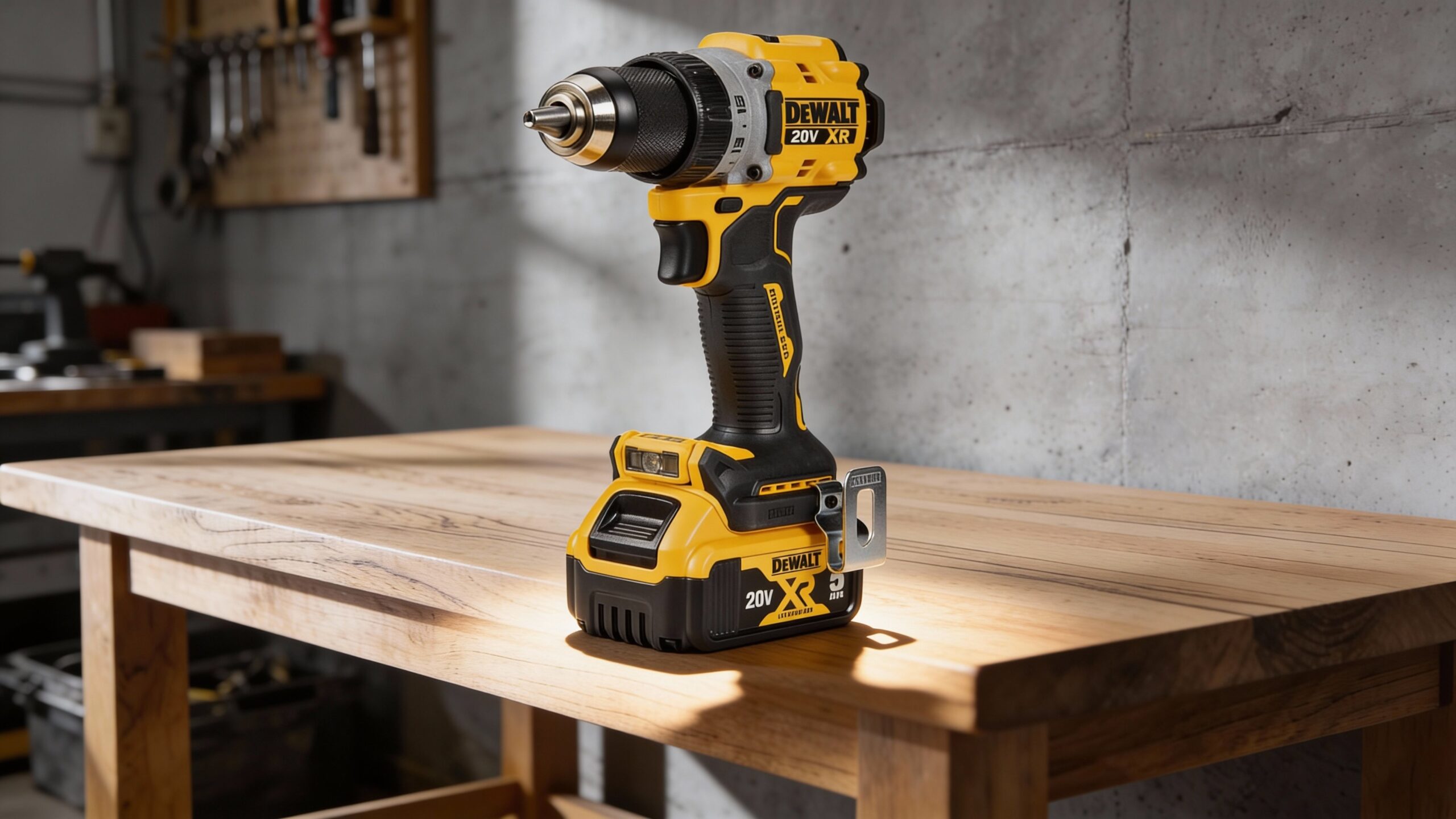
DeWalt DCD791 (20V MAX XR)
Best Value
A compact, well-balanced drill that’s often easier to find in affordable kits. Choose this if you want dependable everyday performance with lighter handling and stronger value bundles.
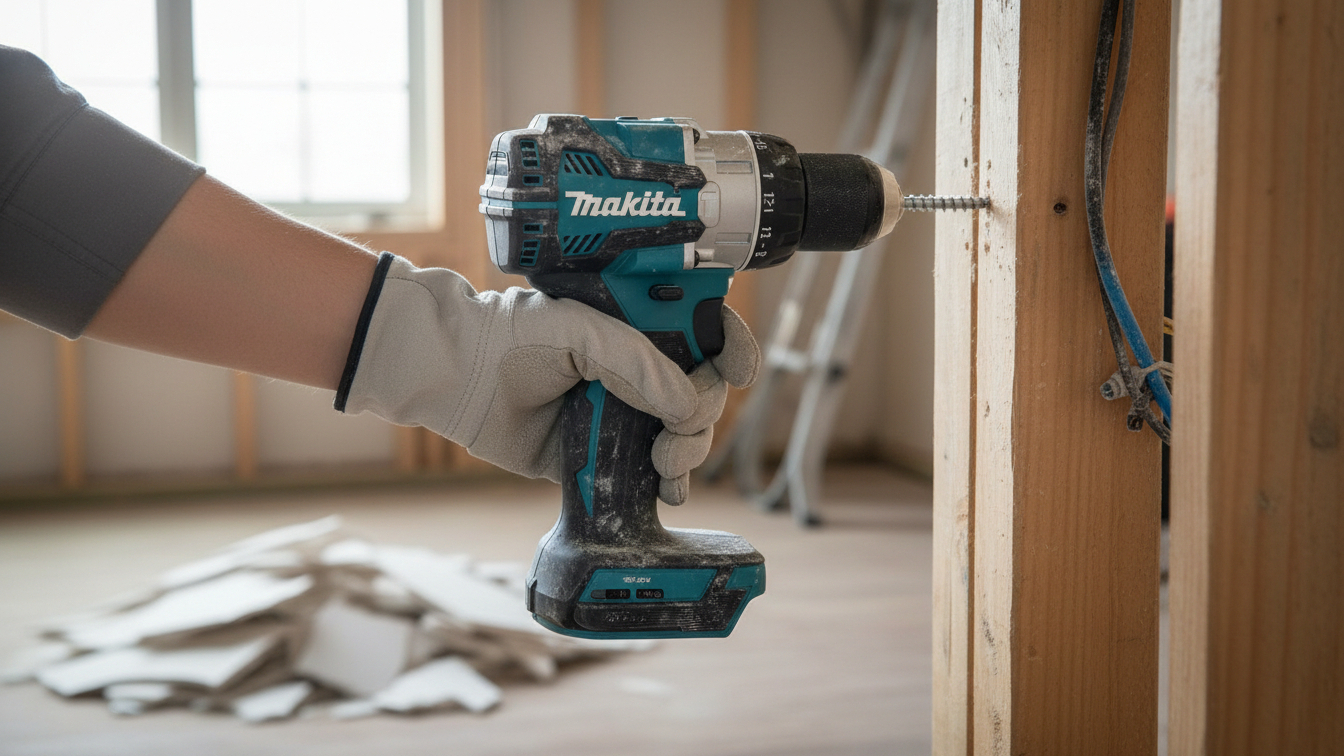
Makita XFD131 (18V LXT)
Smooth Control
Known for lighter feel and predictable trigger response, this is a good fit if you prefer smoother handling for repeated drilling and driving over maximum raw output.
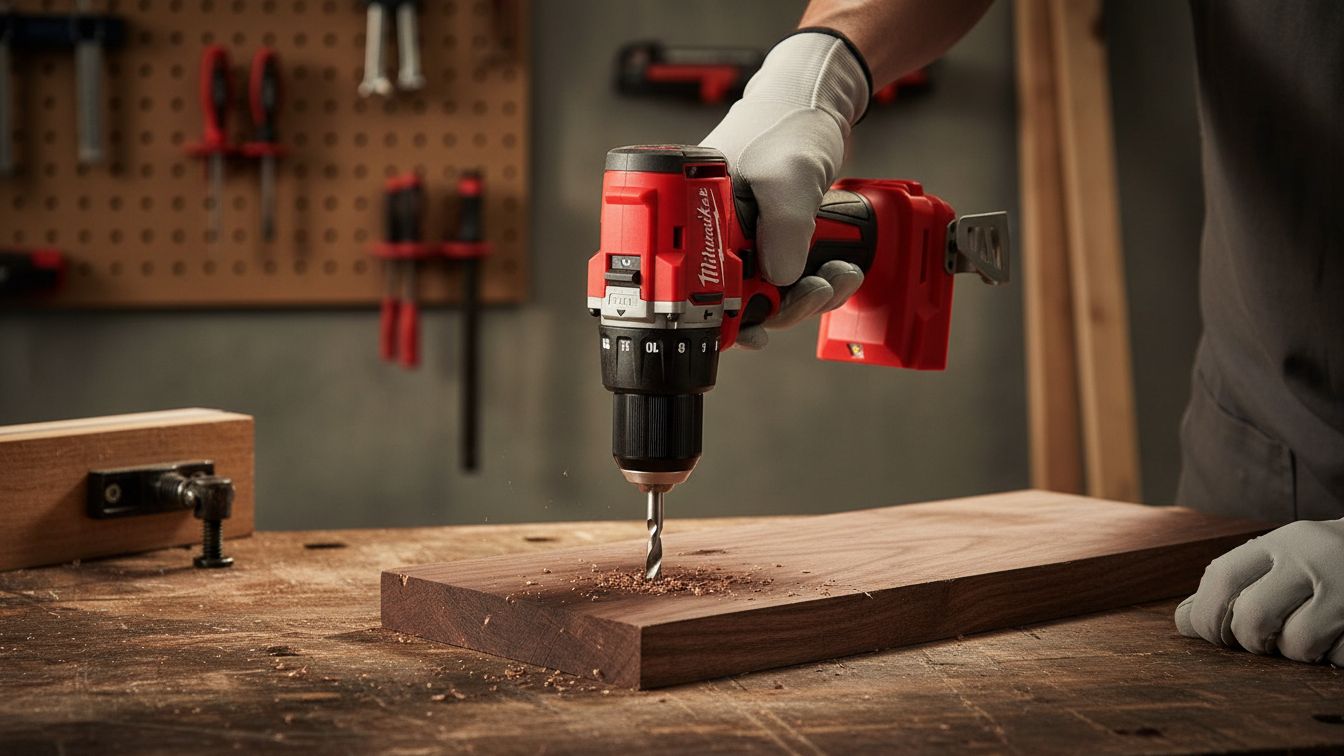
Milwaukee 2903-20 (M18 FUEL, newer compact)
Newer Compact
A closer match if you want to stay on M18 but prefer a more compact, current-generation design that trades some brute strength for easier maneuvering in tight spaces.
Sources
Sources & reference notes
Specifications, compatibility notes, and configuration details referenced in this review were verified using publicly available manufacturer information and current product listings. Where kits and tool-only versions differ, those differences are called out within the article context.
- Milwaukee Tool — published product documentation and specifications for the Milwaukee 2804-20 hammer drill/driver.
- Milwaukee M18 platform and battery compatibility references relevant to tool-only and kit configurations.
- Current retail listings used to confirm naming conventions, SKU variations, and typical bundled accessories.
Where to Buy
Milwaukee 2804-20
M18 FUEL Hammer Drill/Driver
Typical price range: $149–$299
Pricing varies by retailer and configuration (tool-only vs kit with battery/charger).
Check Current PriceReview Snapshot
Milwaukee 2804-20
8.8
High-output, jobsite-ready
Best for frequent drilling/driving and occasional masonry work, with the main tradeoff being extra weight and bulk versus compact drills.
- Performance: Keeps pace in tougher drilling and driving without constant backing off
- Handling: Controlled starts and steady feel, but can fatigue in tight or overhead work
- Value: Makes most sense if you use it often and already own M18 batteries
Top 10 List
See the best hammer drills right now
Want the full picture? Our Top 10 breaks down the best hammer drills by real-world performance, handling, and long-term value.
View the Top 10Compare Models
Compare this drill head-to-head
See how the Milwaukee 2804-20 compares with other hammer drills across real-world power, handling, and overall value.
View ComparisonsAccessories You’ll Want
- Quality drill/driver bit set (includes common fastener types plus duplicates of your most-used sizes to avoid mid-job swaps)
- Masonry bit set (makes hammer mode more effective in brick, block, and light concrete without burning through standard bits)
- Extra battery pack (a compact pack for balance and a higher-capacity pack for longer, tougher drilling and driving sessions)
- Right-angle attachment (helps in cabinets, between studs, and tight corners where a full-size hammer drill feels bulky)
- Magnetic bit holder (speeds repetitive driving and reduces dropped bits when working on ladders or overhead)
Tip: Most frustration comes from mismatched accessories—use the right bit type for the material, and if you’re buying tool-only, plan battery and charger compatibility early so your setup stays consistent across future tools.