
The Milwaukee 2831-20 track saw is evaluated here through real-world cutting performance, accuracy, and jobsite usability. This review focuses on how it compares in feel, control, and consistency, highlighting where it stands out and where compromises appear so you can judge its fit within different workflows and precision demands.
Milwaukee 2831-20 Track Saw Review: Performance, Pros, and Cons
By: Review Streets Research Lab
Updated: April 2, 2026
Approx. 8–10 min read
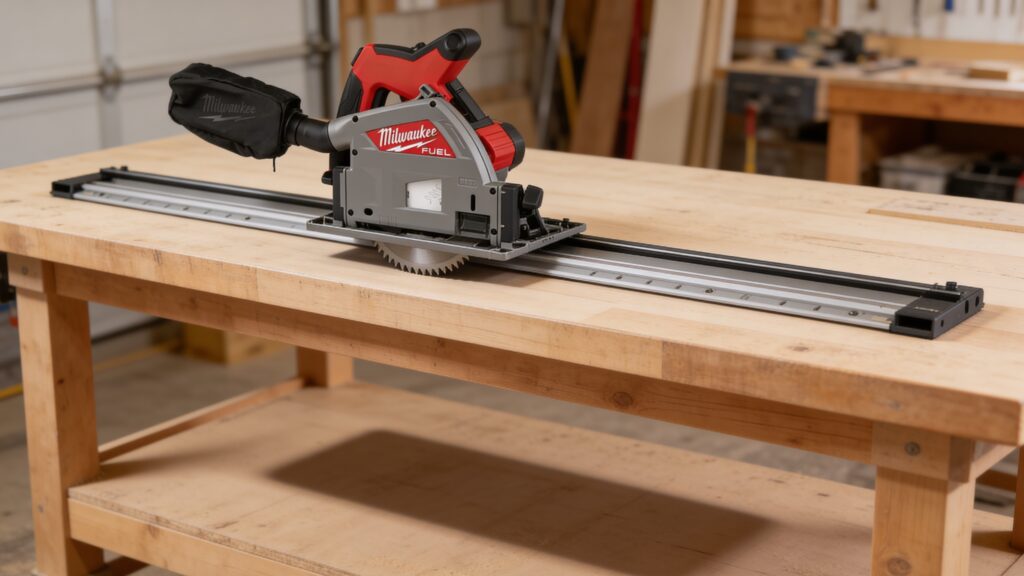
Quick Summary
The Milwaukee 2831-20 track saw delivers a controlled, confidence-inspiring cutting experience with the cordless flexibility expected on active jobsites. It feels well suited to finish work, sheet goods, and repeatable precision cuts where mobility matters, though buyers may still weigh its price and system commitment against how often that convenience will meaningfully improve workflow.
8.9
Score
Best for: Precision jobsite cuts
Pros & Cons
Milwaukee 2831-20: what we liked (and what we didn’t)
A quick look at the biggest strengths and tradeoffs based on performance, handling, and everyday usability.
Pros
- Clean Tracking: Feels composed through long guided cuts, helping maintain straighter, more confidence-inspiring results.
- Cordless Freedom: Easier to move around sheet goods and busy work areas without managing a trailing cord.
- Strong Cut Control: Startup and plunge feel predictable, which helps reduce hesitation and improves cut placement.
- Jobsite Fit: Well suited to cabinet parts, trim panels, and breakdown work where portability matters.
- Professional Feel: Build quality and overall execution give it a durable, work-ready impression.
Cons
- Premium Cost: The convenience and finish level may be hard to justify for occasional use.
- System Commitment: Best value comes when it fits an existing battery and rail setup rather than starting from scratch.
- Bulkier Setup: Battery-equipped use can feel less nimble than simpler corded options during longer sessions.
- Learning Curve: Getting the most from plunge cutting and guided setups takes some adjustment if this category is new.
Specs
Milwaukee 2831-20 key specifications
These are the core specs and practical details most buyers compare across top track saws.
| Spec | Milwaukee 2831-20 |
|---|---|
| Type | Cordless plunge track saw (brushless) |
| Platform | M18 FUEL |
| Voltage | 18V (M18) |
| Speed | Variable speed, 2,500–5,600 RPM |
| Chuck | 20mm arbor |
| Torque | Not typically listed for this category; cutting power is motor- and blade-driven |
| Length | Compact track-saw footprint; exact overall length not commonly emphasized |
| Weight | Approx. 9.8 lbs bare; heavier with battery installed |
| Clutch settings | Not applicable; plunge depth and bevel adjustments instead |
| LED light | No dedicated work light listed |
| Included | Tool only; typically includes blade, dust bag, and splinter guard |
| Best use | Sheet goods, finish cuts, plunge cuts, and portable precision jobsite work |
| Warranty | Milwaukee limited warranty, typically 5 years |
Performance
How the Milwaukee 2831-20 performs
We evaluated cutting consistency, plunge control, handling, and overall usability across common sheet goods, trim panels, and finish-oriented jobsite tasks to understand how this track saw performs in real-world conditions.
Cutting Consistency
Delivers clean, repeatable guided cuts with a steady feel that supports accurate breakdown work.
Power Under Load
Maintains good cutting confidence through common sheet materials without feeling strained in normal use.
Control & Handling
Plunge action and overall saw movement feel composed, making line placement easier to trust.
Balance & Comfort
Comfort is solid for repeated cuts, though battery-equipped use can feel a bit heavier over longer sessions.
Noise & Dust Control
Noise is typical for the category, and overall workflow stays cleaner when paired with proper dust collection.
Overall Performance
A strong, professional-feeling track saw that combines portability and precision with few practical compromises.
Testing note: Performance observations are based on real-world cutting, plunge use, and handling scenarios across common panel materials and repeat-use jobsite tasks.
Build Quality
Build quality & durability
The Milwaukee 2831-20 feels purpose-built for demanding cutting work. The housing comes across as rigid and well assembled, and the overall saw gives a planted, confidence-inspiring impression that suits guided precision work better than ultra-light portability.
Key contact points—handles, adjustment controls, plunge mechanism, and battery connection—feel solid with good resistance and no loose, fragile sensation. That matters in daily use because consistent interfaces make setup feel more repeatable and reduce the small annoyances that can chip away at cutting confidence.
In normal transport, setup, and jobsite movement, the saw presents the kind of durability cues buyers look for in a professional cordless platform. It feels able to handle routine handling, storage, and repeated use without needing to be babied, and nothing about the overall execution suggests a delicate tool.
That sturdier feel does come with some tradeoff in overall bulk compared with lighter-duty alternatives. For users who value mobility above all else, it may feel more substantial than necessary, but for buyers prioritizing alignment, control, and ownership confidence, that added solidity makes practical sense.
Setup & Maintenance
Setup, daily use, and upkeep
The Milwaukee 2831-20 is straightforward to set up—most adjustments come down to dialing in depth, aligning the track, and matching blade speed to the material. With a proper setup, it delivers cleaner cuts, better edge quality, and more consistent tracking across repeated passes.
Best setup for common tasks
- Sheet Goods: Use a track with a clean splinter guard and moderate speed. Keep steady forward pressure for smooth, chip-free edges.
- Finish Cuts: Slower feed rate with a sharp blade. Let the saw glide without forcing it to maintain edge quality.
- Plunge Cuts: Set depth precisely and start with controlled downward pressure. Ease into the material to avoid sudden grab.
- Thicker Material: Higher speed with consistent feed. Avoid pushing too fast to prevent strain and rough cut lines.
What to do for smoother starts
- Check Track Alignment: Confirm the rail is fully seated and stable before starting to prevent drift in the first inches.
- Controlled Plunge: Lower the blade gradually rather than dropping in quickly to keep the cut line clean.
- Steady Feed Rate: Maintain even forward motion from the start to avoid hesitation marks or uneven edges.
Maintenance (simple but important)
- Track Cleanliness: Keep rails free of dust and debris so the saw glides smoothly without binding.
- Blade Condition: Use a sharp, clean blade to maintain cut quality and reduce strain on the motor.
- Dust Port Care: Clear buildup around the dust port to keep airflow effective during longer cuts.
- Battery Contacts: Wipe contacts occasionally to ensure consistent power delivery and avoid connection issues.
Tip: Use both hands to guide the saw and keep steady pressure against the track. Let the blade do the work at a controlled pace to improve accuracy and reduce the chance of binding or wandering.
Real-World Use
Where the Milwaukee 2831-20 fits best
On paper, the Milwaukee 2831-20 is a cordless track saw built for precision. In real projects, it stands out where clean edges, repeatable cuts, and controlled plunge action matter more than raw speed or minimal setup.
Cabinet and finish work
Well suited for cutting panels, trimming doors, and dialing in precise fits. The guided cutting approach helps maintain straight, clean edges, which is especially useful when accuracy and surface finish are critical.
Breaking down sheet goods
A practical choice for cutting plywood and large panels without moving them to a table saw. The cordless setup improves mobility, and the track system helps keep cuts consistent across multiple pieces.
On-site installation work
Fits well into jobsite workflows where space is limited and portability matters. It allows for accurate adjustments and repeat cuts without relying on stationary equipment, helping maintain workflow efficiency during installs.
Where it’s less ideal
For quick, rough cuts or situations where speed matters more than precision, a standard circular saw may feel faster and simpler. The added setup of rails and alignment can slow things down for basic, non-finish work.
Value
Is the Milwaukee 2831-20 worth it?
The Milwaukee 2831-20 makes the most sense when precision cutting and workflow efficiency are part of regular projects. If you’re breaking down sheet goods often, doing finish work, or need consistent, repeatable results on site, the added control and cordless flexibility become meaningful. For occasional or rough-cut use, simpler and less expensive options may cover the basics without the added setup.
Price-to-performance takeaway
You’re paying for clean, guided cutting performance, controlled plunge action, and the convenience of a cordless system that integrates with the M18 platform. The value improves when it fits into an existing battery setup or when purchased as part of a kit, since rails, batteries, and accessories can add up when starting from scratch.
Tip: If you don’t already own compatible batteries or rails, compare complete kit options against tool-only pricing. The full system cost can change the overall value depending on how often you’ll use it.
FAQ
Milwaukee 2831-20 FAQ
Quick answers to the most common questions about the Milwaukee 2831-20—compatibility, use cases, and what to expect in real-world work.
Is the Milwaukee 2831-20 a cordless track saw?
Yes. The 2831-20 is a cordless track saw designed for guided, precision cutting and plunge-style operation on sheet goods, panels, and finish-oriented materials.
Does the 2831-20 work with M18 batteries?
Yes. It uses Milwaukee’s M18 battery platform, which makes it more convenient for buyers already invested in that system. Battery size can also affect overall balance and runtime in daily use.
Is this saw good for plywood and sheet goods?
Yes. That is one of its most practical use cases. It is especially useful when you want straighter, cleaner cuts without moving large panels to a stationary saw.
Who is this track saw best for?
It fits best where precision, portability, and repeatable guided cuts matter—such as cabinet work, panel breakdown, finish carpentry, and installation tasks where clean results are a priority.
Is it overkill for occasional use?
It can be. If cutting needs are occasional, rough, or mostly non-finish work, a standard circular saw may feel simpler and more cost-effective for the job.
What should I consider with tool-only vs full setup?
Tool-only makes the most sense if you already own compatible batteries and plan to add it into an existing system. Starting from scratch can raise the total cost once rails, batteries, and accessories are factored in.
What are the most common downsides?
The main tradeoffs are system cost, added setup compared with a regular circular saw, and a more specialized workflow that makes the most sense when precision matters often enough to justify it.
Alternatives
Best alternatives to the Milwaukee 2831-20
If the Milwaukee 2831-20 is close to what you want but not quite the right fit, these alternatives represent different tradeoff directions—refined premium feel, broader value, or a more established corded workflow.
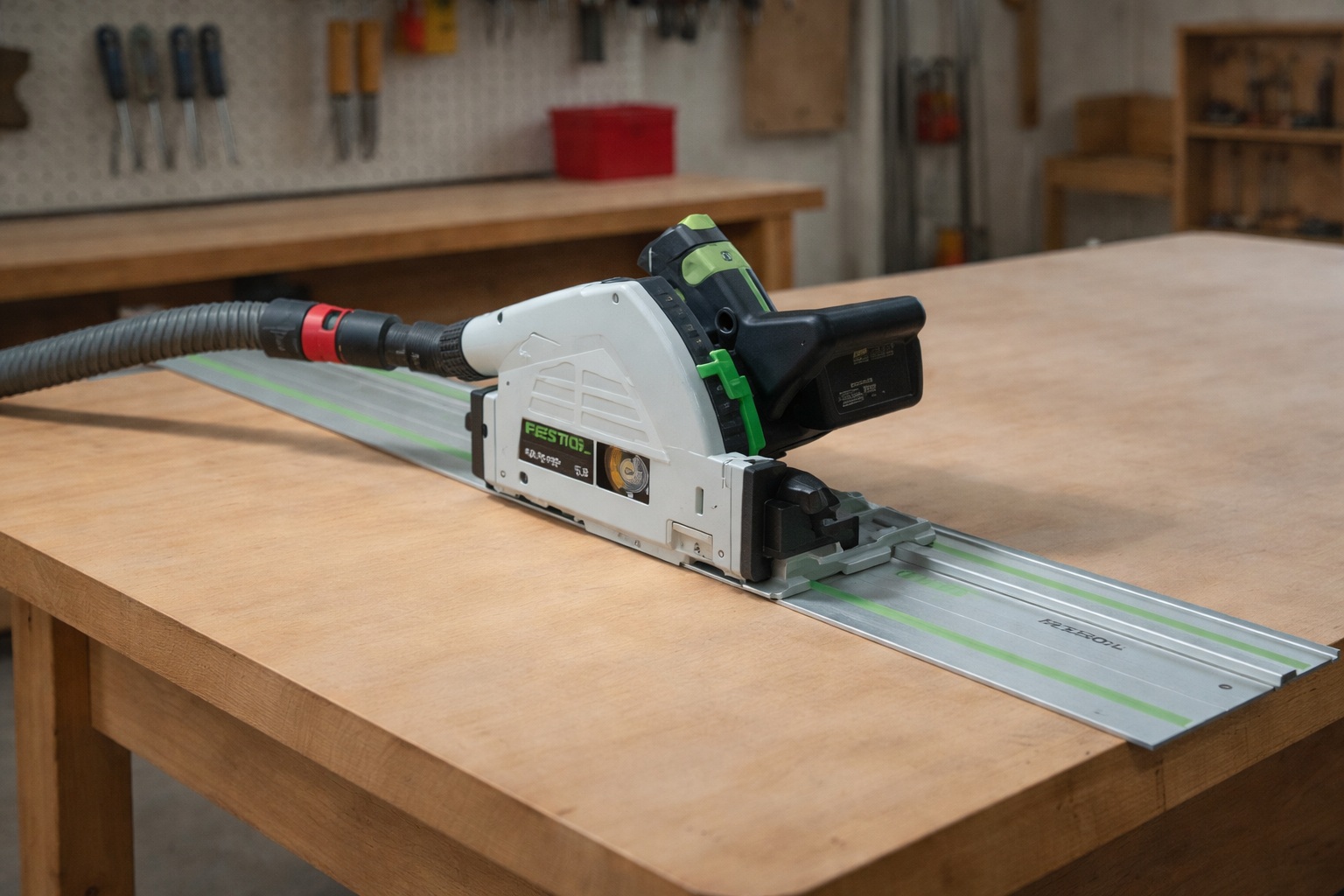
Festool TSC 55 KEB-F-Basic
Premium refinement
A strong alternative for buyers who want a more polished, finish-focused cutting experience and are comfortable paying more for that extra refinement in feel, control, and ecosystem fit.
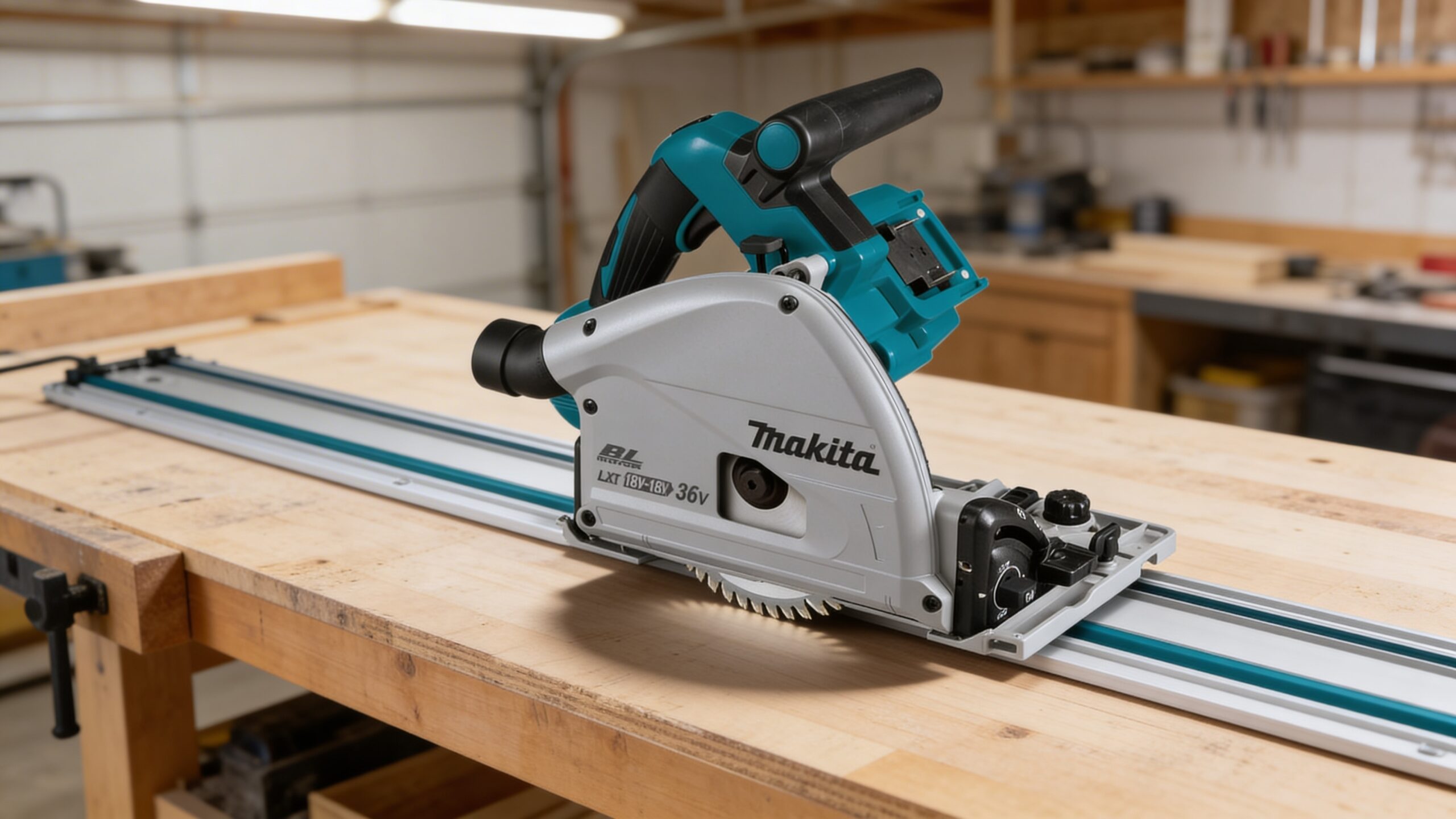
Makita XPS01Z
Platform value
A sensible choice if battery continuity and overall system cost matter more than chasing the newest feel. It is especially appealing for buyers already invested in Makita’s cordless platform.
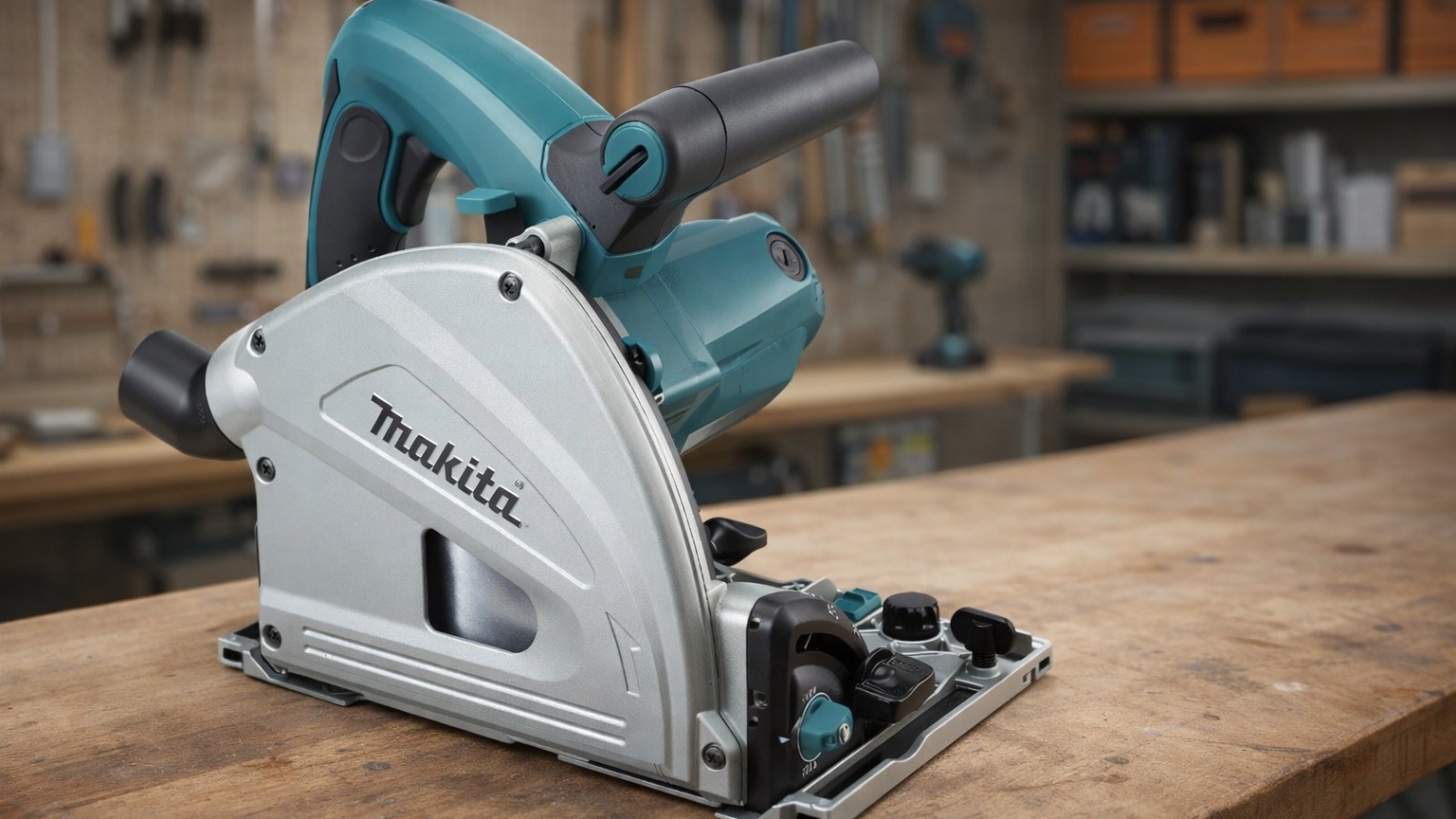
Makita SP6000J1
Corded consistency
A relevant alternative for buyers who prefer unlimited runtime and a more traditional corded workflow. It gives up some cordless convenience, but can make sense for bench-based or shop-heavy use.
Sources
Sources & reference notes
Specifications and platform details referenced in this review were verified using manufacturer documentation and current product listings. Where configurations vary by kit, we note differences directly in the article.
- Milwaukee Tool — M18 FUEL track saw product documentation and published specifications for the Milwaukee 2831-20.
- M18 battery platform compatibility information for tool-only and system-based ownership considerations.
- Retail product listings used to confirm current naming, SKU variations, and included accessories where applicable.
Where to Buy
Milwaukee 2831-20
M18 FUEL Track Saw
Typical price range: $399–$699
Pricing varies by retailer, battery inclusion, and rail or kit configuration.
Check Current PriceReview Snapshot
Milwaukee 2831-20
8.9
Precise cordless cutting control
Best for guided sheet-good and finish cuts where portability matters, though the full system cost can be a meaningful tradeoff.
- Performance: Delivers clean, repeatable cuts with good confidence under normal jobsite load
- Handling: Controlled plunge feel, though battery-equipped use is not the lightest setup
- Value: Makes more sense when it fits an existing M18 and track-based workflow
Top 10 List
See the best track saws right now
Want the full picture? Our Top 10 breaks down the best track saws by cutting performance, control, and real-world use.
View the Top 10Compare Models
Compare this track saw head-to-head
See how the Milwaukee 2831-20 stacks up against other top track saws across cut quality, handling, and overall value.
View ComparisonsAccessories You’ll Want
- Track saw guide rail (essential for straight, repeatable cuts and the main reason to choose this category)
- Sharp finish blade (helps improve edge quality and reduces tear-out on visible surfaces)
- Dust extractor hose setup (keeps the cut line clearer and reduces cleanup during indoor work)
- Extra battery pack (helps avoid workflow interruptions during longer cutting sessions or repeated panel work)
- Rail clamps (adds holding security when the material or setup makes movement more likely)
Tip: Track compatibility, blade selection, and battery ownership have a bigger day-to-day impact than most buyers expect, so it helps to think about the full cutting setup rather than the saw alone.