This Milwaukee 2904-20 vs Makita XPH07Z hammer drill comparison examines power, torque delivery, ergonomics, and durability in real-world drilling and fastening applications to clarify key performance tradeoffs.

Reviews You Can Trust
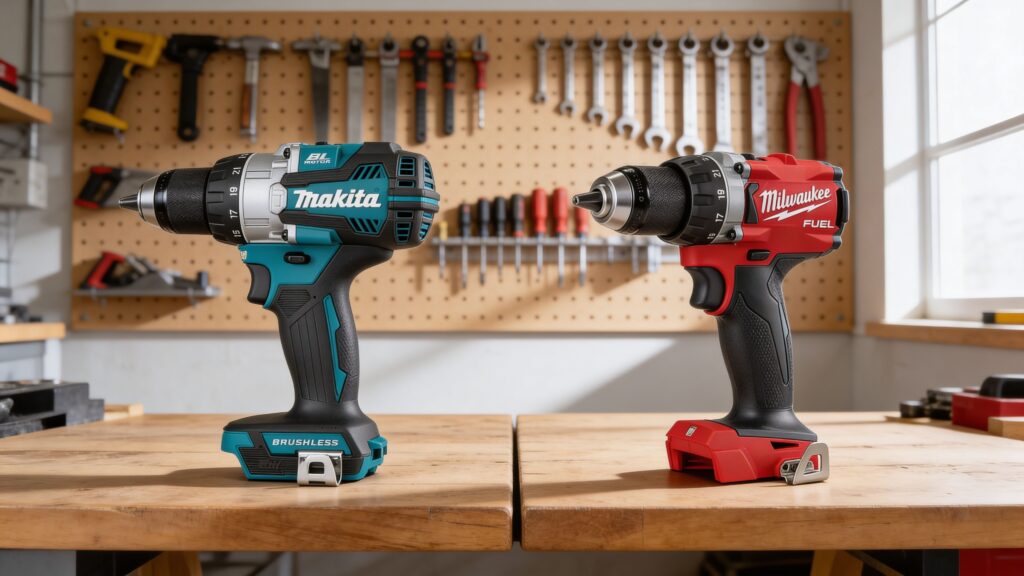
Head-to-head
Milwaukee 2904-20 vs Makita XPH07Z: Which Hammer Drills Is Better?
A clean A/B evaluation of two flagship brushless hammer drills focused on real-world masonry, framing, and fastening work—comparing torque feel, control, durability, ergonomics, and long-term platform value.
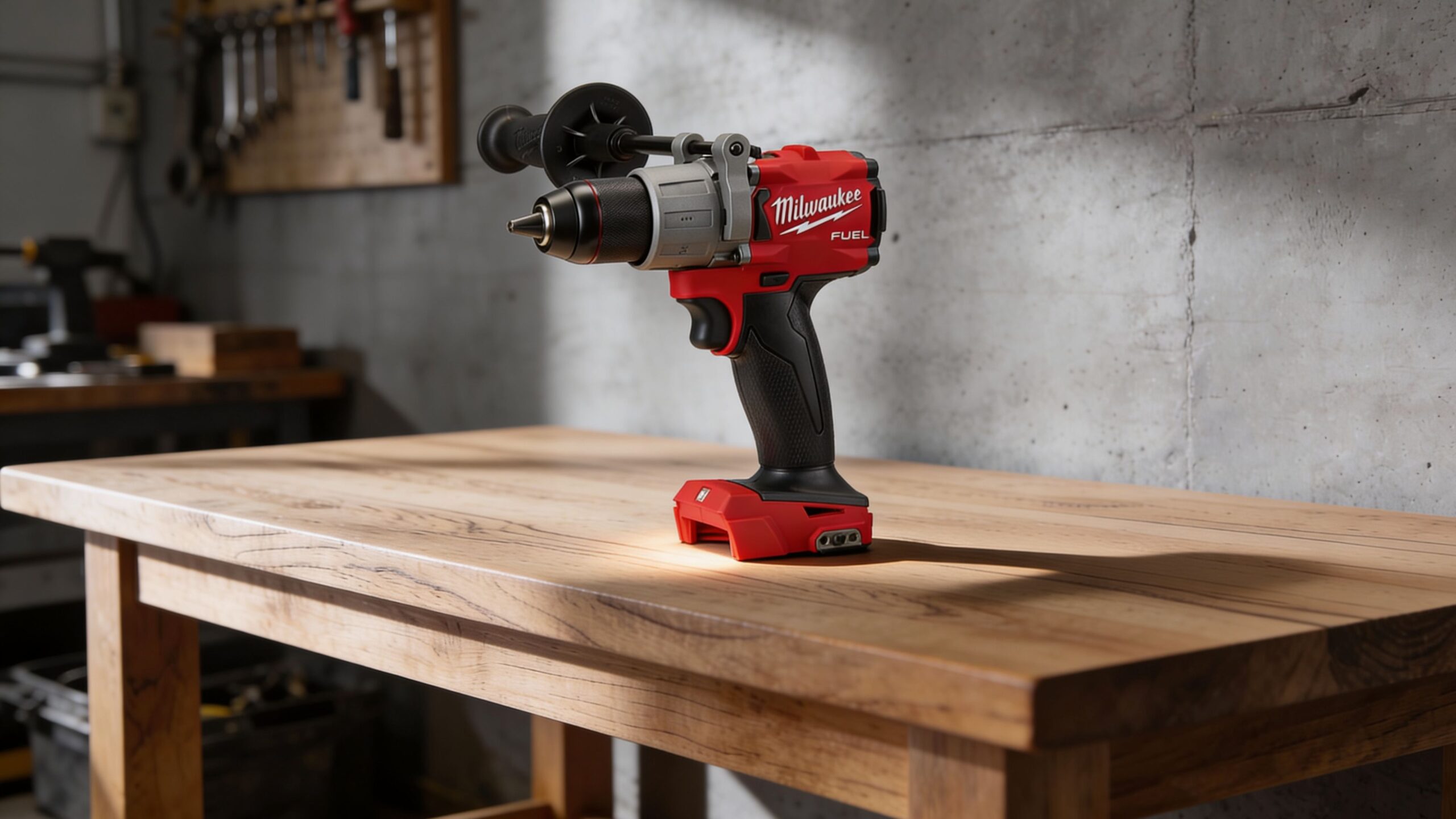
Milwaukee 2904-20 M18 FUEL Hammer Drill Driver
A high-output hammer drill built for demanding pro use—confident in larger masonry holes, structural fastening, and repetitive heavy-duty tasks where consistent power matters.
- Maintains strong drilling pace in concrete and dense framing lumber
- Electronic controls help manage kickback and improve repeatability
- Backed by one of the deepest 18V ecosystems for expanding crews
VS
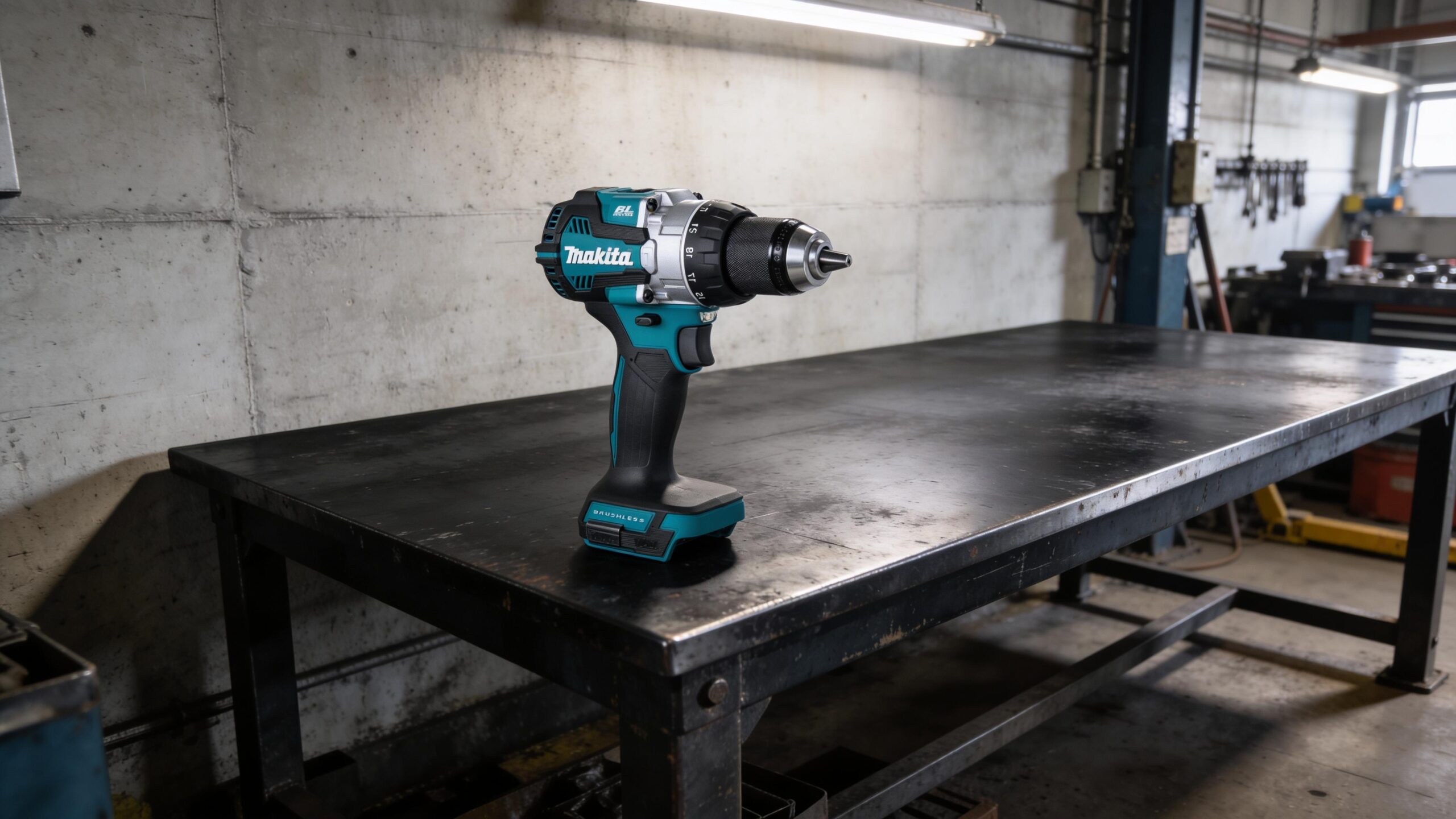
Makita XPH07Z 18V LXT Brushless Hammer Drill Driver
A durable, high-torque hammer drill known for balance and smooth operation—well suited to contractors who prioritize control and proven long-term reliability.
- Strong performance for routine masonry anchors and framing holes
- Comfortable grip and stable handling over long work sessions
- Established LXT lineup with broad contractor adoption
Power under load
Exceptional headroom in demanding tasks
Very strong, consistent output
Milwaukee 2904-20
Control & clutch consistency
Advanced electronic control features
Smooth, predictable clutch response
Milwaukee 2904-20
Ergonomics (feel + fatigue)
Solid, slightly heavier feel
Balanced and comfortable
Makita XPH07Z
Value (typical kit pricing)
Premium tier pricing
Often slightly lower buy-in
Makita XPH07Z
Battery ecosystem depth
Extensive M18 professional lineup
Mature and widely adopted LXT system
Milwaukee 2904-20
Real-world context
This comparison reflects professional reviews, manufacturer specifications, and long-term contractor feedback to highlight how each hammer drill typically performs in everyday framing and masonry applications.
Milwaukee 2904-20 — Why people choose it
- Confident performance in demanding concrete and structural drilling
- Electronic safety and control features for high-torque applications
- Deep M18 system for scaling across full pro tool kits
Makita XPH07Z — Why people choose it
- Smooth operation with excellent balance in repetitive tasks
- Proven durability on long-running contractor platforms
- Strong 18V LXT ecosystem with broad jobsite familiarity
Verdict: Choose Milwaukee 2904-20 if you prioritize maximum output, advanced electronic control, and long-term expansion within a deep pro ecosystem. Choose Makita XPH07Z if you value balanced handling, dependable durability, and strong performance at a slightly more accessible platform cost.