This comparison examines Milwaukee M18 FUEL and Bosch 18V through real-world use, focusing on power, control, system design, and tradeoffs that matter when choosing a professional cordless platform.

Reviews You Can Trust
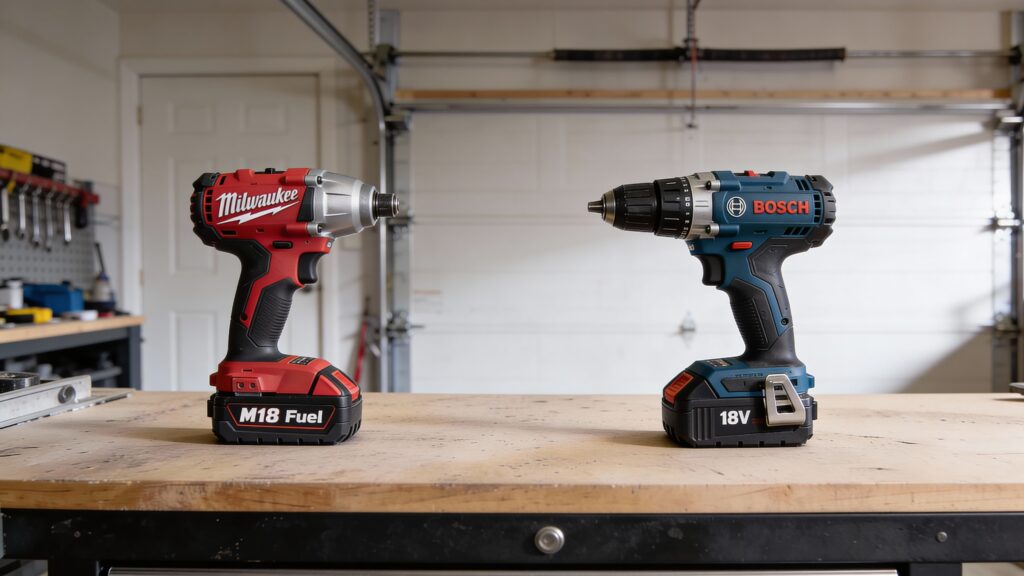
Head-to-head
Milwaukee M18 FUEL vs Bosch 18V: Power vs Precision—Which Matters More?
A clean A/B view for working trades: sustained power in real materials, controllability for repeatable fasteners, comfort over long days, kit value, and what each battery ecosystem supports beyond a drill.
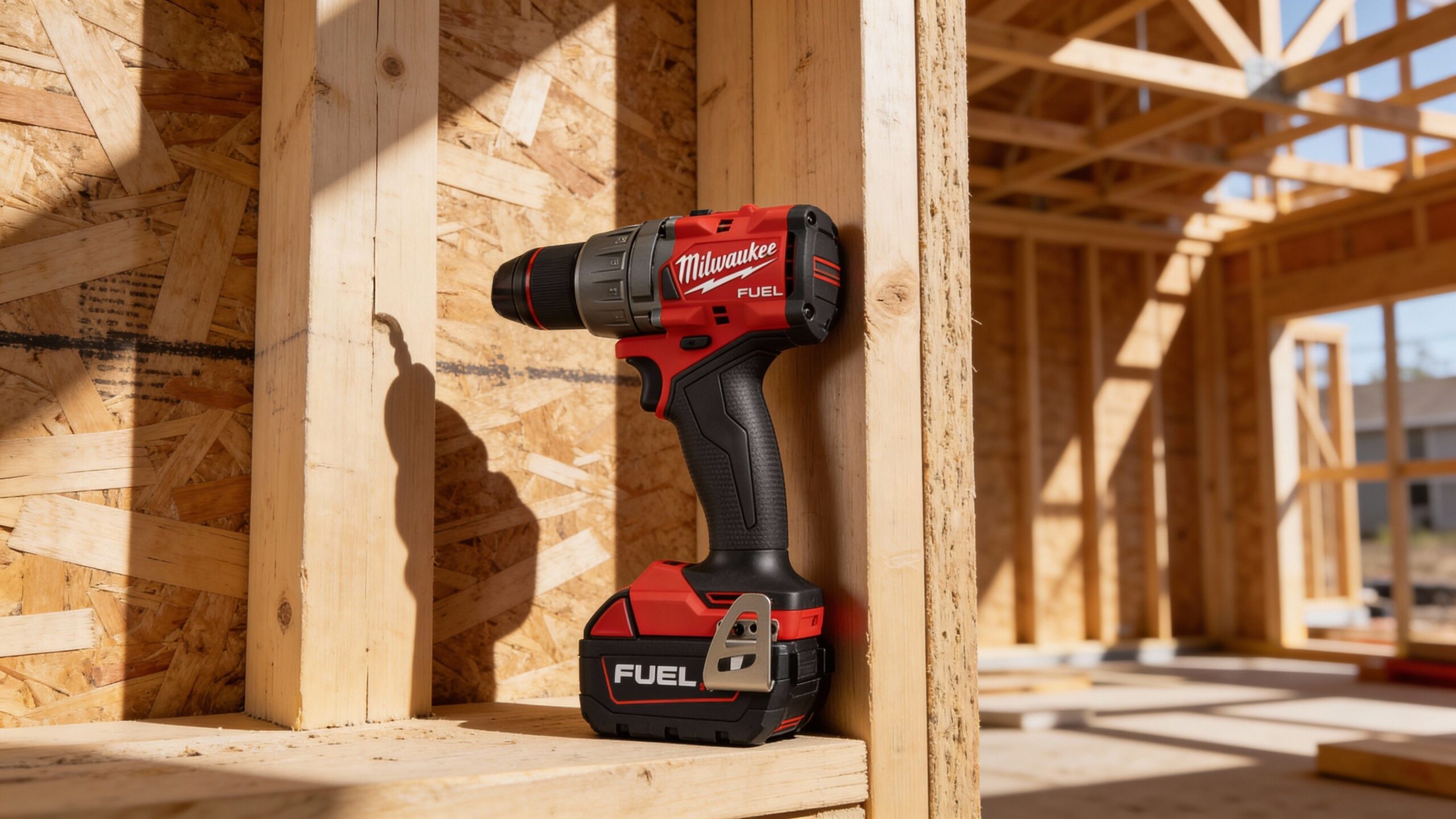
Milwaukee M18 FUEL cordless drill/driver
A power-forward platform that stays composed when you lean into larger holes, dense stock, and frequent fastening—best when the drill is a daily driver and downtime is expensive.
- Stronger “keep going” feel in thicker lumber, hole saws, and repeated larger bores
- Confident control for consistent starts and predictable screw seating when working fast
- Smart buy-in if your kit is likely to grow into specialty pro tools on the same batteries
VS
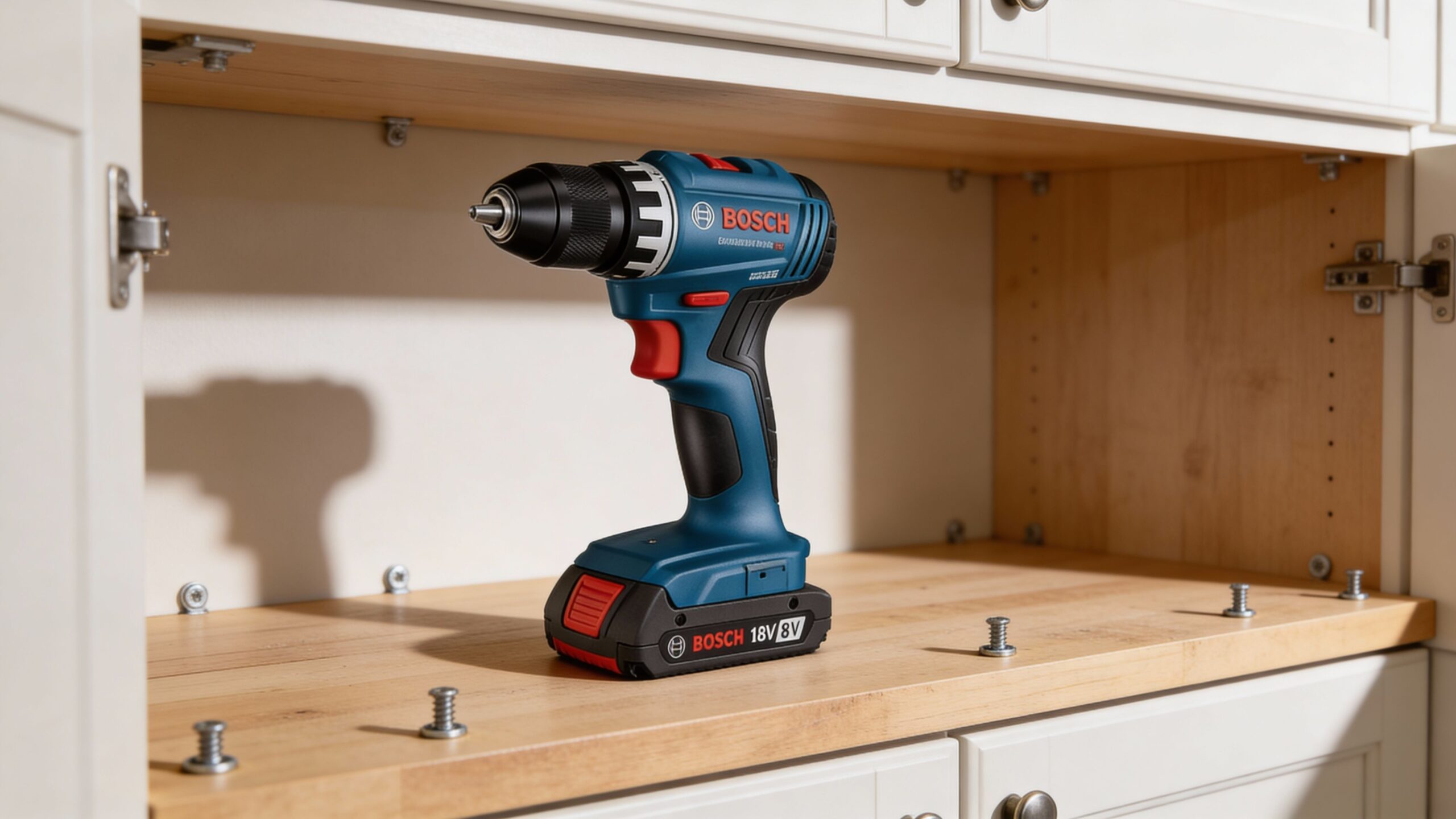
Bosch 18V cordless drill/driver
A precision-leaning feel that favors control, balance, and repeatability—ideal for installers, finish work, and crews who prioritize clean starts and reduced fatigue.
- Easy to modulate for careful starts, hinge screws, hardware installs, and finish tasks
- Comfortable handling for long runs of pilots and repeated fasteners without fighting the tool
- Strong pick when your work rewards precision more than maximum push-through power
Power under load
More headroom in demanding drilling
Strong for routine holes, less push-through
Milwaukee
Control & clutch consistency
Very good, geared for speed + drive
Excellent for repeatable screw seating
Bosch
Ergonomics (feel + fatigue)
Stable, can feel bulkier with big packs
Balanced, easier to finesse all day
Bosch
Value (typical kit pricing)
Higher buy-in for premium lineup
Often strong value in common kits
Bosch
Battery ecosystem depth
Massive pro ecosystem and specialties
Broad lineup, fewer niche trade tools
Milwaukee
Real-world context
This comparison reflects a synthesis of professional reviews, manufacturer data, long-term user feedback, and use-case patterns to highlight how each drill typically performs in everyday projects.
Milwaukee — Why people choose it
- More confidence when drilling gets demanding and the tool is asked to “keep pulling”
- Strong platform logic for crews building out a full cordless set over time
- Great fit for rough-in work where productivity favors power and pace
Bosch — Why people choose it
- Controlled feel that helps prevent over-driving and reduces rework on finish tasks
- Comfortable handling for installers, cabinet work, and repetitive hardware runs
- Good value when you want professional results with a more practical buy-in
Verdict: Choose Milwaukee if your day involves frequent high-demand drilling, larger bits, or tough materials where extra headroom keeps the workflow moving—and if you plan to expand into a deep pro ecosystem. Choose Bosch if your work rewards precision and repeatability—install, finish, hardware, and controlled fastening—where comfort and predictable clutch behavior matter more than maximum push-through power.