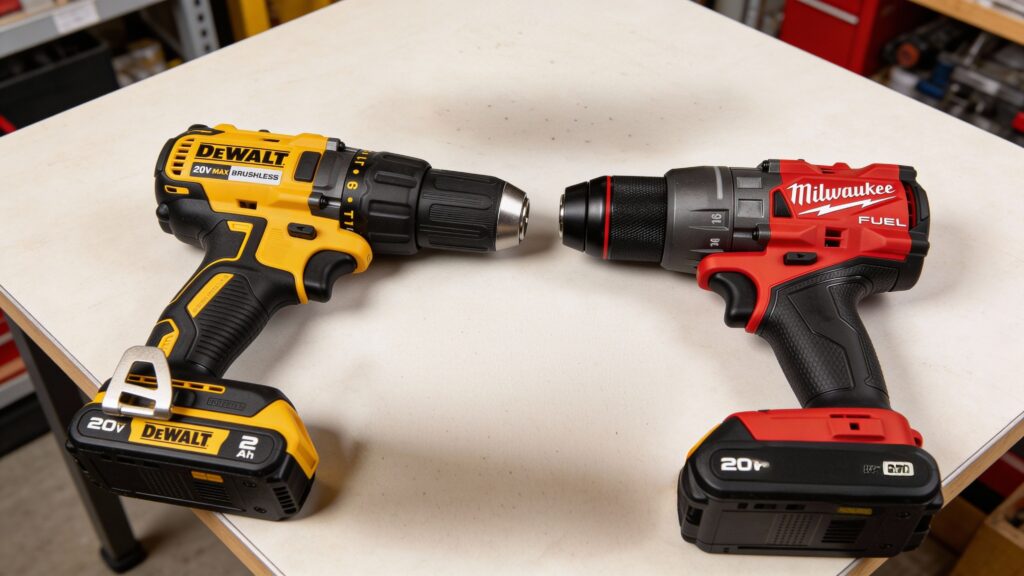
Milwaukee M18 FUEL vs DeWalt Atomic: Is the Upgrade Worth it?

This head-to-head comparison examines Milwaukee M18 FUEL and DeWalt Atomic through real-world performance, size, and value tradeoffs to determine whether upgrading delivers meaningful advantages for everyday users.

By: Review Streets Research Lab
Updated: February 1, 2026
Approx. 10–12 min read
Milwaukee M18 FUEL vs DeWalt Atomic: Is the Upgrade Worth it?

Head-to-head

Milwaukee M18 FUEL vs DeWalt Atomic: Is the Upgrade Worth it?

A focused A/B look at real jobsite tradeoffs: how each drill handles load, control for repeatable fastening, comfort over long workdays, kit value, and what it means to commit to a battery platform.
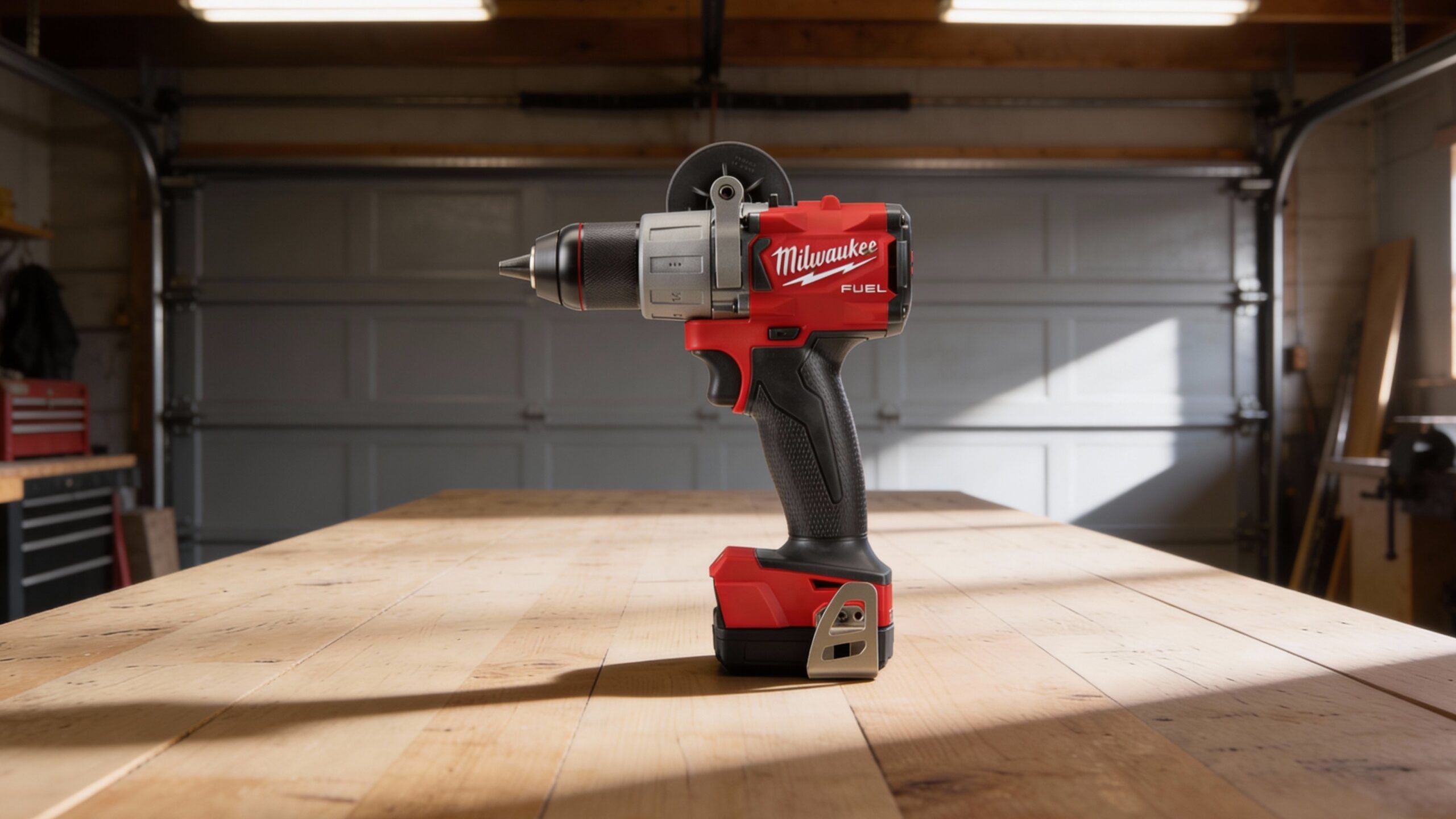
Milwaukee M18 FUEL cordless drill/driver

Milwaukee M18 FUEL cordless drill/driver

A pro-first drill built for steady driving and larger holes when the work gets demanding—best suited to frequent use where consistency under load matters more than shaving every ounce.

Score 9.3 Best for daily pro use Battery M18 Why buy steadier under load
  • Feels more composed when boring larger holes or driving long fasteners in dense framing lumber
  • Confident low-speed starts for cleaner pilots and more repeatable screw seating
  • Strong long-term upside if you’ll expand into a broader pro tool lineup on one battery platform
VS
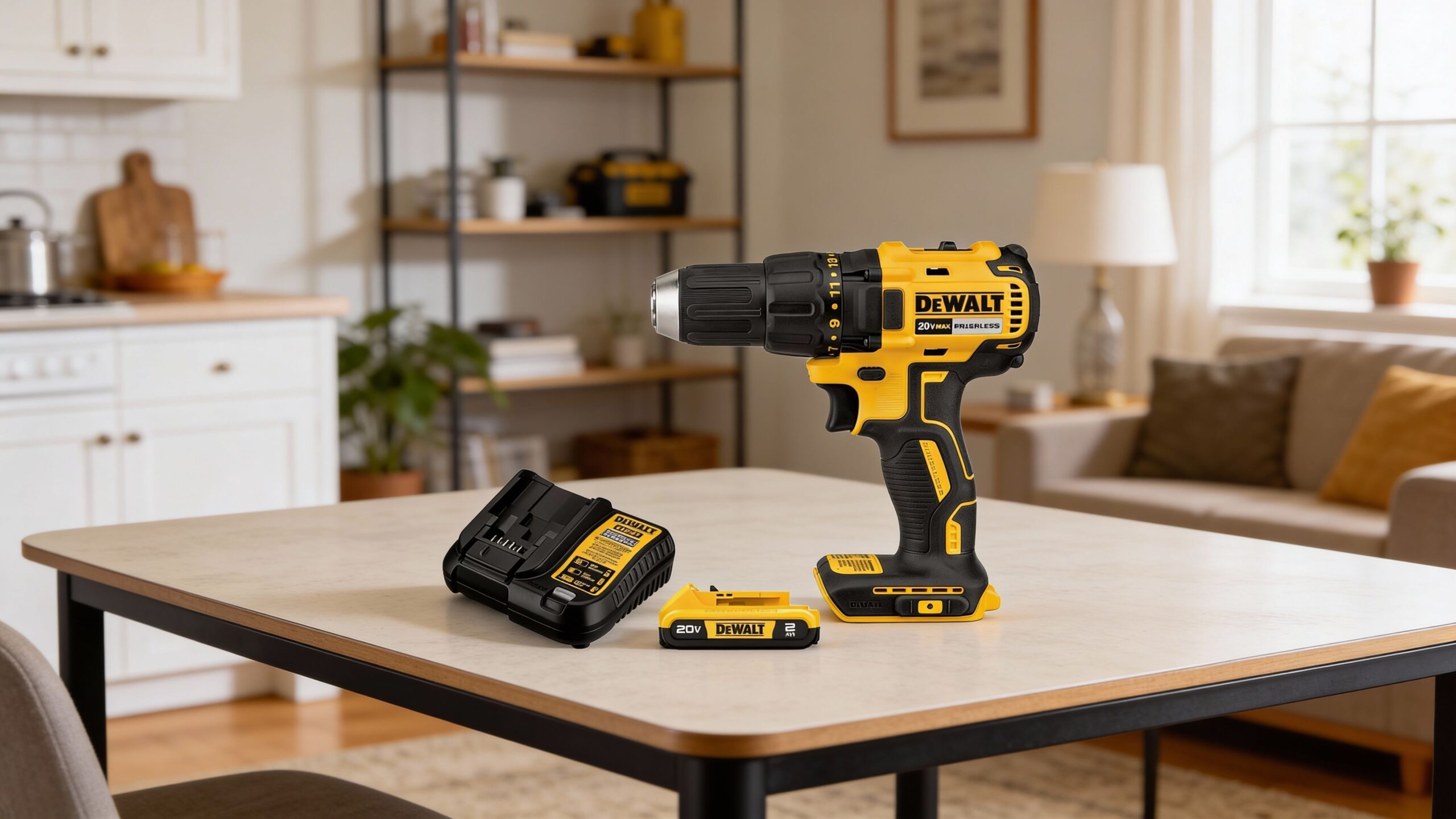
DeWalt Atomic cordless drill/driver

DeWalt Atomic cordless drill/driver

A compact, easy-to-live-with drill for punch-list work and everyday fastening—ideal when size, access, and practical kit value matter more than maximum heavy-load confidence.

Score 8.6 Best for compact daily carry Battery 20V MAX Why buy size + practicality
  • More maneuverable in cabinets, tight corners, and overhead work where bulk becomes the enemy
  • Plenty of capability for pilots, hardware installs, and routine holes without feeling overbuilt
  • A smart “grab-and-go” pick if you want a compact drill within a widely available battery ecosystem
Power under load
More headroom for demanding tasks
Capable, but optimized for compact work
Milwaukee
Control & clutch consistency
Excellent repeatability under pressure
Very good for everyday fastening
Milwaukee
Ergonomics (feel + fatigue)
Stable, slightly heavier in hand
Compact, easier in tight spaces
DeWalt
Value (typical kit pricing)
Higher buy-in for top-tier performance
Often the more accessible compact kit option
DeWalt
Battery ecosystem depth
Massive pro-focused tool range
Large, widely available lineup
Milwaukee
Real-world context
This comparison reflects a synthesis of professional reviews, manufacturer data, long-term user feedback, and use-case patterns to highlight how each drill typically performs in everyday projects.

Milwaukee — Why people choose it

  • More consistent feel when the work pushes back—useful for repetitive fastening and larger boring tasks
  • Strong control at lower speeds for cleaner starts and fewer cam-outs on finish hardware
  • Deep M18 ecosystem if you plan to keep building a pro kit beyond just a drill

DeWalt — Why people choose it

  • Compact form factor that fits where bigger drills struggle, without feeling underpowered for routine work
  • More convenient day-to-day handling for overhead installs and tight access tasks
  • Broad 20V MAX ecosystem and easy availability on jobsites and supply runs
Verdict: Choose Milwaukee M18 FUEL if you drill and drive hard most days and want the most composed performance under load, plus a deep pro ecosystem that rewards long-term tool expansion. Choose DeWalt Atomic if your work leans toward installs, punch lists, service calls, and tight spaces—where a compact drill with practical everyday performance is the smarter, easier carry.
Read FAQs

Deep dive

What actually matters in this matchup

Both Milwaukee M18 FUEL and DeWalt Atomic can handle everyday drilling and fastening, but the decision usually comes down to how they behave when the work gets inconvenient: long screws, dense lumber, awkward angles, and repeated starts. This deep dive focuses on the “feel” factors that shape day-to-day results—how steady the drill stays under load, how predictable the clutch is when you’re trying not to overdrive, how tiring the tool feels over a full session, and how the broader battery platform changes what owning the drill looks like over time.

When the job pushes back: The Milwaukee M18 FUEL tends to feel more composed when resistance builds—less hunting, fewer stalls, and a steadier push through demanding holes or longer fasteners. DeWalt Atomic is capable, but it’s built around compact convenience first, which shows up most when the drill is asked to do heavy work repeatedly rather than occasionally.

Control that protects your finish: For hardware installs, cabinet work, and anything where the last quarter-turn matters, predictability is the real advantage. Milwaukee generally offers a more “set it and repeat it” experience when you’re starting screws cleanly and trying to land consistent depth. DeWalt’s control is solid for routine tasks, but its biggest advantage is how easily it fits into awkward positions without fighting the tool’s size.

Comfort over time: Many drills feel similar for the first few minutes. Differences show up after dozens of fasteners, overhead work, or a day of stop-and-go tasks. DeWalt Atomic’s compact build can reduce wrist strain in tight areas and keeps the tool feeling less intrusive. Milwaukee’s stability can reduce “micro-fighting” during heavier drilling, even if it may feel more substantial in hand depending on battery choice.

Ownership that affects your workflow: Battery platforms matter because they shape kit-building, availability, and long-term flexibility. Milwaukee’s M18 ecosystem is often chosen by people who expect to add more higher-demand tools over time and want consistent performance across a larger lineup. DeWalt’s 20V MAX ecosystem is widely supported and easy to build around, especially if the goal is a compact, practical setup that covers the most common jobs without overbuying.

Where each drill makes the most sense: Milwaukee M18 FUEL tends to fit best when work regularly includes tougher drilling, frequent driving in dense material, or a need for a more “unbothered” feel across varied tasks. DeWalt Atomic tends to fit best when access, portability, and everyday practicality define the workload—service tasks, installs, punch lists, and tight-space drilling where tool size and handling can matter more than peak capability.

Methodology

How we evaluated these cordless drills

To compare Milwaukee M18 FUEL and DeWalt Atomic fairly, we focus on repeatable, real-world tasks that reveal practical differences in drilling and fastening—not spec-sheet advantages. The goal is to understand how each drill behaves when the work varies: quick installs, longer runs of screws, occasional heavier holes, and the awkward positions that make handling matter as much as output.

Tasks: driving common construction and hardware fasteners, drilling pilot holes and clearance holes in softwood and hardwood, boring larger holes when needed, and repeated start–stop sequences to evaluate control and repeatability. We also include overhead and tight-access work to surface real differences in balance and fatigue.

What we scored: how consistently each drill maintains pace under resistance, how predictable the trigger and clutch feel for clean starts and controlled finishes, how comfortable the grip and balance are during longer sessions, and how confident the chuck feels during direction changes and higher-demand drilling.

How results are interpreted: outcomes are judged in context, because “better” depends on the work. A drill that feels stronger under load may be the right pick for frequent heavy tasks, while a compact model that reduces strain and fits tight spaces can be the better day-to-day tool for installs, punch lists, and service calls.

What we ignored: advertised torque figures, isolated lab-style claims, and feature callouts that don’t consistently show up in normal use. Priority goes to repeatable results—how the drills handle real materials, real fasteners, and real working positions over time.

FAQ

Milwaukee M18 FUEL vs DeWalt Atomic: Common questions

Which drill is the better choice for everyday home projects?
For most everyday projects, DeWalt Atomic is often the easier fit. Its compact size and manageable feel suit typical drilling and fastening tasks without requiring extra power that may go unused.
Who benefits most from stepping up to the Milwaukee M18 FUEL?
Milwaukee M18 FUEL tends to make sense when drilling and driving are frequent or demanding. Users who regularly work with dense materials or already own other M18 tools may see clearer benefits from the upgrade.
Will the power difference change how most jobs feel?
The difference is most noticeable during heavier tasks or longer runs. Milwaukee typically feels more composed when resistance increases, while DeWalt emphasizes ease of handling during routine work.
Which drill is easier to handle in tight or awkward spaces?
DeWalt Atomic is generally easier to manage in confined areas and overhead positions due to its shorter length and lighter build. This can reduce fatigue during installs or service tasks.
How much should battery ecosystem influence the decision?
Battery platform matters most if you plan to add more cordless tools over time. Choosing the system you’re already invested in—or expect to build around—can simplify ownership and reduce long-term costs.
Is one drill more suitable for occasional use rather than daily work?
For occasional or mixed-use tasks, DeWalt Atomic often provides sufficient capability with less bulk. Milwaukee M18 FUEL tends to suit users who rely on a drill daily and value consistency under tougher conditions.

Key Takeaways

  • The Milwaukee M18 FUEL upgrade matters most when work frequently pushes back—dense materials, longer fasteners, and repeated drilling where a steadier feel can reduce slowdowns.
  • DeWalt Atomic trades some heavy-load confidence for compact practicality, which can improve workflow on installs, punch lists, and tight-access tasks where tool size affects comfort and control.
  • If the drill will be used all day or as a primary tool, small differences in balance and start control can add up more than occasional peak capability.
  • For intermittent or mixed-use projects, the “right” choice is often the drill that’s easiest to carry, position, and start cleanly—especially in cabinets, overhead work, and awkward angles.
  • The battery ecosystem is part of the purchase: Milwaukee tends to favor long-term expansion into higher-demand tools, while DeWalt offers a widely supported path for building a practical cordless lineup.
  • Value shows up in day-to-day ownership, not list price—how often you reach for the drill, how well it fits the typical jobs you do, and whether it aligns with the tools you’ll add next.

Verdict

The Best Cordless Drill for Most People

In this matchup, the “best” choice depends on how often you drill and drive under real resistance versus how often you work in tight spaces. Milwaukee M18 FUEL is the more confident, work-first option when the drill is asked to perform hard tasks repeatedly. DeWalt Atomic is the more convenient, compact option when access, comfort, and everyday handling shape the experience more than maximum heavy-load capability.

#1 Winner

Milwaukee M18 FUEL Drill/Driver

The better pick when drilling and driving are frequent or demanding, and when a steadier feel under load can improve day-to-day workflow over the long run.

  • More composed feel when resistance increases during heavier drilling and longer fasteners
  • Predictable control for repeatable starts and cleaner finishes across varied tasks
  • Strong long-term fit if you expect to expand into a deeper cordless tool platform

Runner-up

Jump to the Head-to-Head

Tip: If you already own batteries in one ecosystem, that can outweigh small performance differences—especially when the drill is part of a larger kit you’ll build over time.

Where to Buy

We prioritize reputable sellers, easy returns, and reliable availability.

Price checks happen regularly. Some links may earn a commission—never affects rankings.

Accessories You’ll Want

  • Quality drill/driver bit set (Phillips, Torx, square, plus spares of your most-used sizes)
  • Bradboint and twist drill bit assortment (clean pilots in wood, plus common sizes for anchors and hardware)
  • Extra battery pack (one compact for balance + one higher-capacity for longer sessions)
  • Right-angle attachment (helps reach inside cabinets, between studs, and tight corners without fighting the drill body)
  • Magnetic bit holder (speeds up repetitive driving and reduces dropped bits on ladders or overhead work)

Tip: Batteries, chargers, and bit compatibility shape the long-term experience—pick a platform that matches your typical jobs and the tools you’re likely to add later.