Milwaukee M18 FUEL vs Makita LXT: Which Feels More Refined Under Load?

Milwaukee M18 FUEL and Makita LXT represent two distinct approaches to cordless drill refinement, evaluated here through real-world load, balance, control, and user feedback rather than specs alo

By: Review Streets Research Lab
Updated: February 10, 2026
Approx. 10–12 min read
Milwaukee M18 FUEL vs Makita LXT: Which Feels More Refined Under Load?

Head-to-head

Milwaukee M18 FUEL vs Makita LXT: Which Feels More Refined Under Load?

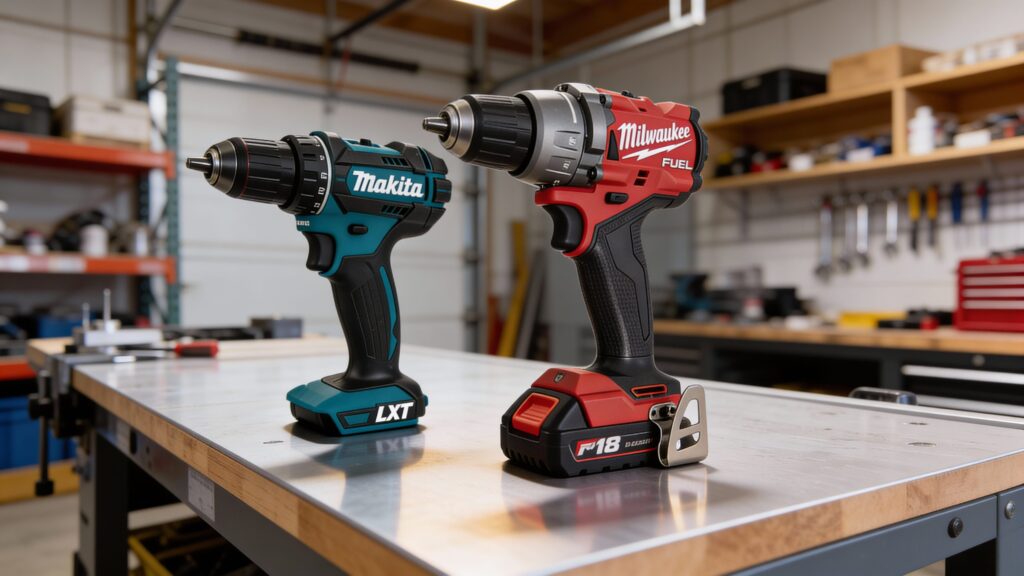
A clean A/B view of what matters in hard use: how each drill stays controlled when pushed, how predictable the clutch feels, fatigue over long days, kit value, and the long-term realities of buying into a battery platform.

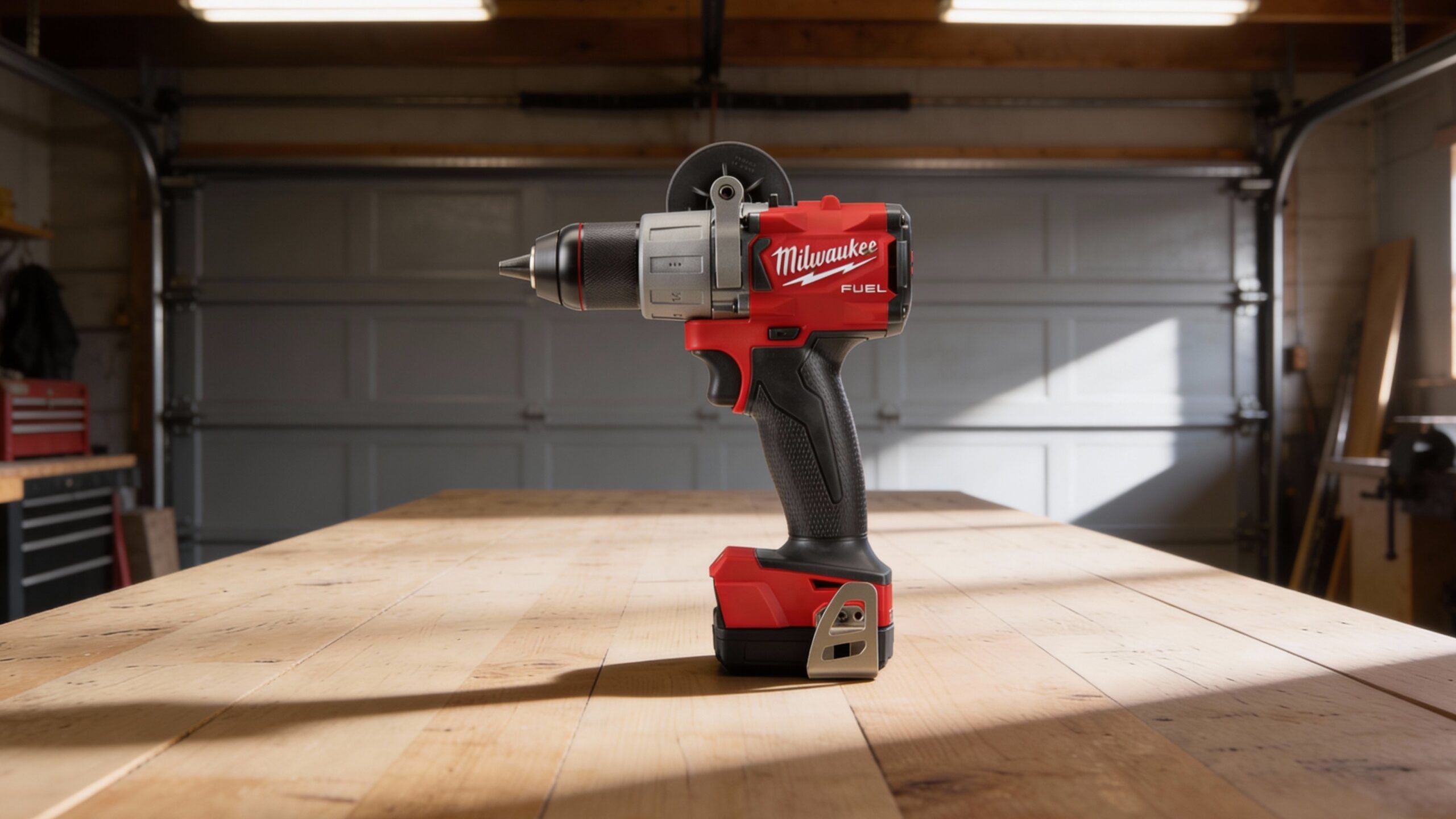
Milwaukee M18 FUEL cordless drill/driver

Milwaukee M18 FUEL cordless drill/driver

The more “planted” feel when you’re leaning into dense material—best for frequent heavy-duty drilling and high-resistance fastening where steadiness and control matter more than shaving ounces.

Score 9.3 Best for demanding daily use Battery M18 Why buy composed under load
  • Stays steady when hole sizes increase and resistance climbs
  • Predictable trigger and clutch feel for repeatable screw seating
  • Strong long-term fit if you plan to expand into a broad pro platform
VS
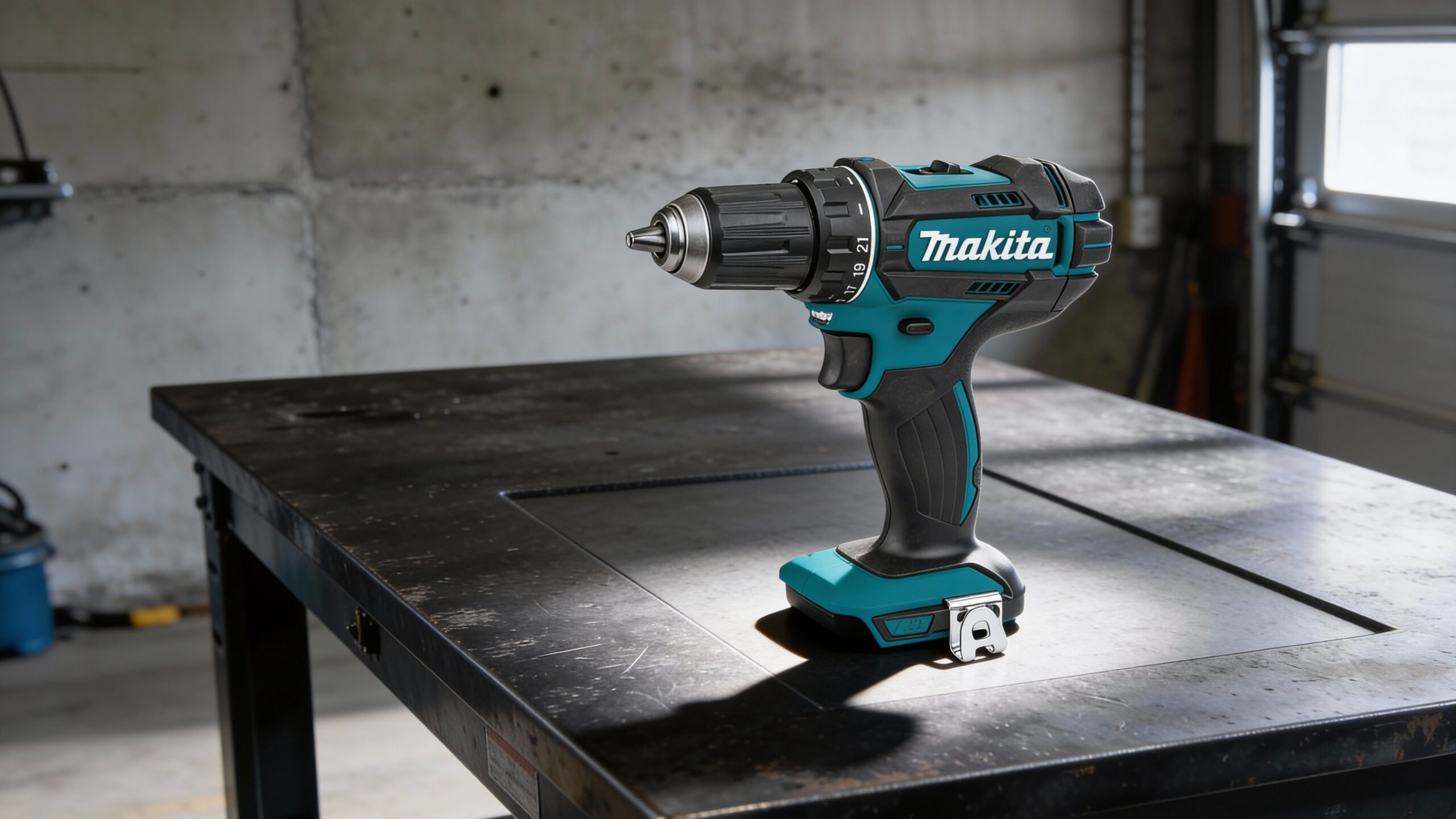
Makita LXT cordless drill/driver

Makita LXT cordless drill/driver

A smooth, controllable everyday drill that feels easy to manage for long sessions—best for mixed drilling and fastening where balance, finesse, and predictable handling are the priority.

Score 9.0 Best for all-day handling Battery 18V LXT Why buy smooth control
  • Balanced feel that reduces fatigue during repetitive fastening
  • Clean, controllable starts for pilots, hardware installs, and finish work
  • Excellent choice if you want a refined “do-most-things” drill in LXT
Power under load
More headroom in tough material
Strong, but prefers steadier pacing
Milwaukee M18 FUEL
Control & clutch consistency
Very consistent, confident seating
Smooth and precise, especially at light load
Milwaukee M18 FUEL
Ergonomics (feel + fatigue)
Planted feel, can be heavier in hand
Balanced and easy to manage all day
Makita LXT
Value (typical kit pricing)
Often pricier at the top end
Frequently competitive in common kits
Makita LXT
Battery ecosystem depth
Very broad, strong specialty coverage
Deep, with lots of proven essentials
Milwaukee M18 FUEL
Real-world context
This comparison reflects a synthesis of professional reviews, manufacturer data, long-term user feedback, and use-case patterns to highlight how each drill typically performs in everyday projects.

Milwaukee — Why people choose it

  • More composed feel when you’re drilling larger holes or pushing hard into dense stock
  • Consistent control that helps maintain speed and keep starts clean under pressure
  • Deep M18 lineup if you’ll expand beyond a drill into specialty and trade tools

Makita — Why people choose it

  • Smooth, predictable handling that’s comfortable for long fastening sessions
  • Refined feel for cabinet installs, hardware work, and mixed-duty drilling
  • Strong LXT ecosystem with proven staples and widely available batteries
Verdict: Choose Milwaukee if your priority is the most composed feel when the drill is working hard—dense stock, larger holes, frequent high-resistance fastening, and a platform you’ll keep building out. Choose Makita if you want a smoother, lighter-hand feel for long days, lots of mixed fastening and drilling, and a strong LXT buy-in that often makes sense in common kits.
Read FAQs

Deep dive

What actually matters in this matchup

With Milwaukee M18 FUEL and Makita LXT, the meaningful differences aren’t about who “has more”—they show up in how each drill stays composed when the bit loads up, how confidently you can feather the trigger for clean starts, and how the tool feels after hours of repetitive fastening. This section focuses on decision drivers that change real work: load behavior, control, fatigue, and what ownership looks like once the drill is part of a larger cordless kit.

Under-load refinement: when drilling larger holes or driving long fasteners, the key difference is how stable the drill feels as resistance rises. Milwaukee tends to feel more “unbothered” when pushed, while Makita tends to feel smoother and more predictable when staying in its comfortable working range.

Control that translates to cleaner results: refinement often looks like fewer corrections—easy starts, steady speed control, and less tendency to overdrive when you’re seating hardware repeatedly. Makita’s appeal is a controlled, consistent feel that supports finish-sensitive work, while Milwaukee’s strength is maintaining control even when the tool is working hard.

Fatigue over long sessions: in real use, balance and vibration management can matter as much as power. Makita can feel easier to live with for extended fastening, overhead work, and tight-position handling. Milwaukee can feel more planted when bracing for resistance, which helps when the workload is heavy and the material is less forgiving.

Confidence signals and “trust factor”: build quality shows up in chuck confidence, repeatable clutch behavior, and how consistently the drill behaves across a full day. Milwaukee often suits users who prioritize hard-use confidence and durability cues. Makita often suits users who prioritize a refined, controlled workflow where predictability reduces rework.

Ownership and the battery platform decision: the drill is rarely the last tool you buy. Milwaukee’s M18 lineup can be compelling if you expect to add higher-demand tools or specialty categories over time. Makita’s LXT ecosystem is a strong fit for broad, day-to-day cordless needs where consistency, availability, and a familiar feel across tools matters.

How to choose in practical terms: pick Milwaukee when your typical jobs involve stubborn materials, frequent larger holes, or situations where maintaining composure under load reduces delays. Pick Makita when your days are heavy on installs, repeatable fastening, and finish-adjacent tasks where comfort, control, and steady behavior make the work smoother.

Methodology

How we evaluated these cordless drills

Our evaluation of Milwaukee M18 FUEL and Makita LXT focused on real tasks that reveal “refinement under load”—how the drill behaves when resistance rises, how controllable it stays during starts and stops, and how comfortable it remains across a full work session. The goal is to surface practical trade-offs that affect day-to-day outcomes, not to reward spec-sheet advantages.

Tasks: boring common holes in framing lumber and hardwood, driving long fasteners into dense stock, repeated start–stop cycles for precision screw placement, and extended overhead or awkward-position work to stress balance and fatigue.

What we scored: load consistency (how steadily power is delivered), controllability (trigger feel and predictable clutch behavior), ergonomics (balance and comfort with common battery sizes), build confidence (chuck security and overall fit/finish), and ownership factors (battery ecosystem, accessory support, and long-term flexibility).

How results are interpreted: outcomes are assessed with a context-aware approach that values different attributes depending on real use—heavy drilling and high-resistance fastening tend to prioritize composure and control under load, while install work and long sessions tend to prioritize smooth handling, repeatability, and reduced fatigue.

What we ignored: advertised torque figures, isolated lab claims, and headline features that don’t translate into repeatable, on-the-job improvements in control, comfort, or finished results.

FAQ

Milwaukee M18 FUEL vs Makita LXT: Common questions

Which drill feels smoother during everyday use?
In lighter to moderate tasks, Makita LXT is often perceived as smoother due to its balanced handling and predictable trigger response. Milwaukee M18 FUEL can feel firmer and more deliberate, especially as resistance increases.
When does Milwaukee M18 FUEL make more sense?
Milwaukee is a better fit when work regularly involves dense materials, larger fasteners, or situations where maintaining control under load reduces slowdowns. It also suits users planning to expand into higher-demand cordless tools.
Is Makita LXT powerful enough for serious projects?
Yes. Makita LXT delivers ample power for most drilling and fastening tasks encountered in remodeling, installs, and general jobsite work. Its strength is consistency and control rather than maximum push.
Which drill is easier to use for long or repetitive tasks?
Makita’s balance and lighter perceived feel can reduce fatigue during extended fastening or overhead work. Milwaukee may feel more secure when bracing against resistance, which some users prefer during demanding runs.
How important is the battery ecosystem in this decision?
Battery platforms matter if the drill is part of a growing tool collection. Milwaukee’s M18 system offers broader coverage for heavy-duty and specialty tools, while Makita’s LXT lineup emphasizes consistency across a wide range of everyday cordless equipment.
Do these drills require different levels of experience to use well?
Both are approachable, but their refinement shows differently. Makita’s predictable control can feel forgiving for precision work, while Milwaukee rewards users who regularly work under load and want the drill to stay composed when pushed.

Key Takeaways

  • Refinement under load shows up differently: Milwaukee emphasizes staying composed when resistance rises, while Makita prioritizes smooth, predictable behavior within its working range.
  • Control versus headroom is the core trade-off—Makita favors steady starts and consistent feel, Milwaukee favors confidence when pushing harder or drilling larger holes.
  • Long-session comfort can tilt the decision, with Makita often feeling easier on the body during repetitive or overhead work, and Milwaukee feeling more planted during demanding tasks.
  • Neither drill is universally better; the right choice depends on whether your work leans toward installs and repeatability or toward heavier fastening and drilling under load.
  • Battery platform commitment matters as much as the drill itself, especially if future tool expansion is part of the ownership plan.
  • In day-to-day use, perceived refinement often has more impact on productivity and fatigue than headline performance numbers.

Verdict

The Best Cordless Drill for Most People

In this matchup, “refined under load” comes down to two different priorities: staying composed when the work gets demanding versus staying smooth and comfortable through long, repetitive tasks. Both are excellent choices, but they reward different kinds of daily use.

#1 Winner

Milwaukee M18 FUEL Drill/Driver

The better pick when refinement means composure under pressure—stronger “headroom” feel, steadier behavior when the bit loads up, and a platform that makes sense if you expect to keep expanding your cordless kit.

  • Feels more stable when pushing into dense materials or larger holes
  • Maintains predictable control when resistance increases mid-task
  • Fits naturally into a long-term M18 tool lineup if you’ll add more tools

Runner-up

Jump to the Head-to-Head

Tip: If you already own batteries in one ecosystem, that convenience and long-term cost can outweigh small differences in feel under load.

Where to Buy

We prioritize reputable sellers, easy returns, and reliable availability.

Price checks happen regularly. Some links may earn a commission—never affects rankings.

Accessories You’ll Want

  • Quality drill/driver bit set (Phillips, Torx, square, plus spares of your most-used sizes)
  • Brad-point and spade bit set (cleaner wood holes and faster rough drilling for framing and installs)
  • Extra battery pack (one compact for balance + one higher-capacity for longer sessions)
  • Right-angle attachment (helps reach inside cabinets, between studs, and other tight spaces)
  • Quality chuck keyless maintenance kit (cleaning brush and light lubricant to keep the chuck and vents working smoothly)

Tip: Prioritize accessories that fit both your workflow and your battery platform—bits and attachments travel across tools, but batteries lock you into an ecosystem.