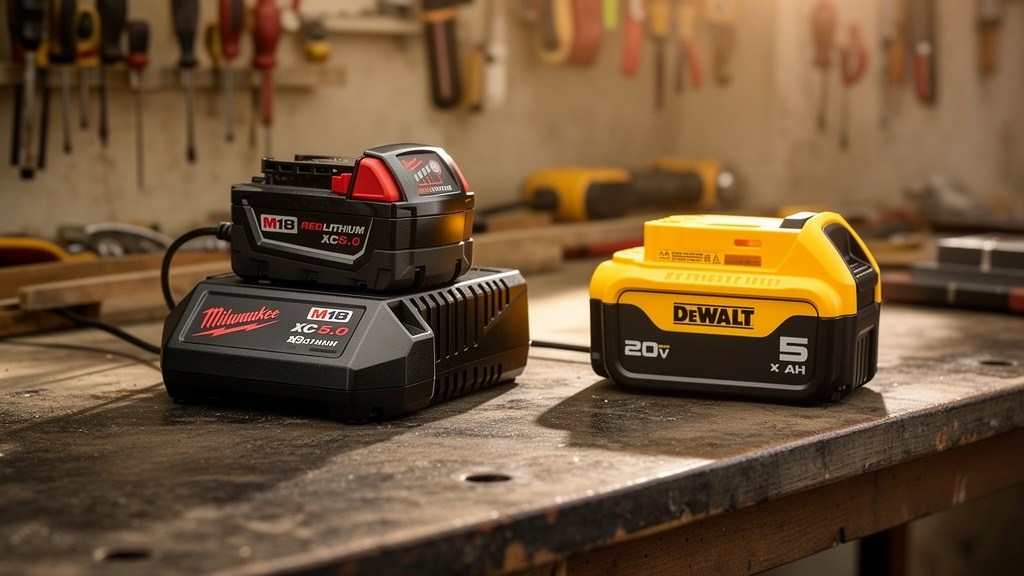
Milwaukee M18 vs DeWalt 20V Max: Which Battery Platform Makes More Sense Long Term

Choosing between Milwaukee M18 and DeWalt 20V Max is a long-term decision. This comparison examines real-world performance, platform depth, and tradeoffs to help determine which ecosystem best fits sustained use.

By: Review Streets Research Lab
Updated: January 20, 2026
Approx. 10–12 min read

Head-to-head

Milwaukee M18 vs DeWalt 20V Max: Which Battery Platform Makes More Sense Long Term

A neutral, long-term A/B look at two dominant cordless battery ecosystems—focusing on real-world performance, platform depth, cost of ownership, and how each choice plays out as your tool collection grows.
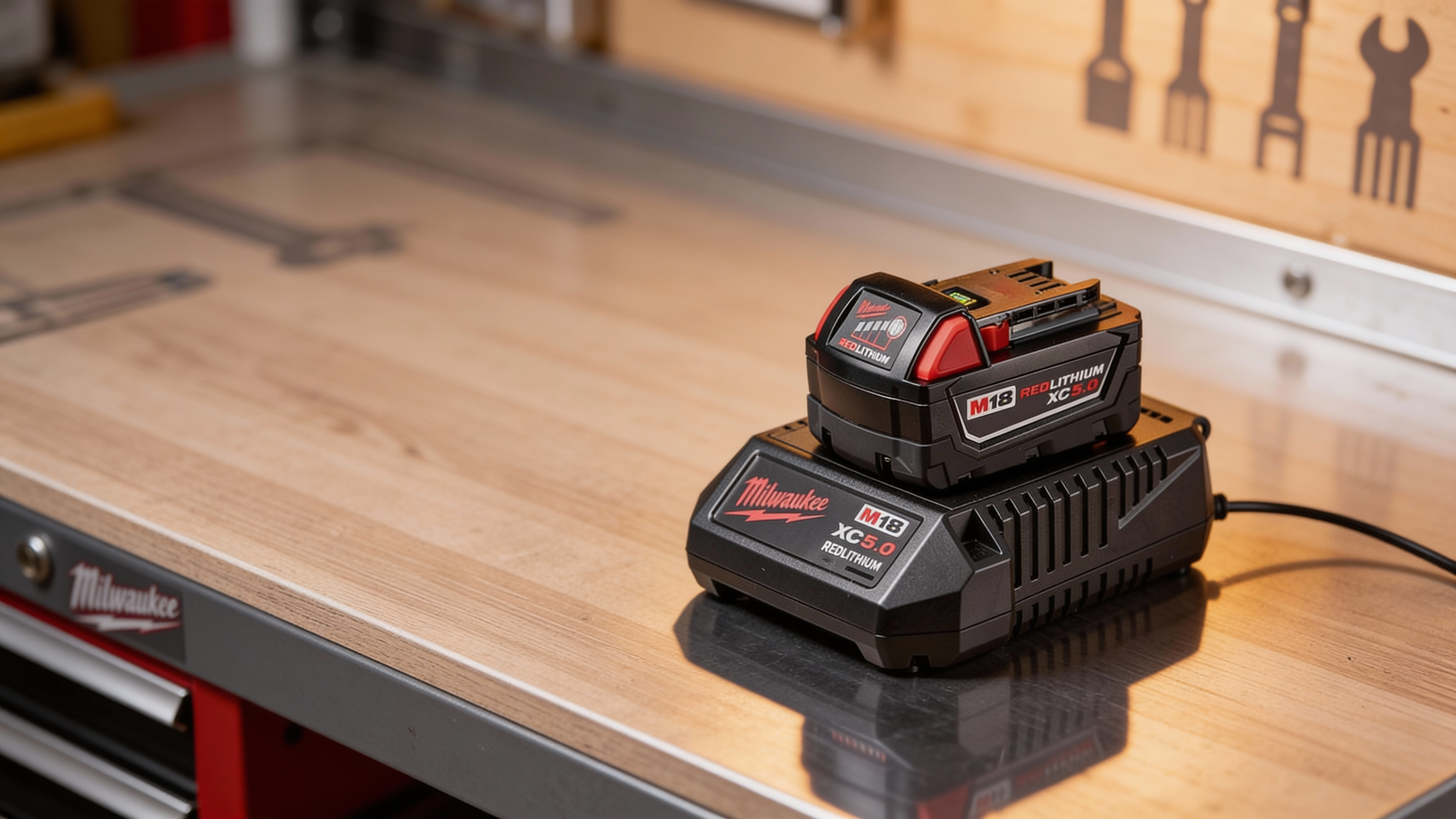
Milwaukee M18 battery platform

Milwaukee M18 Battery Platform

A performance-driven ecosystem built for demanding, daily use—known for strong output under load and one of the deepest cordless tool lineups available.

Score 9.2 Best for heavy daily use Battery M18 Why buy ecosystem depth
  • Consistently strong performance across high-draw and specialty tools
  • Broad lineup supports long-term expansion without switching platforms
  • Well suited to pros who prioritize capability over upfront cost
VS
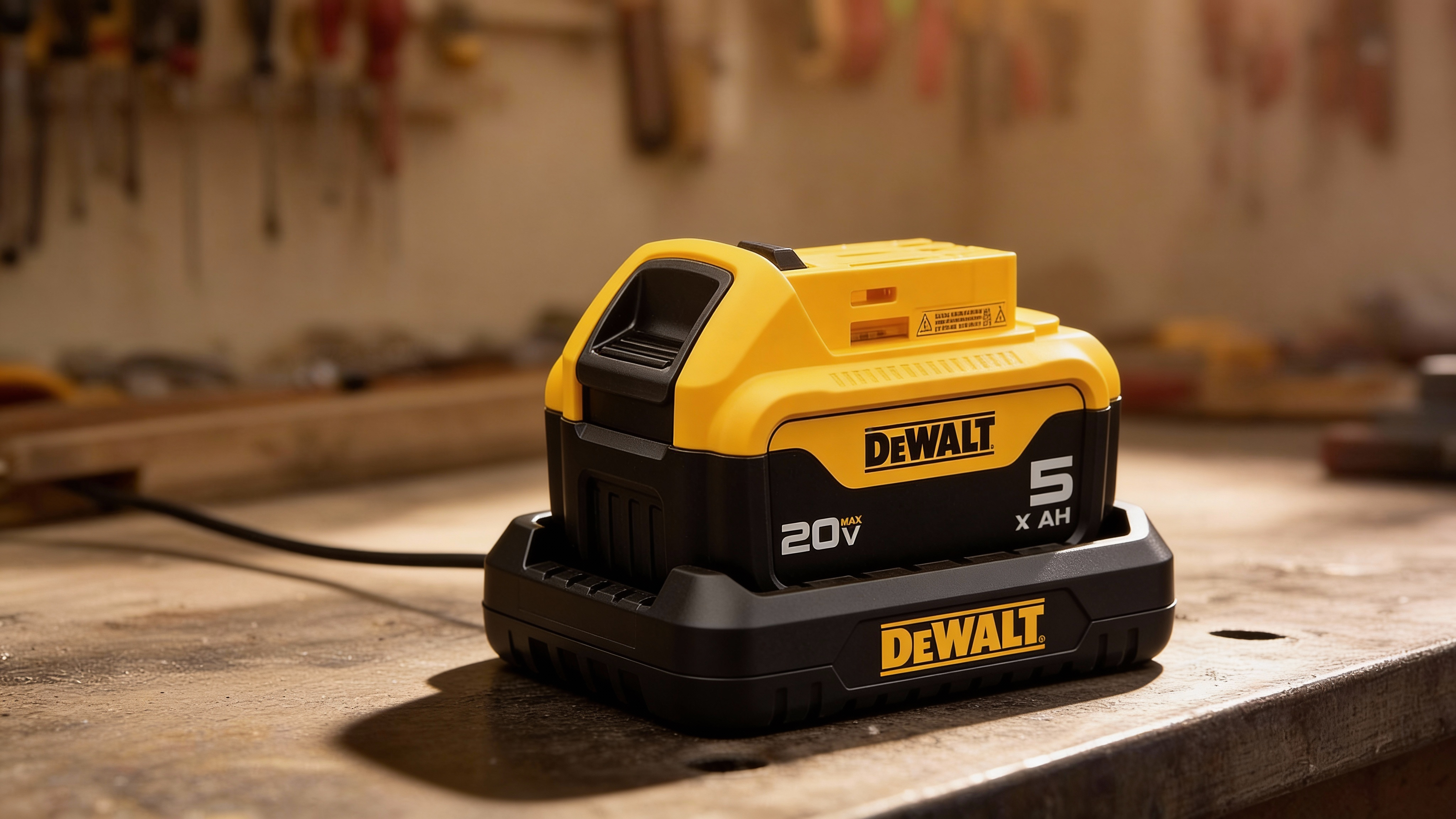
DeWalt 20V Max battery platform

DeWalt 20V Max Battery Platform

A widely adopted, jobsite-proven platform that balances solid performance with accessible pricing and strong availability across kits and retailers.

Score 8.8 Best for value-focused pros Battery 20V Max Why buy kit value
  • Reliable everyday performance across core cordless tools
  • Lower average buy-in thanks to frequent bundles and promotions
  • Easy to find replacements and tools on short notice
Performance under load
More consistent output
Strong, reliable
Milwaukee
Platform depth
Very large
Large
Milwaukee
Value over time
Higher upfront cost
Lower buy-in
DeWalt
Availability
Excellent
Excellent
Tie
Real-world context
This comparison reflects aggregated professional feedback, long-term ownership patterns, and platform usage rather than short-term lab testing.

Milwaukee — Why people choose it

  • Excellent support for high-demand tools and specialty applications
  • Confidence when expanding into a large, single-battery ecosystem
  • Strong reputation among full-time trades

DeWalt — Why people choose it

  • Better entry cost for building a cordless kit
  • Broad retail presence and easy replacement access
  • Balanced option for mixed professional and serious DIY use
Verdict: Choose Milwaukee M18 if your work demands maximum platform depth and consistent performance across a growing tool lineup. Choose DeWalt 20V Max if you want dependable results with a lower long-term buy-in and easier access to value-focused kits.
Read FAQs

Deep dive

What actually matters in this matchup

At a glance, both battery platforms appear similar, but the meaningful differences emerge over time and repeated use. This comparison looks at how each system delivers power under real load, how stable and predictable tools feel in hand, and how ownership decisions play out as projects, workloads, and tool collections expand.

Power and consistency in real work: The Milwaukee M18 platform tends to feel more composed when tools are pushed hard or run continuously, which can matter during demanding tasks or long stretches without breaks. DeWalt’s 20V Max system delivers dependable performance for most common applications, with fewer surprises and a smoother feel during everyday use.

Control, balance, and fatigue: Tool balance and how weight is distributed with typical batteries can influence comfort more than raw output. DeWalt’s tools often feel easier to manage over extended sessions, while Milwaukee’s slightly heavier setups trade some comfort for a sense of authority and control when resistance increases.

Ownership and long-term flexibility: Choosing a battery platform is rarely about a single tool. Milwaukee’s ecosystem favors users who expect to grow into a wide range of specialized tools over time, while DeWalt’s platform often appeals to those who want broad coverage with lower upfront commitment and easy access to replacements and kits.

Methodology

How we evaluated these battery platforms

Our evaluation centers on how battery platforms perform and hold up in real use, not on published specs alone. We focus on practical scenarios that reveal differences in power delivery, consistency, usability, and long-term ownership experience across the Milwaukee M18 and DeWalt 20V Max ecosystems.

Tasks: powering common cordless tools through repeated fastening and drilling tasks, sustained load situations, frequent battery swaps, and extended work sessions to surface differences in runtime behavior, balance, and user fatigue.

What we scored: consistency under load, control and predictability during starts and stops, perceived build confidence, ease of day-to-day use, and the practical advantages or limitations of each battery ecosystem over time.

How results are interpreted: outcomes are weighed using a context-aware approach, recognizing that priorities shift based on workload, tool mix, and how deeply a user plans to invest in a single battery platform.

What we ignored: isolated lab metrics, headline spec claims, and features that do not consistently translate into noticeable benefits during real-world, repeatable use.

FAQ

Milwaukee M18 vs DeWalt 20V Max: Common questions

Are Milwaukee M18 and DeWalt 20V Max batteries interchangeable?
No. Each platform uses its own battery design and electrical interface, so batteries are only compatible with tools from the same brand and system.
Does one platform offer noticeably longer runtime?
Runtime depends more on battery size and the tool being used than the brand alone. Both platforms offer multiple capacity options that can deliver similar work time when matched appropriately.
Which platform is easier to expand over time?
Milwaukee’s M18 lineup includes a wider range of specialized and trade-specific tools, while DeWalt’s 20V Max platform focuses on broad coverage with widely available core tools and kits.
Are replacement batteries easy to find?
Yes. Both Milwaukee and DeWalt batteries are widely stocked online and at major retailers, making replacements or additions easy to source when needed.
Which platform makes more sense if I already own tools?
Staying within your existing battery platform is usually the most practical choice. It avoids duplicate chargers and batteries and keeps long-term ownership costs lower.

Key Takeaways

  • Choosing between Milwaukee M18 and DeWalt 20V Max is less about raw capability and more about how consistently that capability shows up during demanding, repeatable work.
  • Milwaukee’s platform tends to favor users who expect heavier loads, longer sessions, or expansion into specialized tools over time.
  • DeWalt’s platform often appeals to those prioritizing balance, accessibility, and lower friction when building or maintaining a cordless kit.
  • Battery platform decisions compound over time, making ecosystem depth, replacement availability, and kit pricing more influential than initial tool impressions.
  • Real-world comfort and workflow impact often matter more than peak performance numbers, especially during long workdays or mixed task lists.

Verdict

Which battery platform makes more sense long term

This is a close, legitimate comparison where the right choice depends on how hard the tools are used, how long they’re kept, and how large the cordless system is expected to grow over time.

Best fit for demanding, long-term use

Milwaukee M18 Battery Platform

A strong choice for users who prioritize consistent performance under load, platform depth, and long-term flexibility as their tool collection expands.

  • Feels more composed during sustained or higher-demand work
  • Supports a wider range of specialized and trade-focused tools
  • Well suited to long ownership cycles with ongoing platform growth

Also a strong option

Jump to the Head-to-Head

Tip: If you already own batteries and chargers in one platform, staying within that ecosystem can outweigh smaller performance differences.

Where to Buy

We prioritize reputable sellers, easy returns, and reliable availability.

Price checks happen regularly. Some links may earn a commission—never affects rankings.

Accessories You’ll Want

  • Additional battery packs (mix of compact and higher-capacity batteries to balance runtime and tool weight)
  • Multi-voltage charger (helps manage multiple batteries efficiently, especially when running several tools in rotation)
  • Protective battery storage case (keeps packs organized, protected, and easier to transport between jobs or projects)
  • High-capacity battery option (useful for saws, grinders, or longer sessions where fewer swaps matter)
  • Tool bag or system case (designed to carry batteries, chargers, and tools together without loose packs)

Tip: Batteries and chargers often outlast individual tools, so investing in compatible accessories early can improve convenience and reduce long-term replacement costs.