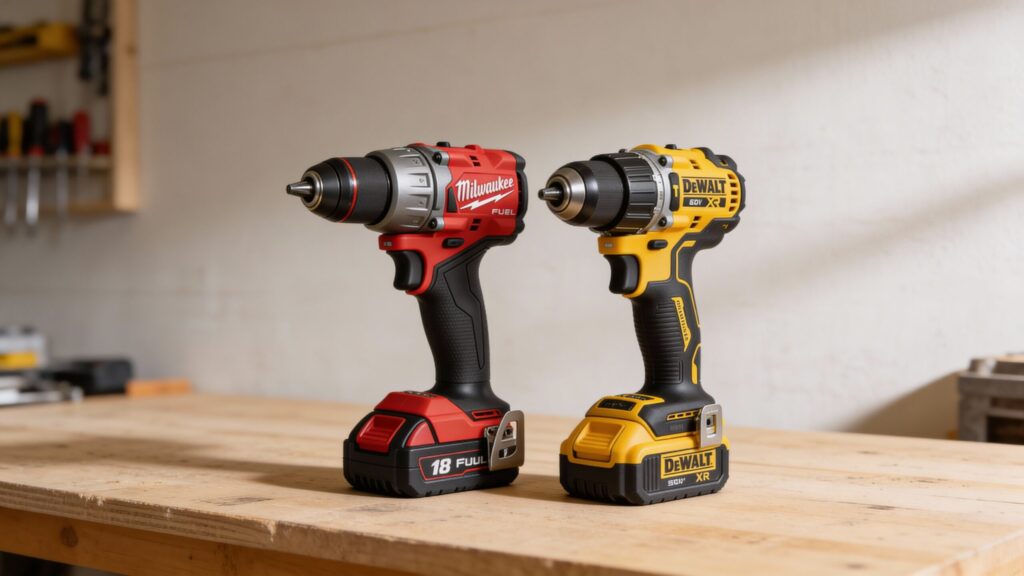
Milwaukee M18 vs DeWalt 20V Max: Which Is the Better First Pro-Grade Drill? 

Milwaukee M18 and DeWalt 20V Max represent two leading pro-grade drill platforms, each offering distinct strengths in power, ergonomics, and system depth that matter when choosing a first professional tool.

By: Review Streets Research Lab
Updated: January 25, 2026
Approx. 10–12 min read
Milwaukee M18 vs DeWalt 20V Max: Which Is the Better First Pro-Grade Drill? 

Head-to-head

Milwaukee M18 vs DeWalt 20V Max: Which Is the Better First Pro-Grade Drill?

A clear A/B look at what matters when you’re buying your first pro-grade drill: real-world drilling and driving feel, control and fatigue, kit value, and the long-term cost of committing to a battery ecosystem.
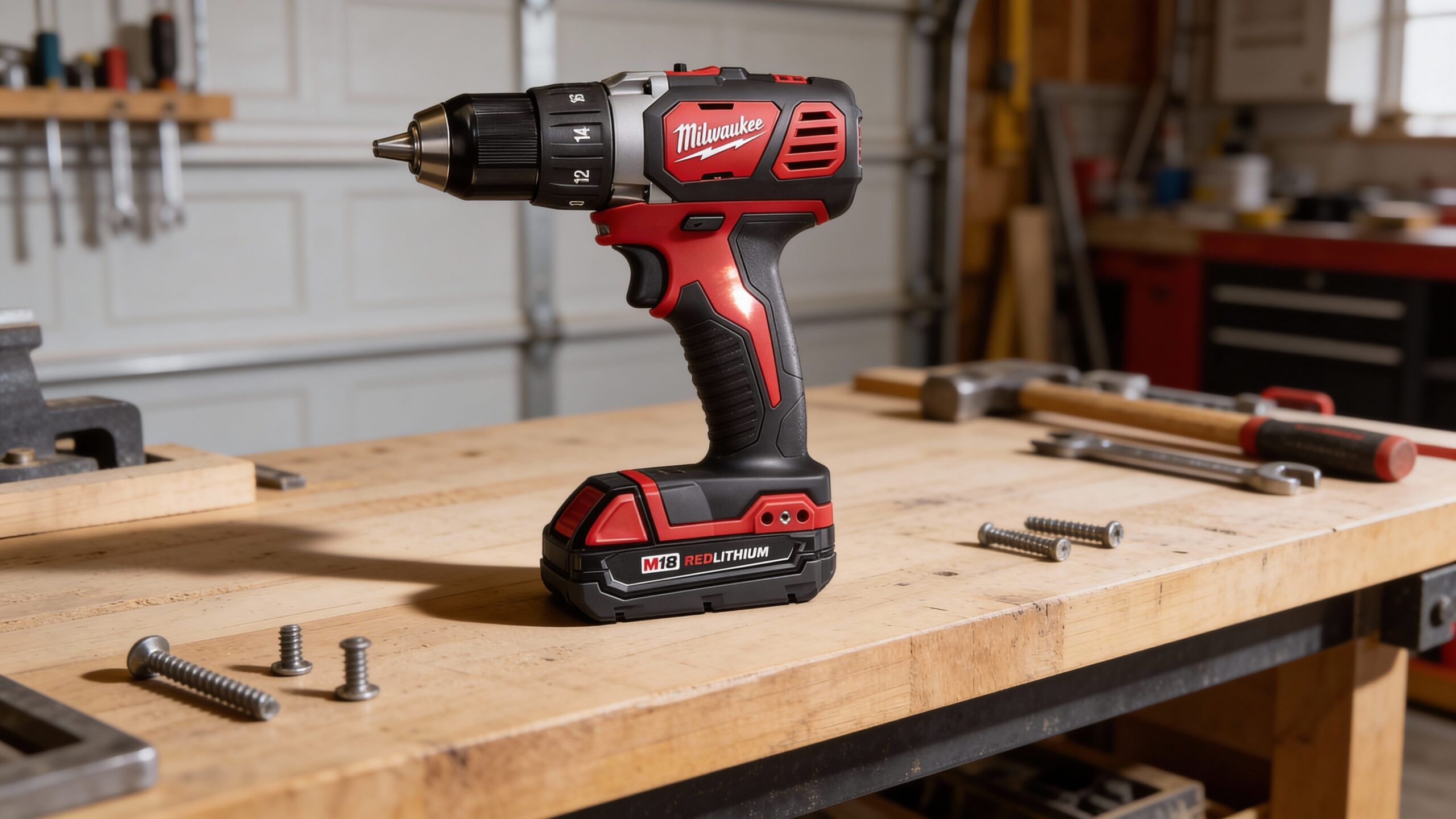
Milwaukee M18 cordless drill platform

Milwaukee M18 cordless drill platform

A torque-forward, work-first feel that stays composed when you lean into dense material—well suited to frequent drilling, longer fasteners, and heavier day-to-day trade use.

Score 9.2 Best for demanding daily use Battery M18 Why buy strong under load
  • More confident feel when boring larger holes or pushing into denser stock
  • Consistent, controllable starts for repeatable driving and cleaner screw seating
  • Best upside if you plan to expand into a broad pro cordless lineup over time
VS
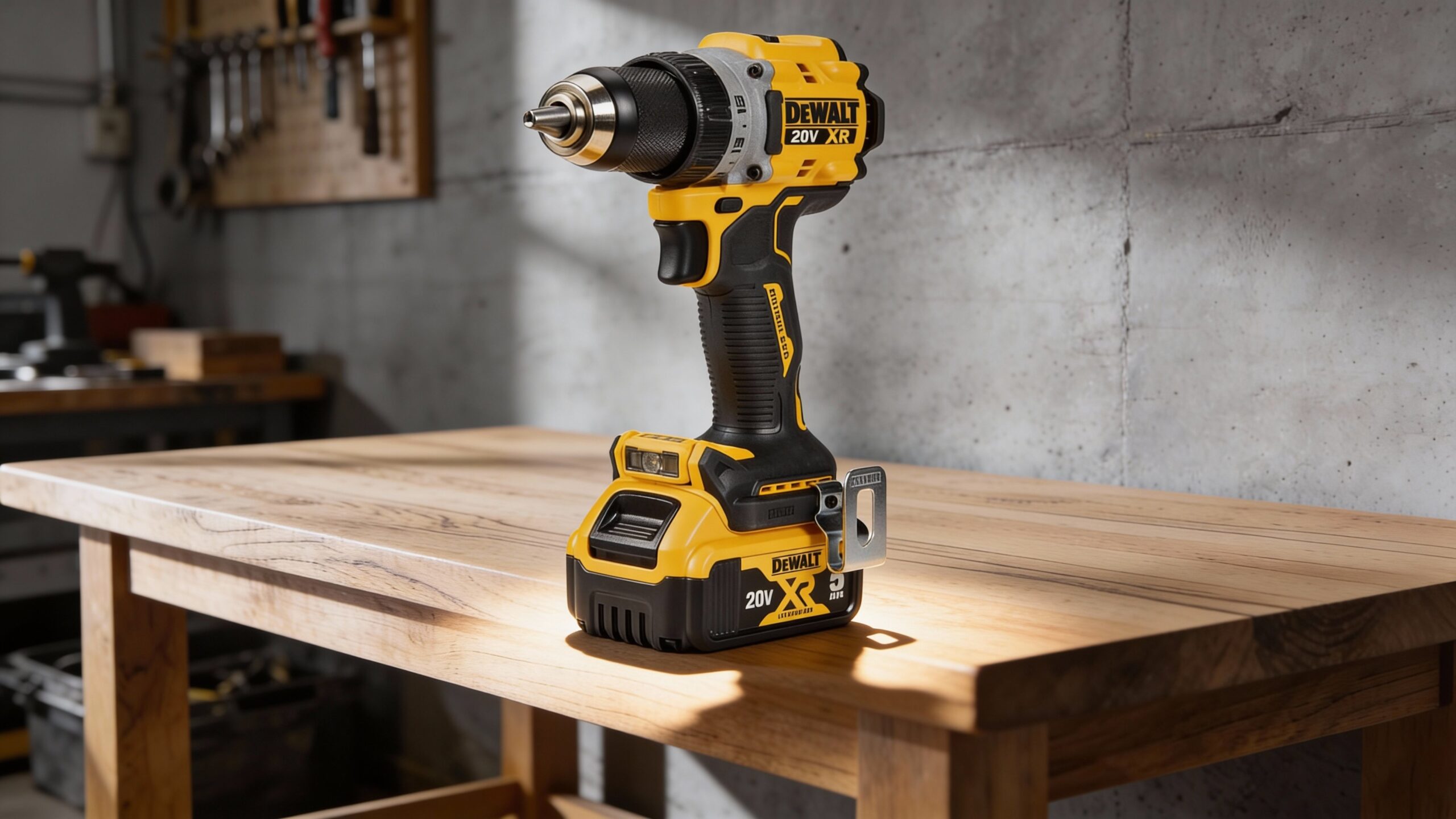
DeWalt 20V Max cordless drill platform

DeWalt 20V Max cordless drill platform

A proven, widely available platform that delivers reliable pro results in everyday drilling and fastening—especially appealing when you’re starting with popular kits and promos.

Score 8.8 Best for value-focused buy-in Battery 20V MAX Why buy kit value + access
  • Strong all-around performance for routine holes, pilots, and common fastening
  • Often easier to start affordably thanks to widely sold kits and promotions
  • Good pick when availability and replacement convenience matter day to day
Power under load
More composure in dense work
Strong for everyday jobs
Milwaukee
Control & clutch consistency
Very consistent, clean starts
Consistent, easy to dial in
Milwaukee
Ergonomics (feel + fatigue)
Stable, slightly more substantial
Balanced for long sessions
DeWalt
Value (typical kit pricing)
Usually a higher buy-in
Often better kit deals
DeWalt
Battery ecosystem depth
Very deep M18 lineup
Large 20V MAX lineup
Milwaukee
Real-world context
This comparison reflects a synthesis of professional reviews, manufacturer data, long-term user feedback, and use-case patterns to highlight how each platform typically performs in everyday drilling and driving.

Milwaukee — Why people choose it

  • More composed feel when the bit loads up or the work shifts to denser material
  • Predictable control for repeatable fasteners and cleaner finish work
  • Strong long-term platform value if you’ll expand beyond a drill into specialty tools

DeWalt — Why people choose it

  • Excellent everyday capability with a more accessible starting cost in many kits
  • Comfortable balance for repetitive driving and overhead or ladder work
  • Easy to buy and replace on the road thanks to broad retail availability
Verdict: Choose Milwaukee M18 if your first pro-grade drill needs to feel more composed under load and you expect to grow into a larger, long-term cordless lineup. Choose DeWalt 20V Max if you want reliable jobsite performance with stronger typical kit value, easy availability, and a straightforward, cost-effective platform to build on.
Read FAQs

Deep dive

What actually matters in this matchup

Milwaukee M18 and DeWalt 20V Max XR can both handle everyday drilling and fastening, but the decision usually comes down to how each one feels when work gets repetitive or demanding. What matters most is how smoothly power arrives when the bit starts to bite, how easy it is to start a hole without wandering, how predictable the clutch feels when you’re setting screws to a finish, and how the tool balances with the batteries you’ll actually run day to day.

Under real load: the Milwaukee M18 platform tends to feel more composed when you push harder—like hole saws, spade bits, or long fasteners in dense stock—because the tool feels less “surprised” as resistance changes. DeWalt 20V Max XR generally feels strong and consistent in typical jobsite tasks, and many users prefer its steadiness for the broad middle of everyday drilling and fastening.

Control and clean starts: small differences show up most in the first second of a hole or screw. If you care about clean pilot holes, centered starts, and repeatable screw seating, pay attention to how easily the drill modulates at low speed and how predictable the clutch feels across common materials. Both can do finish-friendly work, but one may feel easier to “dial in” depending on your hand and workflow.

Ergonomics over long sessions: comfort is less about the handle shape on day one and more about fatigue after an hour of overhead work or repeated fasteners. Battery choice changes the experience: compact packs can make either drill feel nimble, while larger packs improve runtime but shift balance. If your work involves tight spaces or awkward angles, overall length and balance can matter more than raw output.

Reliability confidence: for a first pro-grade drill, the goal is fewer interruptions—less chuck fussing, fewer mid-task battery swaps, and a tool that stays predictable when you’re moving fast. Both platforms have strong support and broad availability, but the “confidence” factor often comes down to how the drill behaves when it’s slightly overloaded or when the material isn’t ideal.

Ownership and platform fit: the drill is rarely the last cordless tool you buy. Milwaukee M18 is often chosen when you expect to add deeper specialty tools over time, while DeWalt 20V Max XR is frequently chosen for wide kit availability and easy expansion through common bundles. The better choice is the one that matches how you’ll build your system—batteries, chargers, and the next few tools you’ll realistically purchase.

How to choose in practice: if your first pro drill will regularly be pushed hard in framing, remodeling, or demanding installs, prioritize the option that feels calmer under load and easiest to control when materials change. If your work is more varied—routine drilling, fastening, and frequent supply-run convenience—prioritize the option that feels most comfortable in your hand, is easiest to buy into with common kits, and fits the platform you’ll stick with.

Methodology

How we evaluated these cordless drills

Milwaukee M18 and DeWalt 20V Max XR were evaluated using real-world tasks that expose practical differences in day-to-day drilling and fastening—how smoothly power shows up when resistance changes, how controllable starts feel, and how tiring each tool is over longer sessions. The goal is to reflect ownership and workflow outcomes, not spec-sheet advantages.

Tasks: boring common holes in framing lumber and sheet goods, drilling cleaner pilots in harder stock, driving mixed fasteners (short and long) to consistent depth, repeated start–stop work to evaluate control, and overhead/awkward-angle use to assess balance and fatigue with typical battery sizes.

What we scored: usable power under load, low-speed control and clutch predictability, comfort and handling over time, chuck confidence during repeated bit changes, and ownership factors that affect real cost and flexibility (battery platform depth, availability of kits, and easy expansion).

How results are interpreted: outcomes are weighed in context, because the “best” drill depends on the work. Demanding drilling and frequent heavy use prioritize composure and consistency under load, while mixed tasks and long sessions can prioritize balance, controllability, and practical kit value.

What we ignored: advertised torque or RPM claims in isolation, one-off lab-style results that don’t translate to repeatable day-to-day use, and minor features that don’t meaningfully change drilling, fastening, comfort, or long-term ownership.

FAQ

Milwaukee M18 vs DeWalt 20V Max XR: Common questions

Which drill makes more sense as a first pro-grade option?
Both can work well as a first pro drill, but the better choice depends on priorities. Milwaukee often appeals to users who expect frequent, demanding use and plan to build a larger tool system, while DeWalt is commonly chosen for a smoother entry with widely available kits and familiar handling.
Will I notice a difference in power during everyday projects?
In routine drilling and fastening, both feel capable and predictable. Differences become more noticeable during heavier tasks—such as larger holes or long fasteners—where one may feel calmer under changing resistance while the other emphasizes steady, easy control.
How much do ergonomics and balance matter between these two?
Ergonomics can matter a lot during longer sessions or overhead work. Battery size, grip comfort, and overall balance often have a bigger impact on fatigue than raw power, and users may prefer one feel over the other depending on hand size and typical tasks.
Are these drills suitable for tight or finish-sensitive work?
Both can handle finish-friendly tasks when used carefully, but ease of control at low speeds is key. For cabinetry, electrical work, or precise starts, the drill that feels easier to modulate and balance in your hand will usually be the better fit.
How should battery platform choice factor into the decision?
The battery platform often matters more than the drill itself over time. Choosing the system that aligns with future tool needs, local availability, and budget for additional batteries and chargers can have a bigger long-term impact than small performance differences.

Key Takeaways

  • The biggest difference shows up under load: Milwaukee tends to feel calmer and more composed when work gets demanding, while DeWalt emphasizes steady, predictable performance in everyday tasks.
  • Control and feel matter as much as power—small differences in low-speed modulation and clutch predictability can affect finish quality and confidence more than headline specs.
  • Ergonomics are situational: battery size, balance, and grip comfort can influence fatigue over long sessions more than brand or platform alone.
  • Choosing a first pro-grade drill is often about the system, not just the tool—battery ecosystem depth, kit availability, and future expansion shape long-term value.
  • Neither option is universally “better”; the right choice depends on how hard the drill will be pushed, how often it’s used, and how the rest of the cordless lineup will grow.

Verdict

Choosing the right first pro-grade drill

This matchup is close, and both drills are fully capable in real-world use. The deciding factors come down to how demanding the work will be, how the drill feels during longer sessions, and how much weight you place on long-term platform commitment versus immediate kit value.

Best fit for heavier use

Milwaukee M18 Drill/Driver

Better suited for users who expect frequent, demanding tasks and want a drill that stays composed when pushed harder, with strong long-term flexibility as a tool system grows.

  • Feels more controlled when resistance changes mid-task
  • Supports consistent results in tougher drilling and fastening
  • Aligns well with long-term expansion into a larger cordless lineup

Also a strong choice

Jump to the Head-to-Head

Tip: When performance is close, choosing the battery ecosystem you’re most likely to build on can matter more than small differences between drills.

Where to Buy

We prioritize reputable sellers, easy returns, and reliable availability.

Price checks happen regularly. Some links may earn a commission—never affects rankings.

Accessories You’ll Want

  • Quality drill/driver bit set (Phillips, Torx, square, plus spares of your most-used sizes)
  • Brad-point and spade bit assortment (clean starts in wood, faster rough holes in studs and framing)
  • 1/4" impact-rated bit set (useful for driving screws and swapping bits quickly, even if you add an impact later)
  • Extra battery pack (one compact for balance + one higher-capacity for longer sessions)
  • Right-angle attachment (helps in cabinets, between studs, and other tight spots where a standard drill won’t fit)

Tip: Match accessories to your platform and use—battery size changes balance, and a few quality bits often improve results more than chasing higher specs.