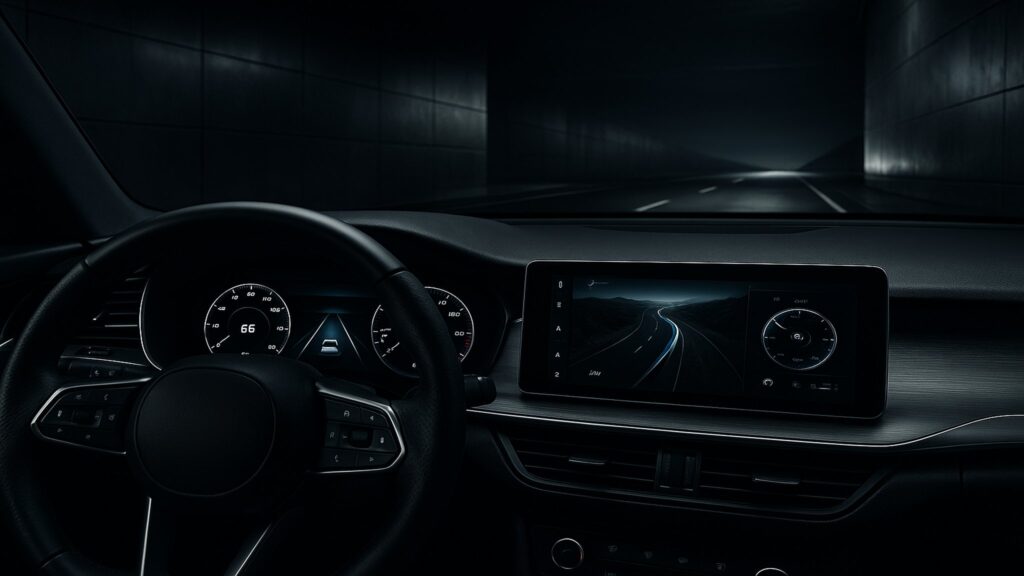
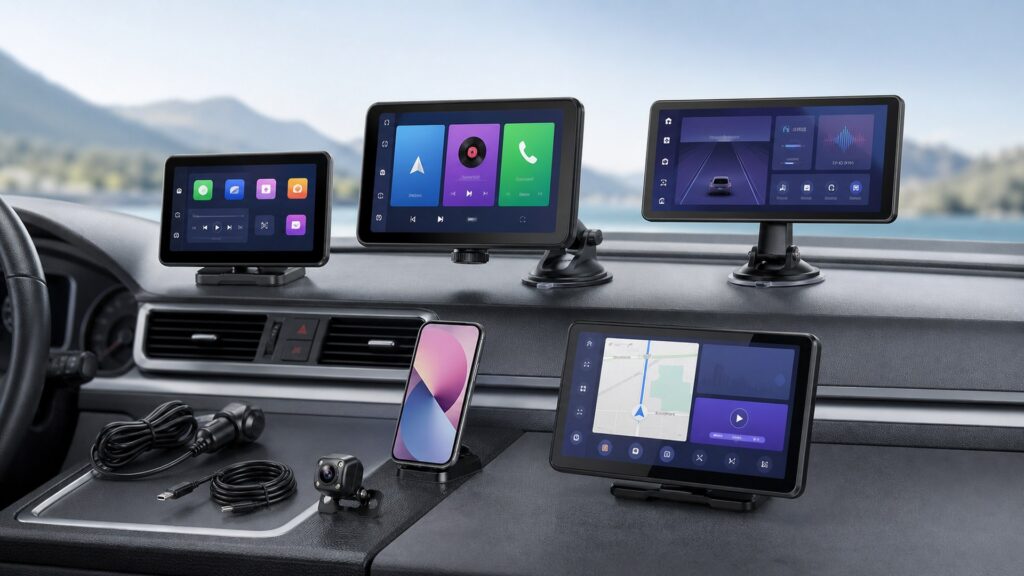
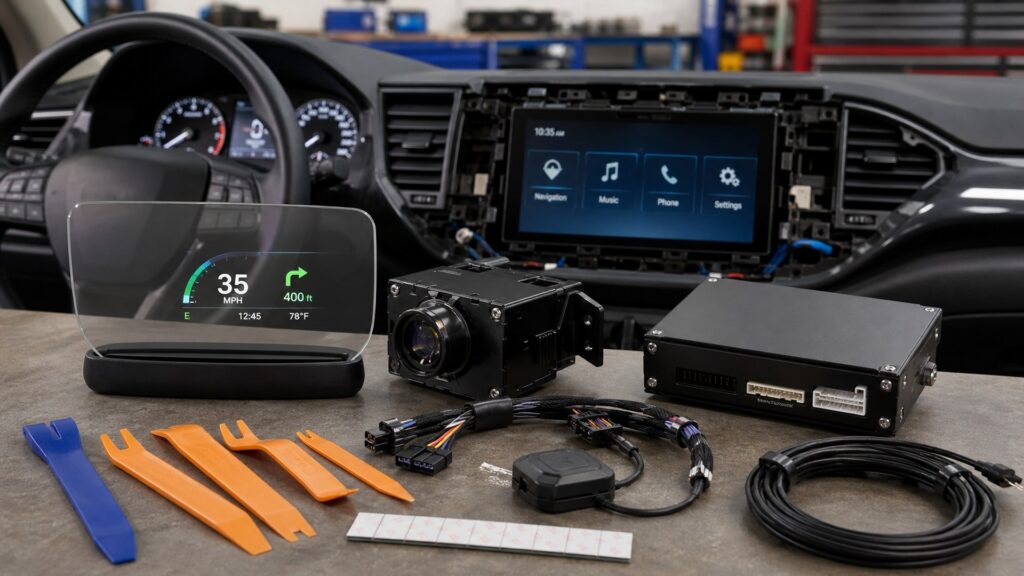
From glanceable heads-up displays to full Android Auto screens, this hub covers every driving display worth your dashboard space. We test, compare, and break down the top options so you can upgrade your cockpit with confidence. Whether you're modernizing an older vehicle or fine-tuning a new one, find the right display for how you actually drive.
Start Here
Browse by display type below to jump straight to the reviews, comparisons, and guides most relevant to your setup.
Jump straight to our strongest driving displays recommendations and best overall picks.
Browse the main kinds of driving displays to find the right fit for your needs.
See how types and top models stack up so you can understand tradeoffs before choosing.
Learn what matters most before you buy.
Featured
Our top picks highlight the driving displays that deliver the best combination of visibility, compatibility, and value across real-world use. Each featured choice is vetted for ease of installation and daily reliability.
Start with the driving displays category that matches your needs. Each type has its own hub with Top 10 lists, reviews, comparisons, and buying guides.
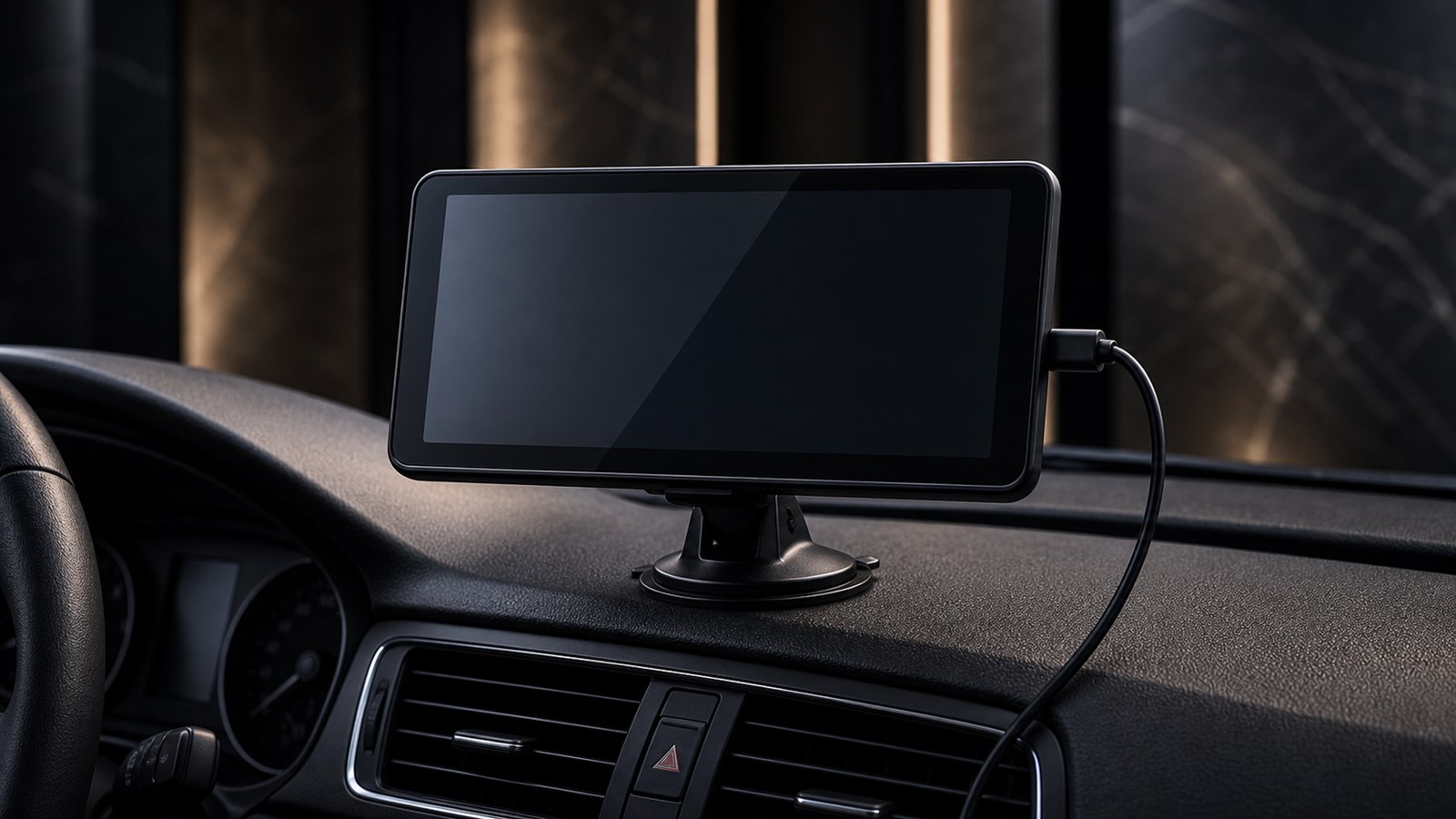
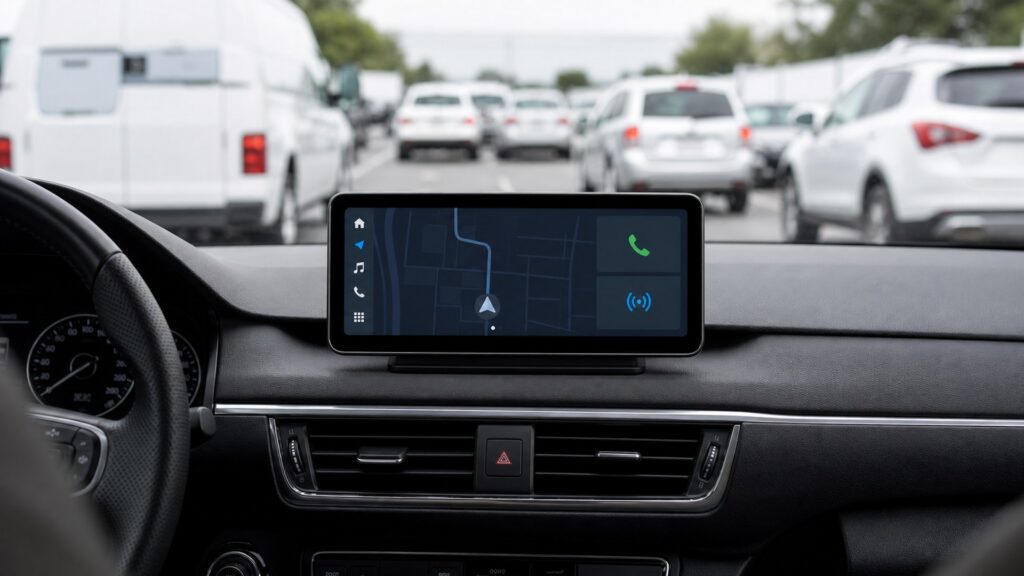
Dedicated Android Auto displays bring Google Maps, voice commands, and app mirroring to your dash with a larger, more responsive screen than your phone.
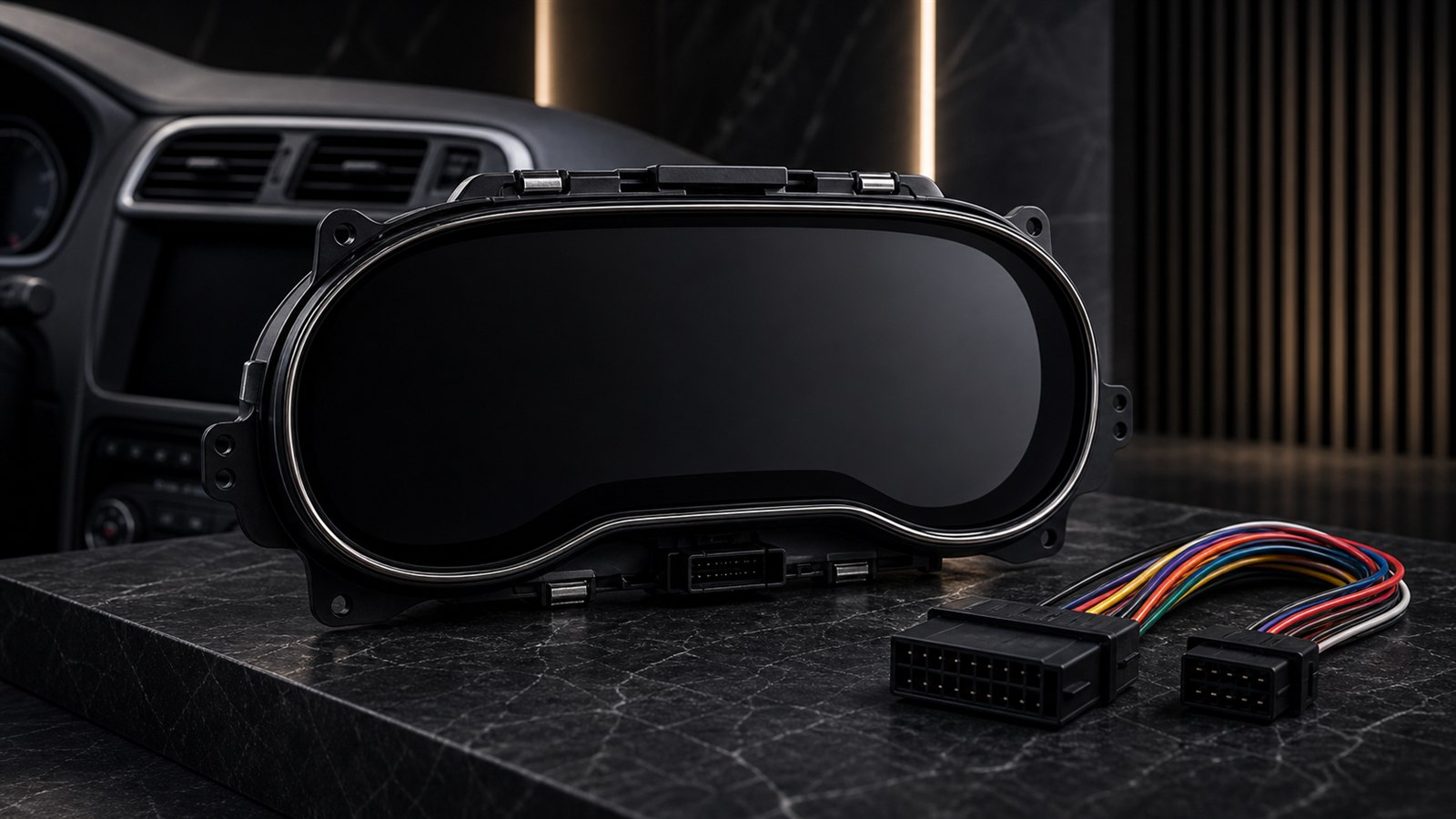
Digital dash displays replace or supplement analog gauges with customizable, real-time readouts of speed, RPM, fuel, and vehicle diagnostics.
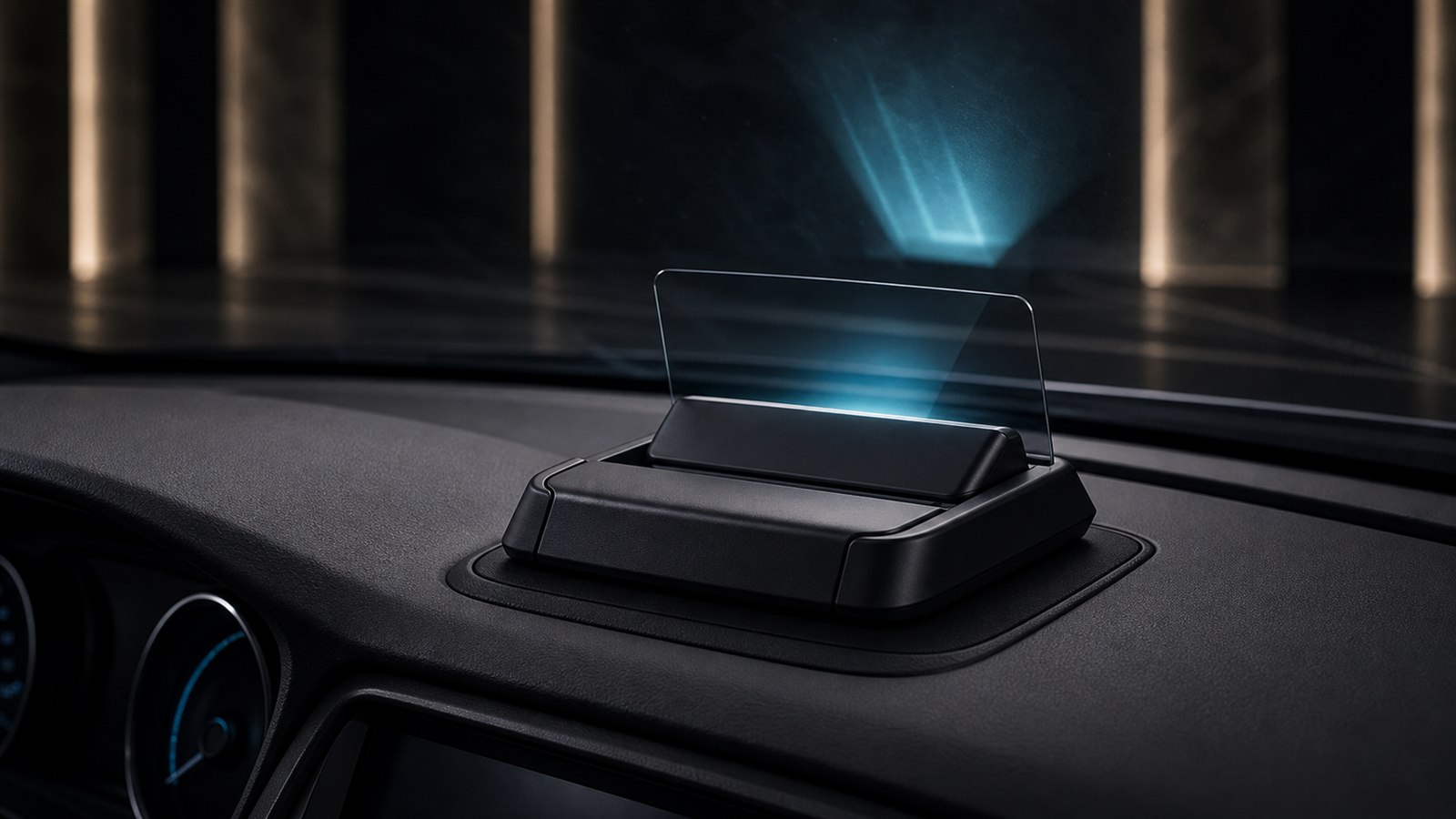
Heads-up displays project speed, navigation, and alerts onto your windshield so you can read critical info without ever looking down.
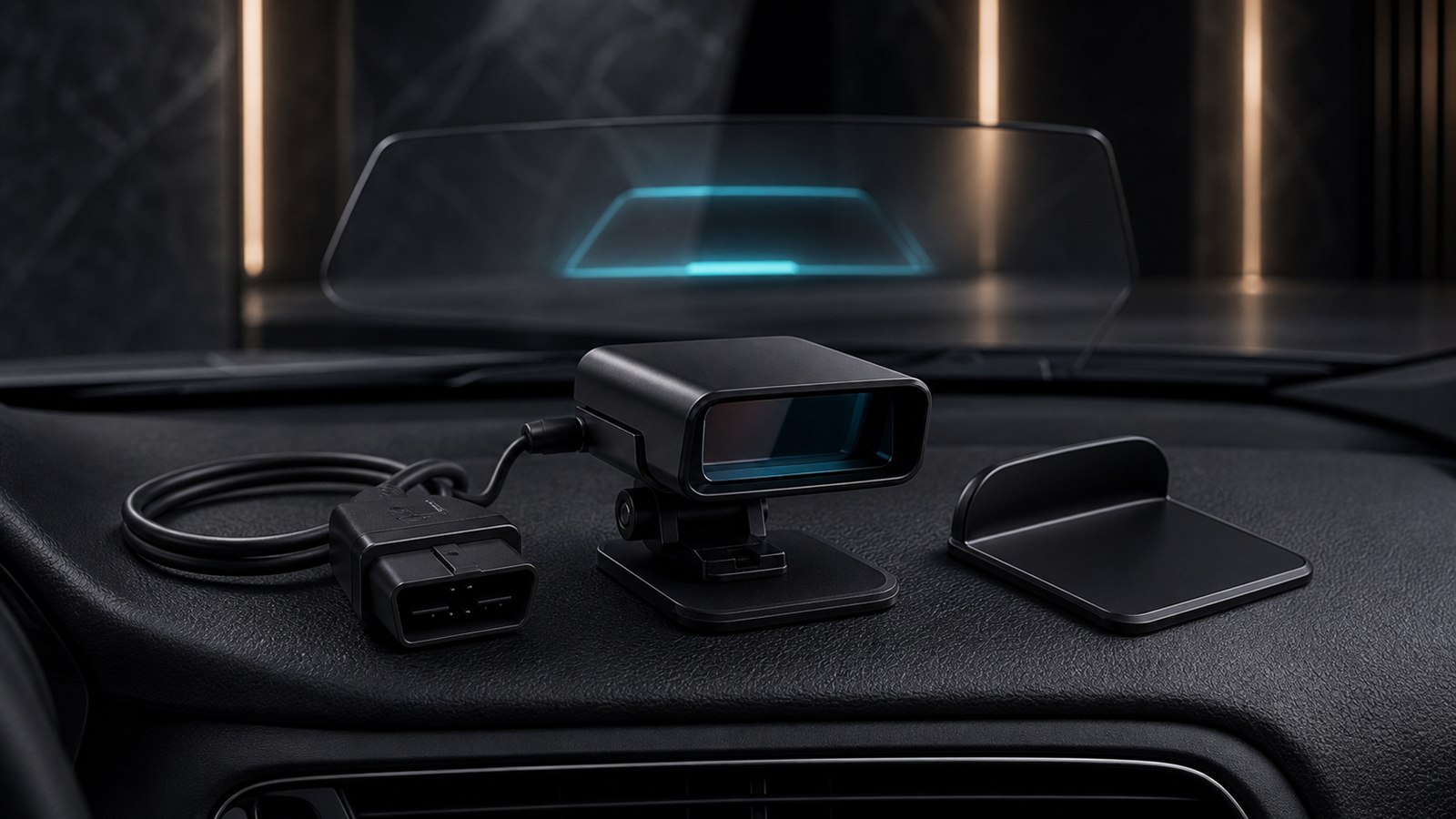
OBD heads-up displays plug into your car's OBD-II port to project live engine stats, fault codes, and performance metrics directly onto the windshield.
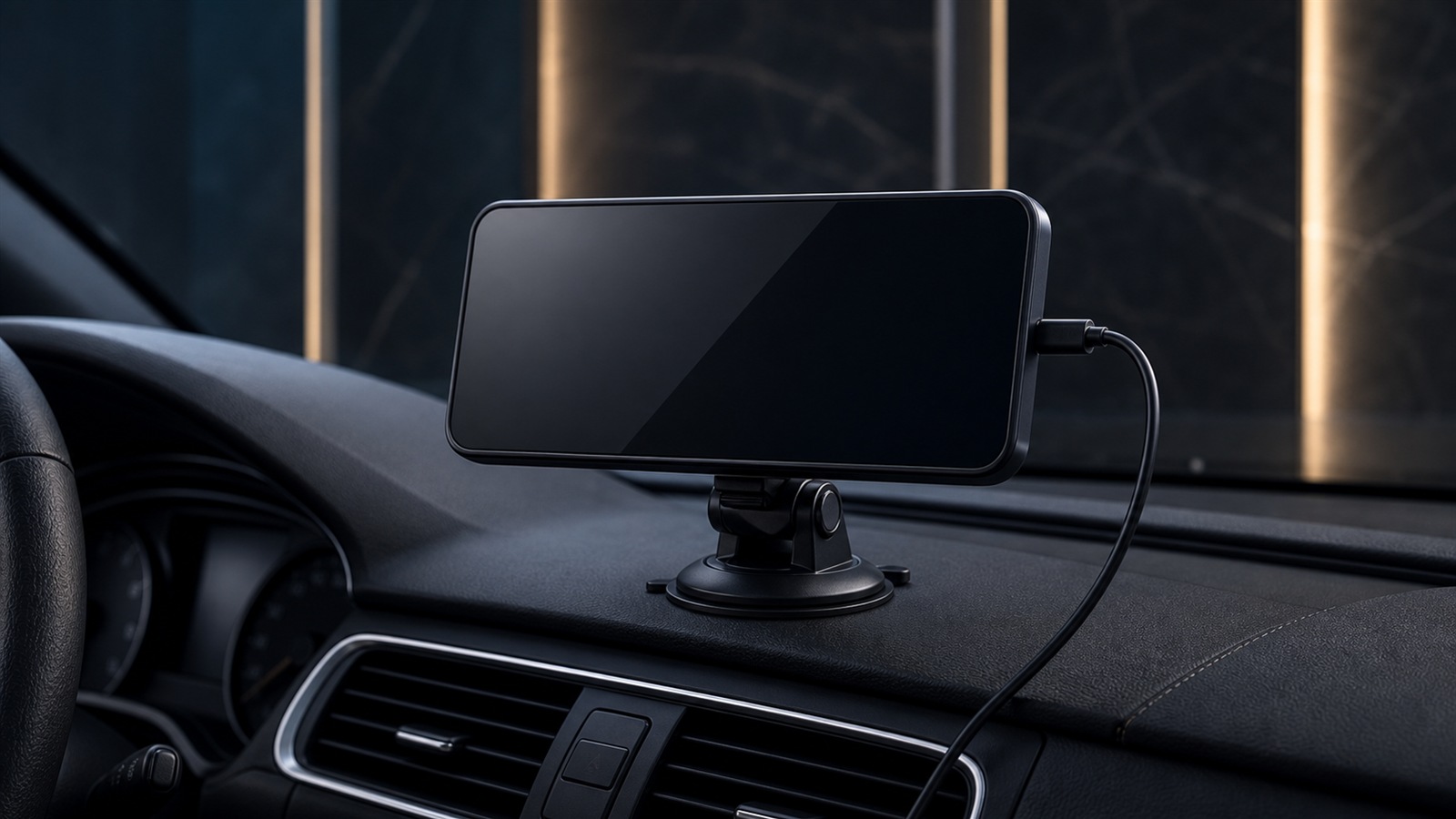
Wireless CarPlay displays let iPhone users access navigation, calls, and media on a dedicated screen without plugging in a single cable.
Fresh Drops
Our driving display reviews cover real-world image clarity, mount quality, device compatibility, and how each unit performs in direct sunlight and nighttime conditions.
Side-by-side
Head-to-head comparisons pit driving displays against each other on screen size, brightness, wireless connectivity, and vehicle compatibility to help you choose without second-guessing.
Smart Decisions
Our buying guides walk you through the factors that matter most: display brightness, screen size, wired vs. wireless connectivity, OBD-II compatibility, and ease of installation.
Our Process
Review Streets uses structured analysis and AI-assisted research to evaluate driving displays across performance, usability, and value. We combine manufacturer specifications, verified third-party testing data, professional feedback, and real customer experiences to surface meaningful differences between products.
Our system compares products side-by-side using normalized specifications, expert reviews, and aggregated user feedback to identify strengths, limitations, and best-fit use cases — delivering clear, practical guidance to help you choose the right driving displays for your needs.
Understand First
Explainer articles clarify the technical differences between HUD projection types, OBD-II protocols, Android Auto vs. CarPlay ecosystems, and what display specs actually mean for daytime readability.
Browse by format
Prefer a specific format? Jump straight to it.
Choose a retailer
Prices checked regularly. We may earn a commission at no cost to you.