This head-to-head comparison evaluates the Ridgid R86115 and Milwaukee 2804-20 across power, durability, ergonomics, and real-world performance to clarify key differences and practical tradeoffs.

Reviews You Can Trust
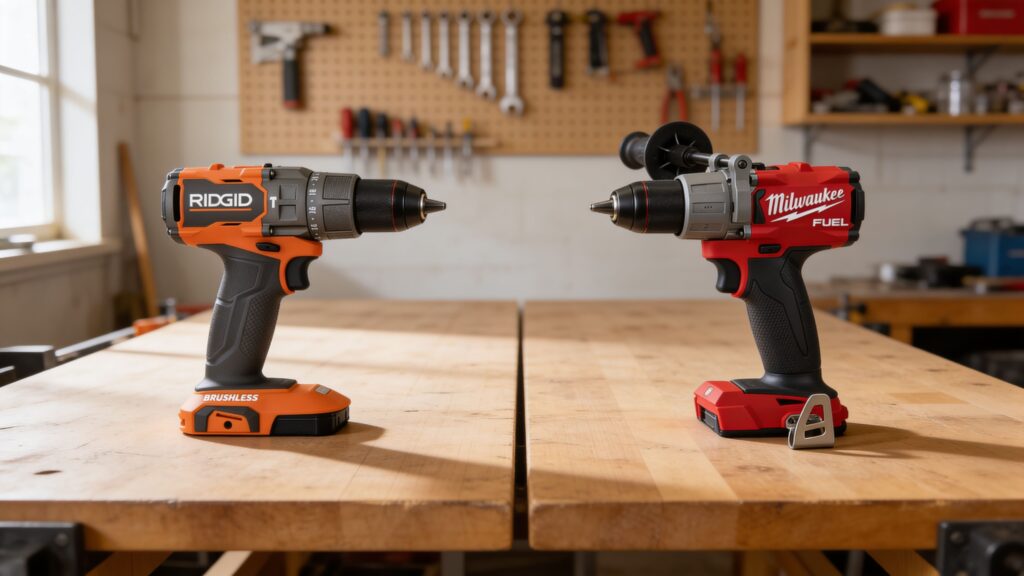
Head-to-head
Ridgid R86115 vs Milwaukee 2804-20: Which Hammer Drills Is Better?
A clean A/B view of what matters in real work: drilling speed in tough material, control for repeatable fastening, comfort over long days, kit value, and the long-term cost of committing to a battery platform.
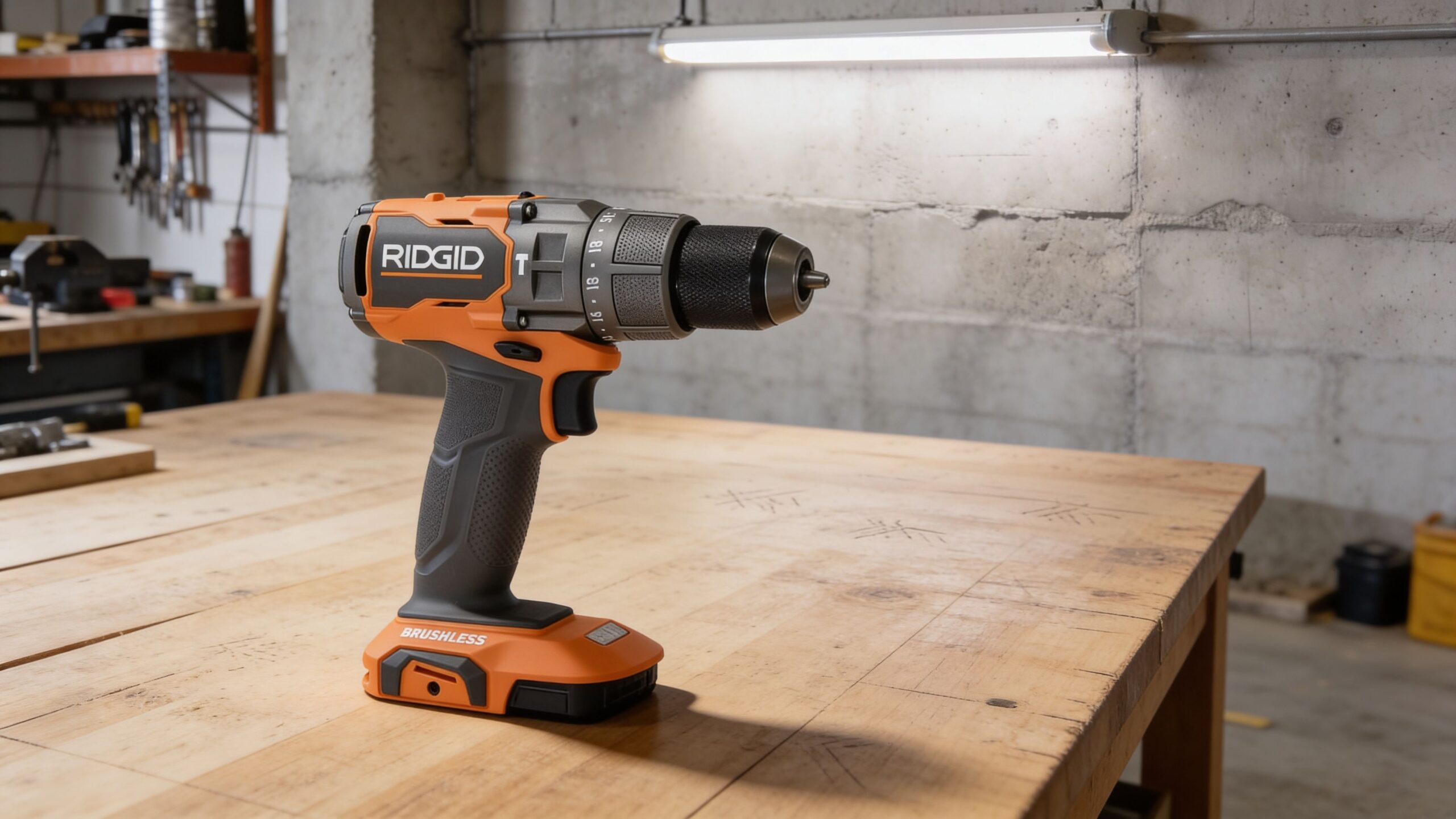
Ridgid R86115 cordless hammer drill/driver
A practical, jobsite-capable drill that shines when you want dependable hammer-drill performance and everyday fastening control without paying premium-platform pricing.
- Solid all-around feel for routine drilling, pilots, and fastening in framing lumber
- Often the easier “buy-in” when you need a capable drill and a couple batteries in one kit
- Good pick for mixed use: home projects plus occasional heavier-duty tasks on site
VS
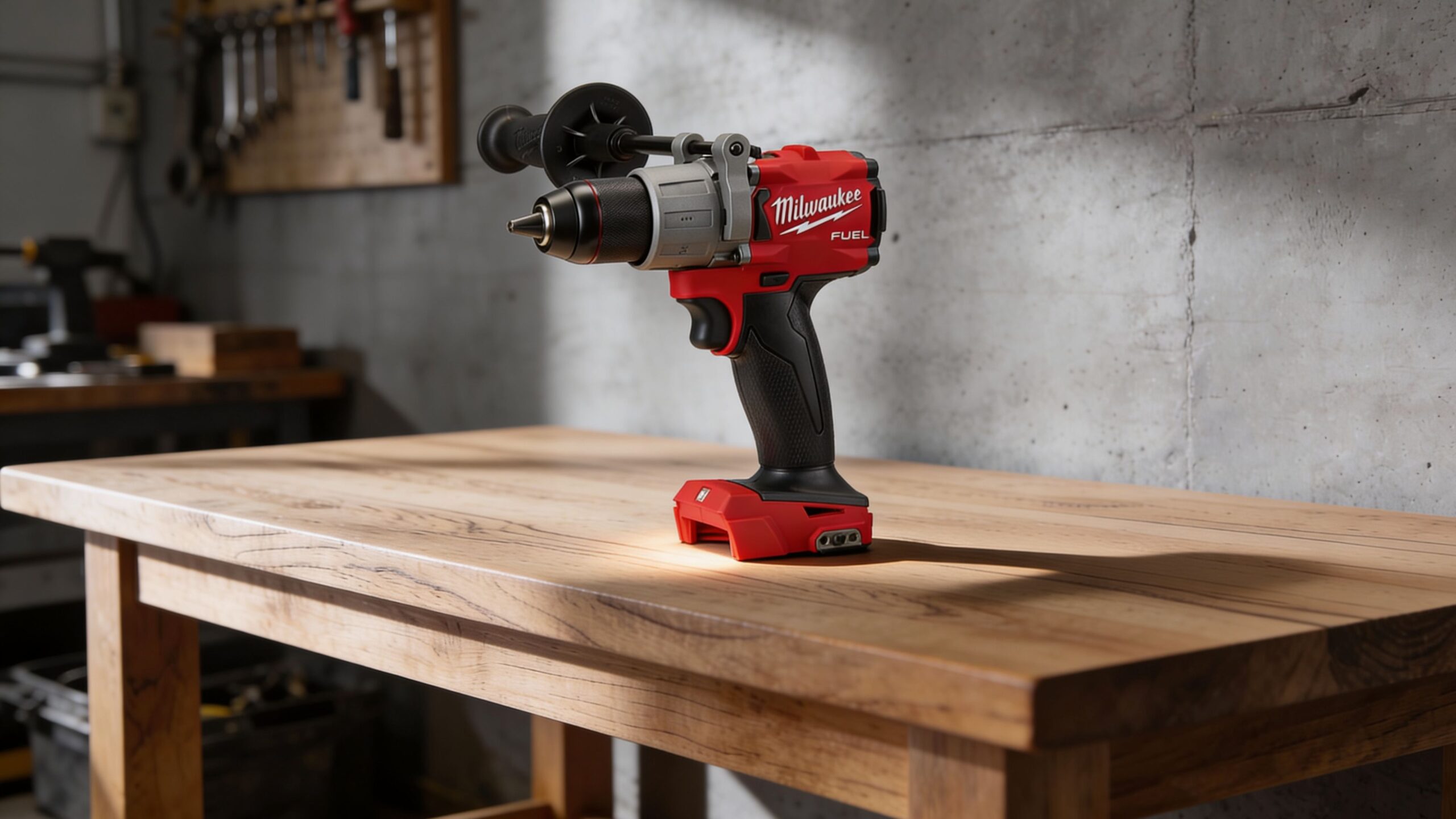
Milwaukee 2804-20 M18 FUEL hammer drill/driver
A pro-grade hammer drill known for staying composed in demanding holes and dense stock—built for daily use where power delivery, control, and platform depth matter.
- More “keep going” confidence when boring larger holes or working in tough material
- Strong control for clean starts, consistent screw seating, and fewer re-drives
- Excellent long-term choice if your kit will expand beyond one or two core tools
Power under load
Jobsite-capable
More consistent headroom
Milwaukee
Control & clutch consistency
Good, predictable
Excellent, more refined
Milwaukee
Ergonomics (feel + fatigue)
Comfortable, easy to manage
Stable, can feel heavier
Ridgid
Value (typical kit pricing)
Often a better deal
Costs more
Ridgid
Battery ecosystem depth
Smaller, focused
Massive
Milwaukee
Real-world context
This comparison reflects a synthesis of professional reviews, manufacturer data, long-term user feedback, and use-case patterns to highlight how each drill typically performs in everyday projects.
Ridgid — Why people choose it
- Strong everyday performance for drilling, hammer drilling, and routine fastening without premium pricing
- Practical choice for mixed-use owners: DIY, maintenance, and occasional heavier-duty work
- Good “kit value” appeal when you need a complete setup quickly
Milwaukee — Why people choose it
- More confident feel when you’re pushing larger bits or working in dense material
- Refined control for clean starts, fewer cam-outs, and consistent screw seating
- Deep M18 lineup if you’ll expand into impacts, saws, nailers, and specialty tools
Verdict: Choose Milwaukee 2804-20 if you drill hard materials often, run larger bits regularly, or want the deepest platform for a growing pro kit. Choose Ridgid R86115 if you want a capable hammer drill for everyday work with stronger typical kit value and a lower-cost path into a solid 18V lineup.