SDS-Plus and SDS-Max serve different drilling demands, with meaningful tradeoffs in size, power, control, and jobsite use. This comparison explains where each system fits best.

Reviews You Can Trust
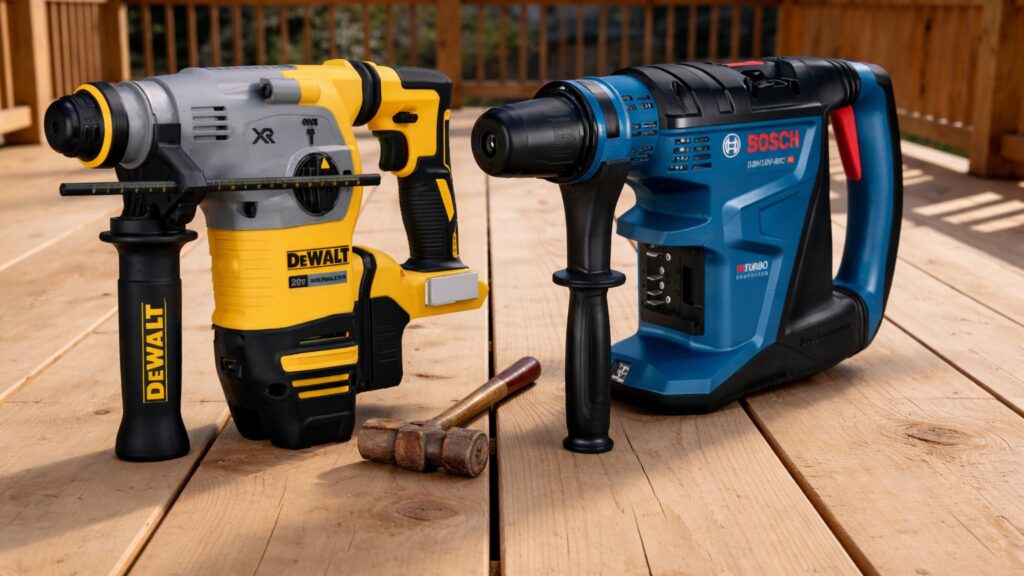
Head-to-head
SDS-Plus vs SDS-Max: Key Differences Explained
A clear A/B look at what matters in real drilling work: hole size range, tool weight, overhead control, chipping capability, and which shank system makes more sense for the jobs you actually take on.
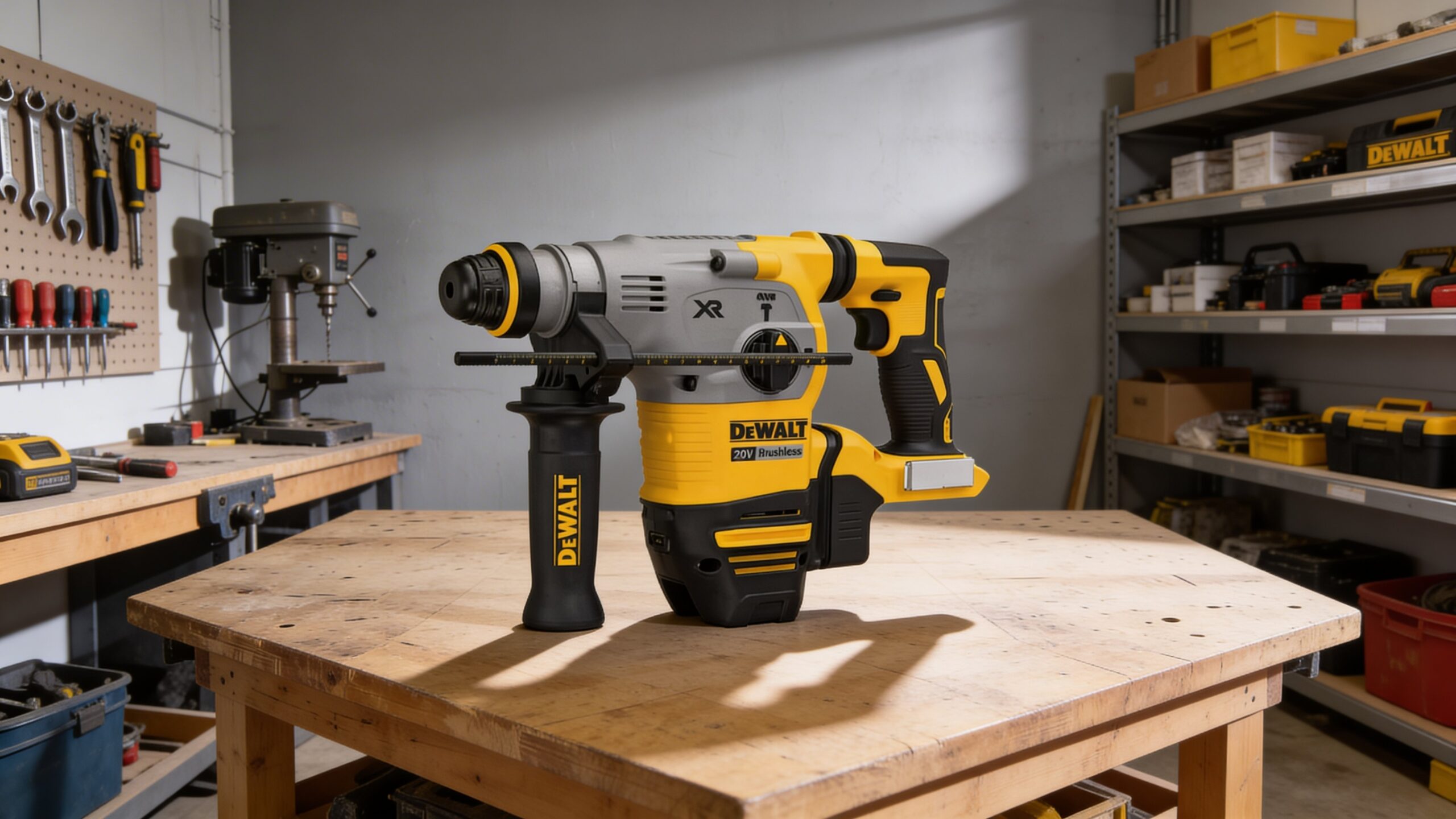
SDS-Plus rotary hammer drill
The more versatile, easier-handling option for everyday anchoring, smaller concrete holes, and repeated overhead work. It fits crews who need speed, control, and less tool bulk more often than maximum demolition force.
- Easier to manage for repeated anchor holes, ladder work, and overhead drilling
- Usually the better fit when speed and control matter more than maximum impact energy
- Smarter choice for general trades that drill concrete often but do not live in large-diameter work
VS
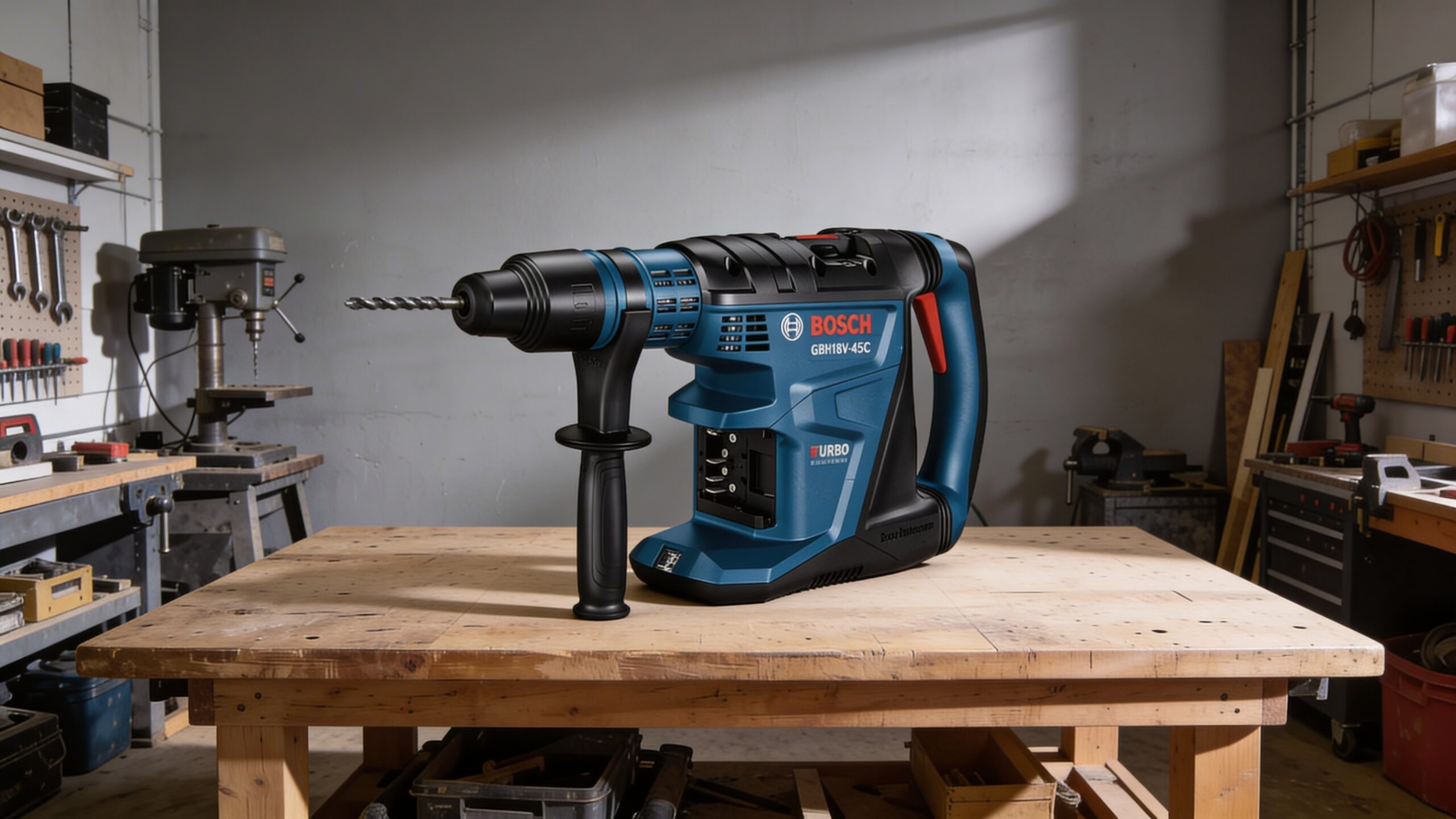
SDS-Max rotary hammer drill
The heavier-duty system for larger holes, tougher concrete, and serious chipping or demolition tasks. It makes sense when production demands more striking force and tool mass is a worthwhile tradeoff.
- Better suited to large-diameter drilling, harder aggregate, and demanding demo tasks
- More tool mass and striking authority help when smaller systems start to feel limited
- Best for concrete specialists and crews that routinely push beyond light-to-medium duty work
Power under load
Strong for small to mid-size holes
More headroom for heavy drilling
SDS-Max
Control & clutch consistency
Easier to place and manage
Stable, but more tool to handle
SDS-Plus
Ergonomics (feel + fatigue)
Lighter, better overhead
Heavier, more tiring over time
SDS-Plus
Value (typical kit pricing)
Lower buy-in for most users
Costs more, justified by workload
SDS-Plus
Battery ecosystem depth
Broader access across common platforms
Available, but fewer light-duty entry points
SDS-Plus
Real-world context
This comparison reflects a synthesis of professional reviews, manufacturer data, long-term user feedback, and use-case patterns to highlight how each rotary hammer system typically fits real drilling and demolition work.
SDS-Plus — Why people choose it
- Better match for anchor setting, repetitive concrete drilling, and mixed trade work
- Usually easier to control in tighter spaces and less fatiguing on overhead jobs
- More practical as an everyday rotary hammer when maximum hole size is not the priority
SDS-Max — Why people choose it
- More convincing choice when larger bits, thicker slabs, or harder material are routine
- Delivers the stronger chipping and demolition capability many general-purpose tools cannot match
- Worth the added size and cost for crews whose workload regularly exceeds SDS-Plus territory
Verdict: Choose SDS-Max if your work regularly involves larger holes, harder concrete, and material removal where added impact force and heavier tool mass genuinely improve productivity. Choose SDS-Plus if you need the more versatile all-around system for anchor drilling, lighter handling, better overhead control, and a lower-friction fit for everyday pro use across a wider range of jobs.