Single-Speed vs Two-Speed Hammer Drills: Key Differences Explained

This comparison examines single-speed and two-speed hammer drills side by side, highlighting gearbox design, torque control, and real-world tradeoffs to clarify which configuration best fits specific concrete and masonry demands.

By: Review Streets Research Lab
Updated: February 20, 2026
Approx. 10–12 min read
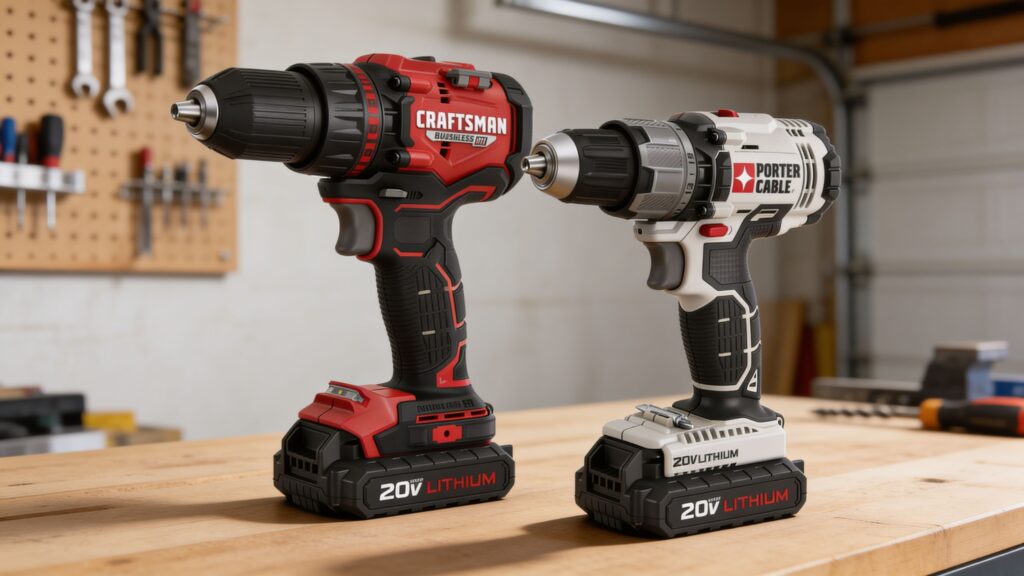
Single-speed and two-speed hammer drills side by side on a workshop bench highlighting gearbox selector and speed control differences

Head-to-head

Single-Speed vs Two-Speed Hammer Drills: Key Differences Explained

A clean A/B view of what matters on pro jobs: speed range and control, hole-start precision, ergonomics over long runs, and the real tradeoffs between simple single-speed operation and the versatility of a two-speed gearbox.
Single-Speed Hammer Drill

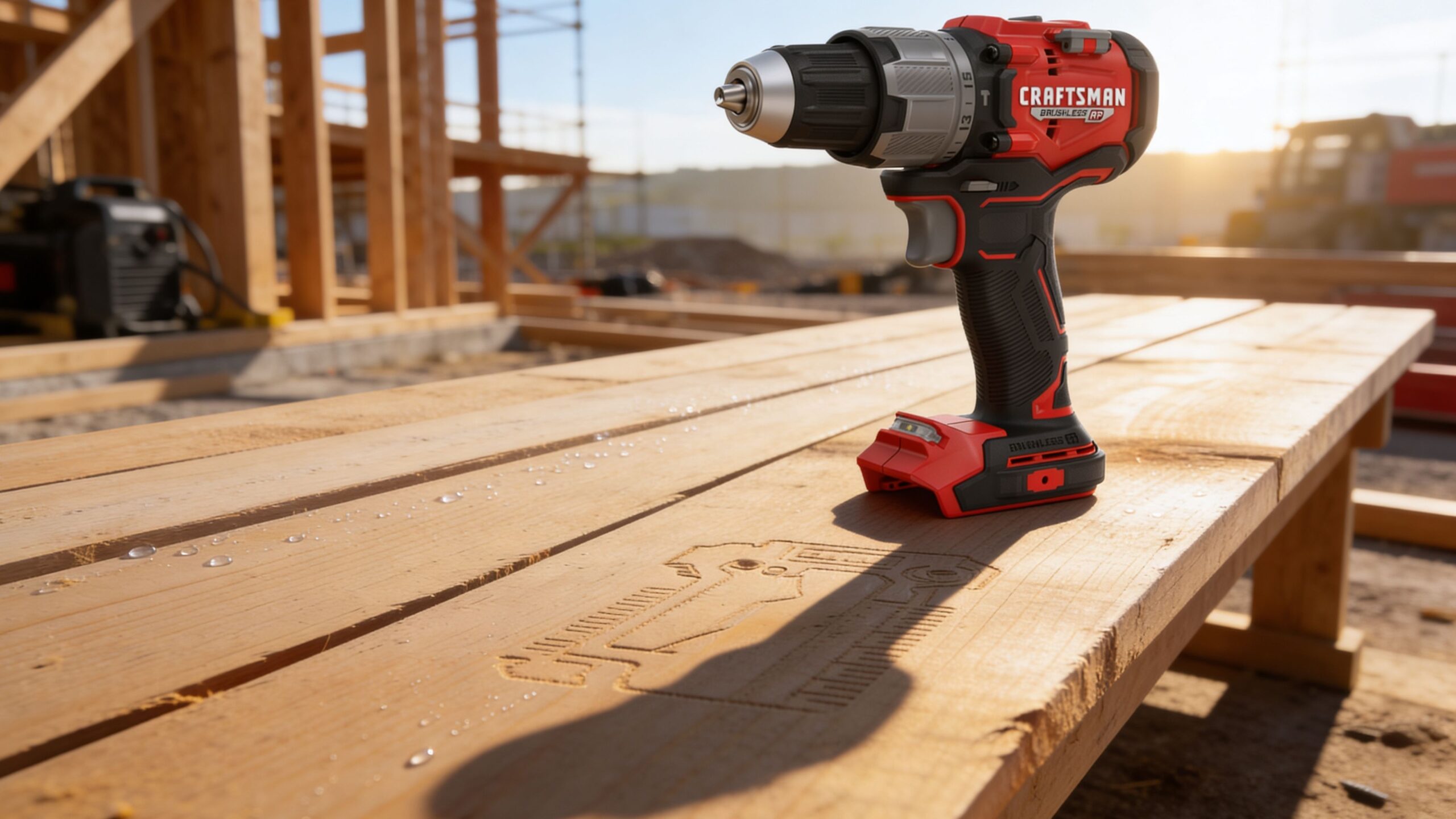
Single-Speed Hammer Drill

A simplified setup that prioritizes straightforward trigger control and fewer decisions—well-suited to routine drilling and fastening where you don’t need a dedicated low gear for heavy starts.

Score 7.8 Best for simple, repeatable tasks Battery platform-dependent Why buy simplicity + lower cost
  • Less gear-switching to think about—easy to hand off on busy jobs
  • Good for pilots, anchors in softer masonry, and general fastening workflows
  • Often the value play when you want hammer capability without added complexity
VS
Two-Speed Hammer Drill

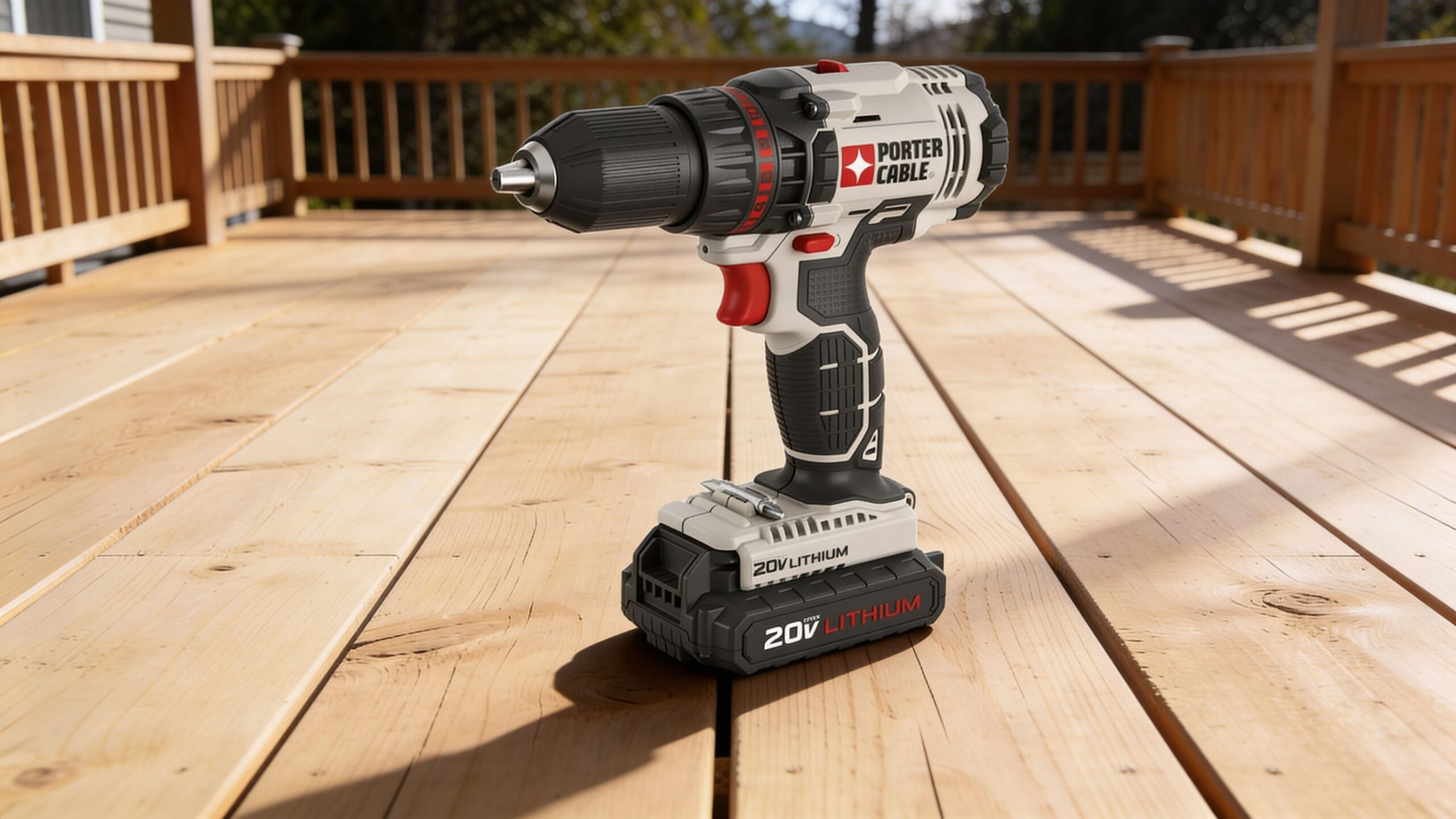
Two-Speed Hammer Drill

A more versatile gearbox that gives you a true low gear for controlled starts and demanding holes, plus a faster gear for efficient drilling—ideal when your day includes both precision and production.

Score 8.8 Best for mixed-material workloads Battery platform-dependent Why buy control + speed range
  • Low gear helps with clean starts, larger bits, and steadier hole-making in tougher material
  • High gear keeps pace on smaller bits and repetitive drilling where speed matters
  • Better choice when you need one drill to cover both careful work and higher-output tasks
Power under load
Good for routine holes
More usable low-gear leverage
Two-Speed
Control & clutch consistency
Solid trigger feel
Stronger low-speed control
Two-Speed
Ergonomics (feel + fatigue)
Simpler, less to manage
Versatile, slight learning curve
Single-Speed
Value (typical kit pricing)
Often the better deal
Costs more for versatility
Single-Speed
Battery ecosystem depth
Varies by platform
Varies by platform
Tie
Real-world context
This comparison reflects a synthesis of professional reviews, manufacturer data, long-term user feedback, and use-case patterns to highlight how each drill typically performs in everyday projects.

Single-Speed — Why people choose it

  • Fewer settings to manage for straightforward drilling and fastening
  • Often a lighter, simpler workflow for quick tasks and punch-list work
  • Typically delivers better value when hammer mode is occasional, not constant

Two-Speed — Why people choose it

  • Low gear improves starts and control for bigger bits and tougher material
  • High gear speeds up routine drilling and repetitive hole-making
  • Better all-around flexibility when your day mixes precision and production
Verdict: Choose Two-Speed if you need the broadest capability—controlled low-speed starts for demanding holes plus a faster gear for efficient drilling across mixed materials. Choose Single-Speed if your work is mostly routine drilling and fastening, you want a simpler workflow, and you’d rather prioritize straightforward operation and typical value.
Read FAQs

Deep dive

What actually matters in this matchup

Single-speed and two-speed hammer drills can both get holes in concrete and drive fasteners, but the day-to-day difference is workflow: how confidently the tool starts a hole, how steady it feels when the bit wants to wander, and how much control you have when the job shifts from masonry to wood or metal. This deep dive focuses on how the gearbox affects real outcomes—clean starts, fewer stalls, smoother pacing, and less frustration—rather than spec-sheet advantages.

For mixed-material days: a two-speed gearbox can reduce “one-setting compromise.” Low gear helps controlled starts and tougher holes, while high gear keeps routine drilling moving without feeling slow or overworked.

For repeatable control: single-speed models often feel simpler and more predictable because there’s no decision point—useful when the task is consistent, the tool is shared, or you want fewer adjustments between holes and fasteners.

For demanding starts and larger bits: two-speed tools typically make it easier to start cleanly and stay composed when resistance increases. That can translate into straighter holes, less bit walking on masonry, and fewer “grabby” moments.

For fatigue and pace: two-speed drills can feel less strained when you can match gear to the task, but they also add a small layer of management. Single-speed drills can be less mentally “busy,” even if they’re not always optimized for every step.

For ownership over time: the better choice depends on how often hammer mode is truly used and how varied the work is. If the drill must cover a wide range of materials and bit sizes, two-speed versatility tends to pay off. If hammer drilling is occasional and most work is routine, single-speed simplicity can be the more satisfying everyday fit.

Methodology

How we evaluated these hammer drills

Our evaluation focused on real tasks that reveal the practical differences between single-speed and two-speed hammer drills, not spec-sheet advantages. The goal is to understand how each gearbox style affects hole starts, control, pacing, and fatigue when moving between common drilling and fastening work in real conditions.

Tasks: starting and drilling anchor holes in typical masonry and concrete surfaces, drilling clean holes in wood and metal, switching between drilling and fastening, repeated start–stop cycles, and overhead/ladder work to assess balance, control, and fatigue.

What we scored: how composed the drill feels under resistance, how predictable the trigger is during starts, how well control holds up at slower speeds, overall ergonomics during longer sessions, perceived build confidence (chuck feel, mode switching, general robustness), and ownership factors that affect day-to-day use.

How results are interpreted: outcomes are judged using a context-aware approach, since the “best” setup depends on workload. Two-speed versatility matters more when tasks vary and larger bits show up regularly, while single-speed simplicity can matter more when the work is routine, shared, or focused on consistent hole sizes.

What we ignored: advertised impact rate or torque claims, isolated lab-style numbers, and feature callouts that don’t reliably translate into more controlled starts, smoother drilling, or better real-world results.

FAQ

Single-Speed vs Two-Speed Hammer Drills: Common questions

Is a two-speed hammer drill always more powerful?
Not necessarily. A two-speed model doesn’t automatically produce more total power, but the low gear can make that power feel more controlled and usable when starting larger holes or drilling into tougher material. The benefit is about leverage and pacing rather than raw output.
When is a single-speed hammer drill enough?
A single-speed hammer drill is often sufficient for routine anchor holes, light masonry work, and general drilling and fastening. If bit sizes and materials stay fairly consistent, the simpler setup can be easier to manage without sacrificing practical results.
Does two-speed make a difference for concrete?
It can. The ability to shift into a lower gear may help with cleaner starts and steadier progress in denser concrete, especially with larger bits. For smaller holes in softer masonry, the difference may be less noticeable.
Is there a learning curve with two-speed models?
There can be a small adjustment period, mainly in remembering to match the gear to the task. Once familiar, many users appreciate the added flexibility, but those who prefer minimal setup may find single-speed operation more straightforward.
Which option is better for mixed drilling and fastening?
A two-speed drill typically offers more flexibility when switching between careful starts and faster production work. However, if most tasks fall within a narrow range, a single-speed model can still handle both drilling and fastening effectively without added complexity.

Key Takeaways

  • Two-speed hammer drills offer greater flexibility across mixed tasks, especially when you need controlled starts for larger bits and faster pacing for smaller holes.
  • Single-speed models favor simplicity and consistency, making them easier to manage when work is repetitive or shared among multiple users.
  • The practical difference shows up most during demanding starts and heavier drilling, where a dedicated low gear can improve stability and reduce strain.
  • For routine anchor holes and general fastening, a single-speed setup often delivers comparable results without added decision points.
  • Long-term satisfaction depends less on peak capability and more on how closely the drill’s gearbox matches the variety and intensity of your typical workload.
  • Choosing between them is ultimately about workflow preference: optimized versatility versus streamlined operation.

Verdict

Which Hammer Drill Setup Makes More Sense?

In this matchup, the deciding factor isn’t raw capability—it’s how often you need flexibility versus simplicity. Both configurations can handle everyday drilling and light-to-moderate masonry, but the gearbox design changes how confidently and efficiently the work gets done.

Most Versatile Choice

Two-Speed Hammer Drill

Better suited to varied workloads where controlled starts, larger bits, and mixed materials are part of the routine.

  • Low gear improves control when resistance increases
  • High gear maintains pace on smaller, repetitive holes
  • More adaptable when tasks shift throughout the day

Streamlined Alternative

Jump to the Head-to-Head

If your work rarely pushes into larger bits or tougher concrete, the added versatility of two speeds may matter less than the ease of a straightforward, single-speed setup.

Where to Buy

We prioritize reputable sellers, easy returns, and reliable availability.

Price checks happen regularly. Some links may earn a commission—never affects rankings.

Accessories You’ll Want

  • Masonry drill bit set (carbide-tipped bits in common anchor sizes, plus a few spares for hard aggregate)
  • Hammer drill depth stop (helps keep anchor holes consistent when you’re drilling multiples in a row)
  • Dust collection attachment or vacuum nozzle (reduces cleanup and improves visibility while drilling concrete)
  • Extra battery pack (one compact for balance + one higher-capacity for longer drilling sessions)
  • Protective eyewear and hearing protection (concrete drilling is louder and throws more debris than wood or metal)

Tip: Match your bits to your material—good carbide masonry bits make a bigger difference than chasing higher specs, and they help both single-speed and two-speed drills feel more controlled.