Single-Speed vs Variable-Speed Mixing Drills: Key Differences Explained

Single-speed and variable-speed mixing drills differ in control, torque delivery, and application flexibility. This comparison examines how each performs in real mixing tasks to help determine which approach best fits specific jobsite needs.

By: Review Streets Research Lab
Updated: March 13, 2026
Approx. 10–12 min read
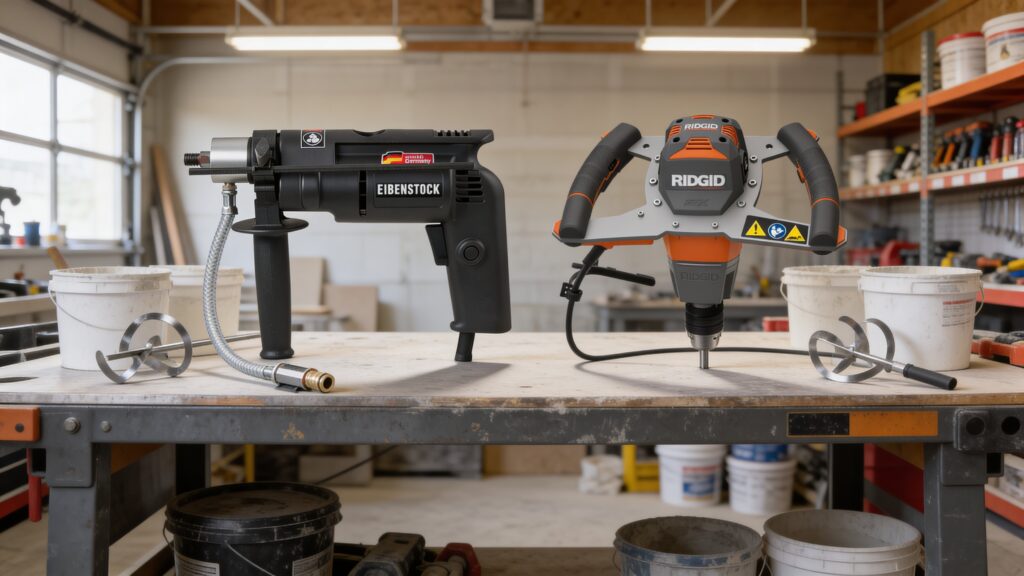
Single-speed and variable-speed mixing drills positioned side by side on a workshop bench for comparison

Head-to-head

Single-Speed vs Variable-Speed Mixing Drills: Key Differences Explained

A clean A/B view of what matters in real mixing work: start-up control, consistency through heavy material, adaptability across compounds, operator feel, and which drill type makes more sense for the jobs you actually take on.
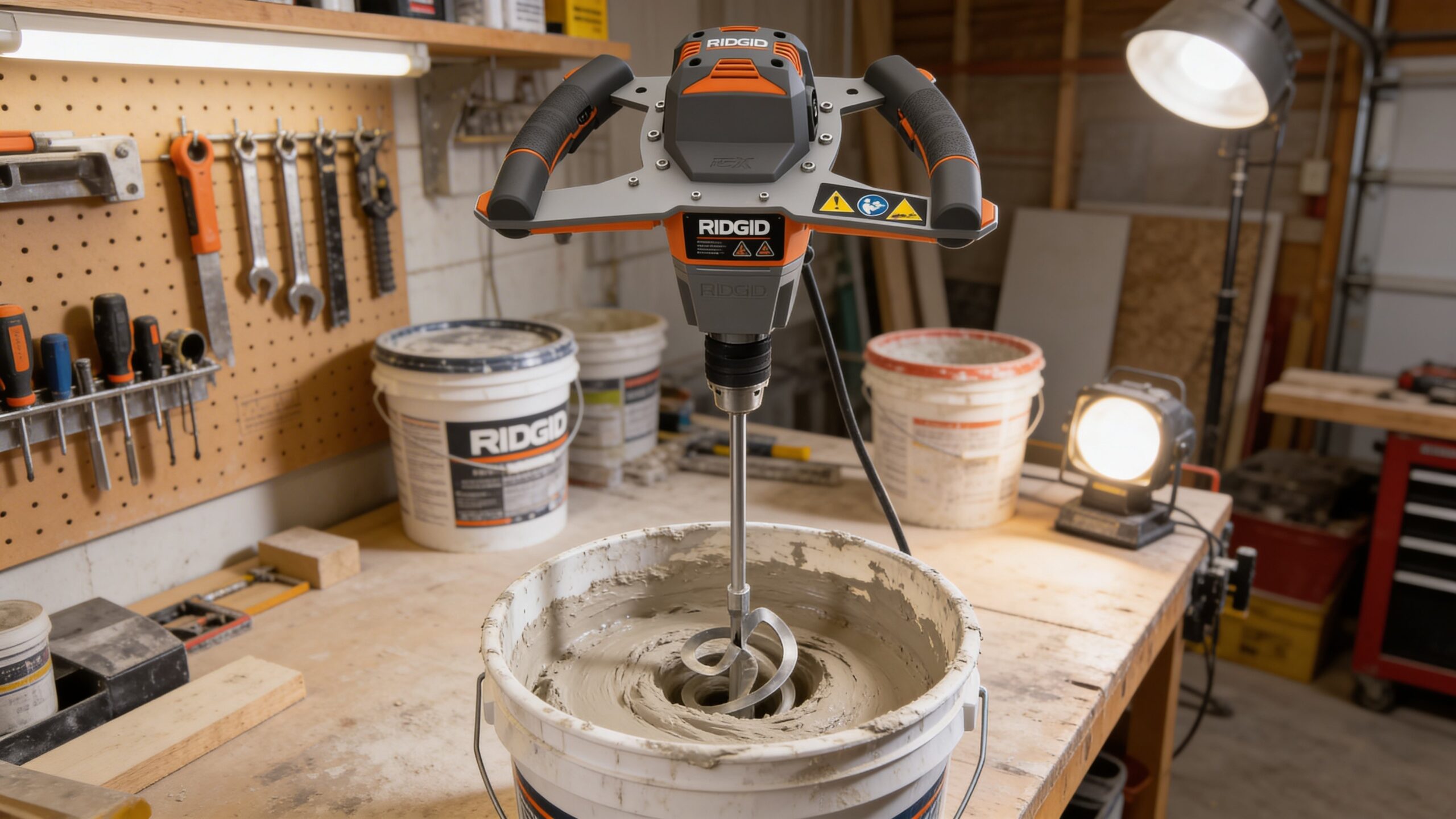
Single-Speed Mixing Drill

Single-Speed Mixing Drill

A straightforward, task-focused mixer built around one consistent operating speed. It fits crews who mainly mix similar materials and want a simple, predictable feel without extra adjustment.

Score 8.4 Best for repeat heavy mixes Battery corded Why buy simplicity + consistency
  • Predictable feel when mixing the same mortar, grout, or compound day after day
  • Less to manage on the tool itself, which can help on repetitive prep work
  • More limited when you want gentler starts or better control across different material viscosities
VS
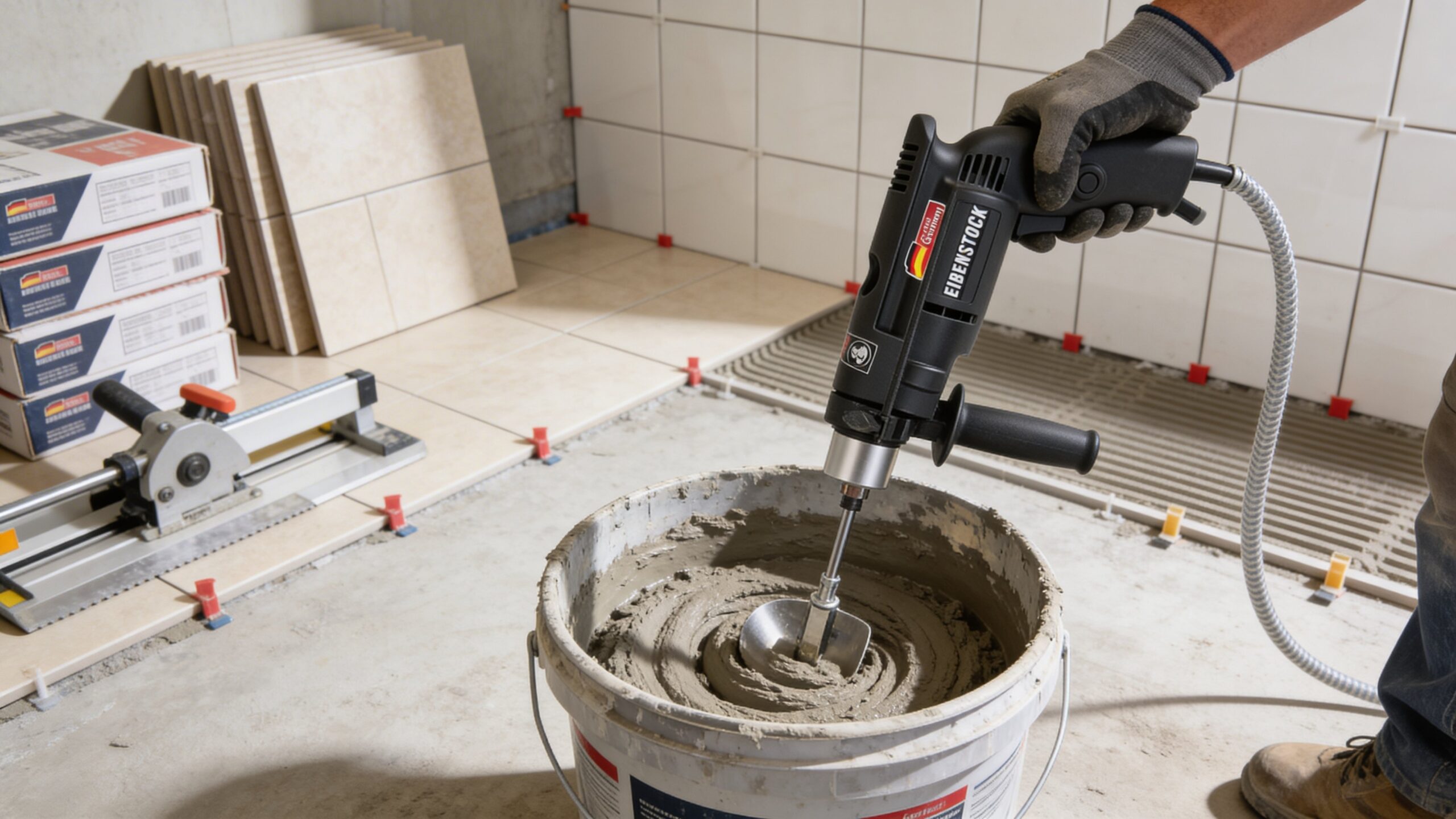
Variable-Speed Mixing Drill

Variable-Speed Mixing Drill

A more adaptable mixing drill that gives the operator better control over start-up, splash management, and material response. It is the stronger fit when your workflow includes different compounds and batch sizes.

Score 9.0 Best for mixed jobsite use Battery corded Why buy control + versatility
  • Better control when starting in thin materials or finishing with thicker mixes
  • More flexible across paint, drywall mud, grout, thinset, and mortar
  • Usually the easier choice when one drill needs to cover a wider range of mixing tasks
Power under load
Strong, steady output
Strong with better modulation
Variable-Speed
Control & clutch consistency
Simple, fixed response
More adjustable and precise
Variable-Speed
Ergonomics (feel + fatigue)
Familiar, no-fuss operation
Easier to tailor to the mix
Variable-Speed
Value (typical kit pricing)
Often simpler value proposition
Usually worth more for flexibility
Variable-Speed
Battery ecosystem depth
Not a platform-driven buy
Tie
Real-world context
This comparison reflects a synthesis of professional reviews, manufacturer data, long-term user feedback, and use-case patterns to highlight how each mixing drill type typically performs in everyday projects.

Single-Speed — Why people choose it

  • Consistent operation suits crews mixing the same heavy material over and over
  • Simple controls can feel more straightforward on repetitive prep and batch work
  • Good fit when the job does not demand frequent speed changes between materials

Variable-Speed — Why people choose it

  • Better start-up control helps reduce splatter and manage thinner compounds more cleanly
  • More adaptable across different materials, paddle loads, and mixing stages
  • Stronger all-around choice for pros who want one drill to cover broader site demands
Verdict: Choose Variable-Speed Mixing Drill if you want the more complete pro solution for mixed-material work, cleaner starts, and better control as batch conditions change. Choose Single-Speed Mixing Drill if your workflow is narrower, your materials are consistent, and you value a simpler drill that stays predictable during repetitive heavy-mix duty.
Read FAQs

Deep dive

What actually matters in this matchup

On paper, both mixing drill types can handle demanding materials, but the meaningful difference is how much control they give you once the paddle hits the bucket. This comparison focuses on how each drill type affects start-up smoothness, splash control, consistency through thick mixes, operator fatigue, and how easily one tool can adapt when materials and batch sizes change from job to job.

Where single-speed makes sense: a fixed-speed drill tends to work best when the material stays consistent and the workflow is repetitive, because the tool’s behavior stays familiar from batch to batch and asks less from the operator in terms of adjustment.

Where variable-speed matters: control becomes more valuable when the job shifts between thinner and thicker compounds, because being able to ease into the mix and respond as resistance builds can reduce mess, improve feel, and make the drill easier to manage throughout the process.

What this means day to day: the better choice depends less on raw capability than on how narrow or varied the actual workload is—single-speed favors routine heavy-mix repetition, while variable-speed favors broader use, cleaner starts, and more flexibility over time.

Methodology

How we evaluated these mixing drills

Our evaluation focused on real mixing tasks that expose meaningful differences between drill types, not spec-sheet claims. Each option was assessed through practical use scenarios designed to show how control, consistency, ergonomics, and day-to-day usability actually separate a single-speed mixing drill from a variable-speed mixing drill.

Tasks: starting and blending common jobsite materials, working through lighter and heavier compounds, repeated batch mixing, and extended handling to assess control, consistency, comfort, and fatigue over time.

What we scored: mixing performance under real load, start-up control, operator feel during longer use, build confidence, and the practical flexibility each drill type offers across different materials and workflows.

How results are interpreted: outcomes are assessed using a context-aware evaluation approach, recognizing that the value of simplicity, adaptability, control, and long-term usefulness changes depending on the material being mixed and how repetitive or varied the work actually is.

What we ignored: advertised numbers, isolated lab-style claims, and features that do not consistently translate into repeatable real-world mixing performance.

FAQ

Single-Speed vs Variable-Speed Mixing Drills: Common questions

What is the main difference between single-speed and variable-speed mixing drills?
A single-speed mixing drill operates at one fixed mixing speed, delivering consistent power without adjustment. A variable-speed model allows the operator to control the mixing speed during use, which can help manage different materials and reduce splatter during start-up.
When does a single-speed mixing drill make the most sense?
A single-speed mixing drill tends to work best when the job involves mixing the same type of compound repeatedly, such as mortar, grout, or drywall mud. In those situations, the consistent speed can make the workflow simple and predictable.
Why would someone choose a variable-speed mixing drill instead?
Variable-speed drills provide more control when working with materials that vary in thickness or require a slower start. This flexibility can make the tool easier to manage when switching between tasks such as mixing paint, drywall compound, or tile adhesive.
Does variable speed help reduce splatter or mess when mixing?
In many situations it can. Being able to start the paddle slowly allows the material to begin blending before reaching full mixing speed, which can help reduce splashing or uneven mixing during the first few seconds.
Are both drill types suitable for heavy construction materials?
Yes, both types are designed to handle thick compounds like mortar, thinset, and grout when paired with the correct mixing paddle. The difference is typically how much control the operator has over the mixing process rather than raw capability.

Key Takeaways

  • Single-speed mixing drills favor simplicity and consistency, making them well suited for repetitive mixing tasks where the material and batch size rarely change.
  • Variable-speed mixing drills offer greater control during start-up and blending, which can make them easier to manage across different compounds and viscosities.
  • The practical difference often shows up in workflow flexibility—fixed speed supports predictable routine work, while adjustable speed helps when conditions vary from job to job.
  • Control during the first few seconds of mixing can influence cleanliness and ease of handling, especially when working with thinner materials.
  • Both drill types are capable of heavy mixing duties when paired with the correct paddle, so the decision usually centers on control preference rather than raw capability.
  • Choosing between them is largely about how varied the workload is: consistent mixing environments tend to favor single-speed designs, while mixed materials and changing conditions tend to favor variable-speed models.

Verdict

Which Mixing Drill Type Makes More Sense?

In this head-to-head, the decision comes down to how much control you want during the mixing process and how varied your materials are from job to job. Both drill types are capable of heavy-duty mixing, but the real difference shows up in how predictable the tool feels when starting, blending, and adapting to different compounds.

Most Versatile Choice

Variable-Speed Mixing Drill

Better overall control and adaptability when working with different materials, batch sizes, or changing jobsite conditions.

  • Allows slower starts that can reduce splatter when beginning a mix
  • More adaptable across materials like paint, drywall compound, grout, and thinset
  • Easier to manage when mix thickness or bucket size changes

Also consider

Jump to the Head-to-Head

Tip: If your work regularly involves different materials or mix thicknesses, the extra control of variable speed often makes day-to-day use easier.

Where to Buy

We prioritize reputable sellers, easy returns, and reliable availability.

Price checks happen regularly. Some links may earn a commission—never affects rankings.

Accessories You’ll Want

  • Heavy-duty mixing paddle (match the paddle style to mortar, grout, thinset, paint, or drywall compound for smoother, more controlled blending)
  • Spare mixing buckets (useful for staging multiple batches, cleaner workflow, and separating different materials on the same job)
  • Extension cord rated for power tools (helps maintain consistent performance when mixing away from the nearest outlet)
  • Work gloves with good grip (improves control and comfort when handling heavy mixes and longer mixing sessions)
  • Bucket scraper or mixing paddle cleaner (makes cleanup faster and helps prevent dried material from affecting the next batch)

Tip: The right paddle matters almost as much as the drill—matching paddle size and style to the material can improve control, reduce strain, and produce cleaner mixes.