Standard Duty vs Heavy Duty Hammer Drills: Key Differences Explained

Standard duty and heavy duty hammer drills serve different jobsite demands. This comparison examines power, size, durability, and real-world performance tradeoffs to help determine the right fit.

By: Review Streets Research Lab
Updated: February 26, 2026
Approx. 10–12 min read
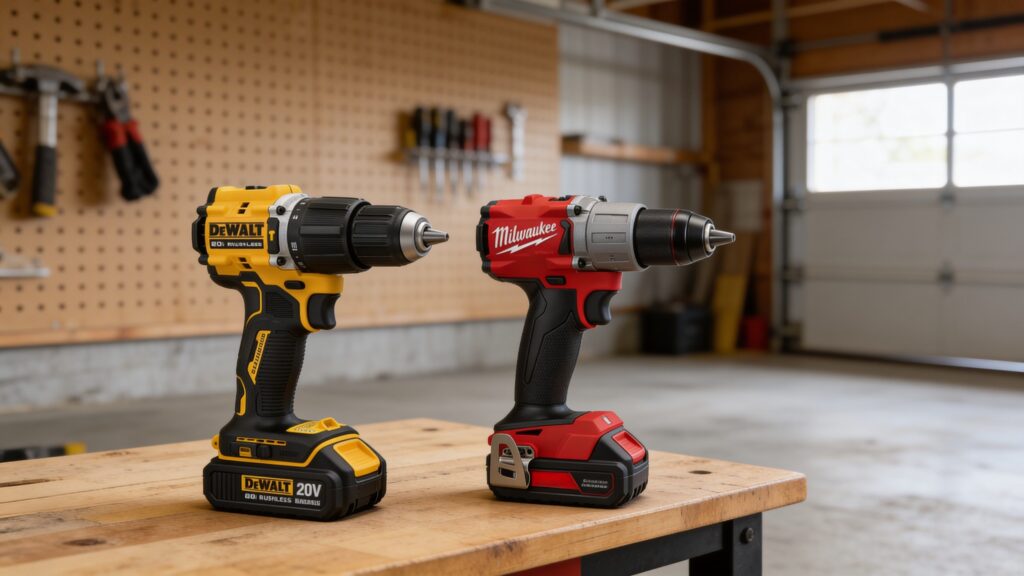
Standard duty and heavy duty hammer drills positioned side by side on a workshop bench for professional comparison

Head-to-head

Standard Duty vs Heavy Duty Hammer Drills: Key Differences Explained

A neutral A/B look at how standard duty and heavy duty hammer drills typically differ in real work—power headroom, control, size, durability, and the practical tradeoffs that shape the right choice for your jobs.
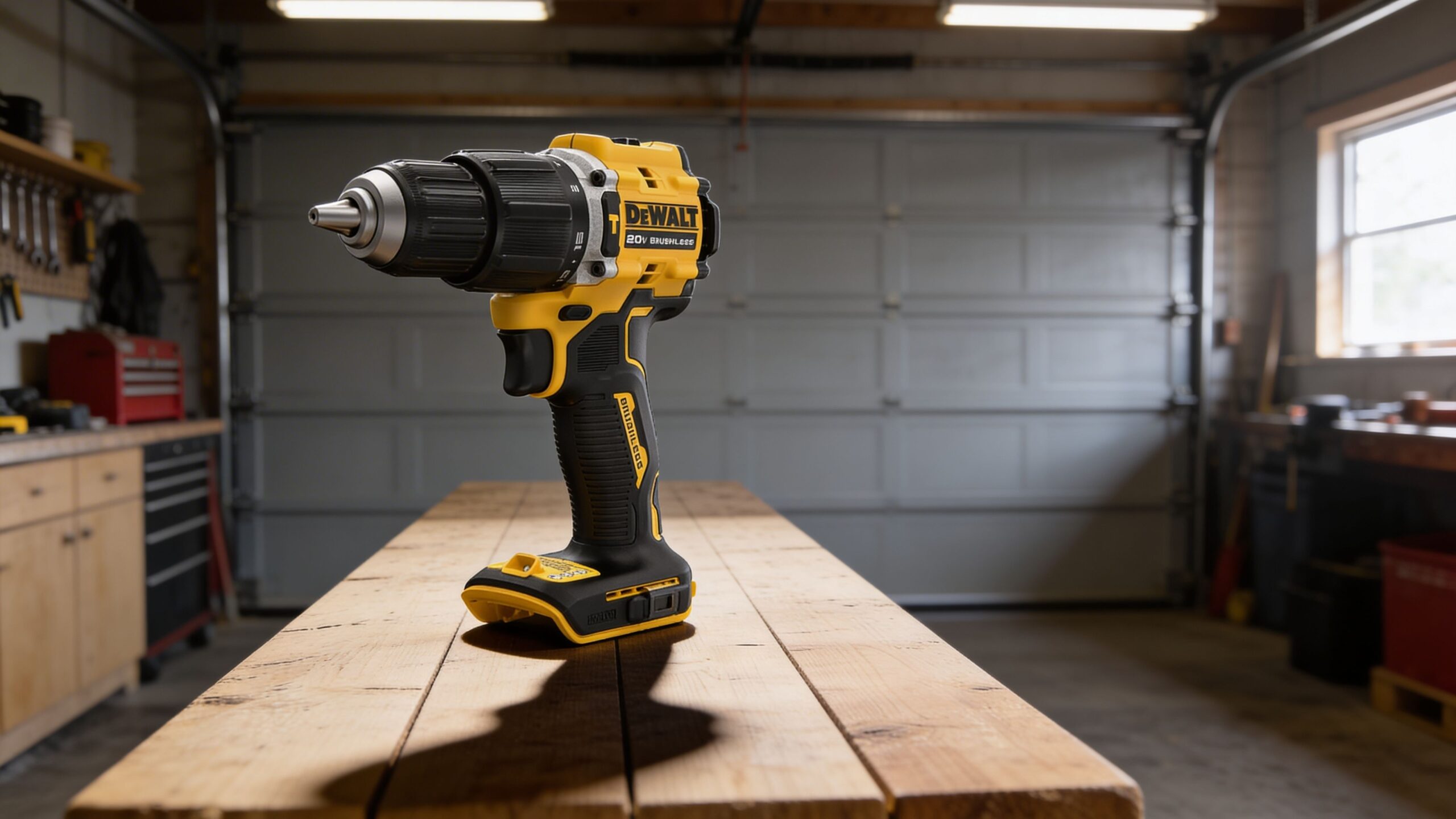
Standard Duty Hammer Drill/Driver

Standard Duty Hammer Drill/Driver

A compact, everyday hammer drill profile that favors maneuverability and lower fatigue for mixed tasks—fastening, pilots, and occasional light masonry when you don’t need maximum output.

Score 8.4 Best for general duty Battery compact platform Why buy lighter handling
  • Fits tighter bays and overhead spots where bulk slows you down
  • Strong choice for routine drilling and fastening across common materials
  • Best when hammer mode is occasional rather than a daily requirement
VS
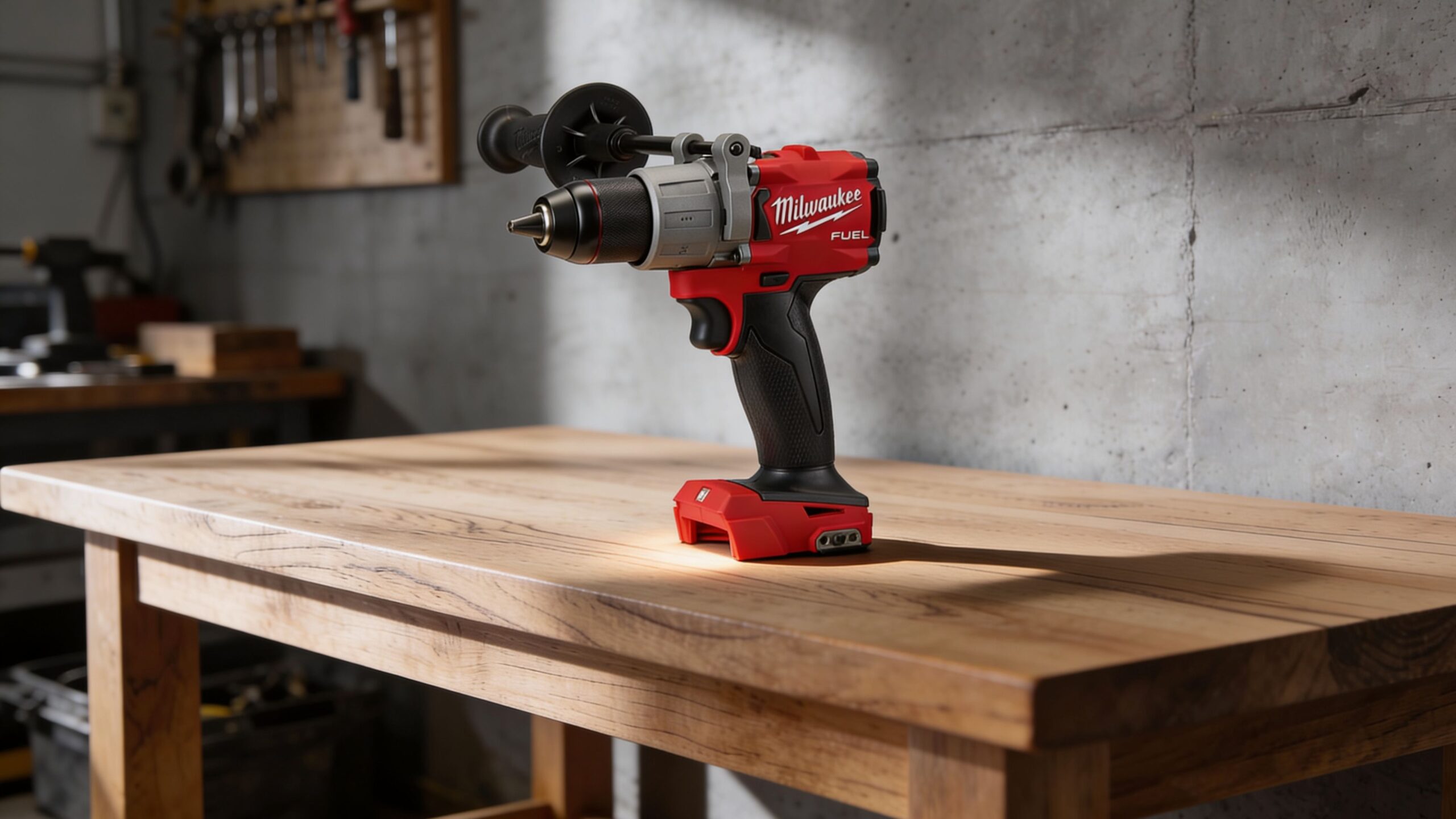
Heavy Duty Hammer Drill/Driver

Heavy Duty Hammer Drill/Driver

A higher-output hammer drill profile designed to stay composed under tougher resistance—better suited for repeated high-load drilling, demanding fastening, and more frequent masonry work.

Score 9.2 Best for sustained load Battery full-size platform Why buy more headroom
  • Typically maintains speed better when the bit binds or the stock is dense
  • More confidence for larger holes, tougher materials, and repeated cycles
  • Better match when the drill is a daily-use tool rather than occasional
Power under load
Good for routine work
More headroom
Heavy Duty
Control & clutch consistency
Very good
Excellent
Heavy Duty
Ergonomics (feel + fatigue)
Compact, easier carry
Stable, slightly heavier
Standard Duty
Value (typical kit pricing)
Often a better deal
Costs more
Standard Duty
Battery ecosystem depth
Large
Massive
Heavy Duty
Real-world context
This head-to-head reflects common category differences observed in professional reviews, manufacturer specs, and long-term user feedback rather than one-off lab claims.

Standard Duty — Why people choose it

  • Smaller, easier handling for tight spaces and frequent position changes
  • Strong all-around pick when masonry is occasional, not constant
  • Practical entry point when you want broad capability without extra bulk

Heavy Duty — Why people choose it

  • More composed feel when loads rise—bigger bits, tougher stock, repeated cycles
  • Better match for frequent hammer mode use and demanding fastening routines
  • Stronger long-term fit for daily users who regularly push the tool harder
Verdict: Choose the heavy duty option if your workflow regularly pushes the drill—repeated high-resistance drilling, tougher materials, demanding fasteners, or frequent masonry where sustained output matters. Choose the standard duty option if most jobs are mixed tasks and you value a smaller, lighter drill that still covers routine needs with less fatigue.
Read FAQs

Deep dive

What actually matters in this matchup

Standard duty and heavy duty hammer drills can both handle everyday drilling and fastening, but they start to feel very different when the work becomes repetitive, the material gets dense, or masonry holes become a regular part of the day. What matters most isn’t the headline numbers—it’s how steady the drill feels when it’s working, how predictable it is at the start of a hole, and how much fatigue it adds over a long stretch of use.

Power delivery in real load: the heavy duty model typically stays more composed when the bit meets resistance—boring larger holes, driving longer fasteners, or working into tougher stock—so progress feels steadier and stalls are less disruptive. A standard duty drill can still do plenty, but it’s more likely to feel “near the edge” when pushed repeatedly, which can slow workflow as you adjust technique, bit choice, or pacing.

Control, starts, and repeatability: standard duty drills often feel easier to place and start cleanly, especially in awkward positions or finish-adjacent work where a controlled start matters. Heavy duty drills tend to reward a firmer grip and deliberate setup—once engaged they feel confident, but the extra output can make precision work feel less relaxed unless the clutch and trigger control are tuned to your hand.

Fatigue and access: the standard duty advantage shows up in tight bays, overhead drilling, and frequent repositioning. A smaller body and lighter feel can translate to fewer “micro breaks” during installs and punch-list work. Heavy duty models often carry more mass and bulk, which can be a tradeoff in confined spaces, but that added stability can also feel smoother when pushing harder applications.

Reliability confidence and ownership: heavy duty drills are commonly chosen when the tool will be leaned on daily and expected to stay consistent across demanding tasks. Standard duty can be a better fit when the hammer function is occasional, the workload is varied, and the priority is a versatile drill that’s comfortable to live with. Over time, battery ecosystem breadth and service support can matter as much as the drill itself—especially if you plan to add impacts, saws, or specialty tools.

How to decide without overthinking it: choose standard duty when most jobs are mixed material drilling and fastening with only periodic masonry, and when size and comfort keep work moving. Choose heavy duty when tougher drilling is routine, the drill is a daily-use workhorse, and maintaining steady progress under resistance is more important than the smallest footprint.

Methodology

How we evaluated these hammer drills

Our evaluation focused on practical work that separates standard duty and heavy duty hammer drills in real use, not spec-sheet advantages. We look at how each tool behaves across common drilling and fastening scenarios, with extra attention to the moments where a drill either stays composed or starts to feel taxed—especially when masonry work and repeated cycles enter the picture.

Tasks: drilling pilot holes and larger bores in framing lumber, driving long fasteners with controlled starts, repeated start–stop cycles, and overhead positioning to assess balance and fatigue. We also include light-to-moderate masonry hole making to evaluate how the hammer function feels in practice—stability, progress rate, and how quickly the tool heats up or feels strained.

What we scored: usable power under load (how steady the drill stays when resistance rises), control for clean starts and repeatable screw seating, ergonomics over longer sessions, chuck confidence, perceived durability signals, and ownership considerations such as battery ecosystem flexibility and long-term value.

How results are interpreted: outcomes are weighed in context, because the “right” drill depends on workload patterns. Standard duty strengths tend to show up in access, comfort, and mixed-task efficiency, while heavy duty strengths show up in sustained output and consistency when the tool is pushed more often. We prioritize repeatable, use-case outcomes over isolated best-case moments.

What we ignored: advertised torque headlines, single-point lab claims, and minor feature differences that don’t translate into consistent, real-world improvements. If it doesn’t reliably change control, fatigue, workflow, or ownership experience, it’s not treated as a deciding factor.

FAQ

Standard Duty vs Heavy Duty Hammer Drills: Common questions

Do I really need a heavy duty hammer drill?
If masonry drilling or high-resistance work is a regular part of your projects, a heavy duty model typically provides more consistency and less strain under load. For occasional concrete anchors and mixed household tasks, a standard duty drill is often sufficient and easier to live with day to day.
Will a standard duty hammer drill handle concrete?
Yes, for lighter applications such as small anchors or intermittent holes in block or brick. It may feel slower or more taxed during repeated drilling, which is where a heavy duty model tends to maintain steadier progress.
Is the size and weight difference noticeable in real use?
Over short tasks, the difference may seem minor. Over longer sessions, especially overhead or in tight framing bays, the lighter and more compact feel of a standard duty drill can reduce fatigue, while the added mass of a heavy duty model can feel more stable when pushing harder applications.
Which type is better for long workdays?
It depends on the workload. If most of the day involves mixed drilling and fastening, a standard duty drill can be more comfortable overall. If the work frequently demands larger holes, tougher materials, or repeated hammer mode use, the heavy duty option often feels more composed and efficient.
Does battery platform matter in this decision?
Battery ecosystem depth can influence long-term ownership. If you plan to expand into additional tools that demand higher output, a heavy duty platform may offer more headroom. For lighter, general-purpose expansion, a standard duty platform can still provide broad compatibility and flexibility.
Is a heavy duty drill harder to control?
Not necessarily, but it can feel more assertive when starting holes or driving fasteners. Users who prioritize finesse in finish work or tight spaces may prefer the lighter touch of a standard duty drill, while those accustomed to higher output tools often appreciate the extra authority of a heavy duty model.

Key Takeaways

  • The core difference is workload tolerance: standard duty models prioritize comfort and versatility, while heavy duty models prioritize sustained output under tougher conditions.
  • If most projects involve mixed drilling and fastening with occasional masonry, the lighter weight and smaller footprint of a standard duty drill can improve day-to-day usability.
  • When drilling larger holes, driving demanding fasteners, or using hammer mode frequently, a heavy duty drill typically maintains steadier progress with less strain.
  • Ergonomics and fatigue matter over time; a compact drill often feels easier in tight spaces and overhead, while a heavier platform can feel more stable under higher load.
  • Ownership decisions extend beyond one tool—battery ecosystem depth and long-term expansion plans can influence whether a higher-output platform makes sense.
  • Choosing between these categories is less about maximum specs and more about aligning the tool’s strengths with how often and how hard it will actually be used.

Verdict

Which hammer drill type makes the most sense

In this head-to-head, the better choice depends less on headline specs and more on how often the drill is pushed. The decision comes down to workload intensity, comfort in real positions, and whether you’re buying for occasional projects or daily, higher-resistance use.

#1 Pick

Heavy Duty Hammer Drill/Driver

The more reliable fit when the drill is expected to stay composed under repeated resistance, frequent masonry holes, or demanding fastening that can tax lighter tools.

  • Maintains steadier progress when materials and bit sizes get more demanding
  • Feels more stable when pushing harder applications over repeated cycles
  • Better match for long-term ownership if heavy use is part of the plan

Also consider

Jump to the Head-to-Head

Tip: If hammer mode is occasional and most work happens in tight spaces or overhead, the lighter standard duty option can be the more practical daily tool—even if the heavy duty model offers more headroom.

Where to Buy

We prioritize reputable sellers, easy returns, and reliable availability.

Price checks happen regularly. Some links may earn a commission—never affects rankings.

Accessories You’ll Want

  • Masonry drill bit set (carbide-tipped bits for concrete, block, and brick in common anchor sizes)
  • High-quality multipurpose bit set (drivers and drill bits for wood, metal, and fasteners you use most)
  • Extra battery pack (one compact for balance + one higher-capacity for longer drilling sessions)
  • Depth stop or drilling guide (helps keep anchor holes consistent and improves control on repeated holes)
  • Hearing and eye protection (simple essentials that matter more when hammer mode is used regularly)

Tip: For masonry work, match bits to the material and replace worn carbide early—dull bits make any hammer drill feel underpowered and shorten tool life.