
What Makes Corded Drills Different from Cordless Drills

Corded drills and cordless drills are often viewed as interchangeable, but their fundamental differences can influence their suitability for various tasks. While both tools perform similar functions, their distinct power sources and design elements create notable variations in their operation. This often leads to confusion regarding when and why one might be preferred over the other.

This explainer will break down the key differences between corded and cordless drills, focusing on their power systems, design features, and functionality. By the end, readers will have a clear understanding of what sets these two types of drills apart and how these distinctions impact their usage in different scenarios.
By: Review Streets Research Lab
Updated: April 20, 2026
Explainer · 8–12 min read
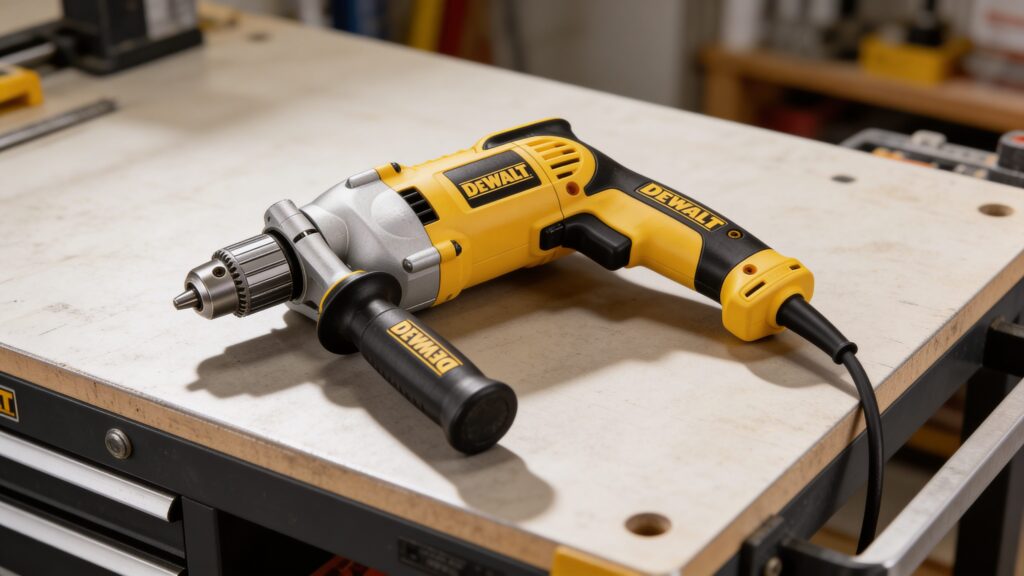
corded and cordless drills showing key differences in power, design, and functionality.
What You’ll Learn

What Makes Corded Drills Different from Cordless Drills

A breakdown of how power, design, and functionality differ between corded and cordless drills, explaining the mechanisms inside each tool.

  • How corded drills rely on a constant power source for performance
  • How cordless drills integrate batteries and motors to operate independently
  • Why corded drills provide continuous power for extended tasks
  • How the battery capacity and motor design affect cordless drill output
  • The impact of power limits in cordless drills and the role of charging
  • What makes each drill better suited for specific types of projects
  • How the physical design influences handling, portability, and comfort

Tip: Understanding the power system and motor design helps clarify the ideal drill for your specific tasks and usage conditions.

Definitions

Key Parts That Make a Corded Drill Work

Before you can understand performance, it helps to know what each major component does—and where the common misunderstandings come from.

Power Cord

The cord delivers continuous electrical power from an external source, eliminating concerns about runtime. The quality and gauge of the cord affect performance and durability.

  • Length: Longer cords offer more mobility but can be cumbersome
  • Gauge: A thicker cord can handle higher electrical load
  • Durability: Reinforced cords are less prone to wear or damage

Electric Motor

The electric motor in a corded drill is directly powered by the electrical source, providing consistent performance. The design impacts the motor's efficiency and overall strength.

  • AC power: Utilizes alternating current for steady performance
  • Motor type: Typically more powerful than cordless equivalents
  • Cooling: Continuous power demands effective cooling mechanisms

Drill Chuck

The chuck holds the drill bit and provides stability during operation. The quality of the chuck influences bit retention and wobble during heavy-duty tasks.

  • Grip: A well-designed chuck secures the bit tightly
  • Runout: Minimal wobble ensures accurate drilling
  • Size: The chuck must accommodate the diameter of the drill bits

Gearbox

The gearbox regulates the rotation speed of the drill bit, optimizing the torque delivered to the material. Its configuration directly affects the drill's performance.

  • Reduction: Gearboxes reduce the speed for greater torque
  • Load handling: Helps distribute force evenly for efficiency
  • Durability: High-quality gears withstand extended usage

Clutch Mechanism

The clutch controls the torque applied to the material, preventing overdriving screws or damaging the work surface. It allows for adjustable force settings.

  • Adjustability: Different clutch settings for various materials
  • Precision: Helps achieve consistent results when driving fasteners
  • Protection: Prevents damage by limiting excessive torque

Power Source

The power source in a corded drill is the electrical current supplied through the cord, allowing for continuous operation. It is the main advantage over battery-powered drills.

  • Steady flow: Provides constant power without interruptions
  • Capacity: Not limited by battery size or charge
  • Efficiency: No loss of power due to battery depletion

Tip: The continuous power from the cord ensures that these drills remain reliable during demanding, prolonged tasks without concerns about running out of energy.

Power Path

How Power Moves Through a Corded Drill

A corded drill provides continuous power by directly drawing electricity from an external source. Understanding this flow clarifies why corded drills consistently outperform their battery-powered counterparts in sustained tasks.

  • The power cord provides a constant electrical supply to the motor
  • The motor converts electrical energy into rotational movement
  • The gearbox adjusts speed and torque for different drilling tasks
  • The chuck transfers rotational force to the drill bit

Any resistance along this path, such as poor wiring or inefficient motors, can reduce a drill's overall effectiveness.

Motors

Brushed vs. Brushless Motors in Corded Drills

The motor plays a critical role in converting electricity into rotational force. While corded drills typically rely on brushed motors, recent models may include brushless designs for greater efficiency.

  • Brushed motors use carbon brushes that wear over time, causing some energy loss
  • Brushless motors rely on electronic systems, providing more power with less heat generation
  • Brushless motors are more energy-efficient, translating to longer tool life and reduced wear

Brushless designs enhance the overall performance, especially in prolonged use, despite typically higher motor costs.

Gearing

The Importance of Gear Mechanisms in Corded Drills

The gearbox is essential for transforming motor power into practical drilling force. It adjusts the drill's speed and torque to optimize performance across various tasks.

  • Low gear provides higher torque for heavy-duty drilling or driving screws
  • High gear delivers faster speeds for tasks like drilling smaller holes
  • Higher quality gears reduce friction, noise, and increase the drill's longevity

The gearbox directly affects a drill's ability to handle both precision and power-based tasks effectively.

Heat Management

Why Corded Drills Stay Cooler During Heavy Use

Unlike cordless drills, corded drills benefit from a continuous power supply, reducing the risk of overheating during extended use. Understanding heat management is key to maintaining consistent performance.

  • Continuous power from the cord prevents the motor from overheating
  • The absence of a battery helps eliminate power loss due to thermal restrictions
  • Efficient cooling mechanisms allow for sustained performance without thermal throttling

Heat control ensures that corded drills can maintain consistent performance during demanding tasks.

User Control

Balance, Ergonomics, and Handling in Corded Drills

While performance specs matter, the user experience is also crucial. A drill’s design influences comfort, control, and ease of use, particularly during extended sessions.

  • Well-balanced drills reduce fatigue during prolonged overhead work
  • Ergonomically designed handles improve grip and reduce hand strain
  • Smooth, responsive triggers allow for more precise control during drilling

The physical design of a drill can make a significant difference in how efficiently and comfortably it’s used over time.

Quick Reality Check

Where Corded Drills Shine — and Where They Don’t

A simple, practical balance: what corded drills handle beautifully, and the situations where their limits show up.

What Corded Drills Do Well

Corded drills provide consistent power throughout use, making them ideal for long, continuous tasks. They perform without worry of battery depletion or overheating during extended work periods.

For high-demand tasks, like drilling large holes or driving long screws, corded drills maintain reliable performance, ensuring efficiency and output without interruptions.

Where Corded Drills Have Limits

The reliance on a cord can restrict movement and access, especially in tight or remote spaces. Being tethered to a power source limits their flexibility compared to cordless models.

In environments where mobility is key—like working on a ladder or across wide areas—the corded design may become cumbersome and reduce overall ease of use.

Common Myths

Misconceptions About How Corded Drills Work

Corded drills are often misunderstood or simplified based on outdated assumptions. Here’s what truly makes them work—and what doesn’t.

Corded drills are outdated and weak

Corded drills still offer consistent power for high-demand tasks. Their reliability stems from direct power supply, which makes them ideal for prolonged, continuous use without the risk of running out of battery.

More power means more speed

Power in corded drills is not just about speed. Torque is the key factor in many tasks, and a balance between speed and torque is crucial for efficient work in diverse materials.

Drills with higher torque are always better

Higher torque alone isn’t always beneficial. The right balance of torque and speed, combined with efficient gearing, is what ensures that the drill performs effectively for specific tasks.

All corded drills are the same

Not all corded drills are equal. Features like motor design, gearbox quality, and ergonomics influence the performance, handling, and durability, even if they have similar power ratings.

Stalling means the drill is defective

Stalling is typically due to heat buildup, improper gear selection, or excessive load, rather than a lack of power. Correcting these issues can prevent the drill from stalling and improve its efficiency.

Tip: When comparing drills, focus on how they perform under load and during extended use, not just their rated power or specs.

FAQ

Frequently Asked Questions About How Corded Drills Work

Quick answers to the most common questions people have after learning the basics of corded drill power, motors, and gearing.

What actually determines how “powerful” a corded drill feels?

Power delivery is a result of the consistent electrical supply from the cord, motor efficiency, and the gearing that translates power into usable torque. The tool's behavior under load depends on these factors working together, rather than raw motor power alone.

Does a higher voltage corded drill always drill faster?

Voltage is important, but speed at the bit is more influenced by the motor design and the gearing configuration. Higher voltage does not always translate to faster drilling, especially in tasks requiring precision and control.

What does amp-hour (Ah) mean—and does it make the drill stronger?

Amp-hours refer to the amount of time a battery can run before it needs to be recharged. In corded drills, this is not applicable, but when used with battery-powered drills, higher Ah can provide longer runtime, although it does not affect peak power output.

Why does my corded drill slow down or shut off during tough drilling?

If a corded drill slows down or stops, it’s often due to excessive load, overheating, or motor protection mechanisms. Reducing pressure or letting the drill cool down can restore its normal function. This is a built-in safeguard to prevent motor damage.

When should I use low gear vs high gear?

Use low gear for tasks requiring higher torque, such as driving screws or drilling larger holes. High gear should be used for faster, less demanding tasks. Low gear can help prevent stalling during heavy load situations.

What’s the practical advantage of a brushless motor in corded drills?

Brushless motors in corded drills improve energy efficiency, generate less heat, and extend the motor's lifespan. These advantages result in more consistent performance and less wear over time compared to brushed motors.

Why do some chucks slip or wobble?

Chuck slippage or wobbling is often caused by poor chuck design, wear, or improper tightening. Dirt and debris can also affect the chuck's ability to securely grip the drill bit, leading to instability during operation.

What matters more for performance: the drill or the power supply?

Both the drill and the power supply are critical. In a corded drill, the power supply (the cord) provides constant, reliable energy, which allows the motor to perform optimally. However, the drill's motor and gearing determine how effectively that power is converted into torque.

Tip: If your drill struggles, check gear selection and bit sharpness first—then consider the motor’s efficiency and heat buildup as the next most common issues.

Bottom Line

Corded drills rely on continuous power and efficient mechanics to deliver consistent performance. The combination of the power source, motor design, and gearing determines how effectively the drill performs during sustained use.

Understanding how the system works together clarifies the real strengths and limitations, enabling a clearer view of what matters for your tasks.

Next Steps

Go Deeper or Compare Your Options

Now that you understand how corded drills work, these guides help you apply that knowledge to real buying decisions.

Best Cordless Drills

A ranked look at the top cordless drills across power levels, use cases, and budgets—based on real performance factors.

Cordless vs Corded Drills

A side-by-side comparison that breaks down power, runtime, heat limits, and which type makes sense for different jobs.

Quick Summary

What Makes Corded Drills Different from Cordless Drills

  • Corded drills rely on continuous power from an external electrical source
  • Motor and gearing work together to convert power into usable torque
  • Cordless drills have performance limits based on battery and heat management
  • Corded drills excel in sustained performance without risk of battery depletion
  • Drill ergonomics and power delivery systems influence real-world user experience