What Makes Kettlebells Different from Barbells

Kettlebells differ from barbells because a kettlebell is a compact offset weight held by a handle, while a barbell is a long shared bar designed for stable, heavy loading. That changes movement path, balance, grip, setup, and the kinds of exercises each tool handles best.

Kettlebells are usually stronger for swings, carries, goblet work, compact conditioning, and skillful offset-load movements. Barbells are usually stronger for heavy squats, deadlifts, bench presses, overhead presses, and standardized strength progression.

By: Review Streets Research Lab
Updated: October 1, 2026
Explainer · 8-12 min read
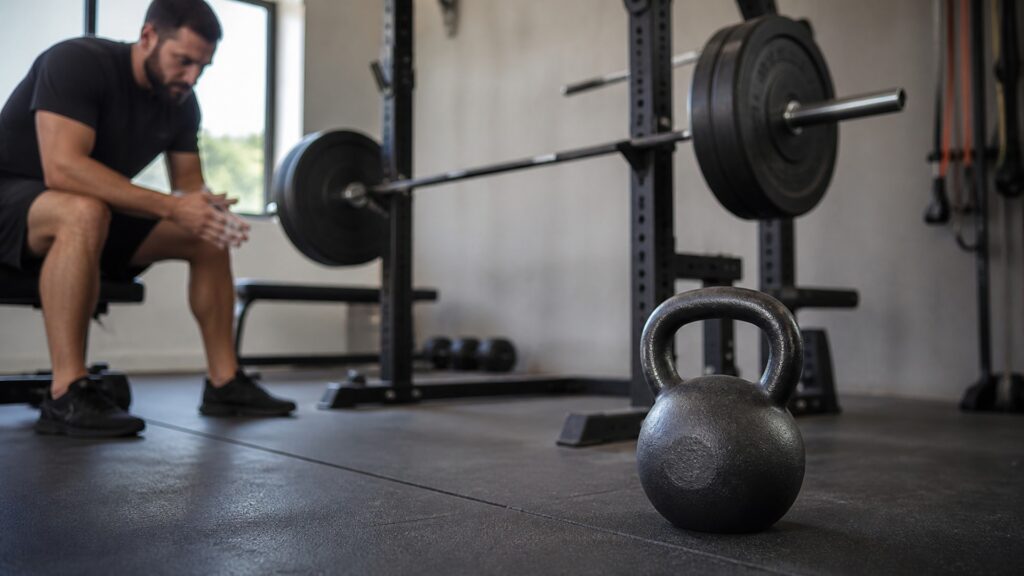
kettlebells explainer hero image for Review Streets
What You'll Learn

How Kettlebells And Barbells Solve Different Strength Problems

A practical comparison of offset loads, shared bars, heavy progression, power movements, and home-gym setup.

  • Why kettlebells feel different from long-bar loading
  • How barbells support heavier standardized lifts
  • Where kettlebells win for carries, swings, and compact circuits
  • Why setup and space change the decision
  • How to choose by exercise role rather than equipment popularity

Tip: Compare the job first: offset movement and carries point toward kettlebells; heavy standardized loading points toward barbells.

Definitions

Key Concepts Behind Kettlebells Different from Barbells

These concepts explain how kettlebells create resistance, skill demands, and practical training tradeoffs.

Offset Load

An offset load places the weight away from the hand, which changes balance and timing.

  • Example: the bell hanging below the handle during a swing
  • Check: notice whether the offset helps the exercise
  • Limit: the offset can make some lifts harder to learn

Ballistic Pattern

A ballistic pattern uses controlled momentum rather than a slow isolated lift.

  • Example: a kettlebell swing or clean
  • Check: learn the hinge and timing before adding speed
  • Limit: poor timing can turn power work into sloppy pulling

Grip Demand

Grip demand is the hand and forearm work needed to control the handle.

  • Example: holding the handle during carries or swings
  • Check: watch whether grip fails before the target work
  • Limit: grip fatigue can end the set early

Hinge Drive

Hinge drive is power created by moving through the hips rather than lifting with the arms.

  • Example: driving a swing from the hips
  • Check: the bell should float from hip power
  • Limit: a weak hinge can stress the back or shoulders

Rack Position

Rack position is the resting position with the bell held near the forearm and torso.

  • Example: holding a kettlebell before a front squat
  • Check: the wrist and forearm should feel controlled
  • Limit: poor rack comfort can limit useful loading

Progression Step

Progression step is the jump between available kettlebell weights.

  • Example: moving from 16 kg to 20 kg
  • Check: increase only when technique stays repeatable
  • Limit: large jumps can change the exercise too much

Tip: Judge kettlebells by the movement they make easier or better, not by the shape alone.

Load Shape

Kettlebells Put The Weight Below The Handle

The offset bell changes how the tool moves around the hand and body. That makes kettlebells useful for swings, cleans, carries, and rack positions.

  • Use kettlebells when offset loading helps.
  • Expect more grip and timing demand.
  • Choose exercises that benefit from the shape.

The compact offset shape is the kettlebell's defining advantage.

Barbell Strength

Barbells Are Built For Heavy Shared Loading

A barbell connects both hands to one long implement. That setup is stable, highly loadable, and easy to measure for major strength lifts.

  • Use barbells for heavy squats and deadlifts.
  • Use racks and safeties for pressing work.
  • Track small plate increases over time.

Barbells usually win when maximum load is the main goal.

Movement

Kettlebells Are Better For Swinging And Carrying

Many classic kettlebell movements use the bell's offset mass and handle. Swings, cleans, snatches, and carries do not feel the same with a barbell.

  • Use kettlebells for hinge power and loaded carries.
  • Learn timing before chasing speed.
  • Keep the bell path controlled.

Kettlebells shine when the movement uses the shape.

Setup

Kettlebells Need Less Infrastructure

A kettlebell can be used in a small space without a rack, plates, or collars. A barbell setup usually needs more room and equipment.

  • Choose kettlebells for compact training spaces.
  • Leave room for swings and safe set-downs.
  • Choose barbells when space and equipment support heavier lifting.

Setup matters because equipment that is hard to use often goes unused.

Decision

Many Programs Benefit From Both

The choice does not have to be permanent. A program can use barbells for heavy strength and kettlebells for carries, conditioning, hinge power, and compact accessory work.

  • Use each tool where it is strongest.
  • Avoid forcing one tool into every role.
  • Let the goal decide the equipment.

Kettlebells and barbells solve different training problems.

Quick Reality Check

Where Kettlebells Beat Barbells And Where Barbells Win

The tools overlap, but they do not load the body the same way.

Kettlebells Win When

The session needs swings, carries, compact conditioning, and offset-load control.

The user wants useful training without a rack or large plate setup.

Barbells Win When

The goal is heavy standardized strength progression.

The lift benefits from a long shared bar and stable setup.

Common Myths

Misconceptions About Kettlebells And Barbells

Neither tool is automatically superior in every workout.

Kettlebells are just lighter barbells

Their offset load changes movement, grip, and timing.

Barbells are only for advanced lifters

Barbells can be learned progressively when setup and coaching are appropriate.

Kettlebells cannot build strength

They can build strength, especially when the load and exercise fit the goal.

One tool should replace the other

Many routines use both because they solve different jobs.

Tip: Use the tool that fits the movement instead of ranking one above the other.

FAQ

Frequently Asked Questions About Kettlebells And Barbells

Short answers for choosing, using, and comparing kettlebells.

What is the biggest difference?

Kettlebells use a compact offset load, while barbells use a long shared bar for heavier stable loading.

Which is better for strength?

Barbells are usually better for maximum strength progression, while kettlebells can build strength within their load range.

Which is better for home gyms?

Kettlebells need less infrastructure, but barbells are better if heavy lifting is the main goal.

Can kettlebells replace barbells?

They can replace some training needs, but not every heavy barbell goal.

What is the practical takeaway?

Use kettlebells for offset-load movement and compact training; use barbells for heavy standardized loading.

Bottom Line

Kettlebells differ from barbells because they use compact offset loading instead of a long shared bar.

Kettlebells fit swings, carries, and compact conditioning; barbells fit heavier standardized strength lifts.

Next Steps

Go Deeper or Compare Your Options

Use these Review Streets paths to compare related categories and practical next decisions.