What Makes Passenger Vans Different from Fleet Vehicles

A passenger van is a type of vehicle; a fleet vehicle is a vehicle operated as part of an organization's managed transport resources. The categories overlap. A hotel's passenger shuttle can be both a passenger van and a fleet vehicle, while the same hotel's maintenance pickup is a fleet vehicle with a different job.

That distinction changes what to compare. Passenger-van questions concern seating, access, luggage, and the trip. Fleet questions concern who assigns the vehicle, maintains it, authorizes drivers, records use, and provides a replacement when it is unavailable. Choosing a van and managing a fleet are connected decisions, rather than competing body styles.

By: Review Streets Research Lab
Updated: October 6, 2026
Explainer · 8-12 min read
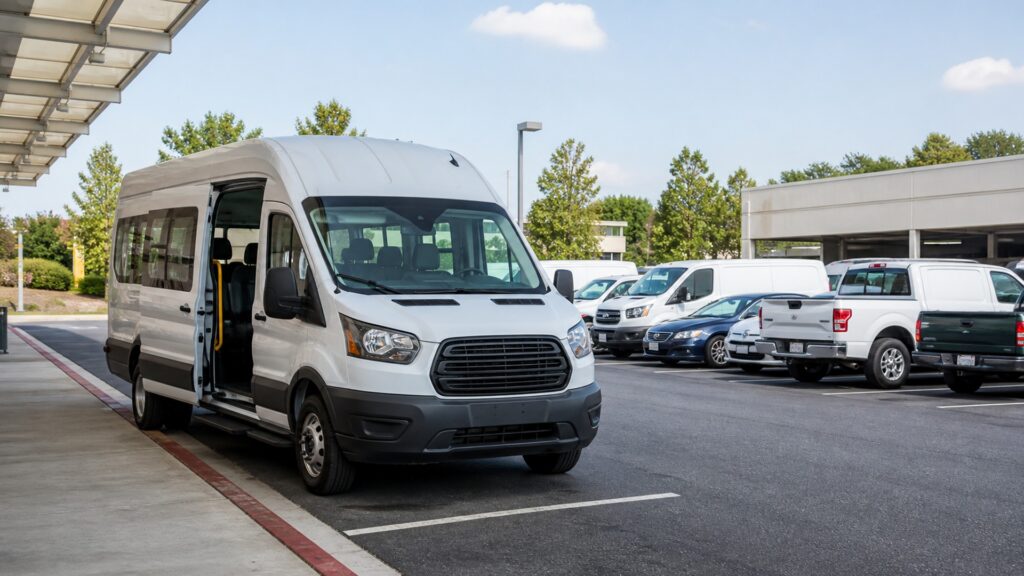
passenger vans explainer hero image for Review Streets
What You'll Learn

Separate Vehicle Design from Fleet Use

Understand the two labels before comparing vehicles or used listings.

  • Why a passenger van can also be a fleet vehicle
  • Which features come from the passenger configuration
  • Which responsibilities come from organizational use
  • What a former-fleet listing does and does not reveal
  • How to select a vehicle around its assigned trips

Tip: Ask two questions: what is the vehicle configured to carry, and how will it be managed?

Definitions

Terms for the Vehicle and Its Assignment

Each term answers a different question about transport.

Passenger van

A passenger van is a van configured to carry occupants in designated seating beyond the front cabin.

  • Example: a vehicle used to shuttle a group between a hotel and an airport
  • Check: its exact seating and luggage arrangement
  • Limit: the body type alone does not describe ownership or service history

Fleet vehicle

A fleet vehicle is operated within an organization's managed vehicle resources.

  • Example: a leased shuttle, an owned service truck, or an assigned car
  • Check: its role and the organization's management arrangements
  • Limit: fleet status does not imply one body style

Vehicle assignment

A vehicle assignment is the transport task a vehicle is expected to perform.

  • Example: a recurring transfer for staff and their bags
  • Check: the real trip, occupants, and load
  • Limit: an available vehicle may not suit the assignment

Utilization

Utilization measures how much a vehicle is used relative to its availability or intended role.

  • Example: tracking trips and occupied seats on a scheduled shuttle
  • Check: a measure that reflects the actual service
  • Limit: mileage alone may miss long periods of waiting or idling

Pool vehicle

A pool vehicle is shared for approved use rather than dedicated to one individual.

  • Example: a passenger van booked by different departments
  • Check: booking, driver authorization, and handover arrangements
  • Limit: sharing requires a clear responsibility for checks and reporting

Service availability

Service availability is whether a suitable vehicle is ready when its assignment requires it.

  • Example: having an appropriate substitute while a shuttle is repaired
  • Check: the maintenance plan and replacement arrangements
  • Limit: an unused vehicle is not necessarily an available substitute

Tip: Body type, assigned role, and service history belong in separate parts of a vehicle description.

Meaning

A Passenger Van Can Sit Inside a Larger Fleet

Consider a hotel with two passenger shuttles, a maintenance pickup, and a manager's car. All may be managed together, even though only the shuttles are passenger vans. The same passenger-van model could also belong to a household outside that organization. Its interior design does not change simply because it joins or leaves a fleet.

  • Identify the body and seating configuration first.
  • Then identify the owner or operator and assigned use.
  • Avoid reading fleet status as a mechanical specification.

The U.S. Department of Energy describes its fleet management as covering owned and leased cars, vans, trucks, and buses, illustrating the breadth of the category.

Reference: Department of Energy fleet-management overview.

Passenger needs

The Van Still Has to Accommodate the People and Their Bags

Fleet purchasing does not settle whether a specific cabin works for a trip. Count designated seats, inspect entry and movement through the interior, and assess storage with the necessary rows occupied. A vehicle that is easy to schedule can still be poorly suited to its passengers. Likewise, a larger seating configuration may be unnecessary if regular trips involve a small group with bulky baggage.

  • Check the exact cabin arrangement.
  • Account for luggage and mobility needs.
  • Evaluate the routine pickup and parking locations.

Ford's Transit order guide separates passenger and cargo configurations. That kind of model-specific information is more useful for cabin selection than a fleet label.

Reference: Ford Transit configuration guide.

Organization

Fleet Management Adds Shared Responsibilities

An organization must decide who can use the vehicle, who checks it, and who responds when something goes wrong. With several drivers, an informal conversation may not reach the next person taking the keys. Booking, inspection records, defect reporting, servicing, and substitute transport need named owners. These responsibilities apply to a passenger van without turning it into a different kind of vehicle.

  • Assign responsibility for service and defect follow-up.
  • Make vehicle condition visible at handover.
  • Plan a substitute appropriate to the original trip.

A spare cargo van cannot cover a group shuttle merely because it belongs to the same fleet.

Used vehicles

Former Fleet Use Is a Clue to Investigate

A former-fleet listing may describe rental, delivery, shuttle, or another organizational use. Those assignments can produce different patterns of stops, idling, passenger traffic, and wear. Documented service can be helpful, but the label does not guarantee good care or prove abuse. Inspect the individual vehicle and ask whether the records explain its condition and past equipment changes.

  • Ask what the vehicle actually did.
  • Review available service and repair records.
  • Inspect the cabin, body, running gear, and any modifications.

For example, rear-door wear on a shuttle may tell a different story from cargo-floor wear on a delivery van; neither can be inferred from the word fleet alone.

Selection

Start with the Assignment, Then Plan the Management

Write down a representative trip: the group size, luggage, access needs, distance, waiting time, and pickup environment. Use that description to select an appropriate passenger configuration. Then decide how the organization will schedule, maintain, and replace it. If the task is actually carrying tools with one technician, a cargo van or another vehicle may fit better even though all the options could join the same fleet.

  • Specify the transport task before the purchase list.
  • Choose the vehicle configuration against that task.
  • Budget time and responsibility for its ongoing use.

The decision is which vehicle belongs in the operation and how to keep it ready for its assigned trips.

Quick Reality Check

Two Labels That Can Apply to One Vehicle

These categories describe different dimensions of the same transport operation.

Passenger van: vehicle configuration

Describes a van arranged to carry a group in designated seats.

Leads to questions about occupants, restraints, boarding, and luggage.

Fleet vehicle: organizational role

Describes a vehicle managed for an organization's transport needs.

Leads to questions about assignment, drivers, service, records, and availability.

Common Myths

Misconceptions About Passenger Vans and Fleets

The labels overlap without promising a particular condition or specification.

Passenger vans and fleet vehicles are alternatives

A passenger van can be part of a fleet. The terms describe different aspects of the vehicle.

Fleet vehicles are all cargo vehicles

Fleets can include passenger vans, cars, trucks, buses, and other vehicles.

A fleet label means heavy-duty hardware

Inspect the actual model, ratings, and equipment. Organizational use is not a hardware specification.

A former-fleet vehicle is automatically a good or bad purchase

Its assignment, records, current condition, and inspection findings matter more than the label alone.

Tip: Replace assumptions about fleet history with records and an inspection of the actual vehicle.

FAQ

Questions About Passenger Vans in Fleets

Answers about terminology, shared use, and vehicle selection.

Can a privately owned passenger van be a fleet vehicle?

A privately owned organization can operate a fleet. Ownership by a business and the vehicle's role need to be distinguished from personal household use.

Do fleet vehicles have to be owned outright?

No. Organizational fleets can include leased as well as owned vehicles.

Does fleet status change passenger capacity?

No. The exact vehicle's designated seating and applicable limits govern capacity, not its organizational label.

What should I ask about a former shuttle van?

Ask about its route and duty, service records, repairs, cabin wear, and any seating or equipment changes. Have the actual vehicle inspected.

Which should I choose: a passenger van or a fleet vehicle?

First choose a vehicle configuration for the transport task. If it will be part of an organization's managed vehicles, plan its fleet role as a separate part of that decision.

Bottom Line

Passenger van describes the vehicle's passenger-carrying configuration; fleet vehicle describes its place in an organization's managed transport.

Choose the seating and load arrangement for the trip, then establish the responsibilities that keep that vehicle ready to serve it.

Next Steps

Go Deeper or Compare Your Options

Use these Review Streets paths to compare related categories and practical next decisions.