What Makes Sedans Different from Coupe Cars

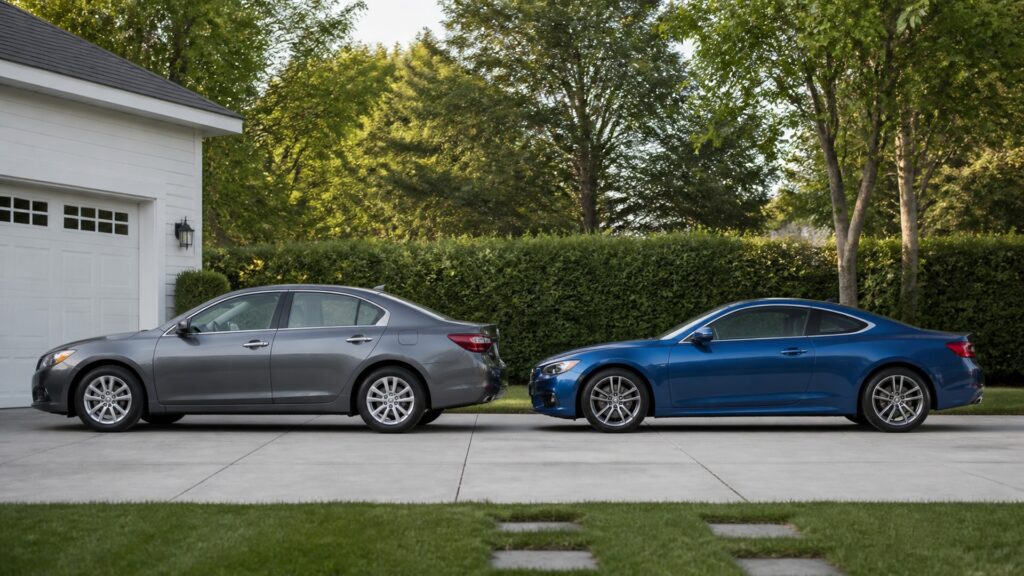
Sedans and conventional coupes differ mainly in passenger-access layout and the way the body allocates space and styling. A typical modern sedan has separate front and rear doors, while a conventional coupe uses two side doors and may place more emphasis on a particular roofline and proportions. Those choices affect access more directly than they determine performance.

The labels are not absolute. Manufacturers also use coupe-related names for some four-door cars, and cabin or luggage space varies widely within both groups. Understand the actual doors, seats, roof openings, and cargo access before assuming a sedan is roomy or a coupe is impractical.

By: Review Streets Research Lab
Updated: October 5, 2026
Explainer · 8-12 min read
sedans explainer hero image for Review Streets
What You'll Learn

How Body Layout Changes the Passenger Experience

Compare the physical arrangement rather than assigning qualities by name.

  • Identify actual door and seating arrangements
  • Separate access from usable interior space
  • Check roofline and door-opening clearance
  • Compare luggage access with occupied seats
  • Evaluate chassis, powertrain, and costs independently

Tip: Look at how people get into the car and where they sit; two vehicles with similar exterior styling can work differently inside.

Definitions

Six Design Terms for Sedan and Coupe Layouts

These concepts explain the practical effects of body design.

Side-Door Arrangement

The number and placement of openings used for passenger access.

  • Example: Separate rear doors let rear passengers enter directly.
  • Check: Inspect the actual layout rather than relying on the name.
  • Limit: Some cars marketed as coupes have four doors.

Entry Path

The movement required to reach a seating position.

  • Example: A rear passenger enters a two-door car past a moved front seat.
  • Check: Try the complete entry and exit sequence.
  • Limit: Seat presence does not establish convenient access.

Roof Packaging

How the roof shape and interior design provide clearance for occupants.

  • Example: A sloping rear roof affects the available head space in a particular car.
  • Check: Check seated headroom and the door opening separately.
  • Limit: Exterior styling alone cannot measure interior room.

Seating Arrangement

The number, shape, and placement of designated occupant positions.

  • Example: A model has two individual rear positions rather than a three-place bench.
  • Check: Verify the actual seats and restraints.
  • Limit: Do not assume all sedans or all coupes seat the same number.

Cargo Interface

The opening and seat provisions connecting luggage with storage space.

  • Example: A folding rear section extends storage for a long item.
  • Check: Check the trunk or hatch and actual seat functions.
  • Limit: Coupe styling does not require one universal rear opening.

Chassis Character

The driving behavior produced by suspension, tires, steering, and related design.

  • Example: A particular setup emphasizes ride comfort or response.
  • Check: Compare the actual configuration on representative roads.
  • Limit: Door count does not determine handling or comfort.

Tip: Separate body-layout effects from differences in trim, wheels, engine, and equipment when comparing cars.

Access Architecture

Separate Rear Doors Change the Boarding Sequence

A typical four-door sedan provides a direct opening to the rear seat. A conventional two-door coupe usually requires rear passengers to pass a front seat that moves or folds. That difference can matter during repeated stops or when helping someone board. Actual opening size, sill height, seat position, and the passenger's needs determine how easy either sequence feels.

  • Try entry and exit with the normal passengers.
  • Return front seats to the positions used for driving.
  • Check the needed clearance beside the car.

The clearest practical distinction is often how access happens, not how large the rear seat looks in isolation.

Space Allocation

Shape and Seat Position Determine Usable Room

Roof slope, wheelbase, seat height, and interior packaging all affect usable space. A sedan can have a tight rear cabin, while a coupe can provide acceptable space for its intended passengers. Test headroom, legroom, foot space, and posture with the front seats adjusted normally. Published dimensions are useful but do not fully describe the experience of sitting in the car.

  • Use actual occupant heights and normal seat positions.
  • Check both the entry opening and seated clearance.
  • Confirm designated seats and appropriate restraints.

A car can provide enough room once seated yet remain awkward for a passenger to enter, so assess both tasks.

Luggage Layout

The Rear Opening Needs Its Own Inspection

Sedans commonly use a separate trunk, while cars described as coupes can have different cargo arrangements. Look at the actual opening and whether required rear seats fold or provide a pass-through. Evaluate bags with the seats needed for passengers still available. Body style cannot determine whether a specific suitcase or stroller fits through a particular opening.

  • Measure the entry and compartment separately.
  • Check seat-folding provisions on the actual trim.
  • Keep cargo secure and occupant areas appropriate.

Cargo practicality comes from the complete passenger-and-luggage arrangement, not a body-style stereotype.

Driving Behavior

Sportiness Comes From the Complete Car

A coupe's appearance can suggest performance, but actual behavior depends on powertrain, mass, suspension, tires, and tuning. Sedans can also have performance-oriented configurations, and coupes can emphasize comfortable travel. Compare the vehicles on relevant roads with their fitted wheels and equipment. Do not attribute every difference to the number of doors.

  • Compare equivalent configurations where possible.
  • Test ride quality and response on suitable routes.
  • Keep appearance preferences separate from measured or observed behavior.

The appealing car is the one whose actual driving character suits the owner, regardless of the name assigned to its body.

Naming and Selection

Use the Label as a Starting Point

Four-door coupe and similar terms can describe styling priorities without matching the traditional two-door layout. Inspect the vehicle before drawing conclusions about access or practicality. Then compare passenger use, parking, costs, and preferences. Ownership expenses follow the actual model and equipment, so neither sedan nor coupe guarantees lower insurance, service, or energy costs.

  • Identify physical doors, seats, and rear opening.
  • Price the actual model and configuration.
  • Give recurring passenger needs appropriate weight.

Understanding the design makes the label less important and the practical differences easier to judge.

Quick Reality Check

What the Layout Can Tell You

Body design explains some tradeoffs while other qualities need separate evidence.

Direct Layout Effects

How rear passengers enter, the door clearance needed, and the available openings.

The way seats, roof shape, and luggage access work together in the actual car.

Qualities to Check Separately

Driving performance, ride comfort, safety evidence, and powertrain requirements.

Ownership costs, actual cabin fit, and cargo suitability for the intended use.

Common Myths

Misconceptions About Sedan and Coupe Design

Names and appearances cannot supply every answer.

Every coupe has two doors.

Some manufacturers use coupe-related names for four-door designs.

Every sedan has more passenger room than every coupe.

Usable space depends on the actual cars and seating arrangements.

Two doors guarantee sportier handling.

The complete chassis, tires, powertrain, and tuning determine behavior.

A sloping roof tells you whether the car has a hatch.

Inspect which rear panels open; styling alone is insufficient.

Tip: Compare the physical arrangement and actual equipment before deciding which design better suits the owner.

FAQ

Questions About Sedan and Coupe Differences

Answers for interpreting access, packaging, and body-style names.

What is the typical distinction?

Modern sedans commonly have separate rear doors; conventional coupes commonly use two side doors with different rear access.

Does a coupe always lack rear seats?

No. Verify the actual seating arrangement and usable space.

Why test entry separately from seating?

A passenger may fit once seated but find the route into that position difficult.

Can a sedan be performance-oriented?

Yes. Driving character comes from the actual design and equipment rather than door count.

How should I assess a four-door coupe?

Inspect its actual doors, roof openings, seating, and luggage arrangement, then compare those with your needs.

Bottom Line

Sedans and coupes differ most usefully in their actual access and packaging, while performance and ownership qualities depend on the complete car.

Check doors, entry paths, seats, and cargo openings directly instead of expecting the body-style name to settle every tradeoff.

Next Steps

Go Deeper or Compare Your Options

Use these Review Streets paths to compare related categories and practical next decisions.

Technical references: BMW coupe layouts; BMW sedan and Gran Coupe layouts; Honda Civic sedan cargo layout. Use the manual and ratings for your own model year and configuration.