
When to Use Corded Drills Instead of Cordless Drills

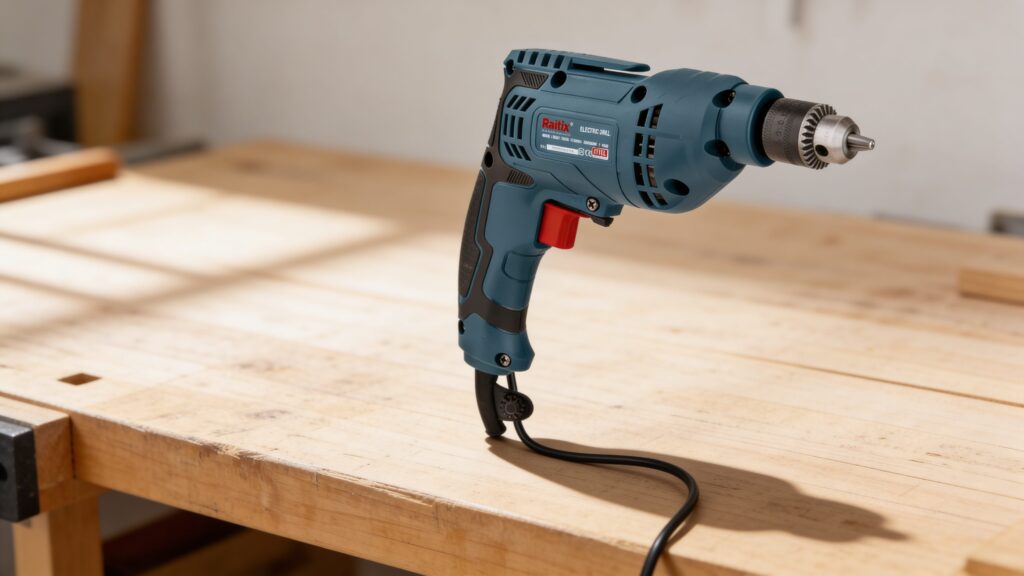
The choice between corded and cordless drills is often framed around mobility, yet the underlying distinction is mechanical and electrical. A corded drill operates on continuous AC power, delivering stable voltage and sustained torque without reliance on stored energy. Cordless systems depend on battery discharge curves, electronic controls, and thermal limits that influence output over time. Misunderstanding these differences can blur the line between convenience and functional capacity.

This explainer outlines the operational conditions where continuous power delivery, duty cycle demands, and load consistency define tool selection. It clarifies how runtime independence, torque stability, and electrical supply constraints shape appropriate use cases. By the end, readers will understand the structural and performance factors that distinguish corded drills within specific working environments.
By: Review Streets Research Lab
Updated: April 20, 2026
Explainer · 8–12 min read
When to Use Corded Drills Instead of Cordless Drills
What You’ll Learn

When Continuous Power Changes the Equation

A structured explanation of how continuous AC power, load demands, and duty cycles determine when corded drill systems become mechanically appropriate.

  • How continuous AC supply maintains stable torque under sustained load
  • Why duty cycle demands alter tool selection in fixed environments
  • How thermal limits differ between corded and battery-powered systems
  • What happens to output consistency as battery voltage declines
  • How high-load materials increase current draw and system strain
  • Why extended drilling sessions favor uninterrupted electrical delivery
  • How workspace constraints influence dependence on fixed power sources

Tip: When the workload is defined by duration and sustained resistance, continuous electrical supply becomes the governing variable.

Definitions

Key Parts That Make a Corded Drill Work

Before you can understand performance, it helps to know what each major component does—and where the common misunderstandings come from.

Power Supply

The continuous power source that drives the motor. In a corded drill, this supply is always connected to an electrical outlet, ensuring unlimited runtime.

  • AC power: Direct current from wall socket for uninterrupted use
  • Stability: Maintains consistent torque without power loss
  • Limitations: Tethered to a power source, restricting mobility

Speed Control

The speed control manages the motor's output, allowing the operator to adjust drill speed depending on the material and application. This ensures efficiency and precision.

  • Trigger response: Adjusts speed smoothly for different tasks
  • Torque control: Limits or increases force applied to the material
  • Heat protection: Prevents overheating during high-demand tasks

Motor

The motor is the core of the drill, converting electrical power into rotational motion. It affects the torque and speed, determining the drill's efficiency under load.

  • Power output: Determines drilling strength based on current supply
  • Efficiency: High efficiency helps reduce heat and power waste
  • Wear: Prolonged use can degrade motor performance

Gearbox

The gearbox adjusts the motor’s speed, multiplying the torque for effective drilling in tough materials. It works with the clutch to provide controlled force for various tasks.

  • Low gear: Provides higher torque for tougher materials
  • High gear: Increases speed for lighter tasks
  • Clutch: Limits torque for controlled screw driving

Chuck

The chuck holds the drill bit and ensures it stays in place during use. Its design impacts how securely the bit is held and its performance under pressure.

  • Grip: The chuck holds the bit tightly to avoid slippage
  • Runout: Any wobbling or uneven movement at the bit
  • Maintenance: Regular cleaning helps maintain its function

Torque

Torque is the force applied to turn the bit. It's crucial for drilling through tougher materials where higher force is needed for continuous cutting.

  • Peak torque: Maximum force output in short bursts
  • Sustained torque: Maintains force for consistent drilling performance
  • Impact: Torque is felt as the drill applies force to the material

Tip: When a drill feels weak, it’s usually not “the voltage”—it’s the total system: power supply, motor, gearbox, and heat management.

Power Path

How Power Moves Through a Corded Drill

A corded drill constantly receives power from an electrical outlet, but that power must move through several components to be useful. Understanding this flow reveals why corded drills maintain performance in high-demand situations.

  • The power supply delivers continuous AC power to the motor
  • The motor converts electrical power into rotational motion for the bit
  • The gearbox modifies motor speed to provide optimal torque for the task
  • The chuck holds the bit in place, transmitting torque to the material

A well-functioning power path ensures that the drill delivers consistent, reliable force, even in demanding conditions.

Motors

Brushed vs. Brushless Motors

The motor type determines how efficiently a corded drill converts electrical power into usable force. While both types serve similar purposes, their design influences performance and longevity.

  • Brushed motors use physical contact points, leading to more wear and less efficiency
  • Brushless motors rely on electronic controls to improve power delivery and reduce friction
  • Brushless motors tend to produce less heat and extend the tool’s service life

Brushless motors often offer higher efficiency, resulting in more effective performance under continuous use.

Gearing

Why Gears Matter More Than Raw Motor Speed

The gearbox is crucial for determining how motor power is transformed into usable torque, making it just as important as the motor itself in determining drill effectiveness.

  • Low gear provides maximum torque for challenging tasks like driving screws
  • High gear prioritizes speed, making it ideal for light drilling in softer materials
  • Quality gearing ensures smoother operation and reduces long-term wear

Efficient gearing allows the drill to adjust to various tasks without sacrificing power or stability.

Heat Management

Why Drills Lose Power as They Get Hot

Heat is a primary factor limiting drill performance. As the tool heats up, its ability to sustain high levels of power output decreases, affecting overall efficiency.

  • Excessive heat causes batteries to reduce their current flow to protect internal cells
  • The electronic controller reduces power output to avoid overheating
  • The motor’s efficiency drops as temperatures rise, limiting torque delivery

Managing heat is critical for maintaining consistent power during prolonged or intensive drilling tasks.

User Control

Trigger Control, Balance, and Ergonomics

How a drill feels in the user’s hand can significantly impact its effectiveness, especially in terms of precision, comfort, and extended use.

  • A smooth, responsive trigger offers more precise control over drilling speed
  • Balanced weight distribution minimizes wrist strain, especially in prolonged tasks
  • Ergonomic grips improve handling and reduce fatigue during extended use

The design and feel of a drill can make a substantial difference in real-world usability, affecting both productivity and comfort.

Quick Reality Check

Where Corded Drills Shine — and Where They Don’t

A simple, practical balance: what corded drills handle beautifully, and the situations where their limits show up.

What Corded Drills Do Well

Corded drills provide continuous power for high-load, long-duration tasks. With an unlimited electrical supply, they avoid the performance dips seen in battery-powered models.

For heavy-duty applications like large hole drilling in dense materials, corded drills maintain stable torque without the risk of battery discharge or thermal limitations.

Where Corded Drills Have Limits

While corded drills offer power consistency, they are tethered to a power outlet, limiting mobility and convenience compared to their cordless counterparts.

In cramped spaces, or for tasks that require frequent repositioning, the cord can become an obstacle, making cordless drills more practical in these situations.

Common Myths

Misconceptions About How Corded Drills Work

Corded drills are often judged by outdated assumptions or misunderstood specs. Here’s what actually matters—and what doesn’t.

Corded drills aren’t powerful enough for real work

Corded drills provide constant, unlimited power from an electrical outlet, making them ideal for heavy-duty tasks and long durations without worrying about battery life or power loss.

Higher voltage always means more power

Voltage affects how quickly a drill can operate, but it’s the current and torque that determine power delivery. A lower voltage can still deliver ample power with proper gearing and design.

Amp-hours make a drill stronger

Amp-hours determine how long a drill can operate before needing a recharge, but they don’t directly influence peak power or the force a drill can generate in heavy applications.

Brushless drills are always better

Brushless motors offer higher efficiency and durability, but brushed motors are still suitable for lighter tasks where their simplicity and cost efficiency are beneficial.

If a drill stalls, it’s underpowered

Drill stalls are often caused by improper gear selection, overheating, or excessive load, not necessarily a lack of power. Allowing the drill to cool or switching gears can resolve the issue.

Tip: When comparing drills, focus on how they behave under load and over time—not just headline specs or marketing claims.

FAQ

Frequently Asked Questions About How Corded Drills Work

Quick answers to the most common questions people have after learning the basics of corded drill power, motors, and gearing.

What actually determines how “powerful” a corded drill feels?

Power is determined by the steady electrical supply, motor efficiency, torque delivery via gearing, and heat management. These factors combine to give the drill its usable performance, not just raw voltage.

Does a higher voltage drill always drill faster?

Voltage affects the rate of speed but doesn’t directly correlate with faster drilling. Other factors like gearing and motor design are crucial for achieving optimal speed during tasks.

What does amp-hour (Ah) mean—and does it make the drill stronger?

Amp-hours indicate the amount of energy stored, affecting runtime rather than power. While they don’t directly increase peak power, larger batteries can maintain steady output under heavy loads.

Why does my drill slow down or shut off during tough drilling?

This often happens due to thermal or current protection. Drills limit power to prevent damage. To restore function, switch gears, use a sharper bit, or allow the tool to cool.

When should I use low gear vs high gear?

Low gear provides more torque for tasks like driving screws or drilling large holes. High gear works better for faster drilling with smaller bits. If the drill stalls, low gear often resolves it.

What’s the practical advantage of a brushless drill?

Brushless motors are more efficient and run cooler, resulting in less energy waste and longer tool life. This efficiency translates into longer runtime and more consistent performance under load.

Why do some chucks slip or wobble?

Chuck slippage can occur due to poor jaw grip, wear, or improper tightening. Wobble is often a result of the chuck design or bit misalignment. Regular maintenance helps prevent these issues.

What matters more for performance: the drill or the battery?

Both are important, but the battery is often the limiting factor. The drill can only perform as well as the battery allows, and high-quality batteries ensure more consistent output under load.

Tip: If your drill struggles, check gear selection and bit sharpness first—then consider battery health and heat as the next most common culprits.

Bottom Line

Corded drills deliver consistent power through continuous AC supply, not battery limitations. The power flow, from the electrical outlet to the motor, ensures stability, especially during high-load or long-duration tasks.

Understanding how the power path influences performance helps clarify which tool is best suited for specific tasks, beyond just headline specs.

Next Steps

Go Deeper or Compare Your Options

Now that you understand how corded drills work, these guides help you apply that knowledge to real buying decisions.

Best Cordless Drills

A ranked look at the top cordless drills across power levels, use cases, and budgets—based on real performance factors.

Cordless vs Corded Drills

A side-by-side comparison that breaks down power, runtime, heat limits, and which type makes sense for different jobs.

Quick Summary

When to Use Corded Drills Instead of Cordless Drills

  • Corded drills offer unlimited power through direct electrical connection
  • Voltage is important, but continuous power delivery impacts performance
  • Heat buildup and torque delivery are crucial for long, demanding tasks
  • Corded drills excel in high-load, sustained-duty applications without power loss
  • Workspace limitations can make corded drills less convenient than cordless models