When to Use Cordless Drills Instead of Corded Drills

Cordless and corded drills are built around different power delivery systems, yet their roles are often misunderstood. Discussions tend to collapse into surface distinctions, overlooking how electrical supply, energy storage, and motor control shape behavior during real tasks. Understanding these underlying systems clarifies why each design exists and where its operational boundaries naturally emerge.

This explainer outlines the mechanical and electrical factors that define cordless drill use, including mobility constraints, power availability, and duty cycles. By the end, readers will understand how environment, workflow, and energy delivery interact, allowing clearer interpretation of when cordless operation aligns with the demands of a given task.

By: Review Streets Research Lab
Updated: April 20, 2026
Explainer · 8–12 min read
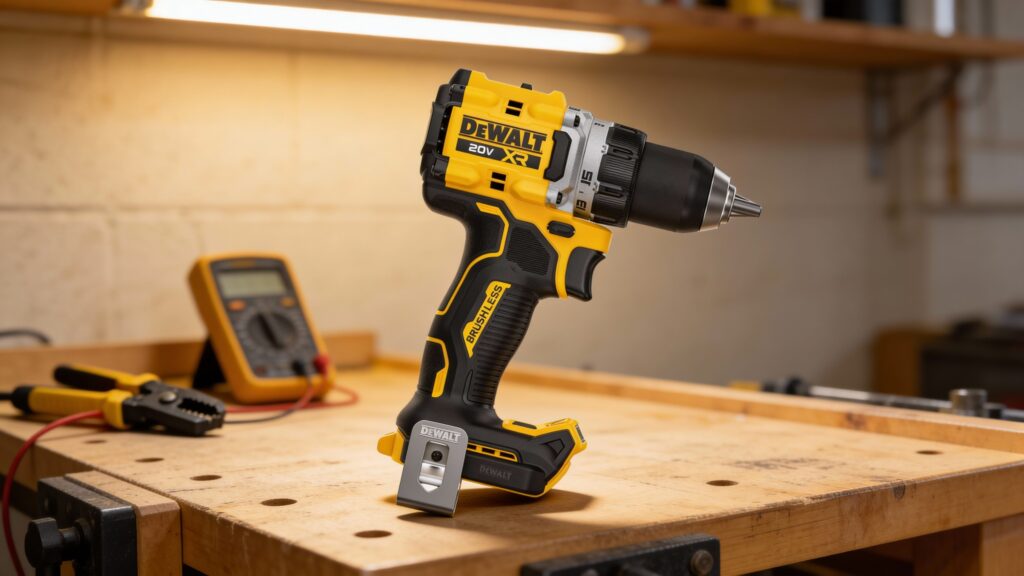
Cordless drill being used on a home construction project without a power outlet nearby
What You’ll Learn

Choosing Cordless Based on Power Delivery

A system-focused guide to how power source, load, and workflow interact—so usage boundaries become clear and predictable across real drilling conditions.

  • How power availability and setup constraints shape real drilling workflows
  • How battery discharge under load changes torque delivery and speed stability
  • What continuous-duty tasks reveal about heat rise and motor control
  • How mobility, reach, and cord management affect tool positioning and accuracy
  • Why extension length and voltage drop can alter load response
  • How bit size, material density, and feed pressure define power demands
  • What intermittent driving cycles favor in energy delivery and cooling

Tip: Think in power paths: wall supply or battery, then controller, motor, and gearbox under the same load.

Definitions

Key Systems That Separate Cordless from Corded Use

These definitions map the power path and operating constraints that shape where cordless tools fit, and why limits show up under specific loads and duty cycles.

Energy Storage

A cordless drill runs on stored electrical energy that must supply instantaneous current as load rises. How that energy leaves the pack shapes speed stability and heat.

  • Discharge: Voltage falls under load as current demand increases
  • Internal resistance: Converts some energy into heat inside the pack
  • Capacity curve: Output changes as state of charge declines

Power Regulation

The controller meters current and voltage from the source into the motor based on trigger input. It also enforces limits that prevent electrical and thermal overload.

  • Current limiting: Caps draw when load spikes or stalls occur
  • Switching control: Pulses power to set speed and torque response
  • Thermal logic: Reduces output as components approach temperature thresholds

Motor Heat Balance

The motor converts electrical input into rotation while producing heat that must be shed. Continuous loading increases temperature, which changes efficiency and allowable current.

  • Copper losses: High current raises winding heat rapidly under load
  • Cooling path: Airflow and housing conduction set steady-state temperature
  • Speed-torque slope: Load increases reduce RPM at a given input

Mechanical Load Path

Gearing translates motor speed into usable torque at the bit, while also increasing mechanical forces inside the tool. Load at the bit becomes stress upstream.

  • Reduction ratio: Trades rotation speed for higher torque delivery
  • Torque reaction: Higher output torque increases housing and grip forces
  • Duty heating: Friction and load raise gearbox temperature over time

Bit Interface

The chuck is the mechanical coupling between tool and bit, transmitting torque while resisting slip. Grip quality and alignment determine how load is transferred.

  • Clamping force: Sets how much torque can pass before slippage
  • Runout control: Misalignment adds vibration and uneven cutting load
  • Surface condition: Wear, debris, and oil reduce effective grip

Duty Cycle

Duty cycle describes how long high load is applied versus time spent unloaded, which determines heat buildup. Cordless limits often appear when load is sustained.

  • Continuous load: Drives temperature upward toward protective thresholds
  • Intermittent bursts: Allows partial cooling between high-current events
  • Recovery time: Cooling rate sets when full output returns

Tip: Treat the drill as a chain of constraints—power source, controller limits, thermal rise, and load path—acting together under a specific duty cycle.

Power Path

How Power Delivery Sets the Cordless Operating Window

Cordless use is defined by stored energy and controlled current rather than continuous supply. That power path determines how the tool responds when load rises and time under load extends.

  • Battery output is limited by cell chemistry, temperature, and internal resistance
  • The controller shapes torque by metering current and protecting against overload
  • Voltage sag under load reduces motor speed unless current can increase
  • The gearbox multiplies torque but increases upstream stress and heat
  • At the chuck, grip and alignment decide how much torque reaches the bit

When the chain is constrained at any link, the bit sees lower usable torque under sustained load.

Motors

Motor Design Changes How Electrical Limits Become Mechanical Output

The motor sits between regulated electrical input and the mechanical load at the bit. Its construction and control determine how efficiently current becomes torque, and how quickly heat accumulates.

  • Brushed motors use mechanical commutation that introduces friction and resistive losses
  • Electronically commutated motors rely on timed switching to maintain torque across speed
  • Higher current demand raises winding temperature, which changes resistance and efficiency
  • Motor cooling paths set the steady-state temperature under repeated or continuous loading

As thermal and electrical limits tighten, the motor’s torque-speed behavior becomes the constraint you feel at the bit.

Gearing

Gearing Translates Load Requirements Into Current and Heat

The gearbox determines the torque and speed relationship at the bit, effectively setting the mechanical demand seen by the motor. That translation also dictates how much current is needed to maintain rotation.

  • Higher reduction lowers output speed while reducing the motor torque needed for a given bit load
  • Lower reduction raises motor torque demand, increasing current draw under the same load
  • Gear friction adds losses that become heat inside the transmission and housing
  • Torque reaction forces grow with output torque, affecting stability at the handle

The selected ratio and transmission losses determine whether load becomes manageable rotation or rapid thermal buildup.

Heat Management

Heat Converts Time Under Load Into Electrical Limits

Heat is the accumulation of electrical and mechanical losses that must be dissipated through the tool body and airflow. As temperature rises, protective limits reduce allowable current to avoid damage.

  • Cell temperature increases internal resistance, which deepens voltage sag under load
  • Controller temperature triggers derating that caps current and reduces motor torque
  • Motor winding heat raises resistance, requiring more voltage for the same current
  • Gearbox heating increases friction, adding load and accelerating the thermal climb

Once derating begins, the drill’s response becomes a function of cooling rate as much as power input.

User Control

Control and Setup Constraints Shape Effective Use More Than Nameplate Output

Real drilling loads are applied through the user’s stance, grip, and tool positioning, not through a fixed bench condition. Cord management, reach, and start control change how load is introduced and sustained.

  • Trigger modulation sets the ramp rate into load, which affects initial current spikes
  • Tool balance and reaction torque influence alignment, changing cutting efficiency at the bit
  • Reach and cable routing constraints alter body position and contact pressure consistency
  • Interruptions in work cycle change cooling opportunities and thermal accumulation

These handling and setup factors determine how the same power system behaves when load is applied in motion.

Quick Reality Check

Where Cordless Drills Shine — and Where They Don’t

A quick system-level contrast between mobility-driven work and sustained-load work, grounded in how stored energy and heat limits behave.

Mobility and setup freedom

Cordless drills remove cable routing and outlet dependence, so positioning is dictated by the work surface and stance rather than extension length and cord management.

In overhead drilling or tight framing bays, the power path stays the same while the mechanical load is applied with fewer setup constraints.

Sustained load and heat

Because energy is stored and current is regulated, prolonged high-load drilling raises battery, controller, and motor temperatures until protective limits reduce allowable output.

Large-diameter holes in dense material create a long duty cycle, where voltage sag and thermal derating become more visible than short bursts.

Common Myths

Misconceptions About Cordless vs. Corded Use

Most confusion comes from treating drills as static “power numbers” instead of systems limited by energy source, control limits, and thermal rise.

Cordless equals weak by design

Cordless output is not defined by a single rating, but by how stored energy is converted into current under load. Limits tend to appear during sustained high duty cycles, when heat and controller protections reduce allowable current.

Wall power means constant torque

Corded drills still depend on motor characteristics and the electrical path feeding them. Extension length, wiring resistance, and load-induced speed drop all influence the torque-speed balance delivered to the bit.

Voltage tells the full story

Voltage is only one part of the power picture, because real output depends on current delivery and control limits. Cell resistance, temperature, and controller current caps determine whether voltage holds or sags when the bit loads up.

Amp-hours increase drilling strength

Amp-hours describe how much energy is stored, not how much current can be delivered instantly. Under load, peak torque is mainly set by current limits, internal resistance, and thermal constraints rather than capacity alone.

Stalls always indicate low power

Stalling is often a system response to load exceeding the available torque at a given speed. It can be driven by gearing choice, bit geometry, feed pressure, voltage sag, or controller protection acting to prevent overheating and overcurrent.

Tip: Think in constraints across time: energy delivery, current limiting, and heat buildup combine to shape what the drill can sustain under a given load.

FAQ

Frequently Asked Questions About Cordless vs. Corded Use

Focused explanations that connect job conditions to power delivery, thermal limits, and load response so the tradeoffs read as predictable system behavior.

What actually determines how “powerful” a cordless drill feels?

It’s the combined behavior of the battery’s current delivery, the controller’s current limits, the motor’s torque-speed curve, and the selected gear ratio. Heat and voltage sag compress that system under load, which is why “feel” changes as duty cycle and temperature rise.

Does a higher voltage drill always drill faster?

Not necessarily. Bit speed is set by motor speed under load and the gear ratio, and both are shaped by controller tuning and voltage sag. Higher nominal voltage can help maintain speed, but only if the system can supply the required current without hitting thermal limits.

What does amp-hour (Ah) mean—and does it make the drill stronger?

Amp-hours describe stored energy, so they primarily affect how long a given load can be supported. Peak torque depends more on current limits and internal resistance than capacity alone, though larger packs can sometimes hold voltage steadier by spreading current and heat across more cells.

Why does my drill slow down or shut off during tough drilling?

As load increases, current demand rises and the system produces heat in the pack, controller, and motor. Protective logic reduces output or interrupts power when current or temperature crosses thresholds, so the drill’s response reflects limits in energy delivery and thermal dissipation, not a single “power” number.

When should I use low gear vs high gear?

Low gear increases torque at the bit by reducing speed, lowering the motor torque required for a given load. High gear raises bit speed but demands more motor torque and current under resistance, so it reaches electrical and thermal limits sooner when the cut is heavy.

What’s the practical advantage of a brushless drill?

Electronically commutated motors reduce mechanical losses and allow tighter control over timing and current, improving efficiency across a range of speeds. That efficiency reduces heat per unit of work, which can delay derating when loads are repeated or sustained.

Why do some chucks slip or wobble?

Slip occurs when jaw clamping force and surface friction are lower than the torque being transmitted, which can be worsened by wear, debris, or oil. Wobble is typically runout from jaw alignment, internal clearances, or imperfect bit seating, which adds vibration and uneven cutting load.

What matters more for performance: the drill or the battery?

They function as a single power system, but the source often sets the ceiling. The controller and motor can only use the current the battery can deliver without excessive voltage sag or overheating, so pack resistance, temperature, and protection logic frequently define the sustained load the drill can support.

Tip: Diagnose by following the power path under load—source voltage sag, controller limiting, and thermal rise reveal why speed drops or cut quality changes.

Bottom Line

Cordless drills operate within energy, current, and thermal limits set by their systems. Stored energy, controller limits, motor behavior, and gearing translate load into torque until heat accumulation reduces allowable output over time.

Understanding this power path clarifies why performance changes with duty cycle, setup, and cooling, replacing vague expectations with predictable cause-and-effect.

Next Steps

Go Deeper or Compare Your Options

If you want to apply the power-path model in context, these pages extend it into lists, comparisons, and selection frameworks.

Cordless Drill Lists

A structured set of list pages that organize cordless drills by workload, duty cycle, and control priorities using clear, mechanism-based criteria.

Cordless vs Corded Comparisons

A comparison hub that explains how energy delivery, heat limits, and workflow constraints change behavior across drilling tasks and operating conditions.

Cordless Drill Buying Guides

A reference guide to interpreting specs through system behavior, with clear definitions for power limits, gearing roles, and what affects sustained load.

Quick Summary

When Cordless Makes Sense

  • Cordless use is defined by stored energy, not continuous electrical supply
  • Controller current limits shape torque delivery when material resistance increases
  • Voltage sag under load reduces speed unless current headroom exists
  • Heat buildup triggers derating, shrinking output during longer duty cycles
  • Workflow constraints like reach and setup often dominate practical tool behavior