When to Use Dumbbells Instead of Barbells

Use dumbbells instead of barbells when the workout needs independent arm control, a freer movement path, easier home setup, or smaller strength work without a rack. Dumbbells let each side move separately, which can make presses, rows, lunges, step-ups, curls, raises, and accessory work easier to adapt.

Barbells still make sense when the priority is very heavy loading, stable bilateral strength work, or standardized lifts such as squats, deadlifts, bench presses, and overhead presses. The better choice depends on the training goal, available equipment, and how much control the user needs from each side of the body.

By: Review Streets Research Lab
Updated: October 1, 2026
Explainer · 8-12 min read
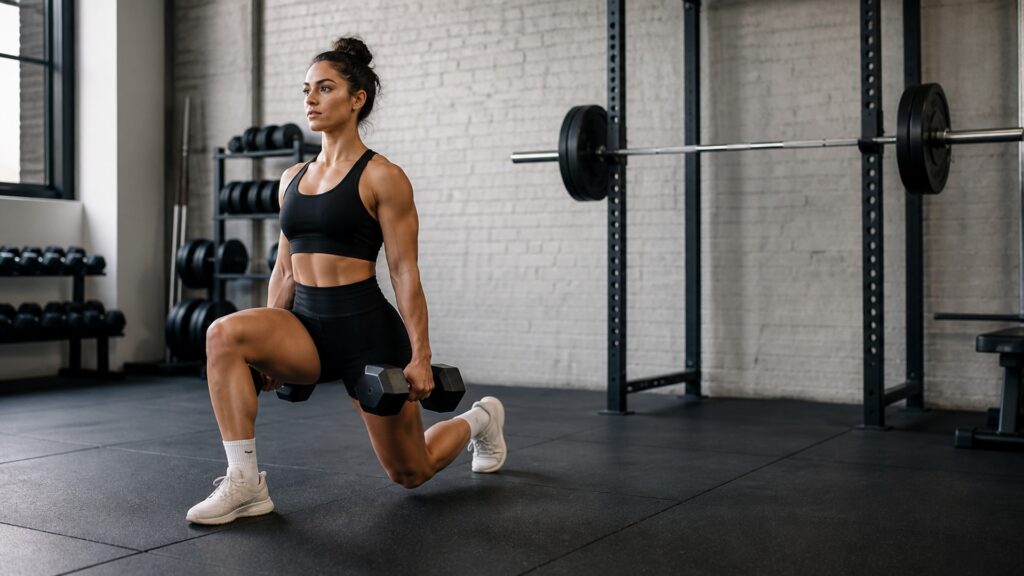
dumbbells explainer hero image for Review Streets
What You'll Learn

When Dumbbells Are The Better Choice Than A Barbell

A practical decision path for choosing dumbbells over barbells for strength training, home gyms, and accessory work.

  • Why dumbbells are useful for independent left-right control
  • How freer movement paths can fit different bodies and exercises
  • Where barbells remain better for heavy, standardized loading
  • Why dumbbells often fit small home gyms more easily
  • How to choose by goal, setup, and progression needs

Tip: Choose dumbbells when control and fit matter more than the heaviest possible load.

Definitions

Key Concepts Behind Choosing Dumbbells Over Barbells

These concepts clarify when separate hand weights beat a shared bar.

Independent Arm Path

Independent arm path means each hand can move through its own route.

  • Example: using dumbbells for a bench press when shoulders prefer a slight angle
  • Check: see whether the user needs more natural hand movement
  • Limit: independence can reduce maximum load

Bilateral Bar Loading

Bilateral bar loading uses one bar shared by both sides of the body.

  • Example: a barbell back squat or bench press
  • Check: choose it when heavy, stable loading is the goal
  • Limit: the stronger side can sometimes hide the weaker side

Setup Friction

Setup friction is the time, space, and equipment needed before the set begins.

  • Example: needing a rack and bench for barbell pressing
  • Check: compare what is available at home
  • Limit: dumbbells still need safe handling and storage

Load Ceiling

Load ceiling is the heaviest practical weight a setup can support.

  • Example: outgrowing a pair of adjustable dumbbells for lower-body work
  • Check: match equipment to long-term strength goals
  • Limit: dumbbells may become limiting for heavy lifts

Accessory Precision

Accessory precision is the ability to target smaller movements with manageable loads.

  • Example: lateral raises, curls, and one-arm rows
  • Check: use dumbbells when smaller movements need control
  • Limit: accessories should support the main plan

Home Gym Fit

Home gym fit is how well equipment works in the user's available space.

  • Example: choosing adjustable dumbbells instead of a rack and Olympic bar
  • Check: measure storage and lifting area
  • Limit: compact equipment may not cover every lift

Tip: Dumbbells are often the better first choice when the workout values adaptability over maximum loading.

Control

Use Dumbbells For Independent Side Control

Dumbbells make each arm manage its own load. That is useful when the user wants to compare sides, train around small differences, or prevent one side from doing most of the work.

  • Choose dumbbells for one-arm rows and presses.
  • Watch for side-to-side differences.
  • Keep range and tempo even.

Separate weights make the lift more honest for each side.

Fit

Use Dumbbells When The Movement Path Needs Freedom

A bar fixes the hands in one relationship. Dumbbells allow small changes in grip, angle, and path, which can make some presses, rows, and accessory lifts feel better.

  • Use neutral or angled grips when helpful.
  • Avoid painful paths.
  • Keep the freedom controlled rather than random.

Dumbbells can adapt to the user instead of forcing the user to the bar.

Home Setup

Use Dumbbells When Space Or Equipment Is Limited

A barbell setup often needs a bar, plates, collars, rack, bench, and enough room to move safely. Dumbbells can support many exercises with less dedicated space.

  • Choose adjustable dumbbells for compact storage.
  • Make sure there is room to set weights down.
  • Use benches and mats only when they improve the exercise.

Lower setup friction can make training happen more often.

Barbell Advantage

Use Barbells When Heavy Loading Is The Main Goal

Barbells remain better for many heavy strength goals. Squats, deadlifts, bench presses, and overhead presses are easier to load in small, stable increments with a barbell setup.

  • Choose barbells for high load ceilings.
  • Use racks and safeties for heavy lifts.
  • Track standardized lifts when comparison matters.

A barbell is usually the stronger tool for maximum strength progression.

Decision

Choose By The Job The Exercise Needs To Do

The decision is not dumbbells versus barbells forever. Many programs use barbells for main heavy lifts and dumbbells for accessories, unilateral work, or movements that need more freedom.

  • Use dumbbells when control and fit matter most.
  • Use barbells when load and standardization matter most.
  • Combine both when the program benefits from both.

The best tool is the one that matches the role of the exercise.

Quick Reality Check

Where Dumbbells Beat Barbells And Where Barbells Still Win

The choice depends on control, load ceiling, space, and exercise role.

Dumbbells Win When

The user needs independent side control, freer paths, or compact setup.

The workout includes accessories, unilateral work, and adaptable home training.

Barbells Win When

The user needs very heavy loading and standardized progression.

The lift benefits from one shared bar and stable rack setup.

Common Myths

Misconceptions About Dumbbells Versus Barbells

The tools overlap, but they do not solve the same problems equally.

Dumbbells are only for light training

Dumbbells can be challenging and effective, especially for unilateral and accessory work.

Barbells are always better for strength

Barbells are excellent for maximum loading, but dumbbells can build strength when load and progression fit.

Dumbbells are automatically safer

They may be easier to bail from in some lifts, but they still require control and safe setup.

A home gym must choose one tool

Many home gyms use dumbbells first, then add a barbell when heavy loading becomes important.

Tip: Use the tool that fits the lift instead of ranking one as universally better.

FAQ

Frequently Asked Questions About Dumbbells Versus Barbells

Short answers for choosing the right free-weight tool.

When should I use dumbbells instead of barbells?

Use dumbbells when you need independent side control, freer movement paths, compact setup, or accessory work.

When are barbells better?

Barbells are better for heavy bilateral lifts, standardized progression, and movements supported by a rack or platform.

Can dumbbells build muscle as well as barbells?

Yes, when the available load, exercise selection, volume, and progression match the goal.

Are dumbbells better for beginners?

Often they are easier to set up for many exercises, but beginners still need appropriate load and clear technique.

What is the practical takeaway?

Choose dumbbells for control and adaptability; choose barbells for heavy, standardized loading.

Bottom Line

Dumbbells are the better choice when the workout needs independent control, adaptable paths, and lower setup friction.

Barbells remain better when the main goal is heavy loading, standardized lifts, and long-term maximum strength progression.

Next Steps

Go Deeper or Compare Your Options

Use these Review Streets paths to compare related categories and practical next decisions.