When to Use Fitness Training Apps Instead of Smart Home Gyms

Use a fitness training app instead of a smart home gym when flexibility matters more than owning a dedicated training machine. A smart home gym can be powerful, but it also asks for space, money, setup, and commitment.

A training app is often the better first step when you want guidance without locking your workouts to one piece of hardware. The choice is portable coaching versus an integrated home training station.

By: Review Streets Research Lab
Updated: September 21, 2026
Explainer · 8-12 min read
fitness training apps explainer hero image for Review Streets
What You'll Learn

When Fitness Training Apps Are The Better Fit

A practical way to decide whether app-based coaching is enough before committing to a smart home gym.

  • Why lower cost and lower commitment often matter at the start
  • How app portability helps across home, gym, travel, and outdoor workouts
  • Where existing equipment makes a smart gym less necessary
  • When a dedicated machine provides feedback an app cannot match
  • How subscriptions, space, and setup change the decision
  • What to test before buying a larger home-gym system

Tip: Try to solve the training problem with the smallest tool that works. Upgrade to hardware when integration changes the workout.

Definitions

Key Concepts Behind The App-First Choice

These concepts explain why a training app can be a better fit than a smart home gym for many users.

Low-Commitment Entry

Low-commitment entry means starting structured training without buying a large machine or redesigning a room.

  • Example: testing a paid app for a month before buying equipment
  • Check: compare total cost and cancellation flexibility
  • Limit: low commitment does not guarantee strong coaching

Portable Coaching

Portable coaching is guidance that follows the user across locations and equipment setups.

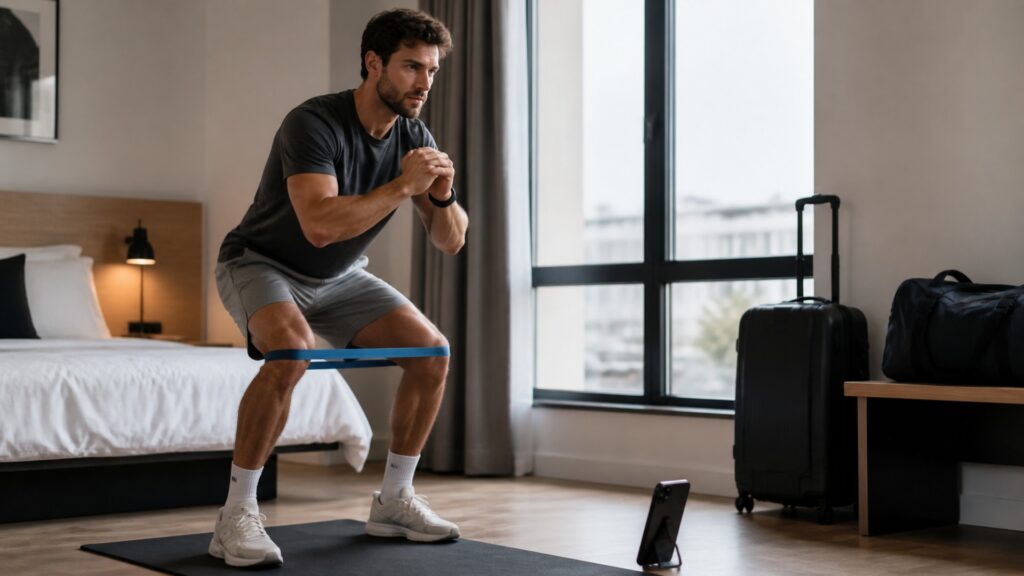
  • Example: using the same plan at home, in a hotel gym, and outdoors
  • Check: confirm the app works with the places you train
  • Limit: portable coaching cannot provide built-in machine resistance

Equipment Flexibility

Equipment flexibility means the app can support bodyweight, dumbbells, bands, gym machines, cardio, mobility, or mixed routines.

  • Example: substituting resistance bands for cable exercises
  • Check: review substitutions for equipment you actually own
  • Limit: not every substitution preserves the same training effect

Space Requirement

Space requirement is the amount of permanent room a training setup needs.

  • Example: choosing an app because a wall-mounted system will not fit
  • Check: measure the training area and storage space
  • Limit: small spaces still need safe room to move

Integrated Feedback

Integrated feedback is the smart home gym's advantage when sensors, resistance, screens, or form cues work directly with the hardware.

  • Example: a digital strength system tracking reps and resistance automatically
  • Check: decide whether hardware feedback would change your behavior
  • Limit: feedback is not useful if the system is rarely used

Upgrade Timing

Upgrade timing is the point when a user's routine is stable enough to justify a larger hardware purchase.

  • Example: buying a smart gym after months of consistent app-guided strength training
  • Check: look for proven habits before committing to equipment
  • Limit: waiting too long can also delay useful support if hardware is clearly needed

Tip: A training app is often the smarter first move when you are still learning what kind of routine you will repeat.

Cost

Use An App When You Want A Lower-Risk Start

Fitness apps usually cost far less than smart home gyms and are easier to pause or replace. That makes them useful when the user wants structure without a major purchase.

  • Monthly app costs are easier to test than hardware financing.
  • A short trial can reveal whether the coaching style fits.
  • Lower cost matters when training preferences are still changing.

An app lets you learn what you need before investing in a larger system.

Flexibility

Choose An App When Training Happens In More Than One Place

A smart home gym works best in one dedicated location. A training app can follow the user from home to the gym, a hotel, a park, or a small apartment setup.

  • Apps fit travel and changing schedules better.
  • Gym users can pair app programming with existing machines.
  • Outdoor, mobility, and bodyweight workouts are easier to keep portable.

If your routine moves around, portable coaching is often more useful than fixed hardware.

Existing Equipment

Use What You Already Have First

Many people already own dumbbells, bands, a mat, a bike, or a gym membership. A fitness app can organize those tools before a smart home gym becomes necessary.

  • Check whether current equipment can support the plan.
  • Use substitutions to avoid buying hardware too early.
  • Upgrade only when the missing hardware limits progress.

A smart home gym should solve a real gap, not duplicate equipment that already works.

Hardware Advantage

Know When The Smart Home Gym Has A Stronger Case

Smart home gyms can win when the user needs integrated resistance, built-in screens, automatic tracking, or a dedicated station that makes workouts easier to start.

  • Hardware feedback can improve consistency for some users.
  • Digital resistance may save space compared with many weights.
  • A dedicated station helps when decision fatigue blocks training.

The larger purchase makes sense when the hardware changes the session in a way an app cannot.

Practical Check

Test The Routine Before Buying The Machine

An app can reveal whether you prefer strength, classes, mobility, conditioning, or mixed training. That knowledge makes a later smart-gym purchase more informed.

  • Try a full month of app-guided workouts.
  • Track which sessions you actually repeat.
  • Buy hardware only when the pattern is clear.

The best time to buy a smart home gym is after you know it supports the routine you will keep using.

Quick Reality Check

Where Apps Beat Smart Home Gyms And Where They Do Not

The choice depends on commitment, flexibility, space, and feedback needs.

Apps Are Better When

You need lower cost, portability, and workouts that fit different settings.

You already have equipment or want to test a routine before buying hardware.

Smart Home Gyms Are Better When

Integrated resistance, sensors, screens, or form feedback would improve the workout.

A dedicated home station would make you train more consistently.

Common Myths

Misconceptions About Apps Versus Smart Home Gyms

A bigger system is not automatically the better fit.

A smart home gym is always more effective

It can provide stronger integration, but the result still depends on whether the user trains consistently.

Fitness apps are only for beginners

Experienced users often use apps for programming, logging, mobility, conditioning, and gym-based strength plans.

The cheaper option is always better value

A low-cost app that goes unused is not a bargain. A smart home gym used often may justify its cost.

You have to choose one forever

Many users start with an app, then add hardware later when their routine and needs are clearer.

Tip: Use the app-first path to learn your routine before deciding whether hardware will truly help.

FAQ

Frequently Asked Questions About Apps And Smart Home Gyms

Short answers for deciding between portable coaching and a dedicated home setup.

Should I try a fitness app before buying a smart home gym?

Usually, yes. Trying an app can reveal which workouts, coaching style, schedule, and equipment you actually use.

Can a fitness app replace a smart home gym?

It can replace a smart home gym when you mainly need programming, demos, and logging. It cannot fully replace built-in resistance, machine tracking, or integrated feedback.

Who should choose the smart home gym instead?

Choose the smart home gym if you want a dedicated home station, value integrated hardware feedback, have the space, and are confident you will use it regularly.

What is the biggest advantage of fitness apps?

The biggest advantage is flexibility. Apps can work across locations, equipment setups, budgets, and training styles.

What is the practical takeaway?

Choose a fitness app when portable, lower-commitment coaching solves the problem. Choose a smart home gym when the hardware will make you train better or more often.

Bottom Line

Fitness training apps are the better fit when you need flexible coaching without a major hardware commitment.

Smart home gyms deserve a closer look when integrated resistance, feedback, and a dedicated station would meaningfully improve your routine.

Next Steps

Go Deeper or Compare Your Options

Use these Review Streets paths to compare related categories and practical next decisions.

Smart Home Gyms

Compare the larger hardware path before committing space and budget.