
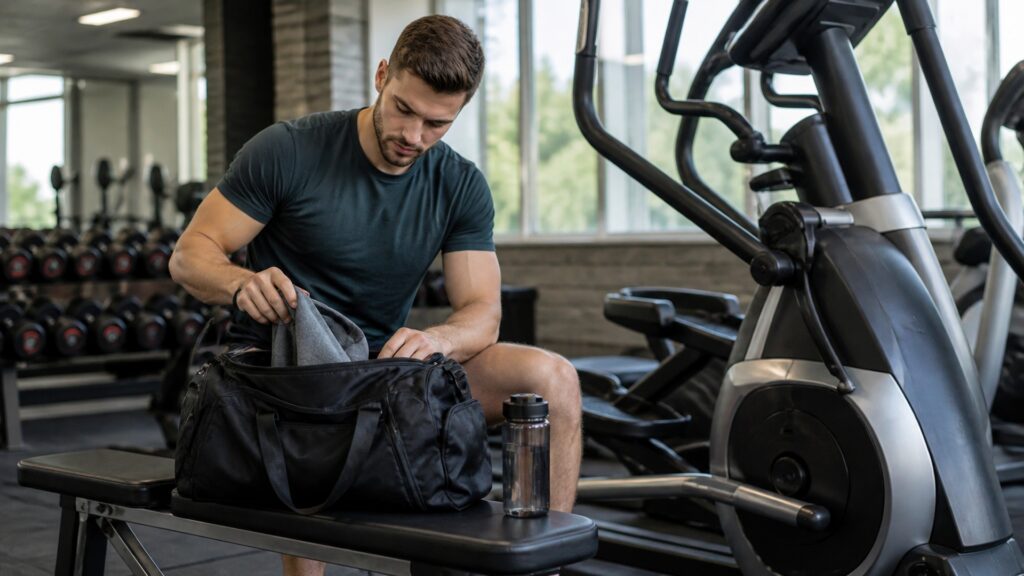
When to Use Gym Bags Instead of Elliptical Machines

Use a gym bag instead of an elliptical machine when the problem is getting workout gear from one place to another. A gym bag helps carry and organize shoes, clothes, towels, bottles, toiletries, locks, and small accessories. It supports the trip to training.

Use an elliptical machine when the problem is getting a low-impact indoor cardio workout. An elliptical is not a storage solution or commute tool. It is a stationary exercise machine that creates the workout itself.

By: Review Streets Research Lab
Updated: September 23, 2026
Explainer · 8-12 min read
gym bags explainer hero image for Review Streets
What You'll Learn

How To Tell Whether You Need Gear Transport Or Indoor Cardio

A practical way to separate workout logistics from cardio equipment before buying.

  • When a gym bag solves the actual problem
  • When an elliptical machine is the relevant tool
  • Why the two categories are not direct substitutes
  • How location, commute, and gear needs change the decision
  • What to check before choosing either product

Tip: Ask what is missing from the next workout: a way to carry gear, or a way to do cardio.

Definitions

Key Concepts Behind The Gym Bag Or Elliptical Choice

These concepts keep the decision tied to the job each product actually performs.

Gear Transport

Gear transport is the need to carry workout items between home, work, gym, studio, or travel locations.

  • Example: packing shoes, a towel, toiletries, and a clean shirt for a gym visit after work
  • Check: count how often training happens away from home
  • Limit: carrying gear does not provide the exercise

Indoor Cardio Access

Indoor cardio access is the ability to do aerobic exercise without going outside or visiting a gym.

  • Example: using an elliptical at home during bad weather
  • Check: decide whether the missing piece is the workout itself
  • Limit: cardio equipment does not organize clothing or accessories

Workout Location

Workout location is where the exercise normally happens and what must travel there.

  • Example: lifting at a gym before commuting to the office
  • Check: map the route from home to training to the next stop
  • Limit: a location pattern can change with schedule or season

Packing Routine

A packing routine is the repeatable way gear is prepared before training.

  • Example: keeping a bag stocked with a lock, bottle, towel, and shower items
  • Check: notice which items are forgotten most often
  • Limit: a bag still has to be unpacked and cleaned

Dedicated Cardio Station

A dedicated cardio station is a fixed machine that is ready for repeated conditioning sessions.

  • Example: an elliptical set up in a spare room
  • Check: measure the machine space and likely weekly use
  • Limit: a fixed machine does not help with gym-day logistics

Purchase Fit

Purchase fit means the item solves the actual barrier instead of a nearby but different problem.

  • Example: buying a gym bag because packing is the issue, not because cardio equipment is expensive
  • Check: name the next workout step the purchase improves
  • Limit: the wrong product can leave the original problem untouched

Tip: The gym bag supports the trip. The elliptical supplies the cardio session.

Gym Bag Fit

Choose A Gym Bag When The Workout Happens Somewhere Else

A gym bag makes sense when the user already has a place to train and needs a better way to get there prepared. It keeps the practical pieces of the routine together.

  • Carry shoes, clothes, towel, bottle, and toiletries.
  • Separate clean items from used gear.
  • Choose a size and carry style that fits the commute.

The bag helps the workout happen at another location.

Elliptical Fit

Choose An Elliptical When Cardio Access Is Missing

An elliptical machine makes sense when the user wants a home cardio option with a low-impact stepping motion. It is the workout equipment, not the support gear around the workout.

  • Use it for indoor conditioning.
  • Check comfort, footprint, noise, and ease of use.
  • Make sure the machine fits the room where it will stay.

The elliptical belongs in the decision when the exercise itself is the missing piece.

Not Substitutes

Do Not Treat Logistics And Cardio As The Same Need

A gym bag and an elliptical machine can both belong to a fitness routine, but they answer different questions. One helps transport gear. The other creates a cardio session.

  • A bag will not replace a machine workout.
  • A machine will not pack shoes or shower items.
  • The right choice depends on the actual friction point.

The categories only compete when the budget forces a priority decision.

Budget And Space

The Commitment Levels Are Very Different

A gym bag is usually a smaller purchase that needs storage and cleaning habits. An elliptical is a larger purchase that needs floor space, delivery planning, and a regular place in the home.

  • Account for room size before buying a machine.
  • Account for wet gear and odors before choosing a bag.
  • Spend more only when the larger item solves the larger problem.

Cost and space should match the role the product will play.

Decision Check

Choose Based On The Next Workout Barrier

The simplest test is to look at the next workout. If the hard part is leaving with the right gear, choose the bag. If the hard part is having cardio equipment available, choose the elliptical.

  • Identify the step that currently fails.
  • Match the product to that step.
  • Avoid buying around the problem instead of solving it.

A clear problem makes the choice straightforward.

Quick Reality Check

Where Each Product Makes Sense

Gym bags and elliptical machines can both be useful, but for different reasons.

Gym Bags Make Sense When

The user trains away from home and needs to carry gear.

Organization, clean separation, and commute comfort are the pain points.

Ellipticals Make Sense When

The user wants low-impact cardio at home.

A permanent exercise machine fits the budget, room, and routine.

Common Myths

Misconceptions About Gym Bags Versus Elliptical Machines

The right choice depends on whether the need is logistics or exercise.

A gym bag is a cheaper version of fitness equipment

A gym bag supports training logistics, but it does not provide a workout.

An elliptical solves gym-day organization

An elliptical can support cardio fitness, but it will not pack clothes, shoes, towels, or toiletries.

People who go to the gym do not need home cardio

Some people use both, but each item should solve a separate need.

The larger purchase is automatically more useful

A smaller product can be more useful when the actual problem is packing and transport.

Tip: Judge the item by the job it performs in the routine.

FAQ

Frequently Asked Questions About Gym Bags And Elliptical Machines

Short answers for choosing between workout logistics and cardio equipment.

When should I use a gym bag instead of buying an elliptical?

Use a gym bag when you already have a place to train and need a better way to carry clothing, shoes, towel, bottle, and accessories.

When is the elliptical the better choice?

Choose the elliptical when you need a stationary indoor cardio workout and have room for the machine.

Can a gym bag improve consistency?

Yes, when missed items or messy packing make gym visits harder than they need to be.

Can an elliptical replace a gym bag?

No. It can provide cardio at home, but it cannot organize gear for workouts away from home.

What is the practical takeaway?

Choose the gym bag for transport and organization. Choose the elliptical for low-impact indoor cardio.

Bottom Line

Use a gym bag when workout logistics are the problem, and use an elliptical machine when indoor cardio access is the problem.

The two products serve different roles, so the better purchase is the one that solves the barrier in the user's actual routine.

Next Steps

Go Deeper or Compare Your Options

Use these Review Streets paths to compare related categories and practical next decisions.

Gym Bags

Explore bags for gym, commute, and travel routines.