Why Gym Bags Workout Role Matters

A gym bag's workout role matters because it decides whether training gear is easy to carry, find, protect, and use before and after a session. The bag is not just storage. It shapes how quickly someone can leave for the gym, move through a locker room, keep clean gear separate, and avoid forgetting the small items that make workouts smoother.

The right gym bag supports the routine instead of fighting it. A poor fit creates clutter, odor, missed accessories, and extra setup time, which can make an otherwise simple workout feel harder to start.

By: Review Streets Research Lab
Updated: September 23, 2026
Explainer · 8-12 min read
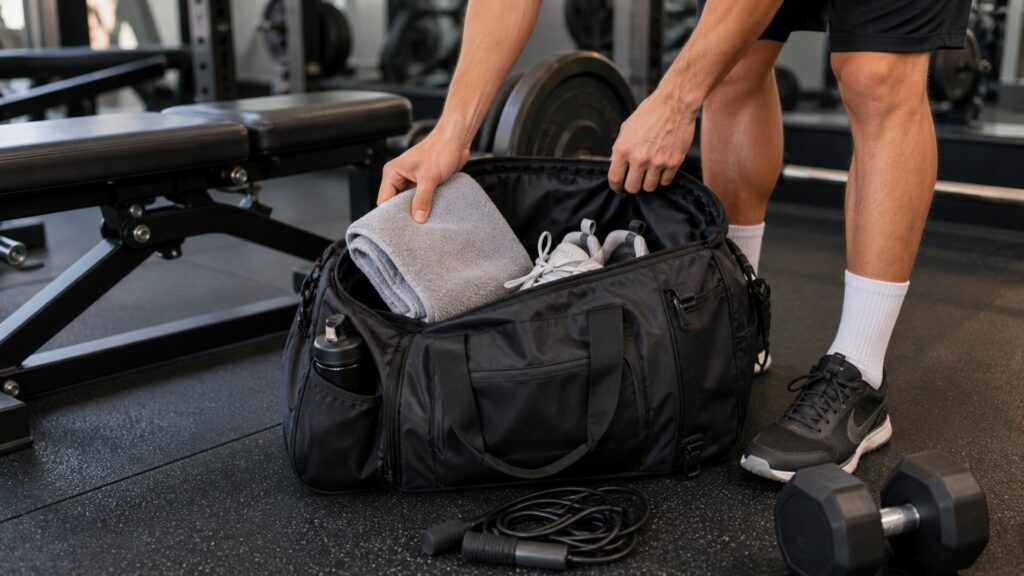
gym bags workout role explainer hero image for Review Streets
What You'll Learn

How Gym Bags Support The Workout Around The Workout

A practical look at how carrying space, compartments, materials, and access affect gym routines.

  • Why storage layout matters before and after training
  • How shoe, towel, bottle, and small-item pockets reduce friction
  • Where ventilation and washable materials help after sweaty sessions
  • Why carry style changes comfort on commutes and errands
  • How to choose a bag around the workout routine instead of the other way around

Tip: Start with what has to travel to every session, then choose the bag that keeps those items easy to reach.

Definitions

Key Concepts Behind Gym Bag Workout Role

These concepts explain how a gym bag can make training preparation cleaner, faster, and more reliable.

Workout Loadout

Workout loadout is the set of items someone regularly carries for training.

  • Example: shoes, towel, lifting straps, water bottle, lock, and clean shirt
  • Check: list the items used in a normal week
  • Limit: extra space can turn into clutter

Compartment Layout

Compartment layout is how the bag separates gear so items are easier to find and keep apart.

  • Example: a side shoe pocket plus a small pocket for keys
  • Check: pack the bag in the order items are used
  • Limit: too many pockets can slow packing

Ventilated Storage

Ventilated storage allows damp or odor-prone items to breathe after a workout.

  • Example: a mesh shoe pocket or wet pocket for a towel
  • Check: look for airflow around shoes and sweaty clothing
  • Limit: ventilation does not replace washing gear

Carry Comfort

Carry comfort is how the bag feels when walking, commuting, or moving through a gym.

  • Example: padded shoulder straps on a crowded commute
  • Check: consider distance, weight, and transport style
  • Limit: comfort matters less for short car trips

Quick Access

Quick access means frequently used items can be reached without unpacking the whole bag.

  • Example: a water bottle pocket or top pocket for earbuds
  • Check: identify items needed before the main workout
  • Limit: external pockets may expose valuables

Clean Separation

Clean separation keeps clean clothes, electronics, food, and dirty gear from mixing.

  • Example: using a separate sleeve for a laptop or clean shirt
  • Check: separate wet, dirty, fragile, and clean items
  • Limit: small bags may require packing cubes

Tip: A useful gym bag keeps routine items organized without making the bag harder to pack.

Preparation

The Bag Helps The Workout Start On Time

Many missed or rushed sessions begin before the workout. A gym bag helps when it keeps the usual gear packed, visible, and ready to grab.

  • Keep recurring items in stable pockets.
  • Use a checklist for items that change by workout.
  • Avoid bags that force everything into one large pile.

Good organization makes the trip to the gym feel less like a search task.

Organization

Compartments Reduce Mid-Routine Friction

The value of compartments is not decoration. They help separate shoes, towels, straps, bottles, snacks, and small valuables so the user can move through the workout without unpacking everything.

  • Put high-use items near the top or outside.
  • Separate dirty gear from clean gear.
  • Choose pocket layout based on real items, not pocket count alone.

The best layout mirrors the order of the routine.

Cleanliness

Wet And Dirty Gear Need Their Own Plan

Gym bags often carry sweat, shoes, towels, and bottles in the same space as clothing or electronics. Materials, liners, and ventilation matter when the bag has to handle damp gear repeatedly.

  • Look for washable or wipeable surfaces.
  • Use a shoe or wet pocket when needed.
  • Empty damp items soon after training.

Odor control starts with separation and habits, not the bag alone.

Transport

Carry Style Should Match The Trip

A bag used for driving to a nearby gym has different needs than one used on a train, bike, or long walk. Duffel, backpack, and hybrid designs each change how weight feels.

  • Backpacks spread weight better for longer walks.
  • Duffels can be easier to pack for larger gear.
  • Hybrid straps help when the commute changes.

The bag should fit the trip as well as the locker room.

Fit Check

The Right Size Carries Enough Without Becoming A Dumping Ground

Bigger is not always better. A gym bag should hold the normal workout loadout with a little margin, but oversized bags often collect unnecessary items.

  • Pack a realistic week before choosing size.
  • Check whether shoes and a towel fit cleanly.
  • Leave space for one seasonal or workout-specific item.

A gym bag works best when it supports the routine without swallowing it.

Quick Reality Check

Where Gym Bags Help And Where They Do Not

A gym bag can remove preparation friction, but it cannot replace good packing habits.

Where They Help

They keep regular workout items together and easier to find.

They separate clean, damp, fragile, and frequently used gear.

Where They Fall Short

They cannot prevent odor if damp gear stays packed for days.

They do not solve training consistency unless the routine itself is realistic.

Common Myths

Misconceptions About Gym Bag Workout Role

The best gym bag is the one that fits the routine, not the one with the most space.

Any bag works for the gym

Any bag can carry gear, but a gym-specific layout makes sweaty, bulky, and frequently used items easier to manage.

More pockets are always better

Pockets help only when they match the items carried. Too many small pockets can make packing slower.

A larger bag is automatically safer

Oversized bags often become cluttered and heavier than needed.

Ventilation solves odor by itself

Ventilation helps, but damp gear still needs to be removed, washed, and dried.

Tip: Choose organization for the routine you actually repeat, not for a perfect packing scenario.

FAQ

Frequently Asked Questions About Gym Bag Workout Role

Short answers about size, compartments, cleanliness, and daily gym use.

What makes a gym bag useful for workouts?

A useful gym bag carries the recurring workout items, separates clean and dirty gear, and makes important items easy to reach.

Should I choose a duffel or backpack gym bag?

Choose a duffel for larger, easy-to-pack loads. Choose a backpack when walking, commuting, or carrying weight comfortably matters more.

How big should a gym bag be?

It should fit shoes, clothing, towel, bottle, and routine accessories without leaving so much extra space that items get lost.

Do I need a separate shoe pocket?

A shoe pocket helps if shoes are dirty, damp, or bulky, but packing cubes or washable bags can work in smaller designs.

What is the practical takeaway?

A gym bag matters when it makes the full training routine easier to prepare, carry, clean, and repeat.

Bottom Line

Gym bags matter because they organize the gear and transitions around a workout.

The strongest choice fits the user's loadout, commute, cleanliness needs, and packing habits without adding unnecessary bulk.

Next Steps

Go Deeper or Compare Your Options

Use these Review Streets paths to compare related categories and practical next decisions.

Gym Bags

Explore gym bag options by routine and carry style.