
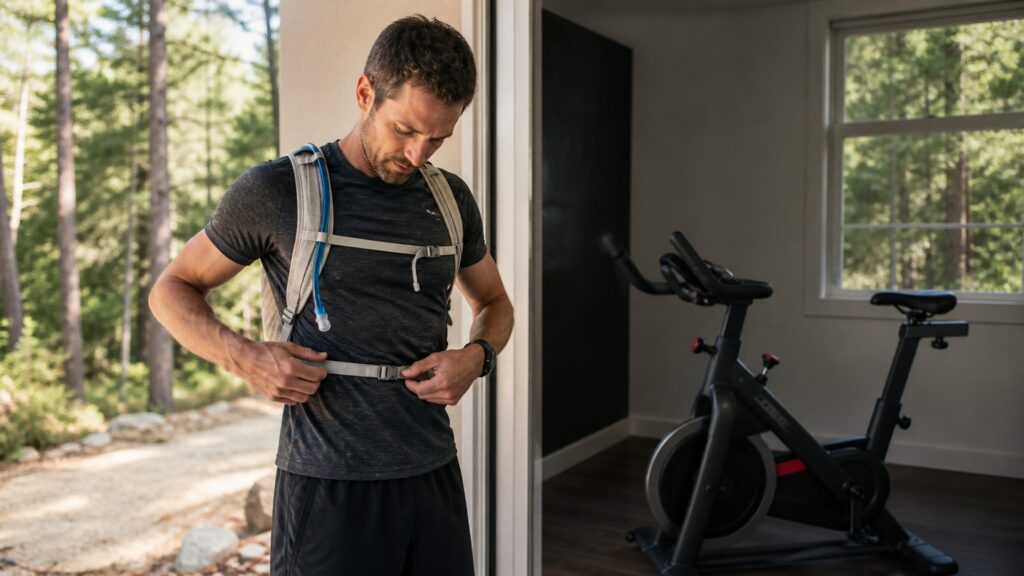
When to Use Hydration Packs Instead of Exercise Bikes

Use hydration packs instead of exercise bikes when the real need is carrying water during movement away from a fixed station. A hydration pack supports running, hiking, cycling outdoors, long walks, and other sessions where stopping for a bottle is inconvenient.

Choose an exercise bike when the need is indoor cardio training. These products are not direct substitutes: the hydration pack supports an activity, while the bike supplies the activity.

By: Review Streets Research Lab
Updated: September 28, 2026
Explainer · 8-12 min read
hydration packs explainer hero image for Review Streets
What You'll Learn

When Portable Hydration Matters More Than A Cardio Machine

A practical decision path for mobile training needs versus indoor cycling workouts.

  • When water access is the main problem
  • Why exercise bikes solve a different training need
  • How outdoor duration, heat, and refill access affect the choice
  • When a bottle is enough instead of a pack
  • When both tools can belong in one routine

Tip: Judge the gear by the problem it solves during the workout, not by the size of the feature list.

Definitions

Key Concepts Behind When to Use Hydration Packs Instead of Exercise Bikes

These concepts keep the decision tied to real training conditions, comfort, and setup.

Portable Hydration

Portable hydration means carrying fluid so it stays reachable while the user moves.

  • Example: wearing a hydration pack on a long trail session
  • Check: confirm the workout happens away from easy water access
  • Limit: it does not create cardio training

Indoor Cycling

Indoor cycling is cardio training on a stationary exercise bike.

  • Example: riding a spin bike for intervals
  • Check: decide whether a fixed cardio station is the goal
  • Limit: it does not solve outdoor water carrying

Refill Access

Refill access is how easily the user can get more water during the session.

  • Example: a trail route with no fountains
  • Check: map water points before choosing capacity
  • Limit: extra capacity adds weight

Hands-Free Drinking

Hands-free drinking keeps water reachable through a hose and bite valve.

  • Example: sipping without removing a pack
  • Check: test valve position and hose routing
  • Limit: the system requires cleaning

Stationary Setup

A stationary setup keeps the workout in one place.

  • Example: an exercise bike with a bottle cage nearby
  • Check: see whether a simple bottle solves hydration
  • Limit: it does not travel with outdoor sessions

Use Case Fit

Use case fit is whether the gear solves the specific barrier in the routine.

  • Example: choosing a pack for long hikes and a bike for winter cardio
  • Check: separate support gear from training equipment
  • Limit: one purchase may not solve both needs

Tip: The right hydration setup is the one that stays comfortable, accessible, and clean enough to use repeatedly.

Main Need

Choose The Pack When Water Has To Move With You

A hydration pack makes sense when the user is already doing an activity and needs fluid close by. It is especially useful when pockets, handheld bottles, or frequent stops do not work well.

  • Use it for longer outdoor sessions.
  • Check capacity against heat and duration.
  • Make sure fit stays stable while loaded.

The pack solves access, not exercise programming.

Bike Need

Choose The Bike When You Need The Workout Station

An exercise bike is the better choice when the goal is controlled indoor cardio. It provides the pedaling platform, resistance, and repeatable session structure.

  • Use it for indoor intervals or steady cardio.
  • Check seat comfort and resistance range.
  • Plan for space, noise, and routine consistency.

The bike creates the training session.

Simple Alternative

Use A Bottle When The Session Is Stationary

A hydration pack is often unnecessary for an exercise bike because the user is not moving away from the water source. A bottle within reach may solve the hydration need with less cleaning.

  • Keep a bottle near the bike.
  • Use electrolyte mix if the session requires it.
  • Save the pack for mobile workouts.

The simplest hydration setup often wins indoors.

Outdoor Sessions

Use The Pack When Stops Break The Flow

Long runs, hikes, outdoor rides, and remote training can make water access harder. A pack keeps fluid and fuel available without relying on route stops.

  • Consider route length and weather.
  • Carry fuel if the session is long.
  • Avoid overpacking for short outings.

The pack is strongest when the environment makes water access uncertain.

Combined Routine

Use Both When Your Routine Has Both Needs

Some users need an exercise bike for indoor cardio and a hydration pack for outdoor endurance sessions. The decision does not have to be permanent or exclusive.

  • Buy first for the biggest current barrier.
  • Use the bike for indoor consistency.
  • Use the pack for mobile hydration.

Different training contexts can justify different tools.

Quick Reality Check

Where Hydration Packs Beat Bikes And Where Bikes Win

This is a context decision, not a same-category equipment comparison.

Hydration Packs Win When

The user is moving away from easy water access.

Hands-free drinking and small-item carry matter.

Exercise Bikes Win When

The user needs an indoor cardio machine.

Controlled resistance and a stationary routine matter.

Common Myths

Misconceptions About Hydration Packs Instead Of Exercise Bikes

The phrase can sound like a direct swap, but the products do different jobs.

A hydration pack can replace cardio equipment

It can support cardio sessions, but it does not create resistance or pedaling work.

An exercise bike solves hydration needs

A bike may hold a bottle, but it does not help during outdoor movement.

A pack is always better for cyclists

For stationary cycling, a bottle is usually simpler.

The choice is either-or forever

Many people use a bike indoors and a pack outdoors.

Tip: A hydration pack is useful only when it makes drinking easier without creating new friction.

FAQ

Frequently Asked Questions About Hydration Packs And Exercise Bikes

Short answers for practical training and gear decisions.

When should I choose a hydration pack?

Choose a hydration pack when you need water and small essentials to move with you.

When should I choose an exercise bike?

Choose an exercise bike when you want indoor cardio training with controlled resistance.

Do I need a hydration pack for indoor cycling?

Usually no. A bottle near the bike is often easier.

Can a hydration pack help outdoor cycling?

Yes, especially on longer rides or routes where bottles are not enough.

What is the practical takeaway?

Use the pack for mobile hydration and the bike for stationary cardio training.

Bottom Line

Use hydration packs instead of exercise bikes only when the missing need is portable hydration, not a cardio machine.

For indoor cardio, choose the bike. For mobile sessions where water must travel with you, choose the pack.

Next Steps

Go Deeper or Compare Your Options

Use these Review Streets paths to compare related categories and practical next decisions.