When to Use Sedans Instead of Coupe Cars

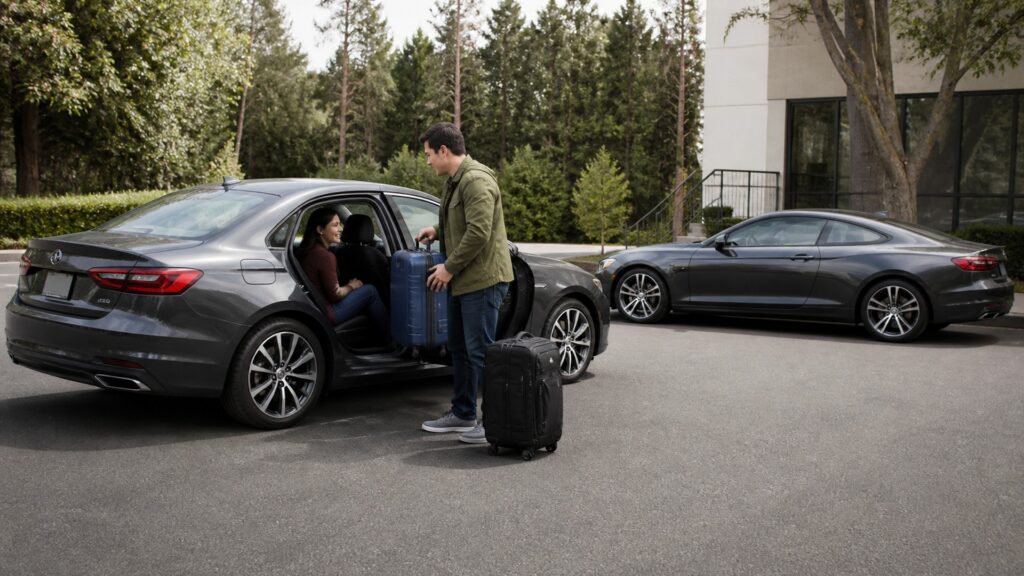
Use a sedan instead of a conventional two-door coupe when regular rear-seat access, passenger accommodation, and mixed everyday errands matter more than the coupe's particular styling or driving appeal. Separate rear doors can make frequent boarding and child-seat access easier, while a suitable sedan can carry the normal passengers and their luggage without repeatedly moving a front seat.

Compare the actual cars. Sedan and coupe names are not perfectly consistent, and some models marketed as four-door coupes already provide separate rear access. Door count also does not guarantee headroom, cargo capacity, comfort, safety, or cost. Choose the sedan when its specific layout solves the owner's recurring needs better.

By: Review Streets Research Lab
Updated: October 5, 2026
Explainer · 8-12 min read
sedans explainer hero image for Review Streets
What You'll Learn

When Sedan Access Is Worth Choosing

Test the routine with the people, restraints, bags, and parking spaces actually involved.

  • Prioritize frequent rear-passenger entry and exit
  • Check seating with front seats adjusted normally
  • Try required child restraints using both manuals
  • Load the usual luggage rather than relying on volume alone
  • Compare actual driving comfort and ownership costs

Tip: A rear seat is useful only if the people who need it can reach it and sit appropriately for the intended trip.

Definitions

Six Checks Behind the Sedan-versus-Coupe Choice

These concepts connect body layout with ordinary use.

Rear-Seat Access

The route passengers use to enter and leave the rear seating area.

  • Example: A rear door allows boarding without folding a front seat forward.
  • Check: Try the normal passenger's entry and exit.
  • Limit: A door does not guarantee an easy opening for every person.

Occupied Cabin Fit

Usable passenger space with the seats positioned for their actual occupants.

  • Example: An adult sits behind the driver's normal seat position.
  • Check: Check headroom, legroom, foot space, and posture.
  • Limit: An empty rear seat can look more spacious than it feels in use.

Restraint Access

The ability to install and use the required occupant restraints correctly.

  • Example: A caregiver can reach a child seat's approved attachment locations.
  • Check: Follow the vehicle and restraint instructions.
  • Limit: Convenient access does not establish a correct installation by itself.

Door Clearance

Space required beside the car to use a door and enter comfortably.

  • Example: A particular coupe's long front door needs room in a narrow parking bay.
  • Check: Test the actual car in representative parking conditions.
  • Limit: Two-door cars are not automatically easier in tight spaces.

Luggage Fit

Compatibility between the actual bags and the cargo opening and compartment.

  • Example: A stroller passes through the trunk opening with the seats needed for passengers still upright.
  • Check: Test real items or relevant dimensions.
  • Limit: A large volume figure cannot guarantee a bulky object fits.

Routine Priority

The needs that recur often enough to determine the best layout.

  • Example: Daily rear passengers make access more important than an occasional solo drive.
  • Check: List recurring trips and important exceptions.
  • Limit: Another owner's priorities may produce a different choice.

Tip: Use the same passengers and luggage for both cars so the comparison reflects a real trip rather than an empty showroom cabin.

Frequent Passengers

Choose Direct Rear Access When It Saves Repeated Effort

A conventional sedan's separate rear doors can be valuable for regular passengers, repeated stops, and helping someone board. A two-door coupe often requires a front seat to move before rear access is available. Try the sequence with the actual people involved. Roof openings, sill height, seat shape, and available space can make a particular sedan or coupe easier than expected.

  • Test entry and exit for regular passengers.
  • Use the driver's normal seating position.
  • Consider boarding at frequent destinations.

A small inconvenience repeated at every school, work, or social trip can matter more than a feature used only occasionally.

Children and Assistance

Check the Actual Restraint and Caregiving Tasks

Separate rear doors may make it easier to reach a child restraint or help a passenger, but correct installation still depends on the vehicle and restraint instructions. Try the required arrangement, including front-seat clearance and access to belts or attachments. Do not infer suitability merely from the number of doors or assume every sedan's rear seat works the same way.

  • Check approved seating positions and installation instructions.
  • Test access without compromising another occupant's space.
  • Keep the normal passenger arrangement in the comparison.

The useful advantage is a layout that supports the required task correctly and comfortably, not simply an extra pair of door handles.

Cabin and Luggage

Keep Passenger Seats Available While Packing

Assess the people and bags together. A car that fits luggage only with a needed rear seat folded does not meet that trip's requirements. Sedans can provide a practical passenger-and-trunk arrangement, but individual coupes may also have useful trunks or folding seats. Measure the opening and usable space instead of assuming the body label decides cargo ability.

  • Try the normal luggage with required seats upright.
  • Check the trunk opening and internal shape.
  • Review any folding-seat provisions and load instructions.

For a trip with several occupants, the most useful cargo figure is the space available while all of those occupants remain properly seated.

Parking and Comfort

Test the Everyday Maneuvers, Not Just the Drive

Compare door-opening room, visibility, seating height, and the effort of getting in and out where the car will normally park. Some coupes have long doors; some sedans are larger overall. Neither layout wins automatically. A test drive should also include the road surfaces and trip lengths that matter, because ride comfort depends on suspension, tires, seats, and configuration.

  • Check entry beside another parked vehicle.
  • Try normal seating adjustments and visibility.
  • Compare the actual wheel and suspension configurations.

A sedan can be the better everyday choice when its complete access and comfort arrangement works more naturally for the owner.

Personal Preference

Keep the Coupe When Its Tradeoffs Fit the Owner

If rear passengers are rare and the coupe's actual layout suits the owner, its styling or driving character may be a valid reason to choose it. Sedans also span a wide range of performance and comfort, so avoid assigning those qualities by door count. Compare purchase terms, insurance, tires, service, and energy use for the particular cars before deciding one is the economical choice.

  • Separate preferred appearance from required usability.
  • Compare like-for-like equipment and powertrains where possible.
  • Use actual ownership quotes and expected mileage.

Choose the sedan when the practical gains are recurring and worthwhile; choose the coupe when its real compromises are acceptable for the intended use.

Quick Reality Check

When Each Layout Fits

The decision depends on actual access, space, and priorities.

A Sedan Is Favored When

Rear passengers or caregiving tasks are frequent and separate rear doors improve access.

The cabin and trunk accommodate the normal group and luggage together.

A Coupe Remains Sensible When

Its passenger access and cargo arrangement meet the owner's actual needs.

Its particular styling or driving appeal is worth the accepted compromises.

Common Myths

Misconceptions About Sedans and Coupes

Body-style names do not establish every practical quality.

Every coupe has only two doors.

Manufacturers also use coupe-related names for some four-door designs; inspect the actual layout.

Every sedan has a roomy rear seat.

Headroom, legroom, access, and seating shape vary by model.

A coupe is always more enjoyable to drive.

Driving character depends on the actual chassis, powertrain, tires, and preferences.

Four doors guarantee a suitable child-seat installation.

The required restraint and seating position must be checked against both manuals.

Tip: Choose the arrangement that serves the actual people and trips, rather than treating the name as a complete description.

FAQ

Questions About Choosing a Sedan Over a Coupe

Practical answers for passenger access and everyday use.

What is the strongest reason to choose a sedan?

Frequent need for direct rear-seat access and a passenger-and-luggage layout that fits the routine.

Can a coupe work for regular passengers?

It can if its actual seating and access suit them; test the car rather than assuming.

Should door count decide the purchase?

No. It affects access, but usable space, comfort, cargo fit, costs, and preferences also matter.

How do I compare child-seat practicality?

Try the correct restraint installation and access using the vehicle and restraint instructions.

What if a car is called a four-door coupe?

Compare its actual door, roof, seating, and cargo arrangement; the marketing name does not settle the choice.

Bottom Line

Use a sedan when its rear-door access and actual cabin-and-luggage layout make repeated passenger duties easier.

Compare real cars and keep the coupe in consideration when its access, space, and ownership tradeoffs fit the owner's priorities.

Next Steps

Go Deeper or Compare Your Options

Use these Review Streets paths to compare related categories and practical next decisions.

Technical references: BMW coupe body layouts; BMW sedan and Gran Coupe range; NHTSA child-restraint guidance. Use the manual and ratings for your own model year and configuration.