
When to Use Swim Training Gear Instead of Elliptical Machines

Use swim training gear instead of an elliptical machine when the workout goal is to improve swimming in the water. Swim tools can focus kick rhythm, pull feel, body position, breathing, and resistance inside a pool session.

An elliptical machine makes more sense when the goal is dry-land cardio without pool access. Swim training gear is for water-specific practice; the elliptical is for low-impact conditioning on land.

By: Review Streets Research Lab
Updated: October 2, 2026
Explainer · 8-12 min read
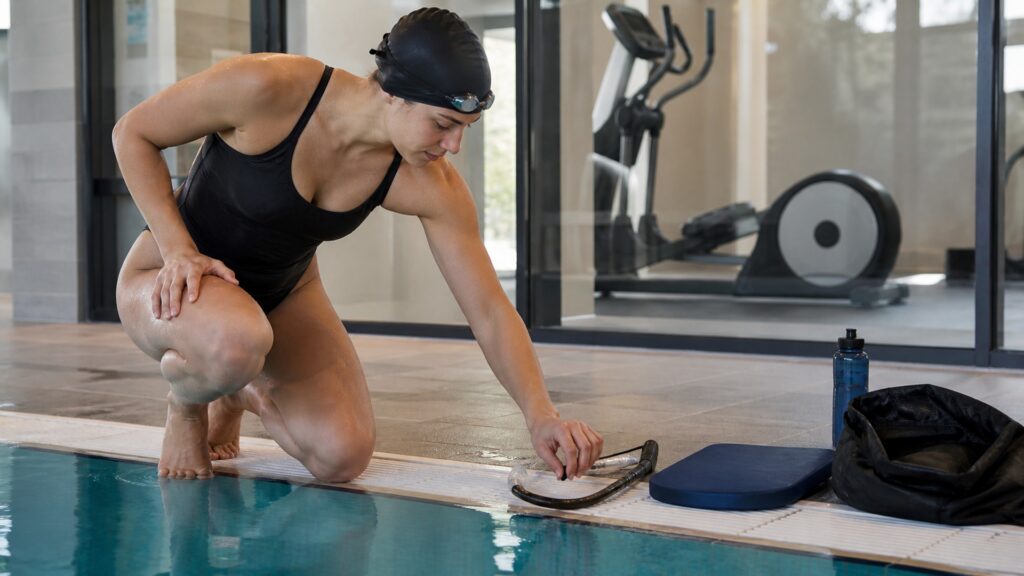
swim training gear explainer hero image for Review Streets
What You'll Learn

When Pool Practice Needs Swim Gear

A practical decision path for choosing swim tools over land-based cardio equipment.

  • Why water-specific skills need water-specific tools
  • How elliptical machines serve a different cardio role
  • When swim gear improves drills
  • When the elliptical is still useful
  • How to choose by session goal and setting

Tip: Start with the swimming situation, then choose the gear detail that solves that specific problem.

Definitions

Key Concepts Behind When to Use Swim Training Gear Instead of Elliptical Machines

These concepts keep the decision tied to fit, water conditions, training purpose, and realistic limits.

Water-Specific Goal

A water-specific goal depends on movement, balance, breathing, or resistance in the pool.

  • Example: working on catch pressure with paddles
  • Check: confirm that the goal happens in water
  • Limit: land machines cannot provide water feel

Land Cardio Goal

A land cardio goal is aerobic conditioning outside the pool.

  • Example: steady work on an elliptical
  • Check: set effort and duration clearly
  • Limit: it does not directly teach swim technique

Drill Feedback

Drill feedback is what the swimmer learns from using a tool during a focused set.

  • Example: feeling better body line with a snorkel
  • Check: test the skill without the tool
  • Limit: feedback needs carryover

Pool Access

Pool access is whether the swimmer can use a lane or water space for the planned work.

  • Example: choosing the elliptical when the pool is closed
  • Check: check schedule and lane conditions
  • Limit: gear is not useful without water

Impact Level

Impact level is the stress from repeated landing or movement forces.

  • Example: elliptical training with no running impact
  • Check: match impact needs to the body and plan
  • Limit: low impact is different from swim-specific

Training Transfer

Training transfer is how well one workout supports the main goal.

  • Example: cardio fitness helping endurance but not replacing stroke drills
  • Check: separate conditioning from technique
  • Limit: transfer is partial

Tip: The useful feature is the one that makes the swim clearer, safer, or easier to repeat.

Swim Skill

Choose Swim Gear For Pool Technique

When the goal is to improve body position, kick, pull, breathing, or water feel, the work needs to happen in the pool. Swim training gear can make that practice more specific.

  • Use tools for one skill at a time.
  • Keep drill purpose clear.
  • Check carryover in regular swimming.

Pool problems need pool feedback.

Cardio

Choose The Elliptical For Land Conditioning

An elliptical can provide low-impact cardio when swimming is not available or not the focus. It is useful, but it does not replace water mechanics.

  • Use it for endurance work.
  • Control resistance and pace.
  • Treat it as support, not stroke practice.

The elliptical is the better choice when the goal is dry-land aerobic work.

Access

Let The Available Setting Guide The Choice

If the swimmer has pool access and a swim-specific goal, gear makes sense. If there is no pool available, the elliptical may be the practical option.

  • Check lane availability.
  • Match the tool to the location.
  • Avoid buying swim gear for a non-swim problem.

The setting often answers the question first.

Carryover

Swim Gear Should Improve The Unguided Stroke

A drill tool is working when the swimmer can repeat the intended movement after the tool comes off. That carryover is something an elliptical cannot directly test.

  • Do a short regular swim after drill work.
  • Look for the same rhythm or position.
  • Change tools if carryover disappears.

The pool test is what proves the swim tool helped.

Weekly Plan

Both Tools Can Fit Different Days

A swimmer may use training gear during pool sessions and an elliptical during dry-land conditioning days. The tools conflict only when they are treated as substitutes.

  • Use swim gear for practice days.
  • Use elliptical work for cardio support.
  • Protect recovery between hard sessions.

The best plan gives each tool a clear lane.

Quick Reality Check

Where Swim Gear Wins And Where Ellipticals Win

The choice depends on water skill versus land cardio.

Swim Gear Wins When

The goal is kick, pull, breathing, body position, or resistance in the pool.

The swimmer needs drill feedback and carryover.

Ellipticals Win When

The goal is controlled low-impact cardio on land.

Pool access is limited or swimming is not the session focus.

Common Myths

Misconceptions About Swim Gear And Ellipticals

A good cardio machine is not the same as swim practice.

Elliptical fitness replaces pool drills

It can support endurance, but it does not teach water feel.

Swim gear is only for competitive swimmers

Simple gear can help beginners when used safely and clearly.

The harder option is better

The better option is the one that matches the session goal.

Using both is redundant

They can support different parts of the week.

Tip: Strong claims still need to match the swimmer, pool, and session.

FAQ

Frequently Asked Questions About Swim Gear And Ellipticals

Short answers for practical swimming decisions.

When should I use swim training gear?

Use it when the session is in the pool and the goal is swim-specific skill or drill feedback.

When should I use an elliptical?

Use it for dry-land cardio, low-impact endurance, or days without pool access.

Can an elliptical help swimmers?

Yes, for general conditioning, but it does not replace stroke work in water.

Can swim gear improve fitness?

It can make swim sessions more focused and demanding, but the main value is water-specific practice.

What is the practical takeaway?

Use swim training gear for pool practice and the elliptical for land conditioning.

Bottom Line

Use swim training gear instead of an elliptical machine when the training problem is water-specific technique, body position, breathing, resistance, or drill feedback.

Use the elliptical when the session needs low-impact cardio away from the pool.

Next Steps

Go Deeper or Compare Your Options

Use these Review Streets paths to compare related categories and practical next decisions.