Why Compact Pickup Trucks Fitment Matters

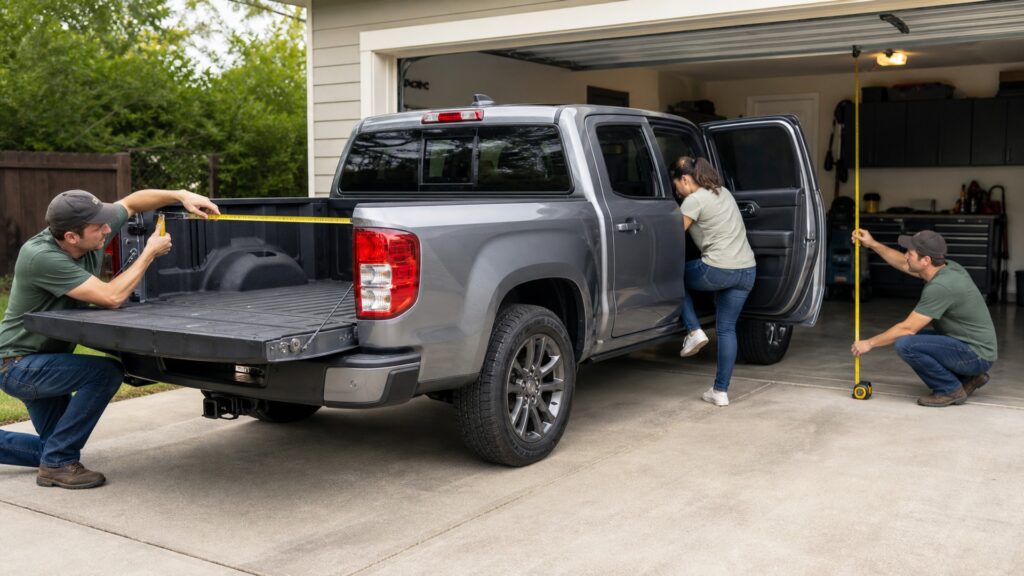
Compact pickup fitment matters because a useful accessory has to fit the exact truck, share space with existing equipment, and support the intended load. A cover, rack, toolbox, or hitch can look appropriate yet block access, conflict with another part, or require mounting provisions the vehicle does not have.

A compact bed makes careful use of space especially valuable, but compatibility is more than a dimension check. Confirm the model year, body and bed configuration, factory equipment, and the accessory maker's approved installation. Then check weight, movement, electrical functions, and the way the complete setup will be loaded and used.

By: Review Streets Research Lab
Updated: October 5, 2026
Explainer · 8-12 min read
compact pickup trucks explainer hero image for Review Streets
What You'll Learn

Check the Whole Accessory Setup

Decide whether the equipment works on the actual truck and in the everyday routine.

  • Match parts to the exact model and configuration
  • Check covers, racks, and storage together
  • Preserve cargo access and moving clearances
  • Include equipment weight and attachment limits
  • Verify electrical connections and required setup

Tip: Before ordering, compare installation instructions for every part that shares the same mounting space.

Definitions

Six Parts of Compact Pickup Compatibility

Each check catches a different reason a part may be unsuitable.

Vehicle Match

Support for the precise truck configuration listed by the part maker.

  • Example: A cover is approved for the actual model year and bed design.
  • Check: Read fitment exclusions as well as the headline listing.
  • Limit: Compact pickup is not a standardized mounting specification.

Shared Mounting Space

The attachment area used by more than one accessory.

  • Example: A rack clamp occupies space needed by a cover rail.
  • Check: Confirm the products are approved to work together.
  • Limit: Two parts that fit separately may conflict when combined.

Usable Clearance

Room for parts to move and for required access to remain open.

  • Example: A toolbox permits the cover to fold and the tailgate to operate.
  • Check: Check the intended range of movement.
  • Limit: A parked, unloaded fit does not prove every working clearance.

Installed Load

Weight added by the equipment itself and anything it carries.

  • Example: A rack consumes carrying allowance before bicycles are added.
  • Check: Count the complete setup against all applicable limits.
  • Limit: An accessory rating does not increase the truck's rating.

Supported Attachment

A mounting arrangement approved to transfer the intended forces.

  • Example: A hitch uses the specified vehicle mounting locations and hardware.
  • Check: Follow the installation instructions exactly.
  • Limit: An improvised bracket is not equivalent to a supported connection.

Functional Integration

Continued operation of the truck's lights, cameras, wiring, storage, and controls.

  • Example: A mounted item leaves a bed outlet and camera usable.
  • Check: Perform required setup and functional checks.
  • Limit: Bolting on securely does not establish complete compatibility.

Tip: Keep part numbers and instructions with the vehicle so future additions can be checked against the equipment already installed.

Exact Identification

Start With the Truck You Have, Not a Similar One

Model year, bed shape, factory rails, liners, powertrain, and other equipment can change an installation. Use the exact compatibility listing and inspect its exclusions. Do not assume a part for another compact truck or a related body style will fit. When the listing is unclear, obtain a documented answer before modifying the vehicle or the accessory.

  • Record relevant factory options and existing accessories.
  • Check the exact part number and supported years.
  • Read installation requirements before purchase.

A familiar model name on the package may still cover only certain versions or require additional hardware.

Accessory Combinations

Treat Bed Equipment as One Arrangement

Covers, racks, toolboxes, liners, and cargo dividers can compete for rail space, clamp positions, and opening travel. The combination must be supported, not merely each item by itself. A compact bed also makes the remaining cargo dimensions important. Confirm that the resulting space still accommodates the equipment the owner intends to carry.

  • Compare mounting drawings and compatibility exclusions.
  • Check cover travel and access to cargo restraints.
  • Measure remaining usable bed space.

A rack may attach correctly but be a poor choice if the cover can no longer open or the normal load cannot be secured.

Movement and Access

Check What Happens During Use

Tailgates, folding covers, doors, wheels, and suspension components need space to move as intended. Follow the prescribed clearance checks rather than judging only a stationary view. Include spare-tire access, lights, camera views, and service points. Equipment near moving parts or unfamiliar structure may require a qualified installer to establish the correct arrangement.

  • Use documented clearance procedures.
  • Test ordinary loading and access after installation.
  • Keep required visibility and lighting unobstructed.

An accessory should remain useful when the owner opens, loads, drives, unloads, and services the truck.

Ratings and Weight

Include the Hardware Before Adding Cargo

The truck, attachment points, and accessories can have separate limits. Added equipment uses part of the vehicle's carrying allowance even when empty. A rack's load claim may apply only to specified mounting or stationary use, so read the conditions. Wheel and tire changes likewise need suitable ratings and clearance, not just matching dimensions at one attachment point.

  • Count installed weight with occupants and other cargo.
  • Use ratings for the actual intended use.
  • Keep vehicle, axle, tire, hitch, and accessory limits intact.

A stronger accessory can support its own intended load without making an overloaded truck acceptable.

Installation and Follow-Up

Finish With the Required Checks

Use specified hardware, wiring connections, and installation procedures. Confirm any required calibration or configuration and inspect the completed routing and attachments. Follow instructions for later fastener checks or maintenance. A professional installation should still leave the owner with the part information, operating limits, and care requirements needed to use the equipment correctly.

  • Avoid unsupported drilling or electrical improvisation.
  • Check the assembled setup's normal functions.
  • Retain instructions for future inspection and changes.

The final test is a supported, complete installation that improves the truck's usefulness without obstructing another necessary function.

Quick Reality Check

A Part That Attaches Versus a Setup That Works

Fitment includes the vehicle and the complete combination.

A Suitable Installation

Exact-model compatibility, approved attachments, and adequate clearance are documented.

The loaded setup respects limits and leaves normal functions and access usable.

A Reason to Stop and Recheck

Parts share mounting space without confirmed compatibility or require improvised alterations.

Cargo access, movement, lighting, or load limits fail after the equipment is fitted.

Common Myths

Misconceptions About Compact Pickup Fitment

Similar size is not a substitute for compatibility.

All compact beds accept the same equipment.

Shapes, dimensions, mounting points, and factory features vary.

If two parts fit separately, they work together.

They may conflict at attachment points or during operation.

A rated rack increases payload.

Its own rating does not change the truck's approved carrying allowance.

Installation is complete when the bolts are tight.

Clearances, functions, specified setup, and follow-up checks also matter.

Tip: Resolve conflicts before installation rather than treating modification as the default answer.

FAQ

Questions Before Adding Compact Pickup Equipment

Practical answers for choosing and combining accessories.

What details should I give the supplier?

The exact model year and configuration, relevant factory equipment, and accessories already installed.

Can a universal part work?

Yes, when its dimensions, mounting method, ratings, and instructions support the actual truck and use.

Why count accessory weight?

It reduces capacity available for people, cargo, and applicable hitch load.

Should I check a cover and rack together?

Yes. Shared rail space and cover movement can make otherwise compatible parts conflict.

When is professional help useful?

When installation requires unfamiliar structural, electrical, calibration, or clearance work.

Bottom Line

Compact pickup fitment is a check of the exact vehicle, accessory combination, load, and working access.

Choose documented compatibility and verify the complete installation before relying on new equipment.

Next Steps

Go Deeper or Compare Your Options

Use these Review Streets paths to compare related categories and practical next decisions.

Technical references: Ford Maverick owner manual; Ford Maverick rack compatibility example; NHTSA tire specifications and care. Use the manual and ratings for your own model year and configuration.