Why Compact Pickup Trucks Operating Function Matters

A compact pickup's operating function is its ability to move between everyday passenger travel and useful cargo work without making either role unnecessarily difficult. That means more than having an open bed. The cab, cargo access, load allowance, controls, parking footprint, and preparation steps must suit the actual tasks an owner repeats.

A compact can be an effective mixed-use vehicle when normal people and equipment fit comfortably within its limits. Problems appear when permanent accessories consume too much space or capacity, when a load cannot be secured, or when the truck needs a major rearrangement before every errand. Judge the complete routine from loading to unloading and return to ordinary use.

By: Review Streets Research Lab
Updated: October 5, 2026
Explainer · 8-12 min read
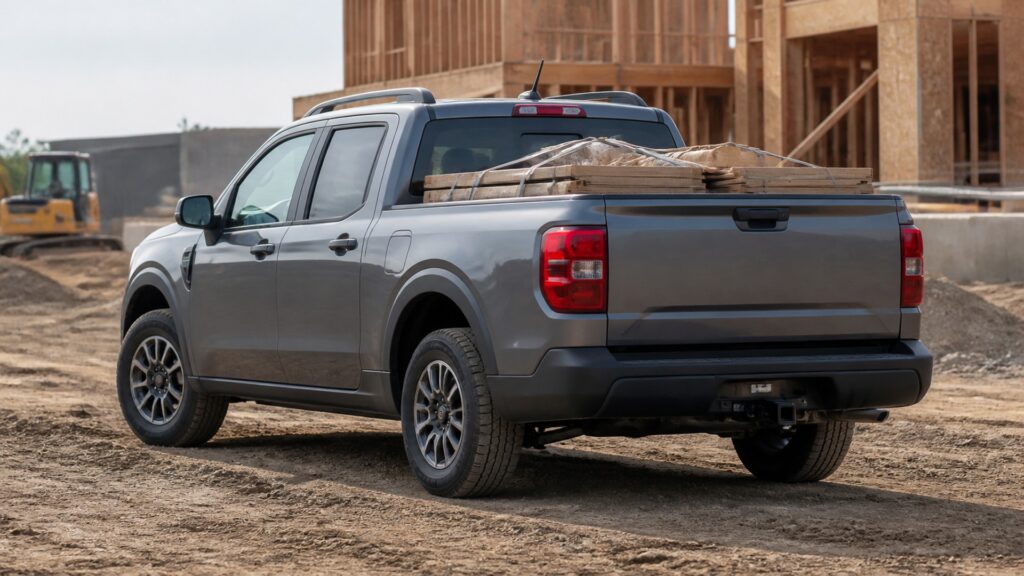
compact pickup trucks explainer hero image for Review Streets
What You'll Learn

Make a Compact Pickup Work Through the Week

Connect passenger needs, cargo handling, and driving into a practical sequence.

  • Plan the normal mix of people and equipment
  • Use bed space and storage for the items actually carried
  • Track capacity used by accessories and hitch load
  • Choose controls for the fitted system and conditions
  • Include loading, parking, cleaning, and readiness for the next trip

Tip: Test an ordinary day with the usual occupants and gear before judging the truck by an empty-bed demonstration.

Definitions

Six Concepts Behind Compact Pickup Usefulness

These concepts describe how the truck performs real tasks.

Task Mix

The recurring combination of passenger travel, errands, cargo, and towing.

  • Example: The same truck commutes during the week and carries garden supplies on weekends.
  • Check: List the jobs and how often they occur.
  • Limit: One occasional task should not hide an everyday limitation.

Usable Bed Space

Cargo room remaining after shape, access, and installed equipment are considered.

  • Example: A toolbox reduces the length available for other gear.
  • Check: Measure the space needed by the actual items.
  • Limit: An advertised bed length is not a complete loading plan.

Cargo Access

The process of placing, securing, reaching, and removing equipment.

  • Example: Frequently used tools can be reached without unloading unrelated items.
  • Check: Try the loading sequence and tie-down access.
  • Limit: A load that fits can still be awkward to handle.

Remaining Allowance

Capacity left after the usual people and installed equipment are included.

  • Example: A rack and passengers reduce the allowance for materials and trailer hitch load.
  • Check: Use the actual truck's loading information.
  • Limit: Unused space does not prove unused carrying capacity.

Control Selection

Choosing the appropriate settings for the fitted powertrain and driving conditions.

  • Example: A supported towing mode is used according to the manual.
  • Check: Learn the actual system and restrictions.
  • Limit: A mode does not change approved weight limits.

Turnaround Readiness

The steps that prepare the vehicle for its next role.

  • Example: After unloading materials, the owner cleans the bed and restores routine storage.
  • Check: Include replenishment, checks, and equipment storage.
  • Limit: Finishing a drive does not necessarily leave the truck ready for the next task.

Tip: An accessory should improve the whole routine after its weight, space, and access requirements are included.

Passengers and Everyday Gear

Protect the Ordinary Use Before Adding Equipment

Begin with the people who travel most often, their seating positions, and the items that need secure weather-protected storage. Check rear-seat access and usable room with front seats positioned normally. A compact may meet those needs well, but installed cargo equipment should not force loose tools into passenger space or make restraints difficult to use.

  • Try the usual occupants and required restraints.
  • Assign secure storage for everyday items.
  • Keep controls and passenger access clear.

A setup that handles weekend cargo but compromises the daily school or work trip needs reconsideration.

Bed Use

Plan the Loading Sequence, Not Just the Final Arrangement

Measure the required cargo and think through how it enters and leaves the bed. Covers, racks, dividers, and toolboxes can help organization while occupying space or sharing mounting points. Keep attachment points accessible and use appropriate restraint. Frequently handled items should be reachable without repeatedly dismantling the arrangement or moving unrelated heavy objects.

  • Check dimensions around wheel housings and accessories.
  • Try opening the cover and tailgate with equipment fitted.
  • Plan where restraints attach and how they release.

A workable cargo setup is one the owner can load and secure consistently, not merely one that looks tidy when empty.

Load Management

Keep the Normal Setup Inside the Ratings

Add the regular occupants, accessories, and cargo before assessing what remains for a new load or trailer. A compact's useful allowance can be consumed by items that stay in place all week. Check vehicle, axle, tire, and applicable hitch or trailer limits. Where the load is uncertain, establish reliable weights instead of judging by how level the truck appears.

  • Count permanently carried tools and equipment.
  • Recheck when adding passengers or a trailer.
  • Use approved attachment and towing arrangements.

Moving an item from the cabin to the bed changes its position and access, but it remains part of the vehicle's load.

Driving and Parking

Use the Actual Controls and Available Space

Compact trucks can have different powertrains and driven-wheel layouts. Learn the fitted controls rather than assuming every pickup uses the same four-wheel-drive system or towing settings. Check regular parking approaches, mirror clearance, and space to unload. The value of a smaller footprint is greatest when the actual vehicle can reach and use the places the routine requires.

  • Read restrictions for drive modes and traction features.
  • Allow loading and door-opening room at destinations.
  • Keep speed and following distance appropriate to load and conditions.

A narrow parking space may accept the truck but still leave too little room to remove the equipment needed for the job.

Returning to Daily Use

Make the End of the Job Part of the Plan

After unloading, inspect cargo equipment, remove loose debris, and restore the storage arrangement needed next. Refuel or charge according to the actual powertrain and next trip. Store removed racks, straps, or covers where they remain usable. Address warnings or damage before the truck returns to routine passenger duty. These steps determine whether mixed use stays convenient over time.

  • Allow time for unloading and cleanup.
  • Check equipment disturbed during the task.
  • Prepare energy and storage for the next departure.

A compact serves several roles best when changing between them requires a manageable, repeatable set of steps.

Quick Reality Check

Signs the Compact Fits the Routine

Useful operation is visible in repeated use.

A Working Match

Normal occupants and equipment fit, cargo can be secured, and all relevant limits are respected.

Loading, parking, replenishment, and return to everyday use are practical.

A Setup to Rework

Ordinary tasks require leaving needed people or tools behind, or exceeding a rating.

Accessories block access or repeated rearrangement makes routine trips cumbersome.

Common Myths

Misconceptions About Compact Pickup Function

An open bed is useful only as part of a workable vehicle.

If cargo fits in the bed, the truck can carry it.

Weight, restraint, and all applicable limits still need checking.

Permanent accessories do not count as load.

Their weight reduces the remaining carrying allowance.

All compact pickups have the same drive controls.

Powertrain and traction arrangements vary by model and equipment.

Completing the drive proves the truck fits the job.

Loading, unloading, parking, preparation, and next-use readiness also matter.

Tip: Reassess the arrangement when the recurring crew, equipment, load, or destination changes.

FAQ

Questions About Everyday Compact Pickup Operation

Practical answers for a truck that moves between roles.

What does operating function mean?

How the complete vehicle supports the actual sequence of passenger travel, cargo handling, driving, and preparation for its next use.

How should I choose bed accessories?

Start with the items carried, then check space, mounting compatibility, access, and added weight.

Why keep track of equipment that stays in the truck?

It remains part of the load on every trip, reducing what is available for additional people or cargo.

Should towing mode always be used?

Follow the instructions for the actual vehicle, fitted system, and towing conditions.

What should I test before buying?

Normal seating, cargo dimensions and handling, loaded capability, parking access, and the preparation needed between tasks.

Bottom Line

A compact pickup works well when its passenger space, cargo handling, capacity, and daily access support the owner's recurring mix of tasks.

Judge the whole sequence from preparation to the next departure, and choose equipment that improves that sequence within the truck's limits.

Next Steps

Go Deeper or Compare Your Options

Use these Review Streets paths to compare related categories and practical next decisions.

Technical references: Ford Maverick owner manual; Ford Maverick configuration information; Ford towing information and vehicle-specific guides. Use the manual and ratings for your own model year and configuration.