
Why Compact Pickup Trucks Safety Factors Matters

Compact pickup safety depends on how the vehicle carries people and cargo, how the driver uses its controls, and whether the truck stays within its limits. A smaller body may fit a parking space conveniently, but it does not remove blind areas, prevent loose cargo from moving, or make every trailer combination suitable.

Treat a compact as both a passenger vehicle and a load-carrying vehicle. Secure occupants and equipment appropriately, check the loaded setup, maintain tires and brakes, and learn the limits of fitted assistance features. The right routine changes when passengers, accessories, cargo, or a trailer are added, even if the trip is short.

By: Review Streets Research Lab
Updated: October 5, 2026
Explainer · 8-12 min read
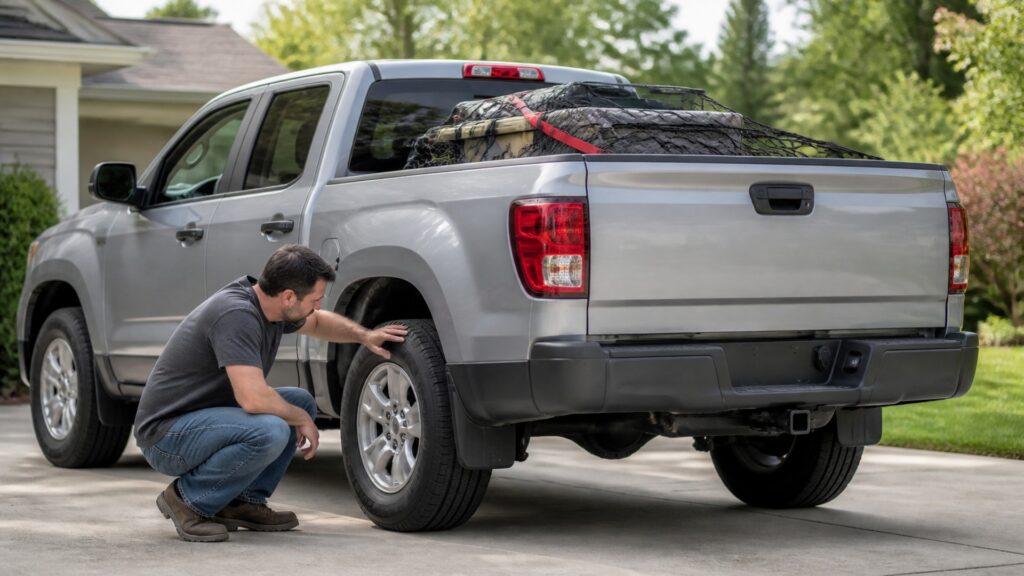
compact pickup trucks explainer hero image for Review Streets
What You'll Learn

Safety Checks for a Compact Truck's Mixed Roles

Consider the people inside, the area around the truck, and the load it must control.

  • Use proper seating and restraints for every occupant
  • Secure cargo in the cabin and bed
  • Check available carrying allowance before adding a trailer
  • Inspect visibility, tires, and braking readiness
  • Understand what each assistance feature actually does

Tip: A trip across town still needs a correctly loaded and secured vehicle. Distance does not make an overloaded or loose load acceptable.

Definitions

Six Safety Concepts for Compact Pickup Use

Each addresses a different part of the trip.

Occupant Restraint

Using designated seats and the appropriate seat belts or child restraints.

  • Example: A child seat is installed according to both vehicle and restraint instructions.
  • Check: Confirm the seating position and installation requirements.
  • Limit: Cabin space alone does not establish a suitable restraint installation.

Cargo Securement

Preventing equipment or materials from moving out of their intended position.

  • Example: Tools are restrained instead of left loose on a passenger seat.
  • Check: Use suitable restraints and approved attachment points.
  • Limit: A closed bed cover does not necessarily restrain the cargo beneath it.

Carrying Allowance

The capacity available for the truck's occupants and added load.

  • Example: A crew, rack, and materials all consume allowance before hitch load is added.
  • Check: Use the actual vehicle's labels and all relevant limits.
  • Limit: An empty area in the bed does not prove capacity remains.

Near-Vehicle Awareness

Knowing where people and obstacles are before and during low-speed movement.

  • Example: A child can enter a blind area near a parked pickup.
  • Check: Check surroundings and use direct observation with fitted aids.
  • Limit: Small size does not guarantee complete visibility.

Tire Readiness

Suitable tire condition, specifications, and pressure for the vehicle.

  • Example: A pre-trip check finds a damaged tire before hauling materials.
  • Check: Follow specified cold pressures and inspect visible condition.
  • Limit: A pressure-monitoring system does not check every tire problem.

Assistance Scope

The particular task and conditions supported by a driver aid.

  • Example: A collision warning alerts the driver without necessarily applying the brakes.
  • Check: Read the behavior and limits of the fitted system.
  • Limit: The driver remains responsible for attentive operation.

Tip: Keep load calculations and cargo restraint checks separate. Being within a weight limit does not mean the cargo is secure.

People First

Keep Passenger Space Suitable for Passengers

Use designated seating with appropriate restraints, and keep loose tools or supplies out of occupied areas unless they can be stored securely. Check child-restraint installation against both sets of instructions rather than assuming every rear-seat arrangement works identically. Do not use the pickup bed as passenger seating. Resolve space conflicts before moving, instead of letting cargo crowd or interfere with restraints.

  • Buckle every occupant in an approved seating position.
  • Keep restraint paths and controls unobstructed.
  • Secure items that could move during braking.

A compact cab can carry people and equipment only when both have appropriate places; a convenient empty seat is not automatically cargo storage.

Cargo and Capacity

Count the Whole Load Before Securing It

Include people, added accessories, cargo, and applicable trailer hitch load in the vehicle's carrying allowance. Check other limits such as axle and tire ratings too. Then restrain cargo using appropriate equipment and mounting points. Keep required lights and visibility clear. Heavy materials can use up capacity without filling much bed volume, so appearance is a poor guide to weight.

  • Use reliable load weights rather than a visual guess.
  • Check accessory and attachment-point limits.
  • Reassess the setup when the crew or cargo changes.

A compact carrying dense landscaping materials can reach a limit while the bed still looks mostly empty.

Towing

Treat a Trailer as a New Loaded Arrangement

Verify the exact truck's trailer rating, required package, hitch equipment, electrical connections, and braking requirements. Do not infer suitability from the presence of a receiver. The trailer's load on the truck competes with occupants and other cargo, while the combined setup needs appropriate maneuvering and stopping space. Follow the manufacturer's setup and operating guidance for the combination.

  • Check the actual build rather than a model-family maximum.
  • Include hitch load and complete loaded weights.
  • Confirm required trailer lights and brakes work.

A trailer that worked with one passenger arrangement may need a fresh check when more people or equipment join the trip.

Movement and Grip

Use Visibility and Vehicle Condition Together

Check around the truck before moving when the surroundings are uncertain, especially where children or pedestrians may be nearby. Cameras and mirrors support awareness but leave limitations. On the road, appropriate tires, brakes, speed, and following distance help control the vehicle. All-wheel drive can help propulsion in suitable conditions without guaranteeing braking grip or removing the effects of a load.

  • Confirm a clear path before reversing or pulling away.
  • Inspect tires and keep required maintenance current.
  • Adjust speed and spacing for surface and load.

Easy low-speed maneuvering in an empty parking lot does not prove the loaded truck will respond the same way in rain or traffic.

Driver Aids

Know the Difference Between a Warning and an Intervention

Feature names can sound similar while describing different behavior. Some systems warn; others may assist steering or braking within specified conditions. Read the manual for the actual equipment, including any limitations with trailers, obscured sensors, or weather. Keep attention on driving and do not use a feature's presence as a reason to postpone a necessary manual response.

  • Learn which functions are installed and enabled.
  • Keep required sensor and camera areas unobstructed.
  • Follow the stated restrictions for towing and conditions.

The practical question is what the system can detect and do in this situation, not how reassuring its name sounds.

Quick Reality Check

Safety Habits That Travel With the Load

Repeat the checks whenever the vehicle's use changes.

A Prepared Compact Pickup

Occupants and cargo are restrained, loads are within limits, and required trailer equipment is ready.

The driver has checked visibility, vehicle condition, and the limits of available assistance.

Assumptions That Leave Gaps

That smaller size removes blind areas or that an empty-looking bed means spare capacity.

That a receiver, drive mode, or driver aid establishes suitability for the whole trip.

Common Myths

Misconceptions About Compact Pickup Safety

Convenience should not be mistaken for protection.

A compact truck has no significant blind areas.

Direct observation and appropriate surroundings checks remain necessary.

A bed cover secures everything underneath it.

Cargo still needs suitable restraint against movement.

Any compact with a hitch can tow the advertised maximum.

The maximum depends on the exact configuration and required equipment.

All-wheel drive makes loaded stopping easy.

Tires, brakes, surface, speed, and load still govern stopping demands.

Tip: The simplest useful habit is to reassess the truck whenever people, cargo, equipment, or a trailer change.

FAQ

Questions About Compact Pickup Precautions

Practical answers for passenger travel, hauling, and occasional towing.

What should I check before a short haul?

Load weight and restraint, vehicle condition, visibility, and any required trailer equipment; short distance does not remove these needs.

Can I put tools in the cabin?

Only where they can be securely stored without interfering with occupants, restraints, or controls.

Why count the rack and cover?

Installed accessories add weight and reduce the allowance available for other loads.

Does a trailer require a new check?

Yes. Verify the vehicle configuration, hitch load, complete weights, connections, brakes, and operating guidance.

Can assistance features replace attentive driving?

No. Learn their scope and remain responsible for steering, braking, and safe operation.

Bottom Line

Compact pickup safety depends on a prepared driver, a sound vehicle, and properly restrained people and loads within the actual ratings.

Use the truck's convenient size without assuming it removes the checks required for passenger travel, cargo, or towing.

Next Steps

Go Deeper or Compare Your Options

Use these Review Streets paths to compare related categories and practical next decisions.

Technical references: Ford Maverick owner manual; Ford towing information and vehicle-specific guides; NHTSA child-safety guidance; NHTSA driver-assistance guidance; NHTSA tire-care guidance. Use the manual and ratings for your own model year and configuration.