
Why Corded Drills Motor Amperage Matters

Motor amperage in corded drills is a critical but often misunderstood factor in their performance. Many assume that higher amperage always equates to more power, but it’s more about how the amperage interacts with the motor and other components to deliver consistent torque and performance.

This explainer will break down the role of motor amperage, how it affects the power delivery, and why it matters for different tasks. By the end, readers will have a clearer understanding of how motor amperage contributes to a drill’s efficiency and how it impacts its ability to handle various drilling applications.
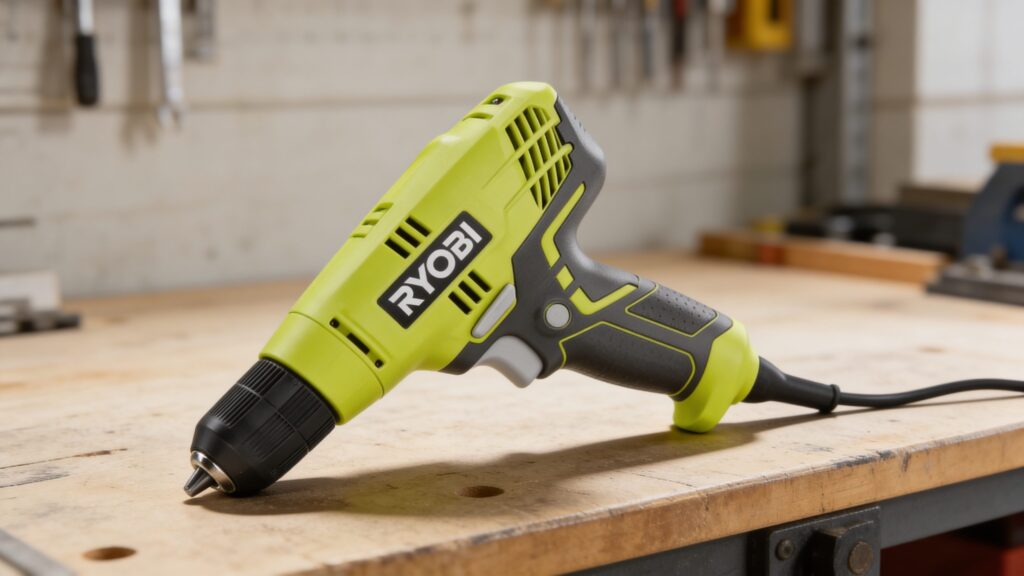
By: Review Streets Research Lab
Updated: April 7, 2026
Explainer · 8–12 min read
Why Corded Drills Motor Amperage Matters
What You’ll Learn

Why Corded Drills Motor Amperage Matters

An overview of motor amperage in corded drills, how it affects performance, and why it’s crucial for various tasks and power management.

  • How amperage influences motor power and efficiency in corded drills
  • Why amperage isn’t the only factor in determining a drill’s performance
  • The role of amperage in sustaining power during prolonged use
  • How motor amperage impacts torque delivery and material handling
  • The relationship between amperage and heat buildup during heavy tasks
  • Why higher amperage doesn’t always equate to better performance
  • How motor amperage interacts with the drill’s gearing and power system

Tip: Understanding amperage helps clarify why consistent power delivery is critical for extended, high-load drilling tasks.

Definitions

Key Parts That Make a Corded Drill Work

Before you can understand performance, it helps to know what each major component does—and where the common misunderstandings come from.

Motor Amperage

Motor amperage controls the amount of electrical current supplied to the motor, directly affecting the torque and power available for heavy tasks.

  • Current Flow: Higher amperage means more current delivered to the motor
  • Performance: Greater amperage leads to more consistent and sustained power
  • Efficiency: Amperage affects how efficiently a drill maintains torque under load

Motor Design

The motor converts electrical energy into mechanical rotation. Motor design determines how efficiently amperage is utilized to generate power and maintain torque.

  • Brushed Motors: Simpler, with less efficiency but more affordable
  • Brushless Motors: More efficient, generating less heat and extending tool life
  • Power Delivery: Motor design influences how effectively amperage is used

Gearbox

The gearbox manages the speed and torque output from the motor, optimizing performance across various tasks while preventing overuse of amperage.

  • Torque Amplification: Gear ratios control how torque is increased or decreased
  • Efficiency: A well-designed gearbox minimizes power loss
  • Durability: Quality gearing reduces strain on the motor and electrical components

Heat Management

Excessive heat during drilling limits the effective use of amperage, causing a reduction in power delivery and performance.

  • Motor Heat: Heat causes inefficiencies and reduces the drill's power output
  • Current Limiting: Overheating leads to reduced current to protect components
  • Cooling: Effective cooling systems are critical for sustained amperage usage

Power Delivery System

The power delivery system channels the current to the drill bit, where torque is applied. Proper alignment and quality components ensure efficient energy transfer.

  • Bit Connection: Power is transferred through the chuck to the bit
  • Consistency: A stable system minimizes power losses under load
  • Control: The system’s design allows better control during drilling

Tip: Amperage is part of a larger system—understanding how each component works together is key to performance.

Power Path

How Power Moves Through a Corded Drill

A corded drill directly receives power from an external electrical source. Understanding how this flow works clarifies why corded drills maintain consistent performance during heavy tasks.

  • The cord provides continuous electrical power to the motor
  • The motor converts electrical energy into rotational force
  • The gearbox adjusts the torque for specific tasks
  • The chuck delivers the rotational force to the bit
  • Power is distributed efficiently without the risk of battery depletion

Any disruption in the power flow—such as inefficient components or excessive heat—can impact the drill’s performance.

Motors

Brushless vs. Brushed Motors

The motor is a key component in transforming electrical energy into usable mechanical energy. The design of the motor impacts the drill's efficiency, performance, and lifespan.

  • Brushed motors use physical contact, which can cause wear and energy loss as heat
  • Brushless motors use electronic control for smoother power delivery and better efficiency
  • Brushless motors generally run cooler, improving tool and battery longevity

In real-world use, brushless motors are more effective for extended tasks, even when similar voltage ratings are compared.

Gearing

Why Gears Matter More Than Raw Motor Speed

The gearbox determines how the motor’s speed is converted into usable torque, directly impacting the drill’s effectiveness for various tasks.

  • Low gear increases torque, making it ideal for driving screws or drilling large holes
  • High gear delivers faster rotation for smaller, less demanding tasks
  • Quality gearing ensures smoother performance and durability over time

A well-designed gearbox prevents stalling and overheating, allowing the drill to perform efficiently in demanding conditions.

Heat Management

Why Drills Lose Power as They Get Hot

Heat buildup inside the drill impacts both motor and battery performance, limiting the tool’s output to prevent damage and overheating.

  • Batteries reduce current flow to prevent overheating
  • Controllers limit power output to protect sensitive components
  • Motors lose efficiency and become less effective as temperature rises

This is why corded drills are often more consistent during prolonged use compared to battery-powered alternatives.

User Control

Trigger Control, Balance, and Ergonomics

How a drill feels in the hand, including its balance and ergonomics, significantly affects its ease of use, precision, and comfort during extended tasks.

  • Smooth trigger response allows for better control when starting holes or driving screws
  • Well-balanced drills reduce strain during overhead or prolonged use
  • Grip shape and weight distribution impact overall control and user comfort

These factors, often overlooked in specifications, heavily influence real-world performance and usability.

Quick Reality Check

Where Corded Drills Shine — and Where They Don’t

A simple, practical balance: what corded drills handle beautifully, and the situations where their limits show up.

What Corded Drills Do Well

Corded drills offer consistent power for long tasks without worrying about battery depletion. The direct power supply ensures a continuous flow of energy for high-load jobs.

When doing extended drilling or high-torque tasks, corded drills provide uninterrupted performance, making them ideal for heavy-duty applications.

Where Corded Drills Have Limits

Being tethered to a power cord can limit mobility, especially in tight spaces or large areas. The cord restricts movement and can become cumbersome during overhead or distant tasks.

For projects that require portability or flexibility, the corded design can be restrictive compared to cordless models, which offer more freedom of movement.

Common Myths

Misconceptions About How Corded Drills Work

Corded drills are often judged by outdated assumptions or misunderstood specs. Here’s what actually matters—and what doesn’t.

Corded drills are weak and outdated

Corded drills provide continuous, reliable power, making them ideal for heavy-duty tasks. The consistent energy supply from the cord ensures sustained performance without worrying about battery depletion.

Higher amperage always means more power

While higher amperage can contribute to stronger performance, other factors—such as motor design, gearing, and heat management—are just as important in determining a drill’s effectiveness.

Amperage determines how long a drill lasts

Amperage affects power delivery, not overall drill lifespan. Proper motor cooling, quality components, and efficient design contribute more to a drill’s longevity than amperage alone.

More amperage equals faster drilling

Faster drilling depends on the motor’s design, gear ratios, and the drill’s overall power system. Amperage alone doesn’t dictate drilling speed—torque and speed balancing are key factors.

If a drill struggles, it’s underpowered

Struggling can be due to heat buildup, incorrect gear selection, or poor maintenance rather than a lack of power. Proper gear settings and cooling can resolve many issues.

Tip: Understanding how power systems and components interact can help you spot issues beyond just motor ratings or amperage numbers.

FAQ

Frequently Asked Questions About How Corded Drills Work

Quick answers to the most common questions people have after learning the basics of corded drill power, motors, and amperage.

What determines how “powerful” a corded drill feels?

The power output depends on motor amperage, motor efficiency, and the ability of the power system to deliver consistent energy. A drill with higher amperage can feel more powerful during demanding tasks.

Does higher amperage always mean more power?

Amperage affects power delivery, but it’s not the only factor. Other components, such as motor design, cooling systems, and gearing, also influence a drill’s power and performance.

What impact does amperage have on a drill’s performance?

Higher amperage generally improves the drill's ability to maintain consistent power under load, but its effect is influenced by the overall power delivery system, including heat management and motor efficiency.

Why does my corded drill slow down or stall during heavy use?

Slowdowns or stalls are often caused by heat buildup or amperage limits. Overheating can trigger current restrictions or reduce efficiency, which is common in high-load drilling tasks.

How does motor amperage affect heat generation?

Higher amperage can lead to increased heat production, which affects efficiency and may result in power reductions. Proper heat management is necessary to sustain power delivery during extended tasks.

What’s the advantage of having a higher amperage motor?

Higher amperage allows the drill to deliver more power for extended tasks without losing efficiency. This is particularly important for tasks requiring sustained torque or high force, like drilling large holes.

Can the amperage affect the drill’s lifespan?

Yes, excessive amperage without proper heat management can lead to overheating, which could shorten the motor’s lifespan. Effective cooling systems are crucial for maintaining longevity while using high amperage.

What affects the consistency of power delivery in a corded drill?

Power delivery consistency is influenced by amperage, motor efficiency, heat management, and the quality of components like the controller and gears. These factors collectively maintain smooth and reliable performance.

Tip: When troubleshooting drill performance, consider the entire system—amperage, motor efficiency, and heat management—rather than just the motor's amperage rating.

Bottom Line

Corded drills rely on continuous power delivery, not just motor amperage. The combination of motor amperage, power source, and heat management determines the drill’s capacity to maintain consistent performance during heavy tasks.

Understanding how these components interact clarifies the role of amperage in performance and helps set realistic expectations for drill capabilities.

Next Steps

Go Deeper or Compare Your Options

Now that you understand how corded drills work, these guides help you apply that knowledge to real buying decisions.

Best Corded Drills

A ranked look at the most popular corded drills, covering power, efficiency, and suitability for different tasks based on performance data.

Corded vs Cordless Drills

A comparison of corded and cordless drills, examining key differences in power, runtime, and use cases to help you decide the right tool.

How to Choose a Corded Drill

A comprehensive guide to understanding the important specifications and features to consider when selecting a corded drill for specific projects.

Quick Summary

Why Corded Drills Motor Amperage Matters

  • Motor amperage impacts how much power the drill can consistently deliver
  • Higher amperage allows for more torque and better load handling
  • Power is limited by the system, not just motor amperage alone
  • Heat buildup reduces efficiency and performance during extended use
  • Motor design, gearing, and amperage work together to optimize performance