Why Corded Drills Power Delivery Matters

Power delivery in corded drills is frequently reduced to a simple wattage figure, yet the concept is more nuanced than a single specification. It encompasses how electrical input is converted into rotational force, how torque is sustained under resistance, and how voltage stability influences mechanical output. Misunderstandings often arise when raw power ratings are interpreted without considering load dynamics, current flow, and motor design.

This explainer outlines the electrical and mechanical pathway from outlet to bit. It clarifies how amperage, motor construction, gearing, and continuous current interact to produce steady torque. By the end, readers will understand the structural relationship between electrical supply and rotational performance in corded drilling systems.

By: Review Streets Research Lab
Updated: April 20, 2026
Explainer · 8–12 min read
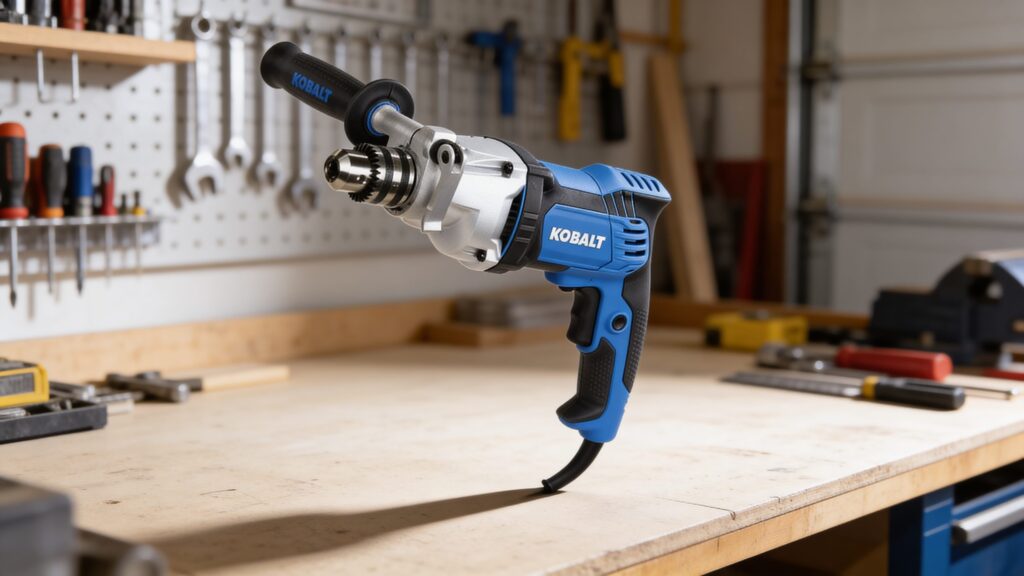
Close-up of a corded drill boring into hardwood, highlighting consistent power delivery and stable torque under load
What You’ll Learn

Understanding Corded Drill Power Delivery

A structured breakdown of how electrical input becomes sustained rotational force, clarifying the internal systems that govern torque stability and load response.

  • How alternating current is converted into continuous motor rotation
  • How amperage draw influences torque under sustained mechanical resistance
  • Why voltage stability affects consistency during high-load drilling
  • How motor windings and magnetic fields generate rotational force
  • How gear reduction transforms speed into usable torque output
  • What causes torque drop, stall conditions, and thermal buildup
  • How continuous current differs from battery discharge behavior

Tip: Visualize power delivery as a continuous electrical-to-mechanical chain, where each stage shapes torque stability under load.

Definitions

Core Systems Behind Corded Drill Power Delivery

To understand sustained torque, it helps to see how electrical supply, motor behavior, and mechanical reduction operate as a single integrated system.

AC Power Input

The cord connects the drill to a continuous alternating current source. This uninterrupted supply enables stable energy flow that supports sustained torque under resistance.

  • Voltage stability: Maintains consistent electrical pressure during operation
  • Current availability: Supports rising amperage as load increases
  • Circuit limits: Household capacity constrains maximum draw

Trigger and Switching Assembly

The trigger regulates how much current reaches the motor at any moment. Internal switching components shape speed response and manage electrical flow.

  • Current modulation: Adjusts amperage based on trigger position
  • Load response: Increases delivery as resistance rises
  • Thermal safeguards: Limits overload through electrical interruption

Electric Motor

The motor converts electrical energy into rotational motion through magnetic interaction between windings and armature. Its design determines how torque builds and sustains under load.

  • Magnetic fields: Create rotational force from electrical input
  • Armature rotation: Translates energy into mechanical movement
  • Heat generation: Influences sustained output capacity

Gear Reduction System

The gearbox reduces high motor speed into lower rotational speed with greater torque. Gear ratios determine how effectively motor force is amplified at the spindle.

  • Speed conversion: Transforms RPM into usable twisting force
  • Mechanical leverage: Multiplies torque through reduction
  • Friction losses: Affect efficiency of delivered force

Spindle and Chuck Interface

The spindle carries rotational force from the gearbox, while the chuck secures the bit. Stability at this junction ensures consistent transmission of torque to the material.

  • Clamping pressure: Maintains firm bit engagement
  • Alignment control: Reduces runout and uneven loading
  • Force transfer: Channels rotation directly into cutting action

Sustained Torque

Sustained torque reflects the drill’s ability to maintain rotational force as resistance increases. It emerges from the interaction of electrical supply, motor capacity, and gear leverage.

  • Load adaptation: Torque rises as material resists rotation
  • Amperage demand: Higher resistance increases current draw
  • System balance: Electrical and mechanical limits define stability

Tip: Power delivery functions as a continuous chain, where electrical input and mechanical reduction jointly determine sustained torque.

Power Path

How Electrical Input Becomes Sustained Torque

A corded drill does not create energy internally; it draws alternating current from the outlet and converts it into mechanical rotation through sequential stages. Each stage conditions how much torque ultimately reaches the bit.

  • Alternating current enters through the cord and internal wiring
  • The trigger assembly modulates how much current reaches the motor
  • The motor converts electrical energy into rotational motion
  • The gearbox reduces speed and multiplies torque output
  • The spindle and chuck transmit rotation directly to the bit

Torque at the bit reflects the cumulative efficiency and limits of this entire electrical-to-mechanical chain.

Motors

How Motor Design Shapes Torque Under Load

The motor is the core conversion device, transforming electrical current into rotational force through magnetic interaction. Its construction determines how consistently torque can be maintained as resistance increases.

  • Windings: Generate magnetic fields that drive armature rotation
  • Current draw: Rises as mechanical resistance increases
  • Thermal limits: Constrain sustained output during prolonged operation

Motor behavior under load directly influences how steadily rotational force is delivered to the gearbox.

Gearing

Gear Reduction as a Torque Multiplier

The gearbox transforms high motor speed into lower rotational speed with greater twisting force. Gear ratios determine how effectively motor output is translated into usable torque.

  • Speed reduction increases mechanical leverage at the spindle
  • Gear tooth engagement affects smoothness of force transfer
  • Mechanical friction influences overall efficiency of torque delivery

Gear reduction defines how motor-generated rotation becomes controlled, amplified force at the bit.

Heat Management

Thermal Load as a Limiting Factor in Power Delivery

Electrical resistance and mechanical friction generate heat during operation. Rising temperatures alter electrical efficiency and can reduce sustained torque output.

  • Electrical resistance increases as internal temperatures climb
  • Motor efficiency declines with prolonged thermal buildup
  • Internal components may limit current to prevent damage

Thermal accumulation gradually reshapes how much force the system can sustain under continuous load.

User Control

Trigger Modulation and Mechanical Stability

Power delivery is also shaped by how precisely current is introduced and how stably rotation is transmitted. Control systems and physical balance influence how force is applied to the material.

  • Progressive trigger travel adjusts current flow incrementally
  • Stable housing alignment reduces vibration under resistance
  • Weight distribution affects how force is directed into the work surface

Controlled current input and mechanical stability together determine how smoothly torque reaches the drilling interface.

Quick Reality Check

Continuous Power vs. Energy Storage

A concise contrast between corded electrical supply and battery storage, focusing on how each system sustains torque under extended mechanical load.

Continuous AC Supply

Corded drills draw alternating current directly from the outlet, providing a steady flow of electrical energy without relying on stored charge.

During prolonged drilling in dense material, consistent line voltage supports stable torque because current is not limited by battery discharge cycles.

Battery-Dependent Output

Cordless drills depend on stored chemical energy, which must be converted and regulated before reaching the motor under load.

As resistance and heat increase, battery voltage can sag and electronic safeguards may reduce current, altering sustained torque behavior.

Common Myths

Misconceptions About Corded Drill Power Delivery

Power delivery is often reduced to a single specification, but sustained torque depends on how electrical and mechanical systems interact under load.

Higher amperage always means more torque

An amperage rating reflects potential current draw, not guaranteed twisting force at the bit. Actual torque depends on motor efficiency, gear reduction, voltage stability, and how effectively electrical energy is converted into mechanical rotation under resistance.

Corded drills never lose power

Although they draw continuous current, corded drills still experience performance changes as heat builds and mechanical friction increases. Rising internal temperatures can reduce efficiency, altering how steadily torque is sustained during prolonged drilling.

Voltage alone determines drilling strength

Line voltage provides electrical pressure, but torque output also depends on current flow, magnetic field strength, and gear ratios. Stable voltage supports consistency, yet mechanical design ultimately shapes usable force at the spindle.

Stalling means the drill lacks power

Stall conditions often result from excessive load relative to gear reduction or from thermal limits affecting current flow. When resistance exceeds the system’s mechanical leverage or electrical capacity, rotation stops despite available input power.

Motor speed equals real drilling performance

High rotational speed does not automatically translate into higher torque. Gear reduction transforms motor RPM into twisting force, and without sufficient reduction, increased speed may not overcome material resistance effectively.

Tip: Evaluate power delivery as an integrated chain of electrical supply, motor conversion, and mechanical reduction rather than a single headline specification.

FAQ

Frequently Asked Questions About Corded Drill Power Delivery

Concise explanations that clarify how electrical supply, motor behavior, gearing, and heat influence sustained torque in corded drilling systems.

What actually determines how “powerful” a corded drill feels?

Perceived power reflects how effectively electrical input is converted into sustained torque. Line voltage stability, available current, motor efficiency, gear reduction, and thermal buildup all shape how consistently rotational force is maintained under resistance.

Does a higher amperage rating mean more torque?

An amperage rating indicates potential current draw, not guaranteed twisting force at the bit. Actual torque depends on how the motor converts that current and how the gearbox multiplies it through mechanical leverage.

Why can a corded drill still slow down under load?

As resistance increases, current demand rises and internal heat builds. Elevated temperatures and mechanical friction reduce efficiency, which can lower rotational speed even when the drill remains connected to a continuous power source.

What role does gearing play in power delivery?

The gearbox reduces motor speed and multiplies torque before rotation reaches the spindle. Without sufficient reduction, high motor RPM may not translate into the twisting force required to overcome dense material.

Why does a drill sometimes stall in tough material?

Stalling occurs when mechanical resistance exceeds the combined torque produced by the motor and gear reduction. In such cases, available electrical input cannot be converted into enough rotational force to continue cutting.

Does voltage stability affect real drilling performance?

Stable voltage supports consistent magnetic field strength inside the motor, which helps maintain steady torque. Significant voltage drop or circuit limitations can alter how smoothly power is delivered under heavy demand.

How does heat influence sustained torque output?

Heat increases electrical resistance and reduces motor efficiency over time. As internal temperatures rise, more input energy is lost to thermal buildup rather than converted into mechanical rotation.

Is power delivery only about the motor?

The motor is central, but it operates within a broader chain that includes electrical supply, switching components, gear reduction, and mechanical interfaces. Each stage conditions how much usable torque ultimately reaches the bit.

Tip: When diagnosing performance changes, trace the chain from electrical input through motor conversion to mechanical reduction to identify where torque is being limited.

Bottom Line

Corded drill power delivery is an integrated electrical-to-mechanical system. Continuous current, motor conversion, gear reduction, and thermal limits collectively determine how steadily torque is produced and maintained under increasing mechanical resistance.

With this system-level view, specifications become contextual signals rather than isolated numbers, clarifying how electrical input translates into sustained rotational force at the bit.

Next Steps

Apply the System to Real-World Choices

With a clear model of power delivery, these pages extend the discussion into structured lists, side-by-side contrasts, and decision frameworks.

Corded Drill Top 10 Lists

An organized overview of leading corded drill categories, highlighting how power delivery characteristics align with different workloads and operating demands.

Corded Drill Comparisons

Structured, side-by-side breakdowns that examine torque consistency, thermal behavior, and electrical specifications across distinct corded drill configurations.

Corded Drill Buying Guides

In-depth guides that translate electrical ratings, motor design, and gearing details into a clear framework for understanding workload fit and long-term use.

Quick Summary

Corded Drill Power Delivery

  • Continuous alternating current feeds the motor without stored energy limits
  • Motor windings convert electrical input into rotational magnetic force
  • Gear reduction transforms high RPM into usable twisting torque
  • Amperage draw increases as mechanical resistance rises
  • Heat buildup reduces efficiency and alters sustained torque output