Why Functional Suspension Training Training Function Matters

Training function matters in functional suspension training because straps are only useful when they make bodyweight movement easier to scale, control, and repeat. A suspension system can support rows, presses, squats, lunges, planks, fallouts, and assisted mobility, but the value comes from how those exercises fit the plan.

Good training function means the setup has a clear job: adjust resistance through body angle, support a movement pattern, add appropriate instability, assist range of motion, or make a compact routine easier to follow.

By: Review Streets Research Lab
Updated: October 2, 2026
Explainer · 8-12 min read
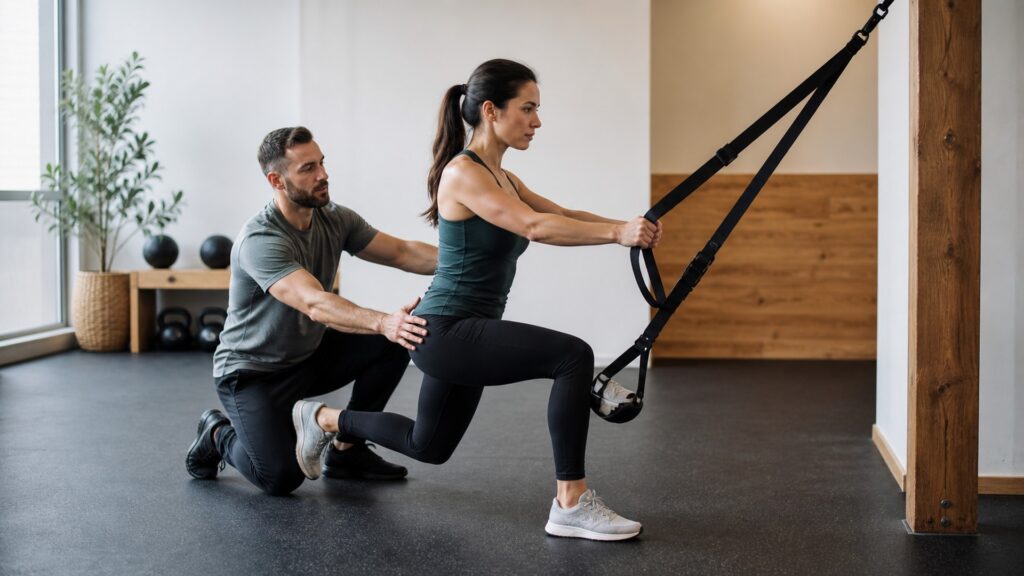
functional suspension training training function explainer hero image for Review Streets
What You'll Learn

How Training Function Changes Suspension Workouts

A practical look at progression, control, exercise selection, and setup quality in strap-based training.

  • Why straps need a clear role in the workout
  • How body angle supports progression
  • Where instability helps and where it distracts
  • Why exercise selection should match the anchor and space
  • How assistance can improve movement quality
  • What to check before relying on suspension training as a main system

Tip: Use the straps to solve a training problem, not just to make ordinary exercises feel harder.

Definitions

Key Concepts Behind Suspension Training Function

These concepts explain how suspension systems become useful training tools.

Training Function

Training function is the specific job the suspension setup performs in the routine.

  • Example: using straps to scale rows for different strength levels
  • Check: name the purpose before choosing exercises
  • Limit: versatility can become clutter without a plan

Angle-Based Progression

Angle-based progression changes difficulty by moving the body closer to or farther from horizontal.

  • Example: stepping forward to make a row harder
  • Check: keep foot position repeatable
  • Limit: small steps can make big changes

Assisted Movement

Assisted movement uses the straps to support balance, range, or confidence.

  • Example: strap-assisted lunges or squats
  • Check: use assistance to improve control
  • Limit: too much assistance can reduce the training effect

Instability Dose

Instability dose is how much strap movement the user has to control.

  • Example: suspended push-ups requiring shoulder and trunk control
  • Check: increase instability only when positions stay clean
  • Limit: too much movement can hide the target exercise

Exercise Transfer

Exercise transfer is how well the strap movement supports the user's broader training goal.

  • Example: rows supporting pulling strength for climbing or general fitness
  • Check: connect each exercise to a goal
  • Limit: not every strap variation is worth keeping

Setup Repeatability

Setup repeatability is the ability to recreate strap length, angle, stance, and range from session to session.

  • Example: marking foot position for rows
  • Check: track setup variables that affect difficulty
  • Limit: untracked changes can make progress unclear

Tip: Suspension training works best when adjustability supports the plan instead of creating endless variation.

Purpose

The Straps Need A Clear Job

Suspension systems can do many things, but each workout should use them for a defined purpose. That purpose may be strength, assistance, stability, warm-up, mobility, or compact full-body training.

  • Use rows and presses for strength patterns.
  • Use assisted squats or lunges for position work.
  • Use core drills when trunk control is the target.

A clear job keeps versatility from becoming noise.

Progression

Body Angle Should Create Measurable Steps

Training function is strongest when the user can repeat and progress the setup. If every set uses a different stance or strap length, improvement becomes hard to judge.

  • Mark or remember foot position.
  • Keep strap length consistent for repeated exercises.
  • Change one difficulty variable at a time.

Repeatability turns strap adjustment into progression.

Control

Instability Should Match The Goal

Suspension systems naturally move. That movement can train control, but it should not overwhelm the exercise or force the user into poor positions.

  • Use stable angles before harder unstable versions.
  • Reduce range when alignment breaks.
  • Choose fixed tools if strength is the main goal and straps get in the way.

The right instability level supports the exercise.

Exercise Fit

Not Every Exercise Belongs On Straps

Some movements work beautifully with suspension systems. Others become awkward or less effective than a fixed bar, floor tool, weight, or machine.

  • Keep exercises that benefit from angle adjustment.
  • Skip variations that feel unstable without a purpose.
  • Use other equipment when it fits the movement better.

Good training function includes knowing what not to use straps for.

Routine Fit

The Setup Should Match The User's Space And Goal

Suspension training depends on anchor quality, clearance, flooring, and available time. A compact system is useful only when setup is safe and repeatable.

  • Confirm the anchor before building the plan around straps.
  • Leave enough space for leaning and stepping.
  • Choose exercises that fit the user's strength and room.

The best suspension system is the one the user can set up correctly and use consistently.

Quick Reality Check

Where Training Function Helps And Where It Has Limits

Suspension straps are useful when their adjustability supports the workout goal.

Where It Helps

It makes bodyweight rows, presses, squats, lunges, and core drills easier to scale.

It supports compact routines when setup is safe and repeatable.

Where It Falls Short

It cannot replace every fixed bar, external load, or machine-based exercise.

It can become vague when angle, range, and instability change without tracking.

Common Myths

Misconceptions About Suspension Training Function

A versatile strap system still needs a focused training job.

More exercise options mean better training

Options help only when they fit the user's goal and progression path.

Instability is the main benefit

Instability is one feature, but angle control, assistance, and repeatability often matter more.

Suspension training replaces all bodyweight equipment

Fixed bars, handles, and floor tools can still be better for specific movements.

Progression happens automatically

Progression requires repeatable setup and controlled difficulty changes.

Tip: The straps should make training clearer, not just more variable.

FAQ

Frequently Asked Questions About Suspension Training Function

Short answers about how straps support progression and exercise choice.

What training function matters most?

The most important function is scalable bodyweight resistance through repeatable body angle and strap setup.

Is instability always the point?

No. Instability can help, but many users benefit more from angle-based progression and assisted movement quality.

Can suspension training be a main workout system?

It can be for some goals, especially compact bodyweight training, but other tools may still be needed for external load or fixed support.

How do I make progress measurable?

Keep strap length, foot position, range, reps, and tempo consistent enough to compare sessions.

What is the practical takeaway?

Functional suspension training matters when the straps create scalable, repeatable, and goal-specific movement options.

Bottom Line

Functional suspension training function matters because strap adjustability needs a clear training purpose.

The strongest setups use safe anchors, repeatable angles, appropriate instability, and exercises that match the user's goals.

Next Steps

Go Deeper or Compare Your Options

Use these Review Streets paths to compare related categories and practical next decisions.