
Why Gearboxes Matter in Cordless Drills

In cordless drills, the gearbox is a compact mechanical system that governs how rotational force is transmitted from the motor to the chuck. It is often misunderstood because it operates out of sight and is frequently reduced to a simple speed selector, rather than recognized as a coordinated arrangement of gears designed to manage motion, load, and mechanical balance within the tool.

This explainer outlines how drill gearboxes are structured, how different gear stages interact, and how gear reduction shapes rotational behavior. By the end, readers will understand the internal role of the gearbox, the mechanical principles it relies on, and how it integrates with the motor and drive system to regulate movement inside a cordless drill.

By: Review Streets Research Lab
Updated: April 20, 2026
Explainer · 8–12 min read
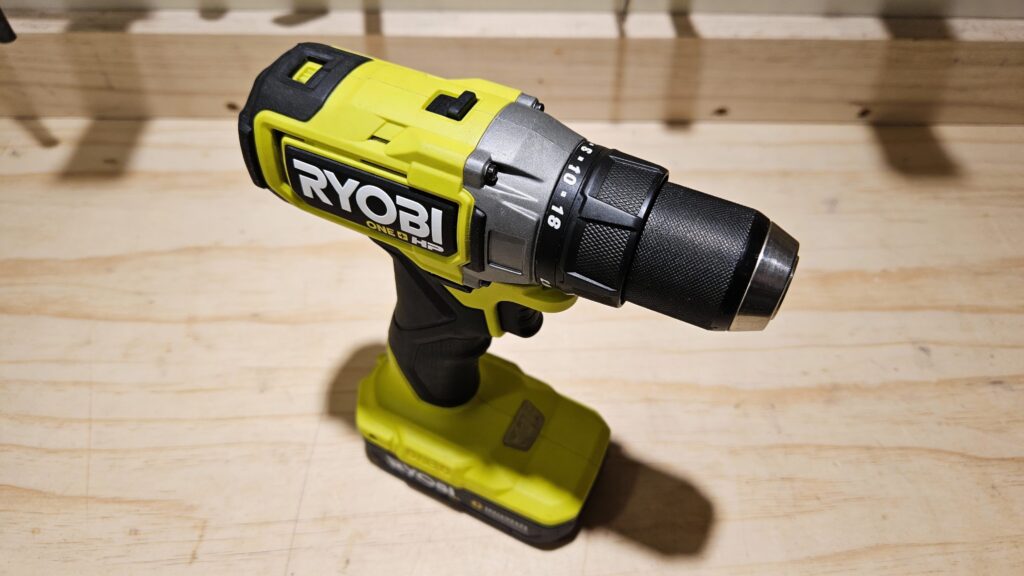
Cordless drill gearbox close-up showing internal gears and torque mechanism inside a power drill
What You’ll Learn

Understanding Drill Gearbox Mechanics

A focused mechanical overview explaining how internal gear systems shape speed reduction, torque transfer, and motion control inside cordless drill drivetrains.

  • How planetary gear stages reduce motor speed while multiplying rotational force
  • Why gear ratios determine load handling, efficiency losses, and rotational smoothness
  • How multi-speed transmissions shift torque pathways without altering motor operation
  • How clutch assemblies interact with gearboxes to regulate mechanical output limits
  • Why compact gearbox design affects heat distribution, wear patterns, and durability
  • How lubrication, tolerances, and materials influence long-term gearbox reliability performance
  • How torque pathways align the motor, gearbox, and chuck into one system

Tip: Viewing the gearbox as a mechanical translator clarifies how internal motion is reshaped before reaching the chuck.

Definitions

Core Components in a Cordless Drill Power Path

These definitions map each major component to its mechanical role, showing how energy becomes controlled rotation through a linked chain of electrical and gear-driven stages.

Battery Pack

The battery supplies electrical energy and sets the available current range for the drive system. Its internal cell configuration shapes voltage stability under changing mechanical load.

  • Voltage: Establishes the electrical potential the controller can draw from
  • Capacity: Indicates stored energy that supports sustained current delivery
  • Cells: Parallel and series groups determine current sharing and sag behavior

Electronic Controller

The controller meters power from the battery into the motor based on trigger input. It shapes current flow, manages switching, and enforces operational limits during load changes.

  • Modulation: Uses rapid switching to regulate motor speed and response
  • Limiting: Constrains current to protect electronics and manage thermal load
  • Feedback: Adjusts output using sensed conditions like speed and temperature

Motor

The motor converts electrical input into shaft rotation that drives the gearbox. Its electromagnetic design influences torque production, heat generation, and how smoothly rotation develops.

  • Rotation: Produces high-speed output suited for reduction through gearing
  • Torque curve: Changes with speed and load as current rises or falls
  • Heat: Losses from resistance and switching accumulate under sustained demand

Gearbox + Clutch

The gearbox converts high-speed motor rotation into lower-speed mechanical drive by gear reduction. The clutch adds a controlled slip point that limits transmitted torque in the output stage.

  • Reduction: Trades rotational speed for increased torque at the output shaft
  • Shifting: Selects different gear paths that change reduction and load behavior
  • Clutch action: Uses calibrated slip to cap torque before it reaches the chuck

Chuck

The chuck mechanically couples the rotating spindle to the bit through jaw pressure. Its geometry and clamping force determine whether rotation transfers cleanly or slips under load.

  • Clamping: Converts sleeve tightening into jaw force around the bit shank
  • Runout: Small alignment errors translate into visible wobble at the bit
  • Wear: Debris and surface polishing reduce grip over repeated cycles

Torque

Torque is rotational force transmitted through the drivetrain to resist opposing load. In a drill, it reflects how gearing and current combine into turning force at the spindle.

  • Transmission: Increases through gear reduction as speed decreases downstream
  • Limitation: Constrained by controller current limits and thermal boundaries
  • Variation: Changes moment to moment as resistance and speed fluctuate

Tip: Treat the drill as an energy conversion chain where each stage reshapes electrical input into controlled mechanical rotation.

Power Path

How Power Moves Through a Cordless Drill

A cordless drill functions as a chain of energy conversions rather than a single power source. Each stage reshapes energy before it reaches the rotating bit.

  • The battery supplies electrical energy based on cell configuration and load demand
  • The electronic controller meters current and shapes how power is released
  • The motor converts electrical input into high-speed rotational motion
  • The gearbox reduces speed while increasing mechanical torque
  • The chuck transfers rotation and force directly to the cutting or driving interface

Performance at the bit reflects how efficiently each stage preserves and redirects energy along this path.

Motors

How Motor Design Shapes Mechanical Input

The motor establishes the initial characteristics of rotation entering the drivetrain. Its electromagnetic design influences speed range, heat generation, and torque availability.

  • Electromagnetic fields create rotational force proportional to supplied current
  • Internal resistance and switching losses convert some energy into heat
  • Speed and torque output vary continuously as electrical load changes

The motor’s behavior sets the conditions the gearbox must manage downstream.

Gearing

How Gear Reduction Translates Speed Into Torque

The gearbox is the mechanical translator between motor output and usable rotation. Through gear reduction, it reshapes fast, low-torque motion into controlled mechanical force.

  • Planetary gear stages distribute load while multiplying torque
  • Multiple gear ratios alter how resistance affects rotation speed
  • Internal tolerances influence friction, noise, and efficiency losses
  • Gear engagement determines how smoothly torque is delivered under load

This translation process largely determines how the drill responds when resistance increases.

Heat Management

How Rising Temperatures Limit Mechanical Output

Heat accumulates naturally as electrical and mechanical losses occur inside the drill. Elevated temperatures trigger protective responses that reduce available power.

  • Battery cells restrict current flow as internal temperatures rise
  • Controllers reduce output to maintain safe operating limits
  • Motors experience increased resistance and lower efficiency when hot
  • Gear friction contributes additional thermal load during sustained operation

Sustained operation reveals how effectively the system manages thermal buildup.

User Control

How Mechanical Balance and Input Shape Operation

Control characteristics emerge from the interaction between mechanical layout and electronic response. These factors influence how precisely rotation can be started, adjusted, and stopped.

  • Trigger modulation determines how gradually power enters the drivetrain
  • Weight distribution affects rotational stability during load changes
  • Grip geometry influences how force is countered at the wrist
  • Rotational inertia alters how quickly speed increases or decreases

Together, these elements shape how predictably the drill behaves during real tasks.

Quick Reality Check

Where Gearboxes Help — and Where They Cannot

A quick reality check on what gear reduction can change inside the drivetrain, and what remains limited by battery, heat, and load.

Where Gearboxes Add Control

Gear reduction translates high motor speed into lower output speed with greater torque capacity, improving how the drill responds when resistance increases.

Under load, a lower gear ratio reduces the motor’s required torque per output torque, which helps maintain rotation before electronic current limits intervene.

Where Limits Still Appear

A gearbox cannot create energy, so sustained output remains constrained by battery current capability and thermal rise across the motor, controller, and gears.

When resistance stays high, heat and current draw accumulate, and protective limits reduce delivered power even if the gearing is mechanically favorable.

Common Myths

Misconceptions About Gearboxes and Drill Behavior

Gearboxes are often reduced to a speed switch, but their role is mechanical translation that interacts with heat, load, and electronic limits.

The gear selector only changes speed

Changing gears also changes the torque ratio because the gearbox alters mechanical leverage. Lower ratios reduce output speed while increasing torque at the spindle, reshaping how the motor load is experienced through the drivetrain.

Torque comes only from the motor

The motor provides input torque, but the gearbox determines output torque by trading speed for mechanical advantage. The same motor can deliver very different spindle torque depending on the reduction ratio and drivetrain losses.

Two-speed gearboxes act like two motors

A two-speed transmission changes the gear train, not the motor itself. The controller still governs motor behavior, while the gearbox provides a different reduction path that modifies output speed and torque for the same motor operating range.

Gear noise is just cosmetic

Noise often reflects gear mesh dynamics, lubrication condition, and tolerance stack-up inside the gearbox. While sound alone is not a measurement, it can indicate changes in friction and vibration that affect smoothness and heat generation.

Stalling means the gearbox is failing

Stalling is usually a system limit rather than a single component failure. High resistance increases current demand and heat, and the controller or battery may restrict output; the gearbox influences the load seen by the motor but cannot remove limits.

Tip: Think of the gearbox as a translator that reshapes motor rotation into output motion within the constraints of current and temperature.

FAQ

Frequently Asked Questions About Gearboxes in Cordless Drills

Clear explanations of how gearboxes interact with motors, batteries, and heat to shape real-world drill behavior under varying loads.

What actually determines how “powerful” a cordless drill feels?

Perceived power emerges from the entire drivetrain working together: battery current delivery, controller limits, motor characteristics, gear reduction, and heat buildup. The gearbox strongly influences how motor output is translated into usable torque at the chuck.

Does a higher voltage drill always drill faster?

No. Bit speed depends on the selected gear ratio and motor operating range, not voltage alone. A gearbox can reduce high motor speed into slower, more controlled output when torque demands increase.

What does amp-hour (Ah) mean—and does it make the drill stronger?

Amp-hours describe stored energy for runtime rather than torque output. However, larger capacity packs often handle heat and current draw more evenly, which can help the gearbox receive steadier input during sustained mechanical loading.

Why does my drill slow down or shut off during tough drilling?

High resistance increases torque demand, which raises current draw and heat. When limits are reached, the controller or battery reduces output, and the gearbox cannot compensate once electrical protection thresholds are met.

When should I use low gear vs high gear?

Low gear increases torque by reducing output speed through greater gear reduction, while high gear provides faster rotation with less mechanical leverage. Gear selection determines how load is distributed between the motor and drivetrain.

What’s the practical advantage of a brushless drill?

Brushless motors operate more efficiently and generate less heat for a given load. This allows the gearbox to receive more consistent rotational input before thermal or current limits constrain overall system output.

Why do some chucks slip or wobble?

Chuck behavior reflects how rotational force exits the gearbox and spindle. Wear, contamination, or alignment issues reduce jaw grip, allowing motion losses that feel like slippage or visible runout at the bit.

What matters more for performance: the drill or the battery?

The battery defines how much electrical energy can enter the system, while the drill’s motor and gearbox determine how that energy is converted into motion. Performance reflects the balance between electrical supply and mechanical translation.

Tip: Diagnose performance by tracing energy flow from battery to motor to gearbox, noting where heat or load causes the system to restrict output.

Bottom Line

The gearbox translates motor rotation into usable torque within system limits. Gear reduction reshapes speed and load at the chuck, while batteries, electronics, and heat ultimately bound how much output can be sustained.

With this model, drill behavior becomes easier to interpret because changes in speed, stalling, and heat trace back to specific points in the power path.

Next Steps

Go Deeper or Compare Your Options

With the gearbox model in mind, these pages extend the framework into broader drill categories, tradeoffs, and decision-focused summaries.

Cordless Drill Lists

A structured overview of cordless drill categories and use cases, organized to highlight how drivetrain design and load behavior typically differ.

Cordless vs Corded Explainers

A clear contrast between battery-limited power paths and continuous supply systems, with emphasis on heat, duty cycle, and sustained load behavior.

Cordless Drill Buying Guide

A specification and design guide that explains which drivetrain details map to real operation, helping readers interpret numbers and features with context.

Quick Summary

Why Gearboxes Matter

  • The gearbox converts high motor speed into controlled torque at the chuck
  • Gear reduction changes how load and resistance are experienced by the motor
  • Multiple gear ratios reshape speed, torque, and thermal behavior under load
  • Gearbox design influences smoothness, efficiency losses, and heat generation
  • Overall drill behavior reflects gearbox interaction with battery and electronics