
Why GPS Safety Wearables GPS Safety Health Function Matters

The health value of a GPS safety wearable is indirect. It may support independence, shorten a search, or connect a person with help, but it does not measure wellness and cannot guarantee rescue.

The most defensible outcome is functional: the wearer can participate in ordinary life with a response plan proportionate to the risk. That judgment must include consent, comfort, coverage, caregiver capacity, and the possibility that the tracker is absent when needed.

By: Review Streets Research Lab
Updated: August 19, 2026
Explainer · 8-12 min read
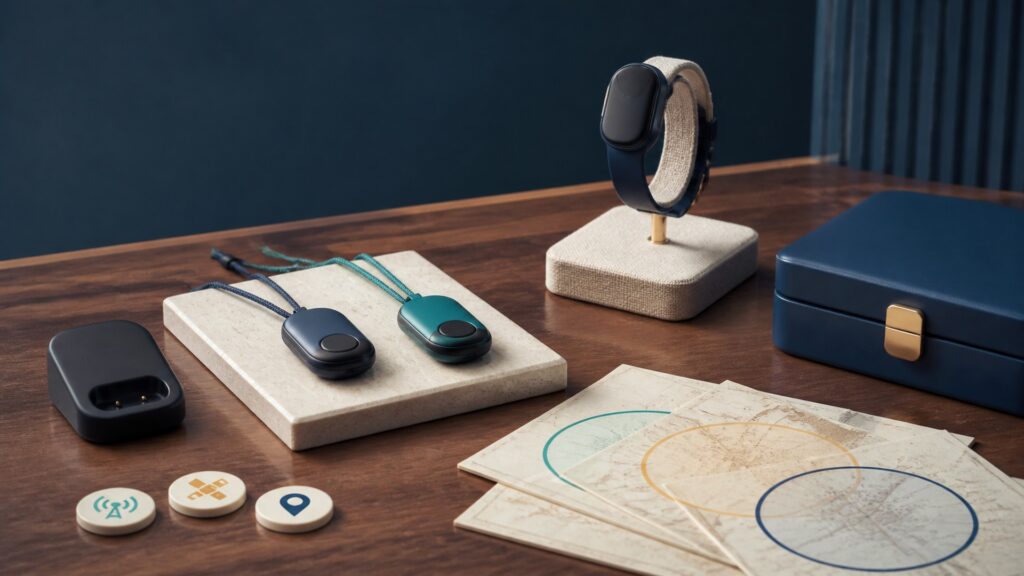
People-free editorial still life for Why GPS Safety Wearables GPS Safety Health Function Matters
What You'll Learn

Place location sharing inside a real support plan

Connect tracking with participation and search response without turning a map history into a diagnosis or a substitute for supervision.

  • Define the activity being supported
  • Obtain meaningful consent where possible
  • Choose the least intrusive useful setting
  • Connect alerts with a capable responder
  • Watch burden on wearer and caregivers
  • Escalate health changes outside the app

Tip: Read the concept as part of a system, then connect it back to the use case.

Definitions

Six Concepts That Shape This Decision

These definitions connect the main idea to the variables, limits, and practical signals readers need to compare options.

Supported independence

Supported independence is participation made safer by proportionate assistance rather than unrestricted surveillance.

  • It frames location sharing around the wearer's goals and remaining abilities.
  • Name the outing or routine the product is meant to support.
  • A tracker cannot make an unsuitable activity safe by itself.

Consent boundary

A consent boundary states who may view location, for what purpose, and for how long.

  • It protects autonomy within family or care relationships.
  • Review access whenever capacity, caregivers, or circumstances change.
  • Emergency exceptions should not become routine unrestricted monitoring.

Search interval

The search interval is the time from recognizing concern to locating or reaching the wearer.

  • Location evidence may shorten this interval when current and accessible.
  • Compare announced exercises with the prior response method.
  • A faster map lookup does not assure safe recovery.

Participation outcome

A participation outcome describes whether the person completes a valued walk, errand, visit, or trip with acceptable support.

  • It is more meaningful than simply counting location updates.
  • Record comfort, confidence, assistance, and completion together.
  • One successful outing cannot establish future safety everywhere.

Caregiver load

Caregiver load includes alert review, charging, account administration, searching, and emotional vigilance.

  • Excess burden can make a theoretically useful plan unsustainable.
  • Track missed notices and time spent monitoring over an ordinary week.
  • Safety planning should not depend on continuous attention nobody can provide.

Clinical escalation

Clinical escalation moves new confusion, fainting, weakness, or dangerous behavior beyond routine location management.

  • It keeps a tracking problem from obscuring a health problem.
  • Write symptom-based contact and emergency steps in advance.
  • Location data cannot diagnose the reason for functional change.

Tip: Keep the definitions connected; the strongest answer usually comes from the whole system, not one term.

Begin With a Valued Activity

Health support should preserve something the wearer wants or needs to do.

Define the practical goal before selecting tracking intensity: perhaps walking a familiar block, traveling to an appointment, or maintaining privacy at home. This keeps the product from turning vague anxiety into perpetual monitoring without a measurable benefit.

  • Name the desired participation
  • Describe the specific risk
  • Ask what less intrusive support exists
  • Set a review date

A clear activity goal gives both wearer and caregiver a fair standard for usefulness.

Negotiate Location Access

Tracking affects dignity as well as safety.

Discuss who can see live position, route history, and alerts; when viewing is appropriate; and how long records remain. When decision-making capacity is limited, use applicable care, legal, and ethical guidance while still seeking the person's assent and comfort.

  • Limit viewers by role
  • Reduce unnecessary history
  • Explain alerts in plain language
  • Revisit access after changes

Proportionate access supports trust, which often determines whether the wearable remains in use.

Connect the Map to a Search Plan

A location feature matters only when it changes a feasible response.

Assign the first caller, familiar places to check, transportation, property access, and the threshold for emergency services. Consider whether the named responder is awake, nearby, and able to act. An unattended notification offers little protection.

  • Identify the first action
  • List likely destinations
  • Define urgent thresholds
  • Practice account access

Response capacity belongs in the health-function assessment, not in a separate fine-print category.

Measure Participation and Burden Together

More tracking is not automatically a better outcome.

Review whether the wearer completes the intended activity with acceptable anxiety, stigma, charging effort, and false alerts. At the same time, note caregiver workload and sleep disruption. Benefits that require constant surveillance may not persist.

  • Observe the outside activity
  • Ask about comfort and autonomy
  • Record caregiver time
  • Review nuisance notifications

The meaningful outcome balances participation with the human cost of maintaining it.

Keep Health Assessment Separate

A route change can signal concern without explaining it.

New wandering, confusion, falls, fainting, or loss of function may reflect medical, medication, sensory, environmental, or social causes. Use the wearable to locate and assist when appropriate, then seek qualified assessment rather than attempting diagnosis from movement history.

  • Respond to immediate danger
  • Document meaningful changes
  • Avoid diagnostic map reading
  • Update the support plan after evaluation

Location evidence can prompt care, but clinical judgment remains outside the device.

Quick Reality Check

A support tool, not a health monitor

The device's contribution lies in participation, contact, and search coordination rather than direct measurement of medical status.

What the evidence can support

A current location may help caregivers find a wearer more efficiently during a defined incident.

A proportionate plan may permit a valued activity that would otherwise require closer accompaniment.

What remains unresolved

Route history cannot diagnose confusion, cognitive decline, fainting, or any other condition.

Tracking cannot ensure the wearer keeps the device, remains within coverage, or receives timely help after an alert.

Common Myths

Misconceptions That Distort the Decision

Common shortcuts and misunderstandings can make the topic seem simpler than it is.

Does continuous location sharing create continuous safety?

No. The device can be removed, depleted, obstructed, out of service, or separated from the wearer. A notification may also go unseen. Safety depends on a maintained response plan and other supports appropriate to the person's risks.

Is more detailed route history always healthier or more protective?

Extensive history can add privacy exposure and caregiver vigilance without improving the next decision. Collect only what serves a defined activity or response, restrict viewers, and choose retention settings that match the agreed purpose.

Can changes in a map trace diagnose cognitive decline?

A route difference may arise from errands, signal error, transportation, preference, or many health and environmental factors. It can prompt a conversation or assessment, but location records alone cannot establish a diagnosis or its cause.

Will a tracker replace companionship or appropriate supervision?

It supplies location evidence, not judgment, mobility assistance, medication support, reassurance, or physical rescue. Some activities still require another person. Choose the least restrictive combination that actually covers the foreseeable risk.

Tip: Treat strong claims as starting points for comparison, not final answers.

FAQ

Questions to Ask Before Choosing

Concise answers to common questions readers may have after the main explanation.

What health-related goal is realistic for a GPS wearable?

A realistic goal is functional, such as shortening a search or supporting a familiar independent walk with agreed backup. Avoid goals that promise exact continuous location, prevention of wandering, diagnosis, or guaranteed emergency response.

How should consent be handled in a family setting?

Explain what is collected, who can view it, when checking is justified, and how history is retained. Seek voluntary agreement when possible and revisit it regularly. Complex capacity or guardianship questions may require qualified guidance.

Which outcome should be reviewed after several weeks?

Examine completion of the intended activity, search or contact time, wear consistency, false alerts, battery gaps, privacy concerns, wearer comfort, and caregiver workload. Continue only if the overall arrangement remains useful and proportionate.

When does a location concern become a medical concern?

Sudden confusion, collapse, new weakness, breathing trouble, chest symptoms, injury, or a marked functional change deserves appropriate clinical or emergency response. Finding the wearer is only the first step when significant symptoms are present.

Bottom Line

GPS safety wearables can support health indirectly by helping a person participate, connect, or be found. Their value is strongest when the activity is defined, consent is respected, alerts reach capable people, and outcomes include both independence and burden.

Do not mistake a location stream for evidence of medical wellness. Preserve appropriate supervision and contact options, and move new or serious symptoms into qualified care rather than continued map interpretation.

Next Steps

Go Deeper or Compare Your Options

Use these Review Streets paths to connect the explainer to related categories, comparisons, and next decisions.