
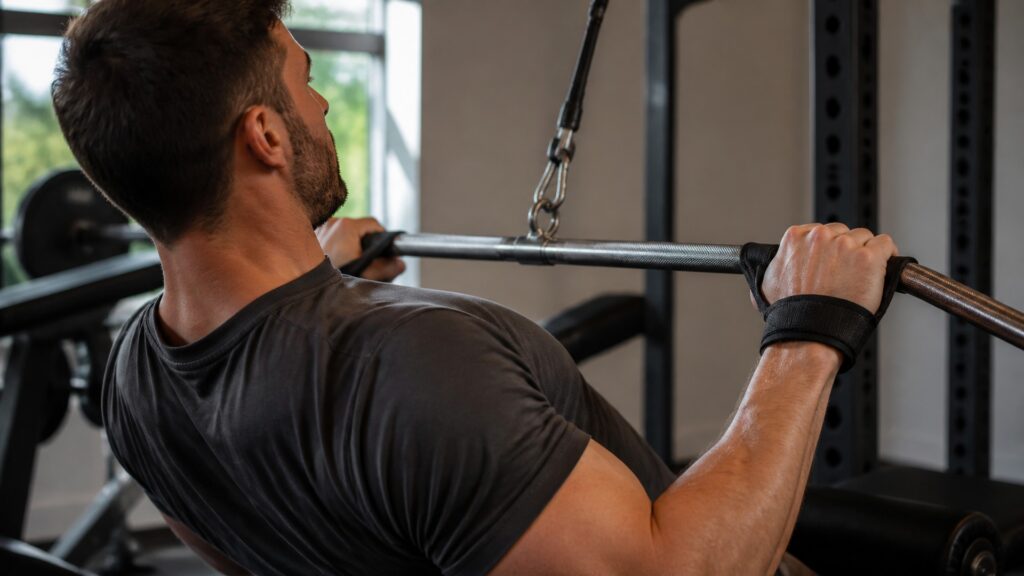
Why Grip Accessories Training Function Matters

Training function matters in grip accessories because the accessory should improve the exercise it is used for. Gloves, straps, wraps, chalk, pads, and handles can all help in the right setting, but each one changes the workout in a different way.

A useful grip accessory should make the target exercise easier to perform with control, not simply make every set feel more covered, padded, or supported.

By: Review Streets Research Lab
Updated: September 23, 2026
Explainer · 8-12 min read
grip accessories training function explainer hero image for Review Streets
What You'll Learn

How Grip Accessories Change Workout Quality

A practical look at when grip tools support training and when they get in the way.

  • Why the accessory's job should match the exercise
  • How straps, gloves, wraps, and chalk affect training differently
  • Where grip help supports target-muscle work
  • Why overuse can reduce direct grip development
  • What to check before making an accessory part of every set

Tip: Judge the product by the job it performs during real workouts, not by the feature list alone.

Definitions

Key Concepts Behind Grip Accessories Training Function Matters

These concepts clarify the practical details readers should check before choosing fitness gear.

Training Function

Training function is the job an accessory performs during a workout.

  • Example: using straps so back work is not limited by grip fatigue
  • Check: name the job before using the accessory
  • Limit: a vague comfort benefit may not justify constant use

Grip Limiter

A grip limiter is the point where the hand fails before the target muscles receive enough work.

  • Example: forearms failing before the back during rows
  • Check: identify whether grip or the target muscle stops the set
  • Limit: grip limitation can be useful when grip is the goal

Support Tradeoff

Support tradeoff is the balance between added help and reduced direct demand.

  • Example: wrist wraps supporting heavy presses while reducing wrist stability demand
  • Check: use support when it serves the lift
  • Limit: constant support can hide weak positions

Tactile Feedback

Tactile feedback is the hand's ability to feel position, pressure, and movement through the equipment.

  • Example: feeling a bar rotate during a pull
  • Check: see whether padding reduces control
  • Limit: comfort can reduce useful feel

Accessory Timing

Accessory timing is when the tool is added during the workout.

  • Example: using straps only for top deadlift sets
  • Check: decide which sets need help
  • Limit: wearing accessories all session can blur the purpose

Exercise Match

Exercise match is how well the accessory fits the movement and training goal.

  • Example: chalk for pull-ups, straps for heavy rows, wraps for presses
  • Check: match the tool to the exercise demand
  • Limit: one tool rarely fits every lift

Tip: The most useful feature is the one that removes a real training problem without adding new friction.

Purpose

The Accessory Needs A Training Job

Grip accessories are most useful when they have a specific job. That job might be holding a heavier pull, protecting skin, improving friction, or supporting wrist position.

  • Name the problem before choosing the tool.
  • Use the simplest accessory that solves it.
  • Remove the accessory when the job is gone.

Training function starts with a clear purpose.

Target Muscles

Grip Help Can Let The Right Muscles Work

If grip fails before the target muscles, straps or friction aids can help the exercise do its intended job. This is common in heavy rows, deadlift variations, and high-volume pulling.

  • Use help when grip is not the target.
  • Keep direct grip work elsewhere.
  • Do not use accessories to chase loads you cannot control.

The accessory should support the training goal.

Control

Comfort Should Not Remove Useful Feel

Gloves, pads, and wraps can make training more comfortable, but too much padding or support can reduce feedback from the equipment.

  • Check whether the handle feels too thick.
  • Make sure grip position stays consistent.
  • Avoid masking pain or poor setup.

Comfort is helpful when control remains clear.

Timing

Use Accessories When The Set Calls For Them

The same lifter may need bare hands for warmups, chalk for pull-ups, straps for top sets, and no support for grip-focused work.

  • Decide which sets need the tool.
  • Avoid automatic use for every exercise.
  • Recheck the choice as training changes.

Good timing keeps accessories from taking over the workout.

Progress

Training Function Should Support Long-Term Progress

A grip accessory is helpful when it lets the user train the intended movement better over time. It becomes less helpful when it hides weak grip, poor wrist position, or unsuitable loading.

  • Track whether performance improves.
  • Keep grip capacity in the plan.
  • Use support to train better, not just heavier.

The accessory should make progress clearer, not blur it.

Quick Reality Check

Where Training Function Helps And Where It Can Fall Short

A grip accessory should improve the job of a specific exercise.

Where It Helps

It prevents grip failure from limiting non-grip exercises.

It can improve comfort, friction, or wrist support for appropriate sets.

Where It Falls Short

It can reduce direct grip training if overused.

It can hide technique, pain, or loading problems.

Common Myths

Misconceptions About Grip Accessory Training Function

Using more support does not automatically improve the workout.

Accessories should be worn for every set

They work best when matched to specific exercises and loads.

Straps ruin grip strength

They can reduce grip demand, but selective use can coexist with grip training.

Comfort always means better function

Comfort helps only if control and movement quality stay strong.

One accessory solves every lift

Different lifts need different kinds of grip help.

Tip: Strong claims should lead to closer inspection, not automatic trust.

FAQ

Frequently Asked Questions About Grip Accessory Training Function

Short answers for practical buying and training decisions.

Why does training function matter?

It shows whether the accessory actually improves the exercise instead of just adding gear.

When should I avoid straps?

Avoid straps when grip strength is the target or when the load cannot be controlled safely.

Do gloves improve performance?

They may improve comfort or skin protection, but they do not automatically improve performance.

How often should I use grip accessories?

Use them for specific sets where they solve a clear problem.

What is the practical takeaway?

Match the accessory to the exercise goal and keep direct grip work in the routine.

Bottom Line

Training function matters because grip accessories should support the exercise, not replace the purpose of training.

The best use is selective: solve the grip problem for the right set while preserving control and long-term grip development.

Next Steps

Go Deeper or Compare Your Options

Use these Review Streets paths to compare related categories and practical next decisions.