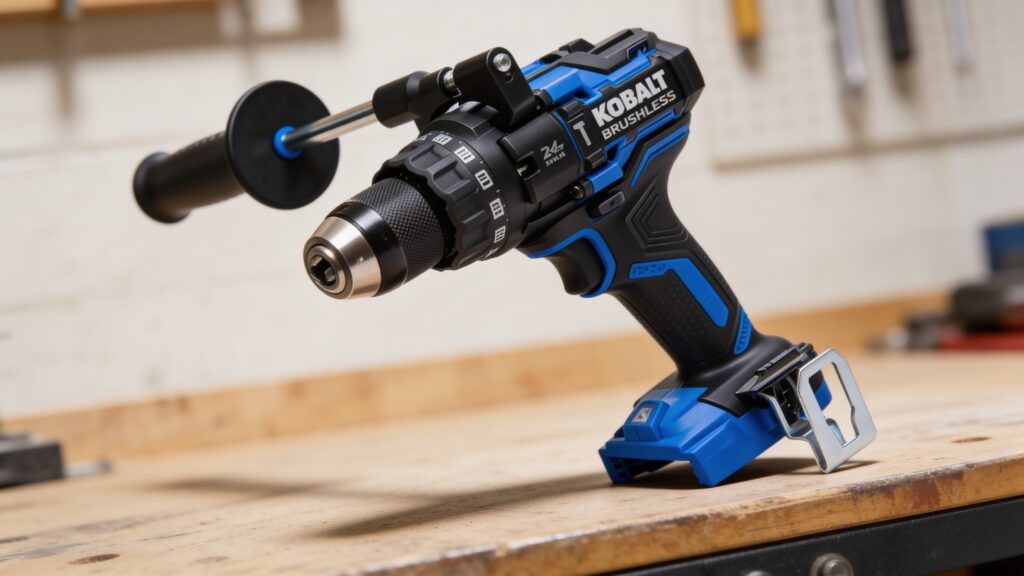
Chuck size is a foundational specification in hammer drill design, yet it is frequently reduced to a simple measurement. In reality, chuck diameter defines the range of shank sizes a drill can securely hold and directly influences the mechanical interface between tool and bit. Because hammer drills combine rotational force with rapid percussive impacts, the chuck must maintain consistent grip under vibration and load. Misunderstanding this relationship can obscure how capacity, retention, and torque transfer are interconnected within the system.
This explainer outlines how chuck size relates to bit compatibility, shank standards, and impact mechanics. It clarifies how clamping force, contact surface, and structural support interact during masonry drilling. By the end, readers will understand how chuck dimensions shape the operational framework of a hammer drill.