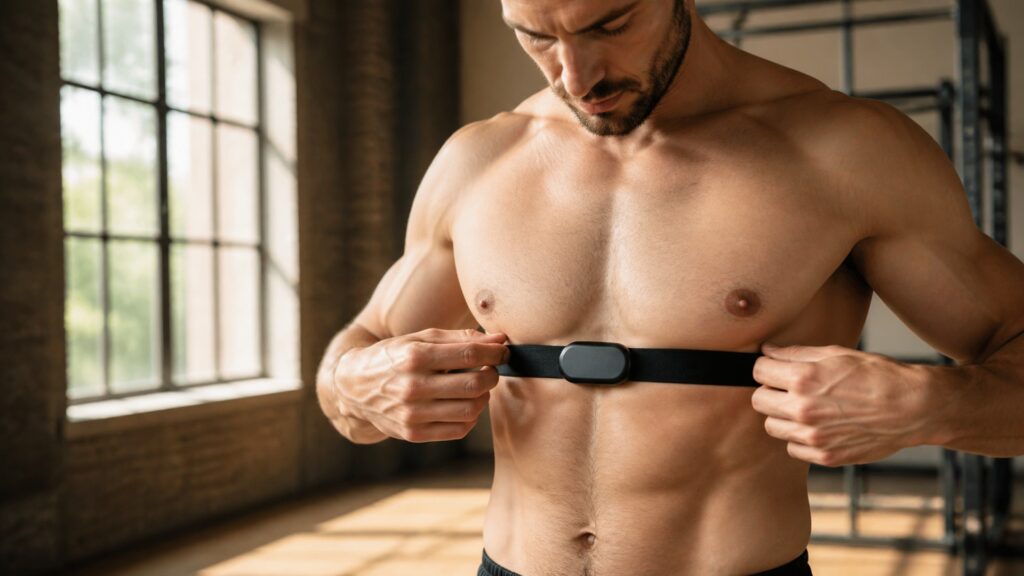
Safety factors matter in heart rate trackers because the device can influence how hard someone trains, when they slow down, and how they interpret unusual readings. Useful heart rate data can support safer pacing, but it should not be treated as a medical clearance or a guarantee that a workout is safe.
The safest use combines reliable sensor setup, sensible alert limits, attention to symptoms, privacy awareness, and professional guidance when health conditions are involved. A tracker can inform decisions, but it cannot replace the user's body signals or clinical care.