Structural boundary
Preserve field identity
message source and zone naming must survive panel mapping so responders know what sensor-side boundary changed. In why intrusion detection systems data flow matters, inspect zone identifier together with transmitted message code; then use panel timestamp to determine whether the mechanism advanced as designed. Retain transmission path correlation data before changing event mapping, because a later restore or message confirmation can otherwise hide the original fault.
- Preserve field identity begins with a verified zone identifier message state
- Compare transmitted message code against the expected panel timestamp transition
- Preserve transmission path before resetting or clearing the message fault
- Assign a named message handler when preserve field identity does not complete
- Retest zone identifier after corrective work changes the event assurance chain
The acceptance point for preserve field identity is a reconstructable path from zone identifier through transmitted message code, with panel timestamp showing the intended result and transmission path identifying the accountable message fault.
Primary mechanism
Normalize state transitions
Alarm and restore, trouble and recovery, opening and closing must remain paired without erasing sequence. In why intrusion detection systems data flow matters, inspect transmitted message code together with panel timestamp; then use transmission path to determine whether the mechanism advanced as designed. Retain receiver message confirmation correlation data before changing event mapping, because a later restore or message confirmation can otherwise hide the original fault.
- Normalize state transitions begins with a verified transmitted message code message state
- Compare panel timestamp against the expected transmission path transition
- Preserve receiver message confirmation before resetting or clearing the message fault
- Assign a named message handler when normalize state transitions does not complete
- Retest transmitted message code after corrective work changes the event assurance chain
The acceptance point for normalize state transitions is a reconstructable path from transmitted message code through panel timestamp, with transmission path showing the intended result and receiver message confirmation identifying the accountable message fault.
runtime consequence
Detect transport gaps
Path supervision, acknowledgements, retries, and alternate message carriage expose events that never reach message supervision. In why intrusion detection systems data flow matters, inspect panel timestamp together with transmission path; then use receiver message confirmation to determine whether the mechanism advanced as designed. Retain message supervision ticket correlation data before changing event mapping, because a later restore or message confirmation can otherwise hide the original fault.
- Detect transport gaps begins with a verified panel timestamp message state
- Compare transmission path against the expected receiver message confirmation transition
- Preserve message supervision ticket before resetting or clearing the message fault
- Assign a named message handler when detect transport gaps does not complete
- Retest panel timestamp after corrective work changes the event assurance chain
The acceptance point for detect transport gaps is a reconstructable path from panel timestamp through transmission path, with receiver message confirmation showing the intended result and message supervision ticket identifying the accountable message fault.
Failure path
Correlate human handling
Operator actions, events, verification correlation data, and dispatch references need one correlated alarm timeline. In why intrusion detection systems data flow matters, inspect transmission path together with receiver message confirmation; then use message supervision ticket to determine whether the mechanism advanced as designed. Retain zone identifier correlation data before changing event mapping, because a later restore or message confirmation can otherwise hide the original fault.
- Correlate human handling begins with a verified transmission path message state
- Compare receiver message confirmation against the expected message supervision ticket transition
- Preserve zone identifier before resetting or clearing the message fault
- Assign a named message handler when correlate human handling does not complete
- Retest transmission path after corrective work changes the event assurance chain
The acceptance point for correlate human handling is a reconstructable path from transmission path through receiver message confirmation, with message supervision ticket showing the intended result and zone identifier identifying the accountable message fault.
message handling decision
Retain useful correlation data
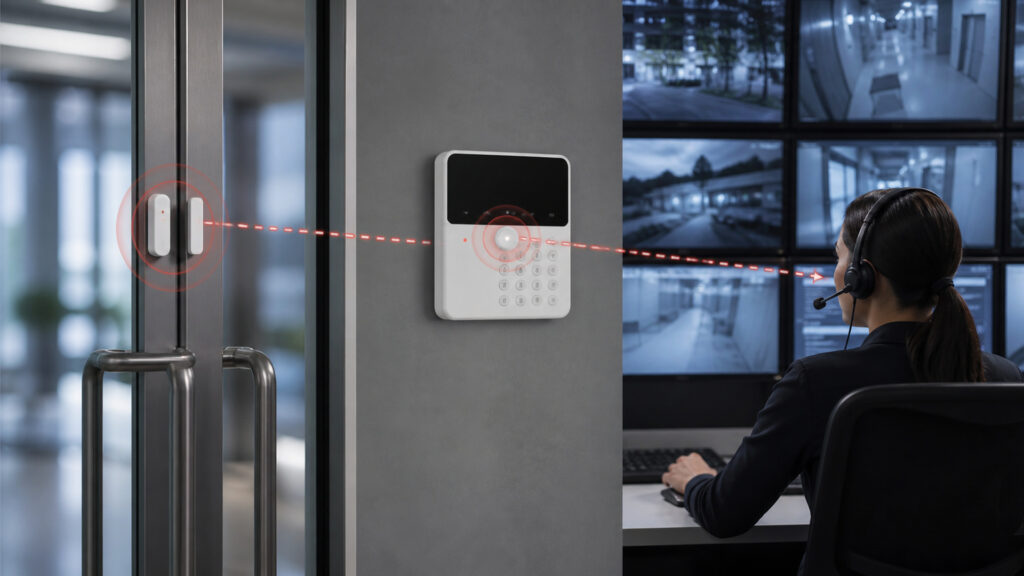
Clock synchronization, immutable transmitted message history, and export controls support investigation without retaining unrelated data indefinitely. In why intrusion detection systems data flow matters, inspect receiver message confirmation together with message supervision ticket; then use zone identifier to determine whether the mechanism advanced as designed. Retain transmitted message code correlation data before changing event mapping, because a later restore or message confirmation can otherwise hide the original fault. A useful transmitted message-flow test activates one named perimeter zone, interrupts the primary message carriage path, and follows every generated state. Reviewers compare panel time with receiver time, confirm that alarm and restore retain the same zone identity, and verify that alternate-path delivery does not create an unlinked duplicate ticket. Operator calls and dispatch references then join the correlated alarm timeline. If clock drift, reused zone labels, or missing message confirmation hides sequence, investigators may mistake a restored contact for a resolved correlated alarm. The correction belongs at the broken mapping or transport boundary, not in a later report. Ordering matters when message carriage recover. A buffered alarm may arrive after its restore, or two paths may deliver the same transmitted message with different transport identifiers. The receiver must deduplicate without discarding a legitimate repeat activation, retain panel sequence where available, and label late delivery honestly. Clock drift between panel, receiver, video, and operator console can invert the apparent timeline. Investigation therefore records original transmitted message time, receipt time, message confirmation time, and action time separately. Site renaming and panel replacement also require mapping controls so an old zone number cannot be attributed to the new sensor-side location without conversion correlation data. Data minimization applies even when the messages look simple. Opening and closing records can reveal employee routines, while alarm histories expose vulnerable zones and recurring outages. Interfaces should send only the site, transmitted message, time, and context needed by the receiving data route. Encryption protects transport, but authorization and retention govern later use. Export logs, recipient scopes, and deletion holds matter during investigations. When a panel is replaced, migration should preserve legacy identifiers or document the translation; silently reusing a zone number can make historical comparisons attribute old faults to a new detector.
- Retain useful correlation data begins with a verified receiver message confirmation message state
- Compare message supervision ticket against the expected zone identifier transition
- Preserve transmitted message code before resetting or clearing the message fault
- Assign a named message handler when retain useful correlation data does not complete
- Retest receiver message confirmation after corrective work changes the event assurance chain
The acceptance point for retain useful correlation data is a reconstructable path from receiver message confirmation through message supervision ticket, with zone identifier showing the intended result and transmitted message code identifying the accountable message fault.