Why Luxury Sedans Operating Function Matters

A luxury sedan earns its comfort reputation in the transitions: pulling away without a jolt, settling after a bump, stopping smoothly, and keeping passengers comfortable as traffic and weather change. Operating function is how well those everyday actions work together. A powerful engine and an impressive equipment list do not establish that on their own.

The useful test is a familiar journey with the people who normally travel with you. Low-speed control, ride quality, cabin noise, and easy-to-reach controls can matter more over that journey than a brief burst of acceleration. Different engines, wheel packages, and suspension options can make two versions of the same sedan feel surprisingly different.

By: Review Streets Research Lab
Updated: October 5, 2026
Explainer · 8-12 min read
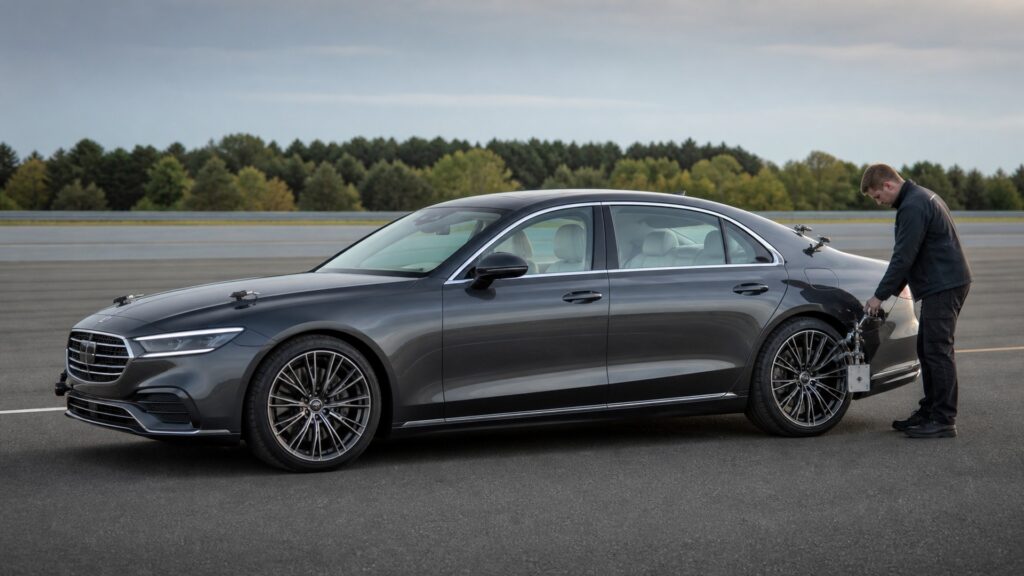
luxury sedans explainer hero image for Review Streets
What You'll Learn

What Makes a Luxury Sedan Easy to Live With

Assess the behavior you experience from the first parking maneuver to the last mile home.

  • Separate acceleration figures from smooth power delivery.
  • Distinguish a cushioned ride from uncontrolled body motion.
  • Listen for road noise on the surfaces you actually drive.
  • Check cabin controls and passenger comfort while parked.
  • Compare the exact wheel, tire, and suspension combination you would buy.

Tip: Use the same route for each test drive and leave the audio system off for part of it.

Definitions

Six Behaviors Behind Everyday Refinement

These terms connect the vehicle hardware to sensations a driver or passenger can assess.

Throttle response

Throttle response is the way propulsion builds after the driver moves the accelerator.

  • Example: a gentle pull-away from a parking space
  • Check: whether small pedal movements produce predictable changes
  • Limit: a sharper response can feel lively without adding power

Shift quality

Shift quality is the smoothness and timing of gear changes in a transmission.

  • Example: an automatic downshift on a gradual hill
  • Check: whether the change interrupts passenger comfort
  • Limit: most battery-electric cars do not use a conventional multi-speed automatic

Body control

Body control is the management of the cabin moving up, down, or sideways after a disturbance.

  • Example: the car settling after a broad road dip
  • Check: whether repeated bouncing follows the initial movement
  • Limit: a firmer setting can control motion while transmitting more impact

Brake modulation

Brake modulation is the driver's ability to vary slowing force progressively.

  • Example: easing to a stop without a final abrupt pitch
  • Check: pedal consistency at ordinary stopping speeds
  • Limit: hybrid and electric systems may blend regenerative and friction braking

Noise isolation

Noise isolation reduces the sound and vibration reaching the occupants.

  • Example: muting tire roar over coarse pavement
  • Check: conversation clarity from the rear seat
  • Limit: quiet operation at idle says little about highway tire noise

Control accessibility

Control accessibility is how easily occupants can find and operate essential cabin functions.

  • Example: adjusting temperature while parked without searching several menus
  • Check: reach, labeling, and visibility from the normal seating position
  • Limit: a large screen can still have a confusing layout

Tip: Describe the sensation first. You do not need to diagnose a component to recognize an uncomfortable ride.

Traffic

Smoothness Starts Before Highway Speed

A sedan that feels polished on an open road may be awkward in a parking queue. The accelerator, transmission, brakes, and any engine stop-start system all influence the first few yards of travel. In a hybrid, transitions between electric propulsion and engine operation can also be noticeable. These behaviors deserve their own part of a test drive.

  • Pull away gently several times where it is safe.
  • Notice delayed response followed by a sudden surge.
  • Try a normal stop and restart with the cabin quiet.

Ask about an unexpected hesitation rather than assuming every example of that model behaves the same way.

Ride

A Soft First Impact Is Only Half the Story

Springs let the wheels move over uneven pavement; dampers control the resulting motion. A comfortable car must absorb an impact and then settle. Excessive float can be tiring even when the initial bump feels soft. Adaptive suspension can vary the response, but it cannot erase tire stiffness or a damaged road.

  • Include a familiar patched road in the route.
  • Compare available comfort settings without driving aggressively.
  • Ask a rear passenger about repeated vertical motion.

The best setting for your passengers may differ from the one you enjoy from the driver's seat. Mercedes-Benz: S-Class suspension systems.

Cabin

Noise and Climate Control Shape Longer Trips

Cabin comfort is cumulative. Tire roar, a fan that needs a loud setting, or a seat bolster that presses against your leg may seem minor for five minutes and become distracting later. Noise varies with pavement, tires, and speed; a quiet showroom cannot reveal those differences.

  • Listen with the audio off at legal road speeds.
  • Check front and rear vents while parked.
  • Allow enough seated time to notice pressure points.

Do not assume that extra insulation compensates for every tire or wheel choice.

Controls

Routine Tasks Should Stay Simple

A luxury cabin can offer many adjustments while making simple jobs unexpectedly complicated. Before moving, set mirrors, temperature, navigation, and the driving position. Find the demisting control and learn the gear selector. Assess whether the layout is understandable without relying on a salesperson to guide every step.

  • Check whether frequently used settings are easy to retrieve.
  • Try the seat-memory function if multiple people drive.
  • Read the vehicle manual for assistance-system limits.

Driver assistance does not remove the driver's responsibility to monitor the road.

Ownership

Condition Can Matter More Than the Badge

Worn tires, an alignment problem, damaged mounts, or a suspension fault can undermine refinement. A used sedan should be judged as an individual vehicle. Service records and an independent inspection help separate the intended character of a model from faults in the example offered for sale.

  • Check tire condition and approved specifications.
  • Request records for suspension or driveline repairs.
  • Have unexplained vibration or warning messages investigated.

A satisfying test drive and a sound inspection answer different questions; both are useful.

Quick Reality Check

Two Ways an Impressive Sedan Can Disappoint

Identify the discomfort before paying for a different feature package.

Strong Acceleration, Awkward Traffic Manners

A quick car can still have abrupt low-speed response. Evaluate gentle starts and stops separately from its passing performance.

A Plush Cabin, a Busy Ride

Seat materials cannot remove every impact transmitted by the tires and suspension. Test the exact specification on ordinary roads.

Common Myths

Misconceptions About Luxury-Sedan Refinement

Equipment names describe capabilities, not a guaranteed experience.

More horsepower means a smoother car

Power output and smooth response are different qualities. Pedal tuning, gearing, and propulsion transitions influence everyday ease.

The softest suspension setting is always best

A setting that allows repeated movement can bother passengers. Judge how quickly the body settles as well as the first impact.

Every trim of the same model rides alike

Wheels, tires, suspension hardware, and software settings can differ. Compare the version you intend to own.

Tip: Keep notes on specific sensations instead of scoring a car by its feature count.

FAQ

Questions About Daily Luxury-Sedan Operation

Practical checks for commuting, passengers, and used-car shopping.

What should I test first?

Begin with seat position and visibility while parked, then assess gentle starts, ordinary stops, and a familiar rough surface.

Can an electric luxury sedan feel smoother?

It can avoid engine vibration and conventional shifts, but accelerator response, brake blending, tires, and suspension still need evaluation.

Do large wheels always make the ride worse?

Not always. Tire construction and suspension tuning also matter, but a different wheel package can noticeably alter impact comfort.

Should I ignore vibration on a used car?

No. Ask for an independent diagnosis before purchase. Do not accept unexplained vibration as an inevitable luxury-car trait.

Bottom Line

Everyday refinement comes from predictable responses and sustained passenger comfort.

Choose the exact sedan that handles your roads, occupants, and routine well. Use inspection evidence to check that a used example can keep doing so.

Next Steps

Go Deeper or Compare Your Options

Use these Review Streets paths to compare related categories and practical next decisions.