
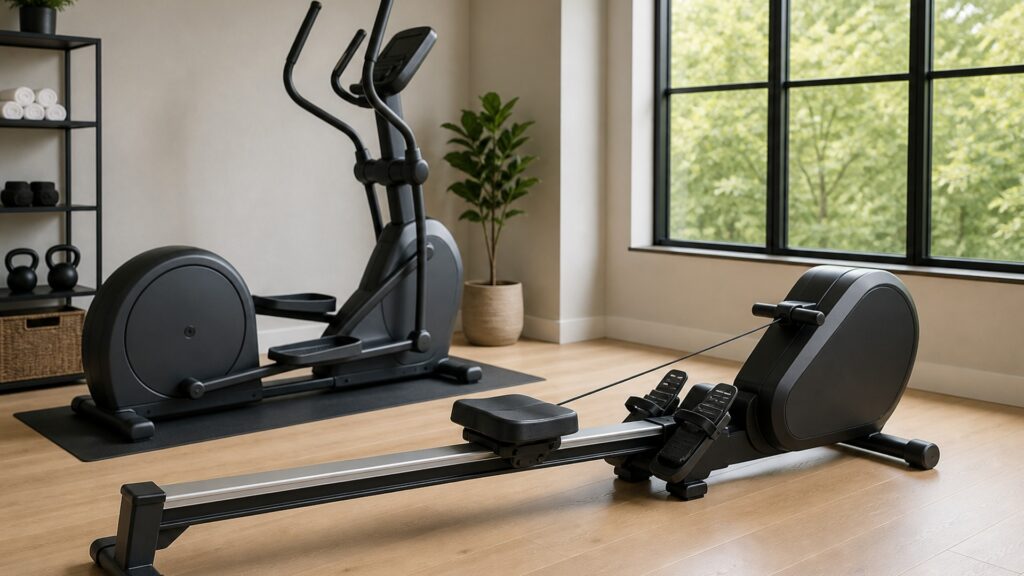
Why Magnetic Rowers Workout Role Matters

Workout role matters because a magnetic rower feels different when it is used for steady cardio, warmups, intervals, or technique practice. The same machine can be a quiet daily cardio tool for one person and an awkward purchase for someone who wanted sprint-style feedback or a standing workout.

A magnetic rower works best when its controlled resistance, sliding rail, handle path, and storage plan match the sessions the user expects to repeat. Before comparing monitors or resistance levels, decide what job the rower needs to do in the routine.

By: Review Streets Research Lab
Updated: October 7, 2026
Explainer · 8-12 min read
magnetic rowers workout role explainer hero image for Review Streets
What You'll Learn

How Workout Role Shapes A Magnetic Rower Choice

A practical look at matching magnetic rower features to the workouts a user actually plans to do.

  • Why steady rowing, intervals, warmups, and technique sessions ask for different features
  • How magnetic resistance affects quiet home cardio
  • Where comfort and rail length matter more than display features
  • Why storage and setup can determine whether the rower gets used
  • How to judge whether a magnetic rower fits the routine

Tip: Start with the workout role. A rower that fits the role can be modest and still useful.

Definitions

Key Concepts Behind Magnetic Rower Workout Role

These concepts connect the rower's design to the kind of training it can support well.

Workout Role

Workout role is the main job the rower performs in a routine, such as steady cardio, warmups, intervals, or technique practice.

  • Example: using a rower for twenty-minute low-noise cardio sessions
  • Check: name the workout before comparing machines
  • Limit: one rower may not suit every training style

Steady Cardio

Steady cardio uses a repeatable pace and effort for a sustained session.

  • Example: rowing at a comfortable stroke rate while watching time and distance
  • Check: test seat and handle comfort after several minutes
  • Limit: a comfortable start can still become irritating over time

Controlled Resistance

Controlled resistance is the predictable effort created by the magnetic flywheel setting.

  • Example: choosing a moderate level for a quiet morning row
  • Check: try the same pace at several settings
  • Limit: it may feel less responsive than air or water resistance

Technique Practice

Technique practice focuses on stroke order, smooth recovery, and consistent rhythm.

  • Example: slowing down to coordinate legs, body, and arms
  • Check: see whether the rail and handle path allow a clean stroke
  • Limit: a basic monitor may not reveal stroke quality

Setup Friction

Setup friction is the effort required to unfold, position, store, or start using the rower.

  • Example: rolling the rower out from a wall before each session
  • Check: walk through the setup in the actual room
  • Limit: small annoyances can reduce use

Feedback Fit

Feedback fit is whether the monitor shows the information needed for the rower's role.

  • Example: time, distance, stroke count, and calories for simple cardio
  • Check: confirm the display is readable while rowing
  • Limit: estimated numbers are not the same as precise coaching

Tip: The right role makes feature tradeoffs clearer and prevents buying a rower for the wrong kind of workout.

Routine Fit

The Rower Needs A Clear Job

A magnetic rower can serve several roles, but it should not be judged as if every role matters equally. Someone who wants quiet daily cardio needs different strengths than someone who wants aggressive intervals.

  • Name the main session type.
  • Decide how often the rower will be used.
  • Compare features against that role first.

The clearest role usually leads to the clearest buying decision.

Quiet Cardio

Magnetic Resistance Often Fits Low-Noise Sessions

Magnetic rowers are often chosen because the resistance can feel smooth and relatively quiet. That makes them useful for shared homes, apartments, and early workouts where sound matters.

  • Check flywheel, rail, strap, and seat noise.
  • Try the rower at the pace you expect to use.
  • Do not judge noise from resistance type alone.

Quiet operation is valuable only when the whole machine stays quiet in practice.

Comfort

Repeated Use Depends On The Contact Points

Workout role changes how much comfort matters. Short warmups may tolerate a basic seat or monitor, while longer steady rows expose handle, footrest, rail, and seat issues quickly.

  • Test the seat after more than a few strokes.
  • Check foot strap security.
  • Make sure the handle path feels natural.

Comfort is not a luxury feature when the rower is meant for frequent sessions.

Progression

The Monitor Should Match The Training Goal

A simple display can be enough for steady cardio, but intervals and progression benefit from clearer feedback. The user should be able to see the numbers that guide the workout without fighting the console.

  • Look for readable time and distance.
  • Check whether stroke rate or pace matters to the plan.
  • Avoid paying for metrics that will not be used.

Feedback is useful when it changes the next session in a practical way.

Use Pattern

Storage And Setup Affect The Role

A rower intended for daily use has to be easy to start. If the machine is hard to move, awkward to store, or annoying to position, the intended role may disappear before the workout begins.

  • Measure operating and storage space.
  • Check whether the rower moves easily.
  • Store it where workouts can start without rearranging the room.

The best workout role is the one the room can support repeatedly.

Quick Reality Check

Where Magnetic Rowers Fit Best

Workout role turns a broad product category into a practical choice.

They Fit Well When

The user wants quiet seated rowing, steady cardio, warmups, or controlled technique practice.

The room supports the rail length and storage routine.

They Fit Poorly When

The user wants standing cardio, highly dynamic resistance feel, or rowing data that the monitor cannot provide.

Setup friction makes the rower hard to use often.

Common Myths

Misconceptions About Magnetic Rower Workout Role

The category label does not decide how well the machine fits the routine.

Any rower works for any rowing goal

Different roles place different demands on comfort, resistance feel, feedback, and setup.

Quiet resistance is the only thing that matters

Noise matters, but the seat, rail, handle, and storage plan also affect repeated use.

A basic monitor is always enough

It can be enough for simple cardio, but intervals and progression may need clearer feedback.

A rower used for warmups should be ignored

A warmup rower still needs to be easy, comfortable, and ready to use.

Tip: Match the rower to the role before comparing smaller features.

FAQ

Frequently Asked Questions About Magnetic Rower Workout Role

Short answers for matching a magnetic rower to a real routine.

What role do magnetic rowers fit best?

They often fit quiet steady cardio, warmups, and controlled rowing practice.

Are magnetic rowers good for intervals?

They can be, but users should check resistance feel, monitor feedback, and seat comfort at harder efforts.

What should I test first?

Test the stroke, seat, handle, footrests, display, noise, and storage routine in the way you expect to use the machine.

Does workout role matter for beginners?

Yes. Beginners benefit from a rower that matches simple repeatable sessions rather than one with confusing features.

What is the practical takeaway?

Choose a magnetic rower for the workouts it will repeat well, not just because it is quiet or compact.

Bottom Line

Workout role matters because it determines whether a magnetic rower fits the sessions the user will actually repeat.

A strong fit starts with the intended use, then checks resistance feel, comfort, feedback, setup, and storage against that use.

Next Steps

Go Deeper or Compare Your Options

Use these Review Streets paths to compare related categories and practical next decisions.