
Pressure Control
Pressure control is the ability to adjust how much force the roller applies.
- Example: supporting more body weight with the arms
- Check: keep pressure tolerable and adjustable
- Limit: more pressure is not automatically better
Movement pattern matters for muscle recovery rollers because rolling is not just pressing on a sore spot. The user has to position the body, move over the roller, control speed, and adjust pressure without creating new strain.
A good roller setup should match the way the body can move safely. The best choice depends on target area, body position, range of motion, balance, pressure tolerance, and whether the user can stay relaxed while rolling.
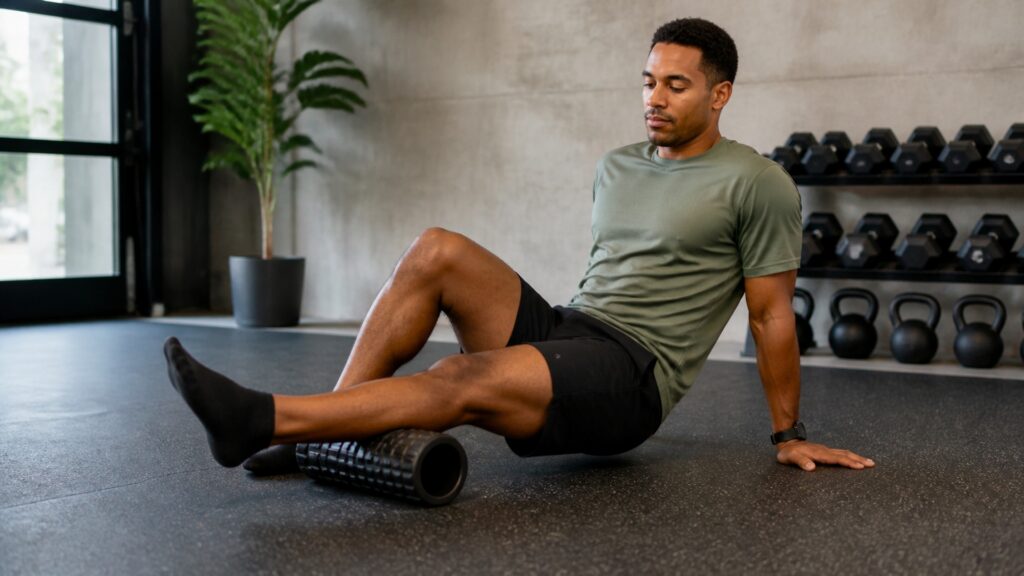
A practical guide to positioning, rolling path, pressure, and control.
Tip: Start with the easiest position that reaches the target area before adding more pressure or texture.
These concepts explain how rollers apply pressure and where their limits begin.
Pressure control is the ability to adjust how much force the roller applies.
Target area is the muscle group or region the user is trying to reach.
Roller density is how firm the roller feels under body weight.
Surface texture changes how pressure is distributed across the tissue.
Routine timing is when rolling fits before, after, or between workouts.
Comfort boundary is the point where useful pressure turns into guarding or sharp pain.
Tip: A roller is useful when the user can control pressure, target the right area, and still move comfortably afterward.
The roller only works well when the user can place the target area on it without fighting for balance. A position that feels unstable often makes pressure harder to control.
Good movement starts with a position the user can manage.
Large muscle groups may tolerate longer passes. Smaller or more sensitive areas often need shorter, slower movement. The path should follow the area being addressed rather than wander randomly.
A clear path keeps rolling focused and easier to judge.
Fast rolling can make pressure feel chaotic. Slower movement gives the user time to adjust body weight, breathe, and notice whether the sensation is useful.
Control matters more than covering a large area quickly.
A long roller can feel stable for larger areas. A shorter roller may be easier to position on calves or travel with. Diameter affects how high the body is lifted and how intense the angle feels.
The roller shape should make the movement easier, not harder.
A useful rolling pattern should feel controlled before, during, and after the session. If the user has to brace, twist awkwardly, or rush, the tool or position may be wrong.
Movement pattern turns rolling into a controlled routine instead of a rough guess.
Movement control improves rolling, but it does not make every sensation useful.
It lets the user target areas with tolerable pressure.
It reduces awkward bracing and rushed rolling.
It cannot diagnose pain or injury.
Some areas may need a different tool or professional guidance.
Rolling technique matters more than simply moving back and forth.
Fast rolling often reduces control and makes pressure harder to judge.
Sharp or overwhelming pain usually means the pressure, position, or tool needs to change.
Different target areas need different positions and ranges of motion.
Firmness can increase intensity, but it does not solve unstable positioning.
Tip: A good rolling pattern should feel controlled enough to repeat.
Short answers about positioning, speed, pressure, and control.
It determines whether pressure is controlled, targeted, and tolerable.
Slow, controlled passes are usually easier to manage than fast movement.
Use more support, choose a different position, or consider a smaller tool.
It may feel intense, but sharp pain or guarding is a sign to back off.
Use a rolling pattern that reaches the target area without forcing the body into strain.
Muscle recovery roller movement pattern matters because controlled positioning changes pressure, comfort, and target access.
A useful roller setup lets the user move slowly, adjust pressure, stay supported, and stop before recovery work becomes another source of irritation.
Use these Review Streets paths to compare related fitness categories and practical buying decisions.
Explore the recovery roller category before comparing specific tools.
Compare related recovery tools and therapy-focused fitness gear.
Review the related category or explainer before deciding.
Choose a retailer
Prices checked regularly. We may earn a commission at no cost to you.