
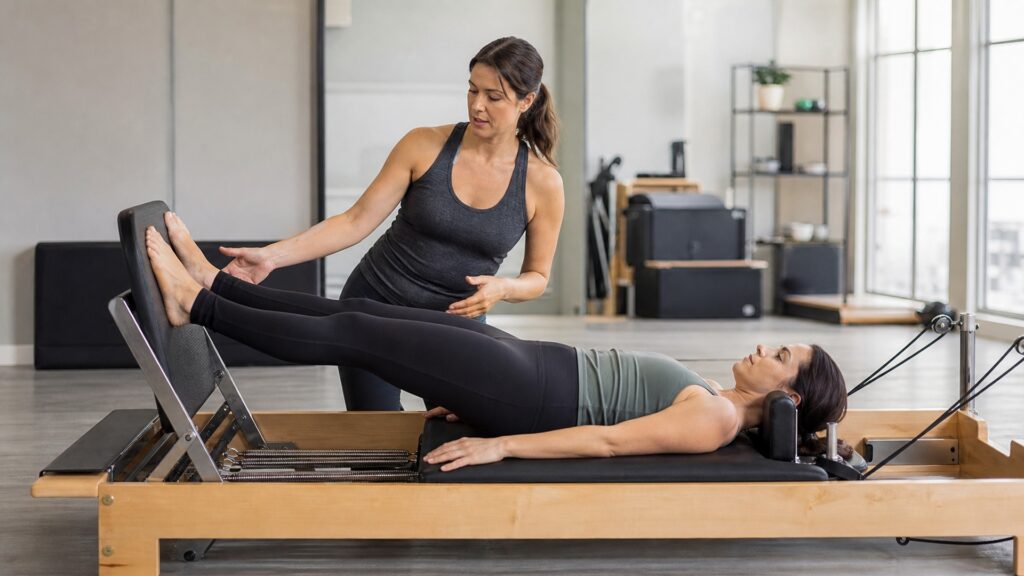
Why Pilates Equipment Training Function Matters

Training function matters in Pilates equipment because the tool should make movement more controlled, useful, and repeatable. A reformer, ring, strap, block, band, or small apparatus is valuable only when it supports the exercise goal instead of adding complexity.

The best Pilates equipment improves alignment, resistance control, range management, progression, and body awareness. The wrong equipment can make a simple movement confusing, too hard, or less precise than the floor version.

By: Review Streets Research Lab
Updated: October 5, 2026
Explainer · 8-12 min read
pilates equipment training function explainer hero image for Review Streets
What You'll Learn

How Pilates Equipment Changes The Exercise

A practical look at resistance, alignment, range, support, progression, and when Pilates tools improve training quality.

  • Why equipment should support a clear movement goal
  • How springs, straps, rings, and props change resistance or feedback
  • Where alignment support helps users stay controlled
  • Why more equipment does not automatically mean better Pilates
  • How progression should protect technique
  • What to choose for home practice, studio training, or mobility work

Tip: Use heart rate as one signal inside the workout, then confirm it with effort, pacing, recovery, and how the session actually feels.

Definitions

Key Concepts Behind Pilates Equipment Training Function Matters

These terms keep the heart rate data tied to practical training decisions instead of isolated numbers.

Guided Resistance

Guided resistance uses springs, bands, straps, rings, or machines to control how effort is applied.

  • Example: a reformer spring adding resistance during a leg press
  • Check: match resistance to control and range
  • Limit: too much resistance can distort form

Alignment Support

Alignment support helps the user keep joints and posture organized during movement.

  • Example: using a ring or strap to keep the movement path clean
  • Check: watch whether support improves control
  • Limit: support does not replace instruction

Core Control

Core control is the ability to stabilize the trunk while limbs move.

  • Example: keeping the pelvis steady during a reformer exercise
  • Check: reduce range when the trunk shifts
  • Limit: bracing too hard can reduce fluid movement

Range Management

Range management controls how far the body moves during an exercise.

  • Example: using a strap to keep a stretch within a comfortable range
  • Check: stay in a range the user can control
  • Limit: larger range is not always better

Progression

Progression is the planned increase in challenge as control improves.

  • Example: adding spring tension or a more demanding position
  • Check: change one variable at a time
  • Limit: rushing progression can reduce technique

Practice Fit

Practice fit is how well the equipment matches the user's routine, space, and skill level.

  • Example: using small props at home instead of a full reformer
  • Check: choose equipment the user will use consistently
  • Limit: larger equipment is not automatically more useful

Tip: Heart rate data gets more useful when the sensor signal, workout context, and training goal all line up.

Purpose

The Tool Needs A Clear Exercise Job

Pilates equipment should clarify the movement. It may add resistance, reduce strain, guide alignment, or help the user find a better range.

  • Choose equipment based on the exercise goal.
  • Avoid adding tools that distract from control.
  • Use simpler options when they teach the movement well.

Training function starts with purpose.

Resistance

Resistance Should Improve Control

Springs, bands, rings, and straps can change how effort feels. The right resistance helps the user control the path; the wrong resistance can pull the body out of alignment.

  • Use resistance the user can manage smoothly.
  • Reduce load when form changes.
  • Progress gradually as control improves.

Useful resistance makes movement cleaner, not just harder.

Alignment

Support Can Make Movement More Precise

Pilates equipment often helps users feel alignment, spacing, and controlled range. That feedback can make an exercise more useful than doing the same motion without support.

  • Use props to organize posture.
  • Watch whether support improves technique.
  • Avoid relying on the tool to hide poor control.

Support works when it teaches better movement.

Progression

Difficulty Should Build Without Losing Technique

Training function includes how well the equipment supports progression. A user may change resistance, range, tempo, position, or stability, but not all at once.

  • Change one variable at a time.
  • Keep breathing and control intact.
  • Step back when range or load breaks form.

Progression should make the practice stronger, not messier.

Practical Fit

The Best Equipment Fits The Real Routine

A large reformer may be excellent in a studio but unrealistic at home. Small tools may be easier to use consistently, while studio equipment may offer more guided resistance and options.

  • Match equipment to space and instruction level.
  • Choose tools the user will actually use.
  • Prioritize repeatable practice over impressive hardware.

Training function depends on fit as much as features.

Quick Reality Check

Where Training Function Helps And Where It Can Mislead

Pilates equipment is useful when it improves movement quality, not when it simply adds novelty.

Where It Helps

It can guide alignment, resistance, range, and progression.

It can make exercises more accessible or more precise.

Where It Falls Short

It cannot replace instruction when setup or form is unclear.

It can make simple movements worse if the tool is too advanced or poorly matched.

Common Myths

Misconceptions About Pilates Equipment Training Function

Good equipment supports the movement goal; it does not automatically make practice better.

More equipment means better Pilates

The right tool matters more than the number of tools.

Resistance should always be harder

Resistance should improve control and progression, not overwhelm technique.

Props are only for beginners

Props can refine alignment and range for many experience levels.

Large machines are always best

Large equipment is useful when it fits the routine, space, and instruction needs.

Tip: Treat unusual readings as reasons to check the situation, not as commands to ignore your body.

FAQ

Frequently Asked Questions About Pilates Equipment Training Function

Short answers for using heart rate data in real training decisions.

What Pilates equipment feature matters most?

The most important feature is whether the equipment improves control, alignment, resistance, or range for the intended exercise.

Is a reformer better than small props?

Not always. A reformer offers guided resistance, but small props may be better for home practice and specific drills.

Can Pilates equipment help beginners?

Yes, when it supports clear movement and does not make setup confusing.

How do I know if resistance is too hard?

Resistance is too hard when breathing, alignment, range, or control breaks down.

What is the practical takeaway?

Choose Pilates equipment for the movement quality it supports, not for how advanced it looks.

Bottom Line

Training function matters because Pilates equipment should improve movement quality, control, and progression.

The best tools make exercises clearer and more repeatable while matching the user's space, skill level, and practice goals.

Next Steps

Go Deeper or Compare Your Options

Use these Review Streets paths to compare related categories and practical next decisions.