
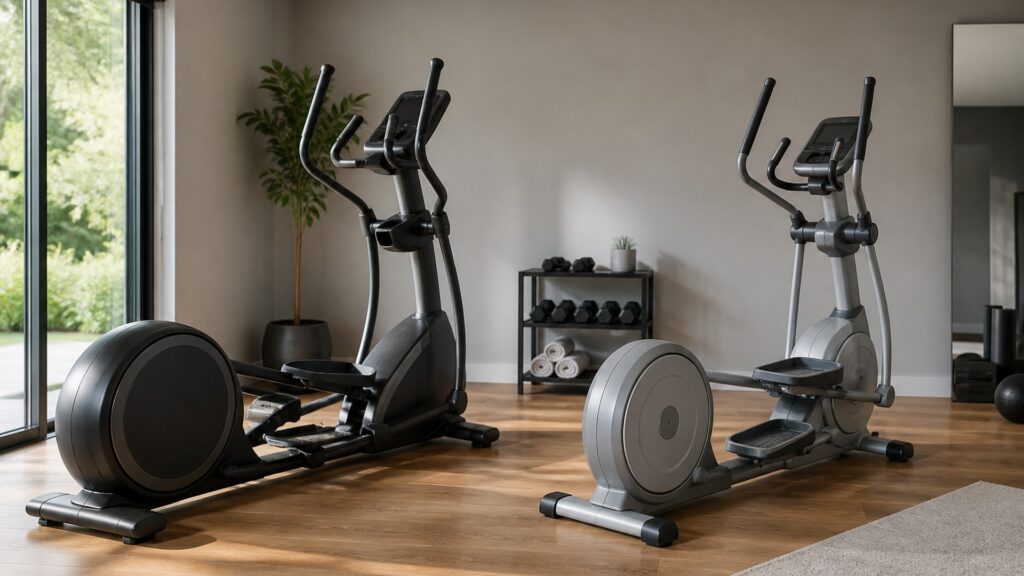
Why Rear Drive Ellipticals Safety Factors Matters

Safety factors matter in rear drive ellipticals because the machine combines a longer frame, moving pedals, raised footing, and changing resistance. Smooth motion is useful only when the user can mount, move, and stop comfortably.

The main safety checks are stability, clearance, step-up comfort, handle support, and maintenance condition. Rear drive design can feel steady, but it still needs the right room and setup.

By: Review Streets Research Lab
Updated: October 6, 2026
Explainer · 8-12 min read
rear drive ellipticals safety factors explainer hero image for Review Streets
What You'll Learn

How Safety Factors Shape Rear Drive Elliptical Use

A practical look at stability, clearance, mounting, controls, and upkeep.

  • Why longer frames still need stability checks
  • How step-up height and clearance affect placement
  • Where handles support balance
  • Why resistance changes should feel predictable
  • How maintenance supports safer motion

Tip: Test the motion, placement, and controls together before relying on one specification.

Definitions

Key Concepts Behind Rear Drive Ellipticals Safety Factors

These concepts connect rear drive design to comfort, room fit, and repeated workout use.

Rear Drive Layout

A rear drive layout places the flywheel and main drive housing behind the user.

  • Example: a longer elliptical with the drive system at the back
  • Check: measure the full frame and use space
  • Limit: rear placement alone does not prove comfort

Stride Path

Stride path is the guided route the pedals follow during each step.

  • Example: a long oval motion during steady cardio
  • Check: test the motion at normal workout pace
  • Limit: listed stride length does not show the whole feel

Frame Stability

Frame stability is how well the machine resists rocking, shifting, or flexing.

  • Example: staying steady during faster cadence
  • Check: try the machine at the intensity you expect to use
  • Limit: a stable frame still needs a level floor

Resistance Range

Resistance range is the span between easy and difficult pedal effort.

  • Example: light warmups plus harder endurance blocks
  • Check: try low, middle, and high settings
  • Limit: more levels do not guarantee better control

Room Fit

Room fit is whether the machine's footprint, clearance, and access space work at home.

  • Example: leaving enough length behind and around the elliptical
  • Check: measure the whole use zone
  • Limit: a good machine can still be wrong for the room

Workout Fit

Workout fit is how well rear drive ellipticals safety factors supports the sessions the user plans to repeat.

  • Example: steady cardio, intervals, or recovery work
  • Check: match features to weekly use
  • Limit: plans can change after purchase

Tip: A rear drive elliptical earns its space only when the stride and setup match the user.

Stability

The Long Frame Should Stay Planted

A rear drive elliptical should feel steady during normal workouts. Rocking, flexing, or shifting can make the machine harder to trust.

  • Test at expected cadence.
  • Use a level surface.
  • Check for wobble before harder sessions.

Stable movement supports safer training.

Mounting

Getting On And Off Should Feel Controlled

The user stands on moving pedals, so entry and exit matter. Fixed handles and clear space around the machine help.

  • Use fixed handles when stepping on.
  • Keep nearby objects clear.
  • Check pedal height before buying.

Safe use begins before the workout starts.

Clearance

The Room Needs Full Motion Space

Rear drive machines can be long, and the user also rises above the floor. Safe placement requires length, side clearance, and overhead room.

  • Measure floor length.
  • Check ceiling height with the user on the pedals.
  • Leave room behind and beside the machine.

The use zone is larger than the frame.

Controls

Intensity Changes Should Be Predictable

Resistance changes should not surprise the user or interrupt balance. Clear controls make it easier to reduce effort quickly.

  • Try resistance changes while moving.
  • Know the stop and cooldown options.
  • Start with easier programs.

Predictable controls help the user stay composed.

Upkeep

Maintenance Helps Preserve Safe Motion

Loose parts, worn joints, or rough movement can turn a smooth machine into a problem. Routine checks help catch changes early.

  • Listen for new clicking or grinding.
  • Follow the manual for tightening.
  • Stop use if motion becomes unstable.

A safer rear drive elliptical is a maintained one.

Quick Reality Check

Where Safety Checks Help And Where They Have Limits

Safety checks reduce avoidable setup and use problems.

Where They Help

They reveal stability, clearance, and mounting issues.

They keep maintenance tied to real workout safety.

Where They Have Limits

They cannot make a damaged machine safe.

They do not replace medical guidance for pain, balance, or injury concerns.

Common Myths

Misconceptions About Rear Drive Elliptical Safety

Smooth cardio equipment still needs setup checks.

Low impact means no safety concerns

Lower impact does not remove balance, mounting, or clearance risks.

Long frames are always stable

Frame quality, floor level, and assembly still matter.

Handles solve every balance issue

Handles help, but the stride and frame still need to feel controlled.

Maintenance is only about noise

Wear and looseness can affect safety too.

Tip: Treat broad category claims as starting points, then check the actual machine.

FAQ

Frequently Asked Questions About Rear Drive Elliptical Safety Factors

Short answers for practical elliptical buying and setup decisions.

What safety check matters first?

Check stability at the cadence and resistance the user expects to use.

How much clearance do I need?

Measure the full frame, access space, and user height at the top of the pedal motion.

Are rear drive ellipticals safe for beginners?

They can be when mounting, controls, and resistance are manageable.

What maintenance matters?

Check hardware, joints, unusual noise, and movement smoothness.

What is the practical takeaway?

A rear drive elliptical is safer when it fits the room, stays stable, and remains well maintained.

Bottom Line

Safety factors matter because rear drive ellipticals use a long moving frame that must stay stable, accessible, and predictable.

Check room fit, mounting, controls, and maintenance before relying on the machine.

Next Steps

Go Deeper or Compare Your Options

Use these Review Streets paths to compare related categories and practical next decisions.