
Why Running Apparel Movement Pattern Matters

Why Running Apparel Movement Pattern Matters because apparel changes how consistently a person can move, cool down, and avoid distraction. In this context, movement pattern is about garment behavior during the activity, not a promise of better performance or medical protection.

Running Apparel decisions become clearer when stride-cycle repetition is weighed with low-bounce pocket placement, chafe-prone seam routing, and the session conditions that expose weak design.

By: Review Streets Research Lab
Updated: September 15, 2026
Explainer · 8-12 min read
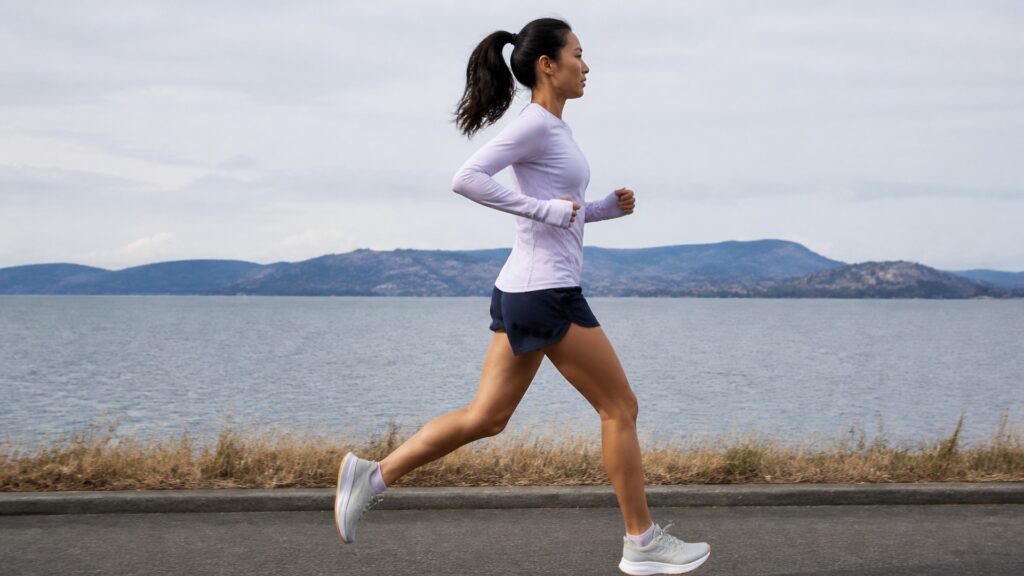
running apparel movement pattern explainer hero image for Review Streets
What You'll Learn

Why Movement Pattern Changes the Apparel Decision

The important question is how Running Apparel supports the specific session without creating new problems in fit, heat, friction, or durability.

  • How stride-cycle repetition changes the design problem
  • Why sweat evaporation zone is only one part of apparel comfort
  • Where low-bounce pocket placement affects real movement
  • How chafe-prone seam routing separates good construction from soft fabric
  • Why weather-to-pace balance changes the right layer
  • Which claims should be treated as comfort claims rather than health claims
  • How to compare the category without relying on generic athletic labels

Tip: Judge running apparel while moving through the activity that gives the garment its job.

Definitions

Key Concepts That Define Running Apparel Movement Pattern

These definitions connect the main idea to the variables, limits, and practical signals readers need to compare options.

Stride-Cycle Repetition

The repeated motion pattern that the garment must follow without pulling, twisting, or creating friction.

  • Role: Sets the cut and panel priorities
  • Watch: Problems usually appear after repeated movement
  • Limit: It does not replace fit testing

Sweat Evaporation Zone

The area where sweat collects, moves, or evaporates during the activity.

  • Role: Shapes fabric weight and ventilation
  • Watch: Cling and cooling can change over time
  • Limit: Sweat handling varies by climate

Low-Bounce Pocket Placement

Storage placement that keeps carried items from swinging, sagging, or changing the garment's fit.

  • Role: Matters most when pockets are loaded
  • Watch: Bounce can appear only while moving
  • Limit: More pockets are not automatically better

Chafe-Prone Seam Routing

The seam or edge path most likely to rub during repeated motion or equipment contact.

  • Role: Explains why construction matters
  • Watch: Smooth fabric can still fail at seams
  • Limit: Body shape and activity change pressure points

Weather-To-Pace Balance

The balance between coverage, breathability, and the conditions of the session.

  • Role: Helps rank layers and fabric weight
  • Watch: Outdoor and indoor needs can conflict
  • Limit: One garment rarely handles every condition

Reflective Visibility Placement

A detail that matters when the session adds low light, friction, washing, or repeated wear.

  • Role: Connects small design choices to use
  • Watch: Placement matters more than labels
  • Limit: It supports judgment rather than proving quality

Tip: Use these terms to connect fabric, fit, and construction to running apparel, not to rank every garment by one feature.

Motion Demand

How Repeated Motion Shapes the Garment

Running Apparel matters when the garment is asked to manage stride-cycle repetition, sweat evaporation zone, and chafe-prone seam routing at the same time. The clothing is part of the session setup because poor fit can interrupt movement.

  • Identify the movement that repeats most
  • Check where fabric rubs, clings, or shifts
  • Separate comfort from unsupported performance claims
  • Use session conditions to rank features

The apparel job is to reduce avoidable interference so the session can stay predictable.

Fit Control

Why Stable Fit Comes Before Extra Features

Useful features depend on the garment staying in place. Pockets, ventilation, reflectivity, panels, or grippy surfaces become less useful if hems, waistbands, or sleeves drift.

  • Stable openings reduce adjustment
  • Panel placement changes pressure points
  • Pocket placement matters only when loaded
  • A smooth try-on does not prove moving comfort

Fit control turns apparel from a static item into working equipment.

Tradeoffs

Where Comfort and Protection Pull Apart

More coverage can help visibility, modesty, warmth, or abrasion resistance, but it can also trap heat or reduce easy movement. Less fabric can feel faster while offering fewer practical buffers.

  • Choose coverage for the problem it solves
  • Do not overvalue a feature that adds heat
  • Watch for seams in repeated-contact areas
  • Balance stretch with structure

Tradeoffs are the reason the same garment can be right for one session and wrong for another.

Limits

Why Apparel Cannot Fix Every Session Problem

Clothing can reduce friction, bounce, exposure, or distraction, but it cannot correct poor footwear, unsafe conditions, bad equipment setup, or a mismatch between session and garment.

  • Avoid treating clothing as injury prevention
  • Use visibility details as one part of outdoor awareness
  • Replace worn elastic or damaged seams
  • Match the item to the activity before judging quality

The limit keeps the article practical without turning apparel into a health claim.

Use Check

How to Apply This Before Choosing

The most useful check is to name the movement, the environment, and the failure point. Then compare garments by the feature that directly addresses that failure point.

  • Move through the deepest or fastest position
  • Check sweat zones after realistic effort
  • Load pockets before trusting storage
  • Inspect seam routes and fabric recovery

Running Apparel is easier to judge when movement pattern is tied to a visible garment behavior.

Quick Reality Check

Where Running Apparel Helps and Where It Has Limits

A useful apparel explanation separates comfort and usability from unsupported claims about performance, recovery, or injury prevention.

What Running Apparel Can Clarify

It explains why stride-cycle repetition, low-bounce pocket placement, and chafe-prone seam routing can matter more than a broad athletic label.

It gives readers a practical way to compare fit, heat, storage, and construction before focusing on brand or style.

Where the Claim Should Stop

It should not promise injury prevention, faster training, or medical benefits without evidence.

It cannot solve unsafe routes, poor equipment setup, worn footwear, or a garment that simply does not fit the user's body.

Common Myths

Misconceptions About Running Apparel Movement Pattern

Common shortcuts and misunderstandings can make the topic seem simpler than it is.

Running Apparel is just ordinary athletic clothing

That shortcut misses the activity-specific design job. Running Apparel can use familiar fabrics, but the pattern, pocket behavior, seam route, and heat handling are judged against a narrower movement demand.

The stretchiest option is always the best one

Stretch helps only when it returns, supports coverage, and avoids sagging. A piece can stretch easily and still perform poorly under repeated movement or equipment contact.

Sweat-wicking fabric solves the whole problem

Moisture movement is only one variable. Fit drift, rubbing, pocket bounce, fabric weight, and session conditions can still decide whether the garment works.

A tighter fit automatically means more support

Tightness can reduce movement, trap heat, or create pressure without solving the actual problem. Support has to be judged against the activity and the garment's construction.

Tip: Treat strong claims as starting points for comparison, not final answers.

FAQ

Frequently Asked Questions About Running Apparel Movement Pattern

Concise answers to common questions readers may have after the main explanation.

What should I check first in running apparel?

Start with the movement that repeats most often, then look at whether seams, hems, waistband, and storage stay quiet during that movement.

Does running apparel improve performance?

This explainer does not treat apparel as a performance guarantee. The practical value is comfort, coverage, storage, durability, and fewer avoidable distractions.

How important is fabric weight?

Fabric weight matters when it changes heat, drape, durability, or coverage. It should be judged with the session environment and the garment's cut.

When does fit matter more than material?

Fit matters more when the garment shifts, rubs, exposes, or restricts movement. A good fabric cannot fully rescue a poor pattern.

Can one item work for running and gym training?

Sometimes, but the overlap depends on the session. Repeated stride, floor work, equipment contact, and pocket load can push the same item in different directions.

Bottom Line

Running Apparel makes the most sense when the clothing is judged by the activity pressure it must handle.

Use stride-cycle repetition, sweat evaporation zone, low-bounce pocket placement, and chafe-prone seam routing to compare the garment's real job before trusting broad fitness-apparel language.

Next Steps

Go Deeper or Compare Your Options

Use these Review Streets paths to connect the explainer to related categories, comparisons, and next decisions.

Running Apparel

Compare the category that frames fit, fabric, pocket, and weather choices for running.

Quick Summary

Running Apparel Movement Pattern Explained

  • Running Apparel should be judged by movement, heat, friction, and fit stability.
  • stride-cycle repetition is the first design pressure to understand.
  • low-bounce pocket placement matters only when storage stays steady while moving.
  • chafe-prone seam routing explains why construction can matter more than softness.
  • Apparel can improve comfort and usability without guaranteeing health or performance outcomes.
  • The best comparison starts with the session, not the label.