
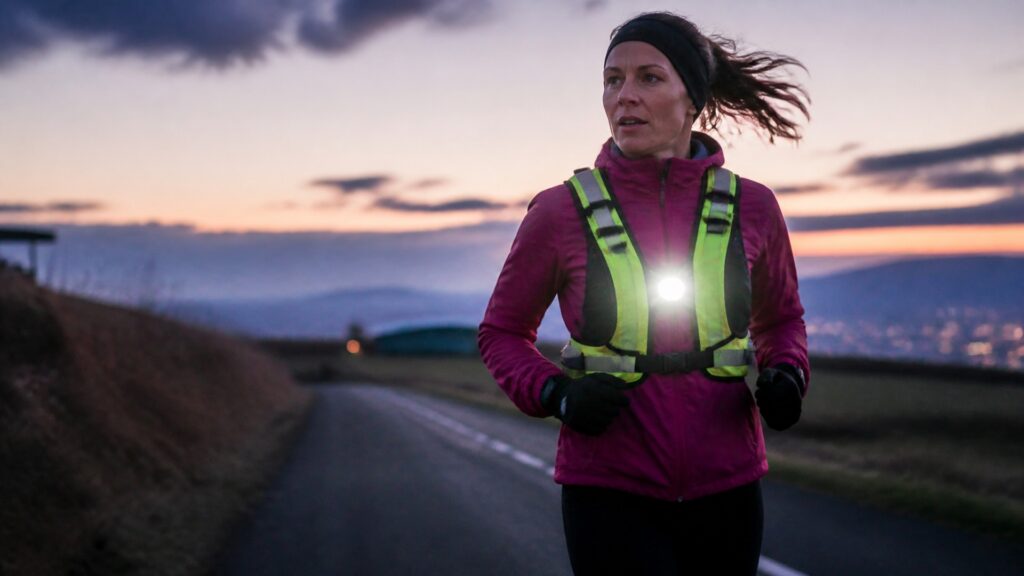
Why Running Safety Gear Training Function Matters

Training function matters because running safety gear should make a specific run safer and easier to complete, not just add reflective or technical items. Lights, reflectors, ID, phone carry, weather layers, and route-ready accessories all have different jobs.

The best safety setup supports the actual training environment. It helps with visibility, awareness, emergency access, footing, weather, or route risk without adding bounce, heat, blocked hearing, or constant adjustment.

By: Review Streets Research Lab
Updated: September 30, 2026
Explainer · 8-12 min read
running safety gear training function explainer hero image for Review Streets
What You'll Learn

How Running Safety Gear Supports Real Training

A practical look at visibility, route awareness, emergency access, weather, and fit during runs.

  • Why safety gear should match the route
  • How lights and reflectors solve different problems
  • Where phone, ID, and emergency access matter
  • Why weather and footing affect safety choices
  • How to avoid gear that distracts from the run

Tip: Safety gear earns its place when it reduces a real route or training risk.

Definitions

Key Concepts Behind Running Safety Gear Function

These concepts explain how safety gear supports training conditions.

Visibility Support

Visibility support helps the runner see or be seen in low-light or complex route conditions.

  • Example: wearing reflective pieces or a light on an early run
  • Check: view the runner from front, side, and back
  • Limit: visibility gear does not remove traffic risk

Route Awareness

Route awareness is how well the runner can notice traffic, footing, people, weather, and exits.

  • Example: keeping lighting and phone access simple on a dark route
  • Check: avoid gear that steals attention
  • Limit: gear cannot replace judgment

Emergency Access

Emergency access is the ability to reach ID, phone, medication, or help when needed.

  • Example: keeping a phone and ID in a reachable pocket
  • Check: make essentials accessible without unpacking everything
  • Limit: not every route needs the same kit

Fit And Stability

Fit and stability describe whether safety gear stays put without rubbing, bouncing, or blocking movement.

  • Example: a lighted vest that does not shift during arm swing
  • Check: test at running pace
  • Limit: secure gear still needs comfort

Weather Readiness

Weather readiness is choosing gear that supports safety in rain, heat, cold, wind, or glare.

  • Example: using a brim, light shell, or high-visibility layer
  • Check: match gear to effort and conditions
  • Limit: too much gear can overheat the runner

Safety Role

Safety role is the specific risk a piece of gear is meant to reduce.

  • Example: a rear light for road visibility or ID for emergency contact
  • Check: name the risk before adding the item
  • Limit: one item rarely covers every risk

Tip: The safest gear is useful only when it fits the route and stays usable while moving.

Visibility

Safety Gear Should Match The Light Conditions

A runner may need to see the ground, be seen by others, or both. A headlamp, reflective vest, rear light, or bright layer can solve different visibility problems.

  • Use lights to see dark surfaces.
  • Use reflectors where others need to see you.
  • Place gear where it stays visible while moving.

Visibility is a training function when it makes the route practical.

Route

Route Risk Changes The Gear Job

Traffic, isolation, surface quality, weather, and time of day all affect what safety gear should do. A quiet park loop and a dark roadside route need different setups.

  • Review the route before packing gear.
  • Carry essentials when help is not nearby.
  • Scale visibility to traffic and lighting.

Safety gear should answer the route, not a generic checklist.

Emergency Access

Phone And ID Access Can Matter During Training

Some runs need a phone, ID, medication, or emergency contact access. The item has to be secure but reachable when needed.

  • Use secure pockets for ID and keys.
  • Keep phone access practical.
  • Do not bury essentials under hard-to-remove gear.

Emergency access is useful only when it can be reached.

Weather

Weather Gear Can Be Safety Gear

Heat, cold, rain, wind, and glare can affect safety as well as comfort. The right item helps the runner maintain awareness and control.

  • Use breathable layers for heat and effort.
  • Use rain or sun protection when exposure is the limiter.
  • Avoid gear that blocks sight or hearing on busy routes.

Weather support should improve control in the conditions at hand.

Fit

Safety Gear Should Not Become A Distraction

Gear that bounces, rubs, overheats, or needs constant adjustment can pull attention away from footing and traffic.

  • Test at running pace.
  • Secure straps and loose ends.
  • Remove items that require constant fixing.

Good safety gear fades into the run while doing its job.

Quick Reality Check

Where Safety Gear Helps And Where It Can Get In The Way

Safety gear is most useful when it supports the training environment without stealing attention.

Where It Helps

It improves visibility, emergency access, route readiness, and weather control.

It can make dark, remote, busy, or changing routes more practical.

Where It Gets In The Way

It can bounce, overheat, block hearing, or require repeated adjustment.

It can create false confidence if route judgment is still needed.

Common Myths

Misconceptions About Running Safety Gear Function

Owning safety gear is not the same as using the right gear for the route.

Any reflective item is enough

Placement, angle, motion, and lighting all affect visibility.

Safety gear is only for night running

Traffic, weather, isolation, and emergency access can matter at other times.

More gear is always safer

Extra gear can distract or overheat the runner.

Phone access is optional on every short run

Need depends on route, timing, health needs, and isolation.

Tip: Choose safety gear by route risk and training conditions.

FAQ

Frequently Asked Questions About Running Safety Gear Function

Short answers for choosing practical safety support.

What safety gear matters most?

It depends on the run. Visibility, phone access, ID, weather protection, or lighting may matter most.

Are lights and reflectors the same?

No. Lights can help the runner see and be seen, while reflectors depend on outside light.

Can safety gear be distracting?

Yes, if it bounces, rubs, overheats, blocks awareness, or needs constant adjustment.

Should I carry ID?

ID is useful when route, distance, timing, or personal circumstances make emergency contact important.

What is the practical takeaway?

Choose safety gear that reduces the specific risks of the route you are actually running.

Bottom Line

Running safety gear training function matters because gear should support visibility, awareness, emergency access, weather, and route risk.

The best setup improves safety without adding distraction or discomfort.

Next Steps

Go Deeper or Compare Your Options

Use these Review Streets paths to compare related categories and practical next decisions.