
Why Speed Training Equipment Training Function Matters

Training function matters in speed training equipment because speed work depends on the job the tool performs inside the drill. A sled, timer, cone, wicket, band, parachute, or reaction light is useful only when it improves acceleration, mechanics, reaction, rhythm, resisted sprinting, or feedback.

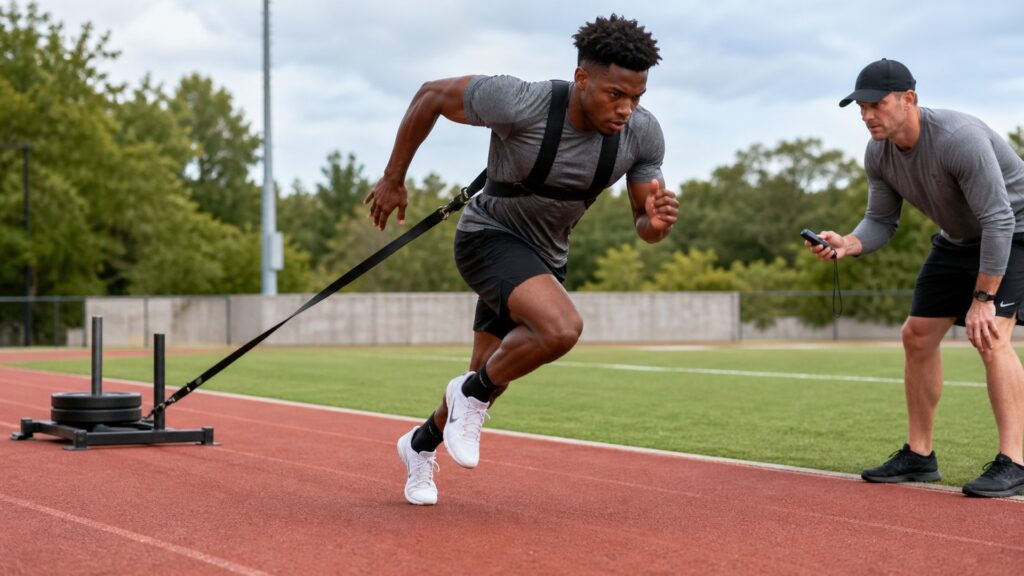
The same tool can help or interfere depending on how it is used. A sled that is light enough to preserve sprint mechanics can support acceleration. A sled that is too heavy may turn the session into slow strength work instead of speed training.

By: Review Streets Research Lab
Updated: October 5, 2026
Explainer · 8-12 min read
speed training equipment training function explainer hero image for Review Streets
What You'll Learn

How Training Function Changes Speed Equipment Value

A practical look at how speed tools should support acceleration, mechanics, reaction, resistance, timing, and recovery.

  • Why each tool needs a clear training job
  • How resistance, spacing, and timing change sprint quality
  • Where feedback helps athletes adjust the next rep
  • Why recovery matters for true speed work
  • How to avoid turning speed equipment into general conditioning gear

Tip: Buy the tool for the sprint quality it improves, not for how advanced it looks.

Definitions

Key Concepts Behind Speed Training Equipment Training Function Matters

These concepts clarify the practical signals readers should check before choosing equipment or planning workouts.

Training Function

Training function is the specific job a tool performs inside the speed session.

  • Example: using timing gates to compare 10-yard acceleration efforts
  • Check: name the tool's job before the drill starts
  • Limit: a tool can have several uses but should have one clear role in a rep

Acceleration Support

Acceleration support helps the athlete practice powerful first steps and body angle.

  • Example: light sled pulls for short starts
  • Check: watch whether the athlete still moves fast
  • Limit: too much load can change the skill

Mechanics Cue

A mechanics cue guides stride rhythm, posture, or foot contact.

  • Example: wickets set for controlled sprint rhythm
  • Check: adjust spacing to the athlete
  • Limit: fixed spacing can force awkward movement

Reaction Signal

A reaction signal tells the athlete when or where to move.

  • Example: a light cue for a short sprint start
  • Check: match the cue to the sport or drill
  • Limit: reaction work still needs enough rest

Timing Feedback

Timing feedback measures performance so efforts can be compared.

  • Example: timing gates over a repeatable distance
  • Check: keep start rules consistent
  • Limit: bad setup can make timing misleading

Recovery Control

Recovery control is the rest needed to repeat fast, high-quality efforts.

  • Example: resting until sprint times stabilize
  • Check: track speed drop-off across reps
  • Limit: short rest can turn speed training into conditioning

Tip: The best equipment choice is the one that matches the training job, available space, and user's current ability.

Main Decision

Start With The Tool's Job

Speed equipment should support a specific training function. The tool may organize movement, add resistance, trigger reaction, or measure output, but it should not do all of those jobs at once.

  • Choose one main purpose for the drill.
  • Use the simplest tool that supports that purpose.
  • Remove cues that distract from fast movement.

A clear job makes the equipment easier to use well.

Resistance

Load Should Support Speed Instead Of Replacing It

Resisted tools are helpful only when the athlete still moves with speed intent. Heavy loads can build strength, but they may stop training the sprint quality the session was meant to improve.

  • Keep resisted sprints fast enough to look like sprinting.
  • Lower the load when posture changes badly.
  • Use strength work separately when heavy resistance is the goal.

The right load challenges acceleration without burying it.

Feedback

Measurement Should Change Decisions

Timers and gates matter because they help coaches and athletes decide whether the drill is working. If the setup changes every rep, the feedback becomes less useful.

  • Use consistent start and finish rules.
  • Compare similar reps.
  • Adjust rest, load, or spacing when results drop.

Feedback works when it guides the next decision.

Recovery

Speed Work Needs Quality Between Reps

Speed training equipment is often used in circuits, but true speed development needs enough recovery for high-quality efforts. A tired athlete may still work hard while no longer training speed.

  • Separate speed work from fatigue work when needed.
  • Watch both times and mechanics.
  • Stop or change the drill when quality falls.

Rest is part of the training function.

Practical Check

Judge The Tool By The Rep It Improves

A speed tool earns its place when the rep becomes clearer, faster, more measurable, or more specific. If it only makes the session look busier, it may not belong.

  • Identify the rep quality being trained.
  • Check whether the equipment improves that quality.
  • Keep the setup repeatable.

Useful equipment makes the drill sharper, not just more complex.

Quick Reality Check

Where Training Function Helps And Where It Has Limits

Training function keeps speed equipment tied to actual sprint quality.

Where It Helps

It clarifies whether the tool is for resistance, timing, rhythm, reaction, or setup.

It helps prevent speed sessions from becoming random conditioning circuits.

Where It Falls Short

It cannot replace coaching, recovery, or appropriate sprint mechanics.

A tool can still be wrong if the athlete or space cannot support the drill.

Common Myths

Misconceptions About Speed Equipment Training Function

Speed tools are not automatically useful just because they are athletic.

More equipment creates better speed training

A small setup with a clear function can work better than a crowded drill.

Resistance always improves acceleration

Resistance helps only when mechanics and speed intent stay intact.

Timing every rep is enough

Timing helps only when the drill setup is consistent.

Fatigue proves the equipment worked

Speed training should prioritize fast, clean reps, not exhaustion alone.

Tip: Treat strong claims as reasons to inspect the workout fit more closely.

FAQ

Frequently Asked Questions About Training Function

Short answers for practical training and buying decisions.

What function matters most?

The most important function is the one that matches the session goal, such as acceleration, reaction, mechanics, or timing.

Can one tool serve several functions?

Yes, but each drill should use the tool for a clear purpose.

How do I spot poor function?

Warning signs include too many cues, heavy resistance that changes mechanics, and timing data from inconsistent setups.

Should speed equipment be used for conditioning?

Some tools can support conditioning, but that should be separate from true speed work.

What is the practical takeaway?

Choose speed equipment for the specific training function it improves.

Bottom Line

Training function matters because speed equipment must support a specific part of fast movement.

The best tools improve acceleration, mechanics, reaction, timing, or feedback without turning the session into clutter.

Next Steps

Go Deeper or Compare Your Options

Use these Review Streets paths to compare related categories and practical next decisions.